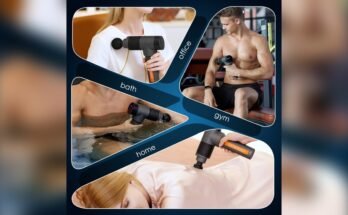
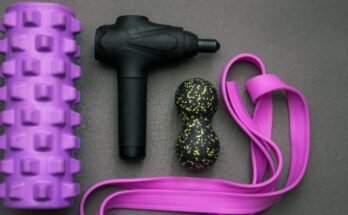
Many people see massage guns as a modern solution for muscle pain and recovery. You can find them in gyms, at home, and even in physiotherapy clinics. They promise fast relief, better blood flow, and help with sore muscles after exercise. But a simple question remains: are massage guns safe to use? If you think buying a massage gun is a quick fix, or if you’re worried about safety, you’re not alone. The truth is, safety depends on how, where, and by whom these devices are used. This article explains the facts, risks, and best practices for massage gun use. By the end, you’ll know not just whether they are safe, but how to use them wisely for the best results.
What Are Massage Guns And How Do They Work?
Massage guns, also called percussive therapy devices, look like power tools with a handle and a moving head. When switched on, the head moves back and forth quickly, pushing into your muscles. This action is called percussion. The speed and force can often be adjusted.
Here’s what happens when you use a massage gun:
- The machine creates quick, repeated pressure on your muscles.
- This helps increase blood flow to the area.
- The impact may help to break up muscle tightness or “knots.”
- The vibration can also stimulate nerves and reduce pain signals.
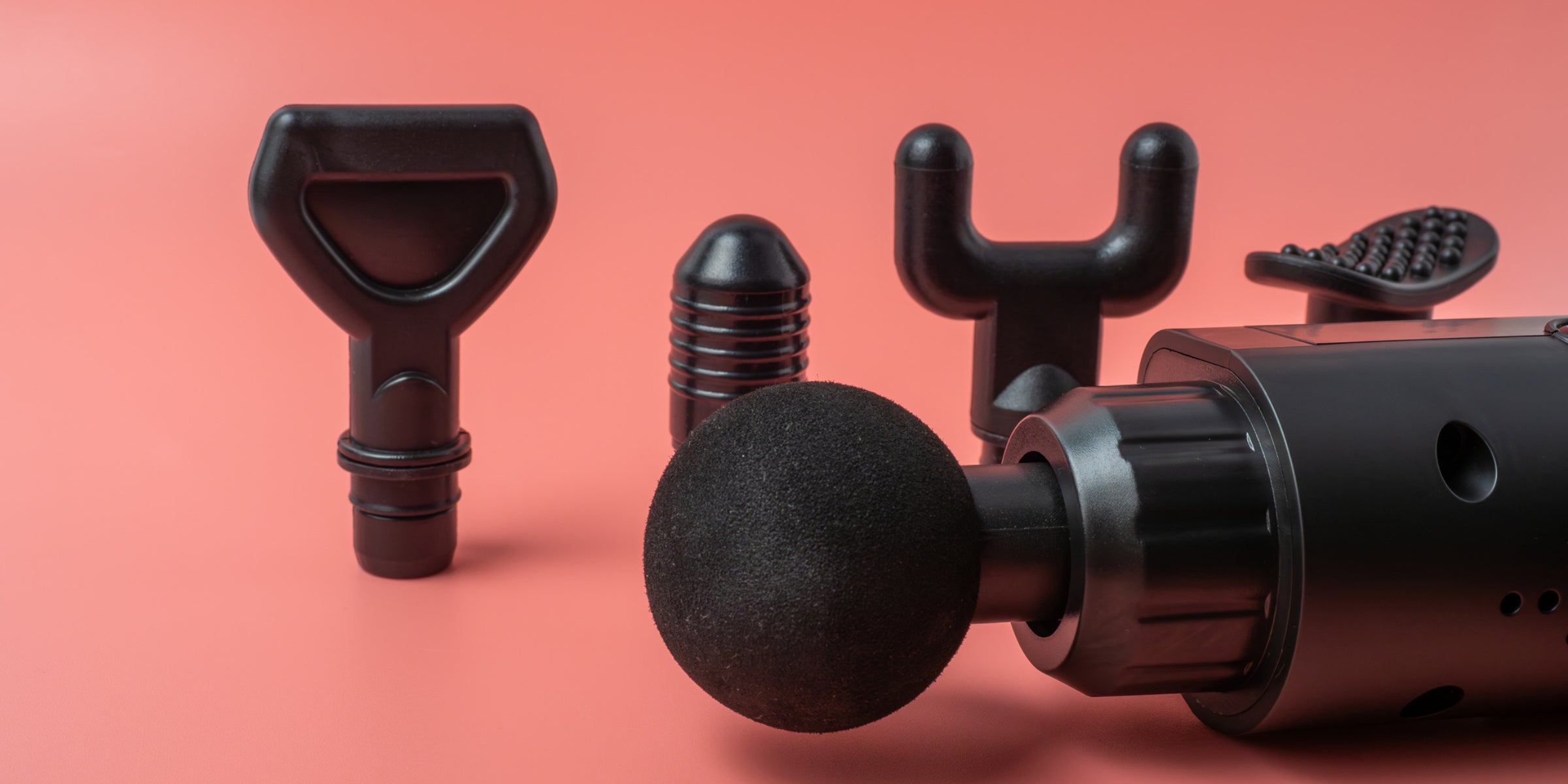
Massage guns are used by athletes, people with chronic pain, and anyone feeling muscle soreness after a workout or long day. Many brands offer extra attachments, like round balls for big muscles, or pointed heads for smaller spots.
Potential Benefits Of Using Massage Guns
People choose massage guns for many reasons. Here are the main benefits supported by research and real-life experience:
- Muscle Recovery: Using a massage gun after exercise may help muscles recover faster by reducing soreness (also called DOMS – delayed onset muscle soreness).
- Pain Relief: The vibrations can help reduce feelings of pain by changing how your nerves send pain signals to the brain.
- Increased Blood Flow: Better blood flow helps move nutrients and oxygen to the muscles, supporting healing.
- Flexibility: Some users report feeling more flexible and less stiff after using a massage gun.
- Convenience: You can use them at home, saving time and money compared to regular massage appointments.
A study published in the Journal of Clinical & Diagnostic Research found that percussive therapy can reduce muscle soreness and improve range of motion after heavy exercise. However, results vary between people.
Key Risks And Dangers Of Massage Gun Use
While massage guns are generally safe for healthy adults, they are not risk-free. Here are the main dangers:
1. Bruising And Skin Damage
Massage guns push hard into the skin. If used with too much force or for too long, they can cause bruises, red marks, or even small tears in the skin. People with sensitive skin, or those taking blood-thinning medicines, are at higher risk.
2. Nerve Injury
The quick, repeated pressure can sometimes affect nerves. If used on the wrong spot or for too long, it may cause numbness, tingling, or even nerve injury. This is more likely if you use the device near nerves close to the skin (like the elbow or wrist).
3. Muscle Tears And Worsening Pain
If you use a massage gun on an injured muscle, you risk making the injury worse. The force can make small tears bigger. Some people feel more pain after using a massage gun incorrectly.
4. Damage To Blood Vessels
If you use a massage gun over veins, arteries, or on people with varicose veins, it can cause bleeding under the skin or even blood clots. This is rare, but possible, especially in older adults or people with blood vessel problems.
5. Triggering Health Problems
People with certain medical problems (like deep vein thrombosis, advanced diabetes, or recent surgery) should avoid massage guns. The increased blood flow or pressure can cause serious problems.
6. Risk Of Bone Injury
Using a massage gun on bony areas (like shins, knees, spine, or elbows) can be painful and may cause bone bruises or even cracks in weak bones.
7. Overuse Injuries
Like any tool, overusing a massage gun can cause new problems. Too much force or too frequent use can lead to chronic pain or tissue breakdown.
Who Should Avoid Using Massage Guns?
Massage guns are not for everyone. Certain people face higher risks and should not use these devices without medical advice. This includes:
- Pregnant women: Especially on the lower back and abdomen.
- People with pacemakers: The vibrations can affect how these devices work.
- People with blood clotting disorders: They risk dangerous bleeding or clots.
- People with open wounds or skin infections: The massage gun can spread infection.
- Those with nerve diseases: Like neuropathy or multiple sclerosis.
- Cancer patients: Especially those with tumors near the area being treated.
If you are not sure, check with a healthcare provider before using a massage gun.
How To Use A Massage Gun Safely
For most healthy adults, massage guns can be safe if you follow some simple rules. Here are practical steps for safe use:
1. Read The Manual
Every device is a little different. Read the instructions to know about speed settings, attachments, and safety warnings.
2. Start Slow
Always begin with the lowest speed and gentle pressure. Increase only if it feels comfortable.
3. Avoid Dangerous Areas
Never use a massage gun on these places:
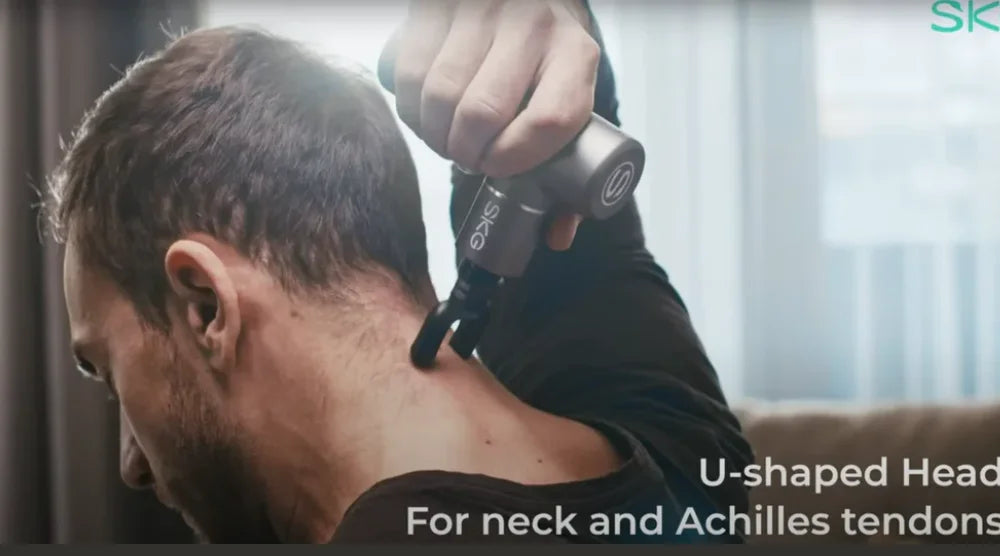
- Neck (especially the front and sides)
- Spine
- Joints (like knees or elbows)
- The front of the throat
- Areas with broken skin, cuts, or bruises
4. Limit Session Time
Do not use the massage gun on one spot for too long. Experts suggest 15-30 seconds per area, and not more than 2 minutes on any single muscle group.
5. Listen To Your Body
If you feel sharp pain, tingling, or numbness, stop right away. The goal is comfort, not more pain.
6. Clean Attachments
Wipe the massage gun’s head before and after each use to avoid spreading germs or dirt.
7. Do Not Use On Injuries
Avoid using a massage gun on fresh injuries, sprains, or areas with swelling. It can make the injury worse.
8. Stay Hydrated
Massage increases blood flow and can move waste products from muscles. Drink water after using a massage gun to help your body recover.
Comparing Massage Guns To Other Muscle Recovery Tools
Massage guns are popular, but they are not the only option for muscle recovery. People also use foam rollers, manual massage, and stretching. Here’s a quick comparison:
| Tool | How It Works | Main Benefits | Main Risks |
|---|---|---|---|
| Massage Gun | Percussive, fast pulses | Deep relief, fast use | Bruising, nerve injury |
| Foam Roller | Bodyweight pressure, rolling motion | Good for large muscle groups | Can be painful, hard to target small spots |
| Manual Massage | Hands, elbows, or tools | Custom pressure, full-body | Expensive, time-consuming |
| Stretching | Holding muscle in lengthened position | Improves flexibility, low cost | May not relieve deep muscle knots |
Massage guns work faster and can target small muscle spots, but manual massage is safer for people with medical problems. Foam rollers give good results for big muscles, but are less precise. Choose the tool that fits your needs and comfort.
Scientific Research On Massage Gun Safety
Many people trust massage guns because they are widely used by athletes and trainers. But what does science say about their safety?
- A 2020 study in the Journal of Sports Science & Medicine found that percussive therapy helped reduce muscle soreness and improved movement after exercise. No serious side effects were reported in healthy young adults.
- Another review in 2022 looked at all published research and found that most side effects were mild, like short-term bruising or soreness.
- Cases of serious injury (like nerve damage or blood clots) are rare and usually happen when people ignore safety rules or use the device on medical conditions.
However, research also shows that massage guns are not well-studied in older adults, children, or people with health problems. More research is needed in these groups.
Real-life Examples: When Massage Guns Go Wrong
Most people use massage guns without problems, but mistakes can cause real harm. Here are two real examples:
Case 1: A 25-year-old athlete used a massage gun on her thigh for 10 minutes after a long run. She pushed hard to “work out a knot.” The next day, her leg was swollen and covered in bruises. Doctors said she had a deep muscle bruise and told her to rest for two weeks.
Case 2: An older man with diabetes used his son’s massage gun on his lower leg. He had numbness from nerve disease, so he could not feel pain. After using the device for 5 minutes, he developed a large open sore. This led to an infection, and he needed antibiotics.
The lesson: More is not always better. Listen to your body, and if you have health problems, check with a doctor first.
How To Choose A Safe Massage Gun
Not all massage guns are created equal. A poor-quality device can be noisy, break quickly, or even overheat. Here are some important points when choosing a massage gun:
- Adjustable Speed and Force: Look for a device with several speed options and adjustable pressure. This helps you find the right setting for your body.
- Multiple Attachments: Different heads for different muscles let you target large and small areas safely.
- Quality Build: Choose a device made from strong materials and with a good safety record.
- Trusted Brand: Well-known brands often follow safety standards and offer better customer support.
- Battery Life and Noise Level: A quiet device with a long battery life is more pleasant to use.
Warning: Some cheap massage guns have caught fire or stopped working during use. Only buy from trusted sources.
| Feature | Why It Matters | What to Look For |
|---|---|---|
| Speed Settings | Different muscles need different speeds | At least 3-5 options |
| Attachments | Targets specific muscle groups | Round, flat, bullet heads |
| Build Quality | Long-lasting and safe | Strong plastic or metal, good reviews |
| Brand Reputation | More likely to follow safety rules | Brands with medical or sports background |
Common Mistakes When Using Massage Guns
Many people make simple mistakes that can turn a safe tool into a risky one. Here are the most common errors to avoid:
- Pressing Too Hard: You don’t need to push the device deep into the muscle. Let the machine do the work.
- Staying on One Spot Too Long: This can cause bruising or sore spots.
- Ignoring Pain: If you feel sharp pain, stop right away. Pain is a warning sign.
- Using on Injuries: Never use a massage gun on sprains, broken bones, or fresh injuries.
- Skipping the Manual: Each device is different. Always learn about your massage gun before use.
A helpful tip: Start slow, use short sessions, and increase only if you feel good.

Special Considerations For Athletes And Active People
Athletes often use massage guns to help with recovery. For them, safety is even more important because they use these devices often and on sore muscles.
For athletes:
- Use after, not before, exercise to help with recovery.
- Focus on large muscles like thighs, calves, or shoulders.
- Do not use on bone, joints, or very sore/injured areas.
- Combine with stretching, good sleep, and hydration for best results.
Some sports trainers recommend using a massage gun right before stretching, as it can warm up the muscle and make stretching more effective.
What Beginners Often Miss About Massage Gun Safety
Many first-time users miss important details:
1. Massage guns are not a fix for all pain. If you have constant pain, swelling, or pain that gets worse, see a doctor. Massage guns treat sore muscles, not serious injuries.
2. More power is not always better. High speed or force can cause harm if you’re not careful. Start with gentle settings and only increase if it feels good.
3. They do not replace medical care. If you have health problems, a massage gun is not a cure. Always check with a doctor if you have doubts.
4. Not all muscle pain is the same. Soreness from exercise is different from pain due to injury or disease.
Latest Trends And Innovations In Massage Gun Safety
In the last few years, massage gun makers have added new features to improve safety:
- Pressure sensors: Some devices now warn you if you press too hard.
- Auto shut-off: The machine turns off after a set time to prevent overuse.
- Smartphone apps: Some massage guns connect to apps that guide your session and remind you about safe use.
- Quieter motors: New designs reduce noise, making the device less stressful to use.
These features help beginners and experienced users avoid common mistakes.
When To See A Doctor Instead Of Using A Massage Gun
Massage guns are a tool, not a replacement for medical care. See a doctor if:
- Pain does not improve or gets worse after using a massage gun.
- You notice swelling, redness, or heat in the area.
- You have numbness, tingling, or weakness.
- You have a known medical condition and are not sure if massage is safe.
In rare cases, using a massage gun without guidance has caused serious problems. If in doubt, ask for medical advice.
Reliable Sources For Further Reading
If you want to read more about the science and safety of massage guns, try the following:
This source gives clear, expert advice about who should and should not use these devices.
Frequently Asked Questions
What Muscles Should I Avoid With A Massage Gun?
Do not use a massage gun on your neck, spine, joints, or any area with broken skin or swelling. Avoid using it over large blood vessels or nerves, especially if you have health issues.
Can I Use A Massage Gun Every Day?
For most healthy adults, daily use is safe if you limit each session to a few minutes and avoid injured or sensitive areas. If you feel sore or have pain after use, take a break.
Are Massage Guns Safe For Children Or Elderly People?
Massage guns are not recommended for children. Older adults should use caution, start with the lowest setting, and check with a doctor, especially if they have weak bones or health problems.
Can Massage Guns Help With Medical Conditions Like Arthritis Or Sciatica?
Massage guns may give short-term relief for muscle pain around joints, but they are not a cure for arthritis or sciatica. Always check with a healthcare provider before use.
What Should I Do If I Feel Pain Or Numbness After Using A Massage Gun?
Stop using the device right away. If the pain or numbness does not go away, or gets worse, see a doctor to rule out serious injury.
Massage guns are powerful tools for muscle relief and recovery, but only when used wisely. For healthy adults, they are generally safe if you follow key guidelines: start slow, avoid risky areas, and listen to your body. Never use them as a fix for serious pain or injury without medical advice. Remember, more force is not always better—gentle, short sessions are best. With smart use, massage guns can be a safe part of your recovery routine. But as with any device, safety comes first.