Many runners are always searching for ways to recover faster after hard workouts or races. The right recovery method can make a big difference in training progress and injury prevention. Recently, recovery boots—also called compression boots—have become popular among amateur and elite runners. You may have seen them at races, gyms, or even on social media, where athletes relax with big, puffy boots on their legs. But do these devices really work? And more importantly, are recovery boots good for runners, or are they just another fitness fad?
To answer this, we’ll look at how recovery boots work, what science says about their benefits, and when they might help—or not help—your running. We’ll also compare them with other recovery methods, explain common mistakes, and share tips for choosing and using recovery boots.
If you’re thinking about investing in a pair, or just curious about them, you’ll find everything you need to know here.
What Are Recovery Boots?
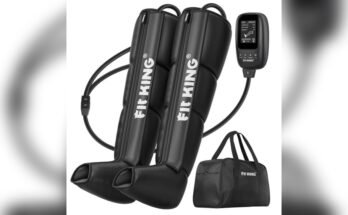
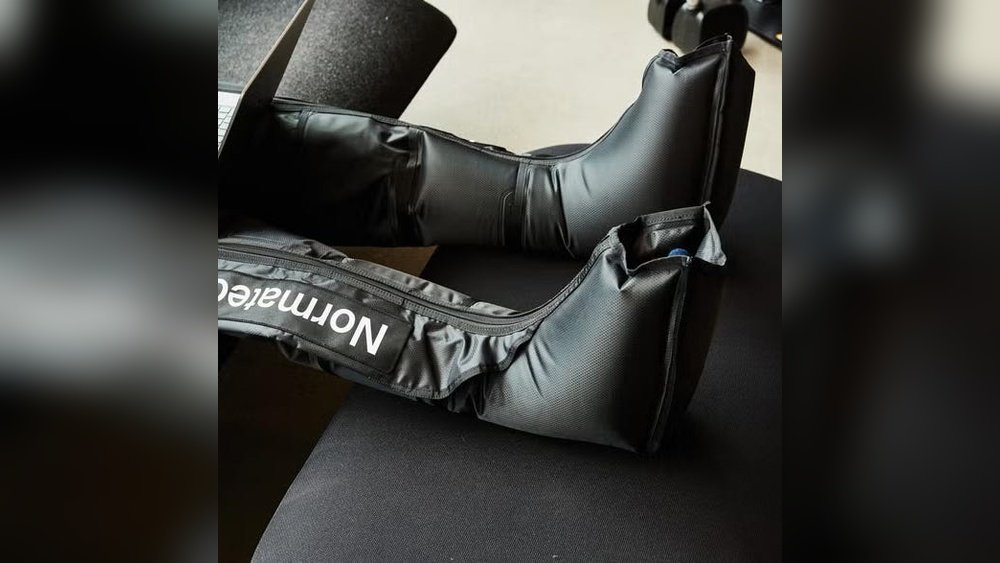
Recovery boots are inflatable sleeves that cover your feet, calves, and sometimes your thighs. They use air pressure to squeeze and release different parts of your legs. This process is called dynamic compression or pneumatic compression therapy. Unlike simple compression socks, recovery boots use a pump to change the pressure and move it up and down your legs in cycles.
Some brands let you control the pressure, speed, and sequence, while others offer preset programs. Sessions usually last 15 to 30 minutes, and you can use them while sitting or lying down. Most recovery boots are portable, but some need to be plugged in.
How Do Recovery Boots Work?
Recovery boots work by applying controlled pressure to your legs in a wave-like motion. This mimics the way your muscles squeeze your veins and lymphatic vessels during exercise. The main goals are:
- Increase blood flow: By squeezing and releasing, the boots help push blood back toward the heart. This can bring more oxygen and nutrients to your tired muscles.
- Reduce swelling and fluid buildup: The pressure can help move extra fluid (like lymph) out of your legs, which may reduce swelling after long runs.
- Speed up waste removal: Hard exercise creates waste products like lactate and other metabolites. Recovery boots may help your body clear these faster.
These effects can lead to less muscle soreness, faster recovery, and sometimes even better performance in the next workout.
The Science Behind Recovery Boots
Many runners want to know if the hype is backed by research. The answer is: partly yes, partly no. Let’s look at what studies have found.
What Research Says
- A study in the Journal of Strength and Conditioning Research found that pneumatic compression after a tough workout reduced muscle tenderness and swelling compared to rest alone.
- Another study published in Frontiers in Physiology showed that athletes using recovery boots had less perceived muscle soreness and felt more ready for their next session.
- However, a review in the Scandinavian Journal of Medicine & Science in Sports concluded that the effects are usually small and vary between people.
Key Points From Studies
- Recovery boots can help with subjective recovery (how you feel), even if the change in muscle damage markers is small.
- The benefit is often greater when you use them after intense or long workouts, especially back-to-back training days.
- Elite athletes may notice bigger differences because they train more often and need faster recovery.
What’s Still Unknown
- Long-term effects: Most studies last only a few weeks, so we don’t know if using recovery boots for months or years changes injury risk or running performance.
- Exact mechanisms: We know they improve blood flow, but how much this matters for muscle repair is still debated.
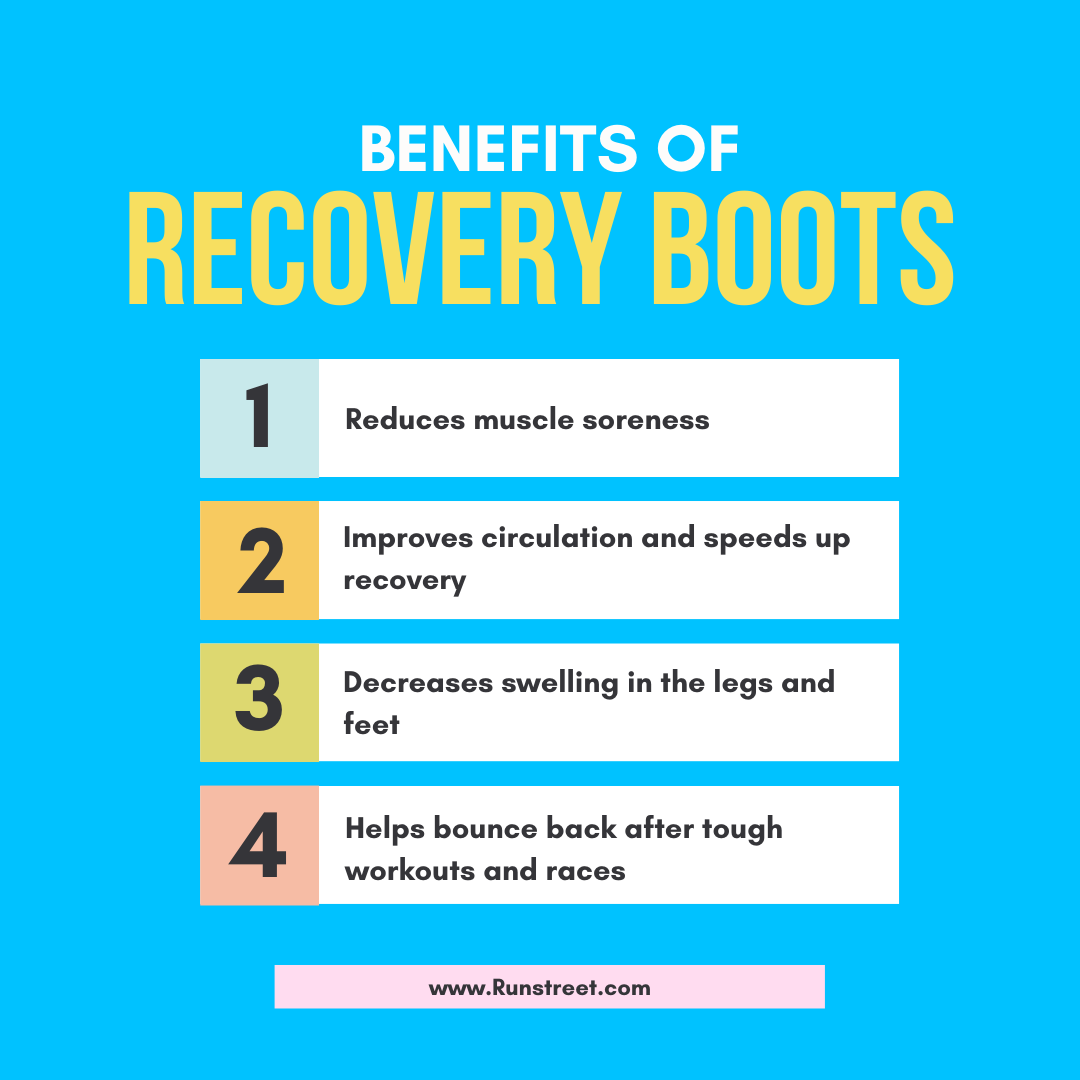
Benefits Of Recovery Boots For Runners
For many runners, recovery boots are attractive because they promise faster and easier recovery. But what are the real benefits?
1. Less Muscle Soreness
Many runners say their legs feel lighter and less sore after using recovery boots. Studies agree that delayed onset muscle soreness (DOMS) can be reduced, especially after hard sessions like intervals, long runs, or races. The boots do not completely remove soreness but can make the next day’s run feel easier.
2. Reduced Swelling And Inflammation
Long runs or races can lead to swelling in the feet, ankles, and calves. Recovery boots help move this extra fluid out of your legs. This is especially helpful for trail runners, marathoners, and ultrarunners who cover long distances and spend hours on their feet.
3. Faster Return To Training
If you have back-to-back workouts or races, recovery boots can help your legs feel ready sooner. Many runners use them between double sessions or multi-day races. The faster you recover, the less chance of overuse injuries.
4. Relaxation And Stress Relief
There’s a mental benefit, too. Sitting with recovery boots forces you to stop moving and relax. Many users say it’s a calming routine that helps reduce overall stress. This “forced downtime” can be as valuable as the physical benefits.
5. Convenience
You can use recovery boots at home, at work, or while traveling. Unlike ice baths or sports massages, you don’t need special facilities or appointments. For busy runners, this convenience means more consistent recovery.
6. May Reduce Injury Risk
By keeping swelling and muscle soreness down, recovery boots might help prevent some overuse injuries. They won’t fix bad training habits or poor form, but they can support a smart recovery plan.
7. Can Help Older Or High-volume Runners
Older runners and those with high weekly mileage often recover more slowly. Recovery boots may be more useful for these groups, helping them stay consistent without missing days due to soreness.
Drawbacks And Limitations
Recovery boots are not a miracle cure, and they are not always the right answer for every runner. Here’s what you should keep in mind.
1. High Cost
Quality recovery boots usually cost between $400 and $1200. This is a big investment compared to foam rollers, massage sticks, or compression socks. Not all runners will find the cost worth it.
2. Not A Replacement For Good Habits
No device can fix poor sleep, bad nutrition, or overtraining. Recovery boots are a tool, not a solution. If you skip stretching, eat poorly, or run too much, boots alone will not prevent injuries.
3. Mixed Results
Some runners notice big improvements, while others feel little or no difference. The effect can depend on your body, your training style, and how you use the boots.
4. Time Commitment
Sessions typically take 15–30 minutes. You need to sit still and relax, which is not always easy in a busy life.
5. Not For Everyone
People with certain medical conditions, such as deep vein thrombosis (DVT), severe varicose veins, or heart issues, should not use recovery boots without a doctor’s advice.
6. Possible Discomfort
Some users find the squeezing pressure uncomfortable, especially at higher settings. It may take a few sessions to find the right level for you.
How Recovery Boots Compare To Other Recovery Methods
Runners have used many recovery tools for years. How do recovery boots measure up to the classics?
Comparison: Recovery Methods
Below is a comparison of common recovery methods used by runners.
| Method | Cost | Time Needed | Effectiveness | Ease of Use |
|---|---|---|---|---|
| Recovery Boots | High | 15–30 min | Moderate to High | Easy |
| Foam Rolling | Low | 10–20 min | Moderate | Requires Effort |
| Massage | Medium to High | 30–60 min | High | Passive |
| Compression Socks | Low | All day | Low to Moderate | Easy |
| Ice Bath | Low | 10–15 min | Moderate | Uncomfortable |
Key Insights
- Recovery boots are more expensive but very easy to use and less painful than ice baths or foam rolling.
- Massage gives similar or better results but is more costly and needs a skilled therapist.
- Compression socks are cheaper but do not offer the same pressure or active movement.
- Recovery boots are best seen as a complement, not a replacement, for other recovery methods.
When Should Runners Use Recovery Boots?
There is no perfect answer for every runner, but some situations are better than others.
Best Times To Use Recovery Boots
- After long runs or races: Especially after marathons, half-marathons, or ultras, boots can help reduce swelling and soreness.
- Between tough workouts: If you have two hard sessions close together, use the boots to speed up leg recovery.
- Travel or long periods of sitting: After flights or car trips, boots can help move fluid out of your legs and prevent stiffness.
- During heavy training blocks: When you increase mileage or intensity, boots can help you adapt and recover faster.
When To Skip
- If you are injured, always check with a doctor before using any recovery device.
- Skip if you have circulation problems or a history of blood clots.
How To Choose Recovery Boots
With many brands and models, it’s important to pick the right pair for your needs and budget. Here are the main factors to consider.
Key Features To Compare
| Feature | Why It Matters | What to Look For |
|---|---|---|
| Pressure Range | Higher pressure may give deeper massage | Adjustable settings up to 100 mmHg or more |
| Number of Chambers | More chambers = smoother, more even pressure | At least 4–6 chambers |
| Portability | Important if you travel or race often | Battery-powered models |
| Ease of Cleaning | Prevents odors and bacteria | Removable liners or wipeable surfaces |
| Warranty & Support | Protects your investment | At least 1-year warranty |
Popular Brands
- NormaTec: One of the first and most popular brands. Trusted by many pro athletes.
- Rapid Reboot: Offers strong pressure and several sizes.
- Air Relax: More affordable but still effective.
- Therabody RecoveryAir: Simple controls and good reputation.
Common Buyer Mistakes
- Choosing the cheapest model: Very cheap boots often lack enough pressure or break easily.
- Ignoring fit: Boots that are too short or long won’t work well. Check sizing.
- Not considering noise: Some pumps are loud, which can be annoying.
- Skipping research: Read reviews and check for customer support in your country.
How To Use Recovery Boots For Best Results
To get the most from your recovery boots, follow these practical tips:
Step-by-step Instructions
- Read the manual: Each brand is different. Learn how to set up and adjust the boots safely.
- Wear comfortable clothes: Shorts or thin pants work best.
- Find a quiet spot: You’ll need to sit or lie down for 15–30 minutes.
- Start with low pressure: If you’re new, begin with the gentlest setting. Increase as you get used to the feeling.
- Choose the right program: Some boots have settings for “flush,” “massage,” or “recovery.” Pick the one that matches your needs.
- Relax and breathe deeply: Use the time to unwind, read, or listen to music.
- Stay hydrated: Compression moves fluid, so drink water before and after.
- Clean the boots: Wipe them down after each use to prevent odors.
How Often To Use
- After hard runs: 1–2 sessions on the same day and next morning
- During heavy training: Up to once per day if desired
- For general recovery: 2–3 times a week is enough for most runners
Common Mistakes To Avoid
- Using too much pressure right away: This can cause discomfort or even bruising.
- Skipping other recovery habits: Recovery boots are not a substitute for sleep, stretching, or good nutrition.
- Not listening to your body: If you feel pain or numbness, stop the session.
Advanced Tips
- Combine with foam rolling: Use boots after gentle foam rolling for a double effect.
- Use post-travel: Boots are great after flights or long drives to reduce swelling.
- Try while working: Some runners use boots while on Zoom calls or watching TV.
Who Should Not Use Recovery Boots?
While recovery boots are safe for most healthy runners, there are exceptions.
People Who Should Avoid
- People with blood clot history: If you have had DVT or similar conditions, compression can be risky.
- Those with severe circulation issues: Such as peripheral artery disease.
- Pregnant runners: Should check with a doctor first.
- Anyone with open wounds or skin infections on the legs: Compression can make these worse.
Always ask your doctor if you have any medical concerns before using recovery boots.
Real-world Experiences From Runners
Many runners share positive stories after using recovery boots, but not everyone has the same results.
Examples
- A marathoner said, “After using the boots post-race, my legs felt fresher than after previous marathons with no boots. I was able to run again two days later.”
- An ultrarunner reported less ankle swelling after back-to-back long training days.
- A middle-aged runner felt only a small difference, saying, “The boots helped me relax, but I recovered about the same as usual.”
Data From Running Communities
- In a survey of 500 runners, 67% said they felt “significantly better” after using recovery boots compared to rest alone.
- The most common benefits mentioned were less soreness, faster recovery, and reduced swelling.
Two Insights Beginners Miss
- You need consistent use for the best effect. One session after a marathon may help, but using the boots regularly—especially during heavy training—gives better results.
- Recovery boots are not magic. They work best when combined with other smart habits like sleep, hydration, and proper nutrition.

Are Recovery Boots Worth It For Runners?
If you run several times a week, train for races, or do high mileage, recovery boots can be a valuable tool. They speed up recovery, reduce soreness, and make it easier to stick to your training plan. For busy runners, the convenience is a big plus.
However, they are expensive and not a replacement for good habits.
If you are a beginner or only run a few times a week, you may see less value. For these runners, cheaper methods like foam rolling, stretching, and basic massage work well.
The bottom line: Recovery boots are good for runners who want to improve recovery and can afford the cost. They are not necessary for everyone, but they can make a difference for serious or high-mileage athletes.
If you want to see more research, check the National Institutes of Health for studies on pneumatic compression and athletic recovery.
Frequently Asked Questions
What Are The Main Benefits Of Recovery Boots For Runners?
The main benefits are less muscle soreness, reduced swelling, and faster recovery after hard runs or races. Many runners also feel more relaxed and ready for their next workout.
How Often Should I Use Recovery Boots?
Most runners use recovery boots 2–3 times per week during hard training, and after races or long runs. Some use them daily during heavy training blocks. The key is consistency over time.
Are Recovery Boots Better Than Foam Rolling Or Massage?
Recovery boots are easier to use and less painful than foam rolling, but professional massage often gives stronger results. Many runners combine boots with foam rolling or stretching for best effect.
Can Beginners Benefit From Recovery Boots?
Beginners can benefit, but the effect is usually smaller. If you run less than 20 miles per week, cheaper recovery options may be enough. Boots help more as your training gets harder.
Are There Any Risks To Using Recovery Boots?
For most healthy runners, the risks are low. However, people with blood clots, severe circulation problems, or open leg wounds should not use recovery boots without medical advice.
Recovery boots are a powerful tool for runners who want to recover faster, stay healthy, and perform their best. Used with other smart habits, they can help you train harder and avoid injuries. If you decide to try them, start slow, listen to your body, and enjoy the feeling of truly refreshed legs.