Many athletes and fitness enthusiasts look for ways to recover faster after intense exercise. You may have seen or heard about recovery boots, those large, futuristic-looking sleeves that cover your legs and inflate with air. They claim to reduce muscle soreness, speed up recovery, and help you perform better in your next workout. But are recovery boots really worth the investment? Let’s dive deep into the facts, science, and real-world experiences to help you decide.
What Are Recovery Boots?
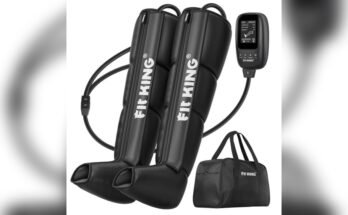
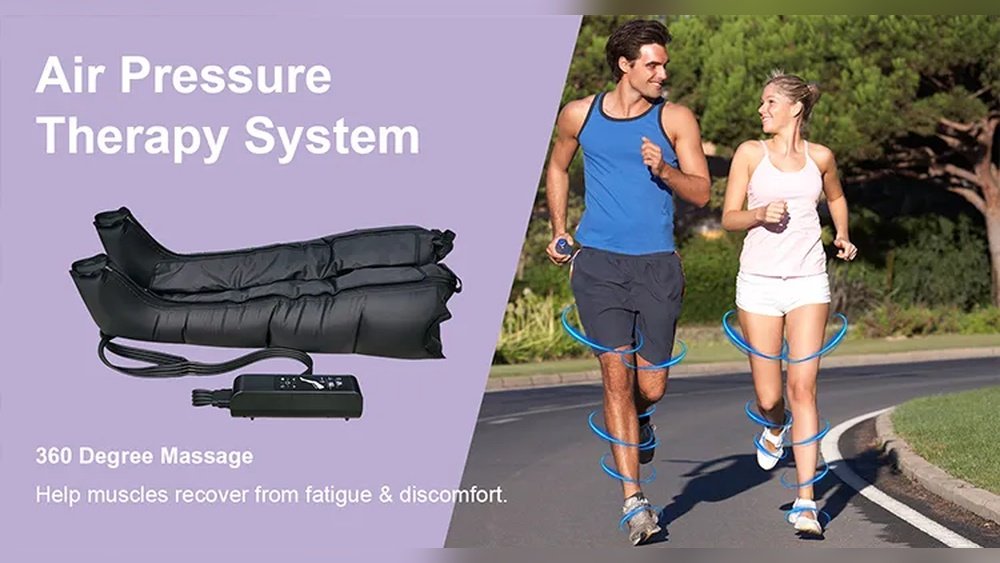
Recovery boots are a type of compression therapy device. They look like long boots or leg sleeves that you zip around your legs. A small machine pumps air into different chambers inside the boots. This creates a squeezing pressure that moves from your feet up to your thighs, then releases and repeats.
The main idea behind recovery boots is to mimic the effects of a sports massage. They use a technique called intermittent pneumatic compression (IPC). This means they squeeze and release your muscles in cycles. Many brands sell these boots, including Normatec, Rapid Reboot, and Air Relax.
How Do Recovery Boots Work?
When you finish a hard workout, your muscles often feel tired or even sore. This happens because of tiny tears in the muscle fibers, fluid buildup, and waste products like lactic acid. Your body needs to clear out this waste and bring in fresh blood with nutrients to repair your muscles.
Recovery boots try to speed up this process by:
- Improving blood flow: The squeezing and releasing action helps push blood back toward your heart and brings in fresh blood.
- Reducing swelling: The pressure can help remove extra fluid that collects in your legs after exercise.
- Clearing waste: The boots may help your body remove substances like lactic acid that build up during exercise.
The process is similar to what happens during a professional massage, but it’s automatic and hands-free.

Claimed Benefits Of Recovery Boots
Manufacturers and some athletes claim that recovery boots offer several benefits. Here are the most common ones:
- Faster recovery between workouts
- Reduced muscle soreness
- Less swelling or heaviness in legs
- Better blood circulation
- Enhanced athletic performance
- More flexibility for home use
- Time-efficient compared to manual massage
But are these benefits real, and do they justify the price?
What Does Science Say About Recovery Boots?
Research on recovery boots is still developing, but several studies have looked at their effects.
- A study published in the Journal of Strength and Conditioning Research found that athletes who used pneumatic compression after exercise had less muscle sorenessand recovered strength faster** than those who did not.
- Another study in Frontiers in Physiology showed that recovery boots helped reduce muscle fatigueand improved flexibility** after running.
- However, the results are not always dramatic. Some studies found only small improvements, and others found no significant effect compared to rest or light activity.
It’s important to understand that most studies are done on trained athletes, not beginners or average gym-goers. Effects may be different for people who exercise less often.

Who Uses Recovery Boots?
Recovery boots are popular among:
- Professional athletes (runners, cyclists, footballers)
- Fitness coaches and trainers
- Sports teams (NBA, NFL, Premier League)
- Amateur athletes who train hard or compete
Some physical therapists and rehab clinics use these boots for people with injuries, swelling, or circulation problems.
Do You Really Need Recovery Boots?
Here’s where things get practical. Before you buy recovery boots, ask yourself:
- How often do you train? If you work out 1–2 times a week at moderate intensity, your body probably recovers fine with rest, sleep, and good nutrition.
- Do you compete or train daily? If you have back-to-back games, races, or long training sessions, recovery boots may give you an edge.
- Do you often feel heavy, swollen, or sore legs? If yes, boots might help speed up your recovery.
- Do you already use other recovery tools? Foam rollers, massages, ice baths, and stretching are also effective for many people.
Comparing Recovery Boots To Other Recovery Methods
Let’s look at how recovery boots stack up against other common recovery tools.
| Method | Time Needed | Cost | Effectiveness | Home Use |
|---|---|---|---|---|
| Recovery Boots | 20-40 min | High ($500-$1500+) | Moderate to High | Yes |
| Foam Rolling | 10-20 min | Low ($10-$40) | Moderate | Yes |
| Massage | 30-60 min | High ($50-$100/session) | High | No |
| Ice Bath | 10-15 min | Low | Low to Moderate | Yes |
As you can see, recovery boots are one of the most expensive options. They may not be necessary if you have access to good massage therapy or if foam rolling works well for you.
Key Features To Look For In Recovery Boots
If you’re considering buying recovery boots, here are some important features to check before you decide:
- Number of compression zones: More zones (like 4–8) give smoother, more targeted pressure.
- Adjustable pressure levels: Lets you choose how strong or gentle the compression feels.
- Ease of use: How easy is it to put on, take off, and operate?
- Portability: Battery-powered models are easier to travel with.
- Warranty and support: Good customer service can help if something breaks.
- Size options: Make sure the boots fit your legs properly.

Who Might Not Benefit From Recovery Boots?
Recovery boots are not for everyone. Some people should avoid them, including:
- People with blood clots (deep vein thrombosis): Compression can be dangerous in these cases.
- Those with nerve damage or poor sensation in the legs
- People with severe varicose veins or open wounds
- Anyone with heart or circulation problems (unless approved by a doctor)
If you have any health concerns, check with a medical professional before using recovery boots.
Real-world Experiences: What Users Say
User reviews often highlight a few key points:
- Many athletes say they feel less sore and more energized after using the boots.
- Some mention that it becomes a relaxing routine after hard workouts.
- Others find the boots bulky or complain about the noise from the air pump.
- The high price is the most common negative, especially if you don’t use them often.
One non-obvious insight is that some users reported sleeping better after using recovery boots in the evening. This may be because the boots help relax the body and reduce discomfort from sore legs.
Are There Cheaper Alternatives?
If you’re not ready to spend $500 or more, there are a few alternatives:
- Foam rollers and massage sticks: Good for muscle soreness and cost much less.
- Compression socks: Provide light, all-day pressure; not as strong as boots but help with swelling.
- Massage guns: Target specific muscle areas with vibration.
- Active recovery: Gentle walking, cycling, or swimming helps your body recover naturally.
These methods may not give the same “full leg” squeeze as recovery boots, but they can be effective for many people.
The Science Of Compression: How Much Does It Help?
Compression therapy is not new. It’s been used in medicine for decades to help prevent blood clots and swelling, especially in hospital patients.
With athletes, the main benefits come from:
- Increased venous return: Blood moves more quickly from the legs back to the heart.
- Lymphatic drainage: Fluid and waste are pushed out of the muscles.
- Reduced inflammation: Compression may help limit swelling after exercise.
However, the effects are usually short-term. Recovery boots won’t “heal” injuries or make you immune to soreness. They work best as part of a total recovery plan, including rest, hydration, and nutrition.
Are Recovery Boots Worth The Money?
Now for the big question: are recovery boots actually worth it? The answer depends on your needs and budget.
When Recovery Boots Are Worth It
- You are a serious athlete or train at a high level.
- You have frequent heavy leg workouts or races.
- You need to recover quickly between events.
- You value the convenience of at-home recovery.
- You can afford the cost without financial stress.
When Recovery Boots Are Not Worth It
- You exercise for general fitness or fun.
- Your recovery is good with rest, stretching, and sleep.
- You don’t often feel sore or swollen after workouts.
- You have a tight budget or rarely use recovery tools.
If you fall into the first group, recovery boots can be a smart investment in your performance and comfort. For others, cheaper methods may be enough.
Comparing Top Recovery Boot Brands
Here’s a quick look at some leading brands and their differences.
| Brand | Price Range | Compression Levels | Special Features |
|---|---|---|---|
| Normatec | $900-$1,200 | 7 | Bluetooth, mobile app, multiple boot sizes |
| Rapid Reboot | $800-$1,100 | 10 | Customizable zones, travel case |
| Air Relax | $400-$700 | 4 | Simple controls, budget-friendly |
| Therabody RecoveryAir | $700-$1,000 | 4-8 | Easy setup, portable battery |
Normatec is often seen as the “gold standard,” but Air Relax and others offer good value for less money. Most brands offer similar basic features; the main differences are in pressure range, number of zones, and smart features like mobile apps.
Common Mistakes When Using Recovery Boots
- Using too high pressure: Some think stronger is better. In reality, too much pressure can cause discomfort or even bruising. Start low and increase slowly.
- Using while dehydrated: Compression moves fluids in your body. Drink water before and after sessions.
- Skipping other recovery steps: Boots are not a magic fix. Sleep, nutrition, and gentle movement are still essential.
- Ignoring pain: If you feel tingling, numbness, or pain, stop using the boots and check for fit or medical issues.
- Not cleaning the boots: Sweat and dirt can build up. Wipe them down after each use.
What Beginners Often Miss About Recovery Boots
- Consistency matters: Using the boots once in a while won’t give big results. Most benefits come from regular use after hard workouts.
- Positioning is important: Keep your legs at or just above heart level for better drainage.
- Boots don’t fix poor training habits: If you overtrain or skip rest days, no tool will save you from injury.
Combining Recovery Boots With Other Strategies
Recovery boots work best as part of a complete plan:
- Hydration: Drink enough fluids to help your body flush out waste.
- Nutrition: Eat protein and carbs to support muscle repair.
- Sleep: Quality sleep is the most powerful recovery tool.
- Active recovery: Gentle movement helps blood flow.
- Stretching: Keeps your muscles flexible and reduces tightness.
No single tool can replace the basics of good recovery.
What To Expect When You Start Using Recovery Boots
The first few sessions may feel strange—like a strong, slow massage. Most people start with 15–20 minutes, then increase to 30–45 minutes as they get used to the sensation.
After the session, you may notice:
- Legs feel lighter or less tired
- Reduced swelling, especially after long runs or bike rides
- Slight tingling as blood flow returns
Some people need several sessions before they notice real differences. If you don’t feel any benefit after 2–3 weeks, recovery boots might not be the best tool for you.
Practical Tips For Best Results
- Use after your hardest workouts or competitions
- Try different pressure levels to find your comfort zone
- Keep your legs clean and dry before using
- Store boots in a cool, dry place to prevent damage
- Track how you feel before and after use to measure results
Recovery Boots For Non-athletes
You don’t have to be a pro athlete to use recovery boots. People who stand all day, travel a lot, or have mild swelling can also benefit. However, for general health, cheaper methods like compression socks or light stretching may be enough.
Environmental And Maintenance Considerations
- Power use: Most boots need electricity or batteries. Consider the environmental impact and power cost.
- Durability: Quality boots can last for years, but cheap models may break down or lose pressure.
- Cleaning: Wipe the inside after each use. Some brands offer washable liners.
The Bottom Line: Are Recovery Boots Worth It?
Recovery boots offer real benefits for some people, especially those who train hard and need fast recovery. They are a luxury tool, not a necessity. If you have the budget and want to optimize your recovery, they can be a good investment. For most casual exercisers, there are cheaper ways to recover well.
If you’re curious about the science or want more information, you can read more on the Compression Therapy Wikipedia page.
Frequently Asked Questions
How Often Should You Use Recovery Boots?
Most experts suggest using recovery boots 2–5 times per week, especially after intense workouts. Some athletes use them daily. The key is regular use, not just once in a while.
Are Recovery Boots Safe For Everyone?
No, they are not safe for people with blood clots, nerve damage, open wounds, or severe heart issues. Always check with your doctor if you have any health concerns before using recovery boots.
Can Recovery Boots Replace Traditional Massage?
While boots offer some of the same benefits as a massage, like improving blood flow and reducing soreness, they do not replace the personalized touch of a skilled massage therapist. They can, however, be a convenient option at home.
How Long Does A Session With Recovery Boots Take?
A typical session lasts 20–45 minutes. You can adjust the time based on your comfort and how your body feels. Shorter sessions may be enough for light workouts; longer for intense training.
Do Recovery Boots Help With Injuries?
They may help reduce swelling and discomfort in some cases, but they are not a treatment for serious injuries. Always get medical advice before using them for injury recovery.
Choosing the right recovery tools can make a difference in how you feel and perform. Consider your needs, budget, and routine to decide if recovery boots are the right choice for you.