Are you thinking about getting a walking pad but worried it might be too noisy? You want to stay active without disturbing your family or neighbors.
Noise can be a big deal, especially if you live in an apartment or work from home. You’ll discover what makes walking pads noisy or quiet, and how to choose one that fits your lifestyle. By the end, you’ll know exactly what to expect—and whether a walking pad is the right fit for your space.
Keep reading to find out!

Sources Of Walking Pad Noise
Walking pads offer a quiet way to stay active indoors. But some noise is normal during use. Understanding where the sounds come from helps you know what to expect.
Noise from walking pads mainly comes from three parts. Each part creates different sounds. These sounds vary by model and use.
Motor Sound
The motor powers the walking pad belt. It creates a low humming or buzzing sound. Quiet motors reduce this noise a lot. Higher speeds can make the motor louder.
Belt Movement
The belt slides over rollers and the deck. This movement causes a soft rubbing or whooshing noise. Proper belt tension and lubrication keep noise low. Worn belts may sound rough or squeaky.
Surface Impact
Each step hits the walking pad surface. This impact makes a tapping or thumping sound. Softer decks absorb shock and reduce noise. Hard floors can increase impact sounds during use.

Factors Influencing Noise Levels
Noise levels in walking pads vary for several reasons. Understanding these factors helps you choose a quieter model. Noise depends on design, use, and who uses the device.
Build Quality
Strong materials reduce vibrations and noise. High-quality motors run smoother and quieter. Cheap parts often cause rattling sounds. Good padding under the belt lowers noise on hard floors.
Speed Settings
Higher speeds usually create more noise. At slow speeds, the motor works gently and quietly. Fast walking or jogging increases belt friction and sound. Moderate speed keeps noise levels low and steady.
User Weight
Heavier users put more pressure on the walking pad. This pressure can increase noise from the belt and motor. Lighter users generate less noise while walking. Weight limits on the product help control noise and wear.
Comparing Walking Pads To Traditional Treadmills
Walking pads and traditional treadmills serve the same purpose: helping people exercise indoors. Both machines let you walk or run without going outside. Yet, they differ in many ways, especially in noise and design. Understanding these differences helps pick the right option for your home or office.
Noise Differences
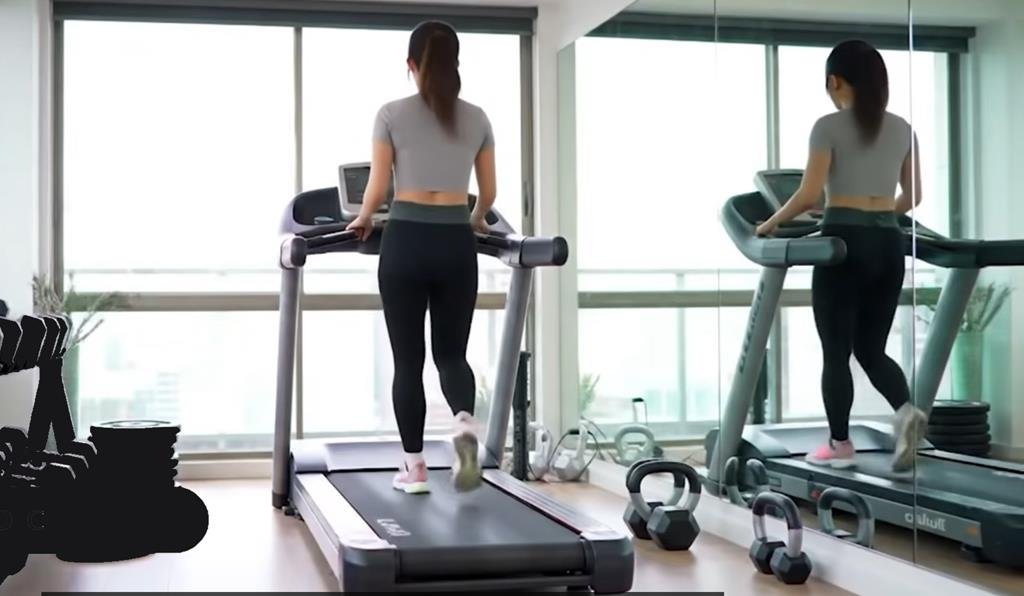
Walking pads usually produce less noise than traditional treadmills. Their motors are smaller and quieter. The belt moves slower, which reduces sound. Traditional treadmills have bigger motors. They can be loud, especially at high speeds. Noise can disturb others in small spaces. Walking pads fit better in quiet rooms or apartments.
Design Variations
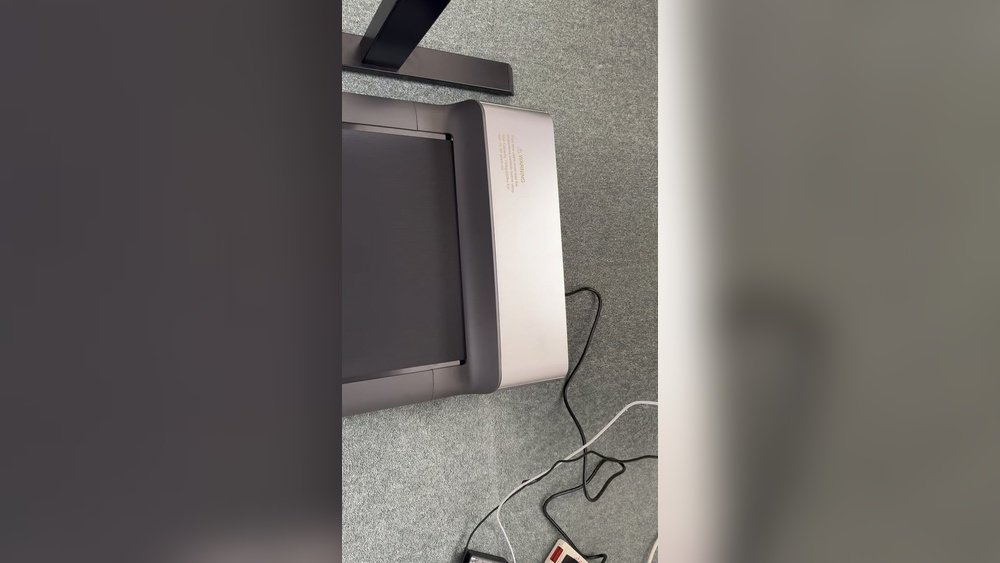
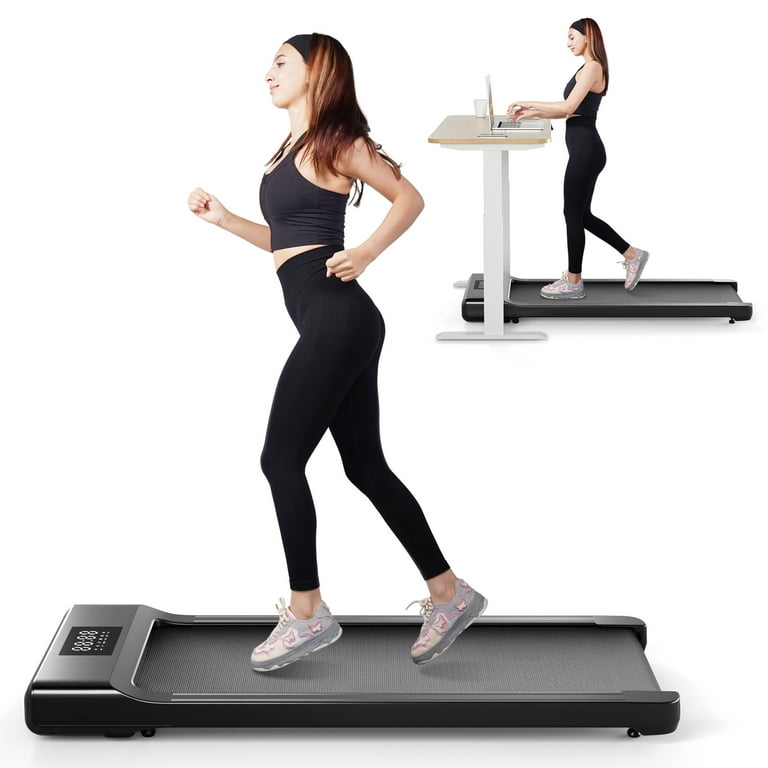
Walking pads are compact and lightweight. They often fold for easy storage. Their simple design focuses on walking, not running. Traditional treadmills are larger and heavier. They come with more features like speed controls and incline. These machines need more space in a room. Walking pads fit under desks or in tight spots. Design affects noise and where you can use each machine.
Tips To Reduce Walking Pad Noise
Walking pads can sometimes create noise during use. This noise can bother others nearby or distract you. Reducing walking pad noise helps create a calm environment. Simple tips make a big difference in noise levels.
Placement Choices
Choose a flat, stable surface for your walking pad. Avoid placing it on wooden floors that can amplify noise. Use a carpet or rug underneath to absorb sound. Place the walking pad away from walls to reduce vibration. A quiet corner helps keep noise low.
Maintenance Practices
Regularly clean the walking pad to avoid dust buildup. Dust can cause friction and increase noise. Check the belt for wear and tear. Replace or tighten loose parts to reduce rattling sounds. Lubricate moving parts according to the manual. Well-maintained pads run much quieter.
Use Of Noise Dampeners
Noise dampeners help absorb vibrations and sound. Use rubber mats or foam pads under the walking pad. These materials reduce impact noise and vibrations. Soft pads also protect the floor from damage. Small changes like these greatly lower walking pad noise.
User Experiences And Reviews
User experiences and reviews reveal real insights into walking pad noise levels. Many users share honest opinions about how loud these devices can be. These firsthand accounts help potential buyers understand what to expect.
Some users focus on noise issues that affect their daily use. Others highlight the quiet operation and comfort of walking pads. Both sides provide a balanced view of the product’s sound performance.
Common Complaints
Several users report a humming or buzzing sound during use. This noise can be distracting in quiet rooms or offices. Some mention that the motor noise increases at higher speeds. A few users find the walking pad noisy on hard floors. Vibrations sometimes cause additional sounds. Noise from the belt can also be a problem for some. These issues may vary by model and brand.
Positive Feedback
Many users say walking pads run quietly on low speeds. They appreciate the smooth and soft walking experience. Some mention the noise is barely noticeable in normal rooms. Others find the sound level acceptable for home use. Users praise models with good noise insulation and stable design. Quiet operation helps maintain focus or relax while walking. Positive reviews often highlight the low vibration and sound quality.
Frequently Asked Questions
Are Walking Pads Quieter Than Traditional Treadmills?
Walking pads are generally quieter due to their compact design and smaller motors. They produce less noise, making them ideal for home use, especially in apartments or shared spaces.
What Causes Noise In Walking Pads?
Noise usually comes from the motor, belt friction, and the walking surface. Proper maintenance and lubrication can reduce these sounds significantly.
Can Walking Pads Disturb Neighbors Or Family?
Most walking pads emit minimal noise, unlikely to disturb others. However, placing them on soft flooring or using mats can further reduce sound.
How To Reduce Noise From A Walking Pad?
Use anti-vibration mats and ensure proper lubrication. Regular maintenance and placing the pad on a flat surface also help minimize noise.
Conclusion
Walking pads usually make little noise during use. Most models have quiet motors and soft belts. Some sounds may come from footsteps or floor type. Placing pads on rugs can reduce noise further. Choosing a quality walking pad helps keep noise low.
They work well in small spaces without disturbing others. Noise levels vary, but many users find them peaceful. Consider your needs and environment before buying one. Quiet walking pads offer a good way to stay active indoors.