Thinking about camping but never tried it before? You’re not alone.
The idea of sleeping under the stars can feel exciting and a bit overwhelming at the same time. What should you pack? How do you stay safe? Will you be comfortable? This guide is made just for you. By the time you finish reading, you’ll have simple, clear tips that make your first camping trip easy and fun.
Ready to discover how to turn your camping doubts into confidence? Let’s dive in.
Choosing The Right Campsite
Choosing the right campsite is key to a great first camping trip. The right spot makes camping fun and comfortable. It sets the mood for your outdoor adventure. Knowing what to expect helps you pick a good site.
Types Of Campsites
There are several types of campsites to choose from. Some are in forests, others near lakes or mountains. Some sites have full facilities like toilets and showers. Others are more basic and quiet. Choose a site that fits your comfort level and plans.
Factors To Consider
Think about safety, access to water, and shade. Check the weather and terrain of the site. Look for flat ground to set up your tent. Consider how close you want to be to other campers. Noise levels and wildlife activity also matter.
Booking In Advance
Popular campsites fill up fast, especially in peak seasons. Booking early secures your spot and avoids last-minute stress. Many parks offer online reservations. Booking ahead lets you plan your trip with peace of mind.
Essential Camping Gear
Camping requires some basic gear to make your trip safe and fun. Choosing the right equipment helps you stay comfortable outdoors. It also keeps you prepared for weather changes and other challenges. Here are key items to pack for your first camping adventure.
Tent Selection
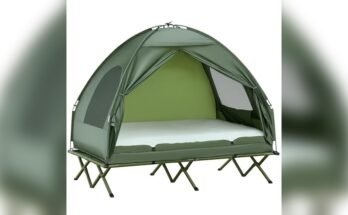
Pick a tent that fits the number of campers. Look for easy setup tents to save time. Check for waterproof material to stay dry in rain. Ventilation matters to avoid stuffy air inside. A tent with a rainfly and sturdy poles works best.
Sleeping Bags And Pads
Choose a sleeping bag suitable for the season and temperature. Synthetic bags dry faster if they get wet. Use a sleeping pad for extra comfort and insulation. Pads protect you from cold ground and add softness. Together, they help you sleep well outdoors.
Cooking Equipment
Bring a portable stove or small grill for cooking meals. Pack lightweight pots, pans, and utensils. Don’t forget fuel or matches to start your fire. A cooler keeps food fresh and safe from animals. Simple gear makes cooking easy during camping.
Clothing And Footwear
Wear layers to adjust to changing weather outside. Choose moisture-wicking fabrics to stay dry and warm. Pack a waterproof jacket and sturdy shoes for hiking. Avoid cotton as it stays wet and cold. Good clothes and shoes protect you and boost comfort.
Packing Smart
Packing smart makes camping easier and more fun. It helps you carry only what you need. This way, you avoid heavy bags and missing essentials. Planning your packing carefully can save time and stress at the campsite.
Creating A Checklist
Start by writing a list of all items you need. Include clothes, food, and camping gear. Check the weather and camp location to add specific items. Use the list to pack step by step. This stops you from forgetting important things.
Packing Tips
Roll clothes to save space and reduce wrinkles. Use small bags to keep items organized. Pack heavier items at the bottom of your bag. Keep daily essentials in easy-to-reach places. Avoid packing items you won’t use during your trip.
Weight Management
Choose lightweight gear to reduce your pack weight. Carry multipurpose items to save space and weight. Balance your bag so it feels comfortable on your back. Avoid packing too much food; plan meals carefully. Remember, a lighter pack makes hiking and camping easier.
Setting Up Camp
Setting up camp is the first step to a great outdoor adventure. It helps you feel comfortable and safe. A well-set camp makes your trip more fun and less stressful. Follow simple steps to make your campsite cozy and organized.
Choosing A Spot
Pick a flat area to set your tent. Avoid places near water that might flood. Look for spots with some shade to stay cool. Check the ground for rocks and sticks. Clear the area before pitching your tent to stay comfortable.
Pitching Your Tent
Lay your tent flat on the ground. Follow the instructions to assemble poles and secure them. Use stakes to anchor your tent firmly. Tighten all ropes to keep the tent stable. Make sure the door faces away from wind.
Organizing Your Space
Keep your gear in one place to avoid losing items. Use containers or bags for food and supplies. Store food away from your sleeping area to keep animals away. Create a small cooking spot outside the tent. Keep pathways clear for easy movement.
Campfire Basics
Campfire basics are essential for first-time campers. A campfire brings warmth, light, and a place to cook food. It also creates a cozy atmosphere for stories and songs. Knowing how to handle a campfire safely makes camping more fun and worry-free.
Safety First
Always choose a safe spot for your fire. Use a fire ring or a cleared area free of dry leaves and grass. Keep water or sand nearby to put out the fire quickly. Never leave your fire unattended. Watch children and pets closely around the fire.
Building A Fire
Start with small sticks and dry leaves as kindling. Arrange them in a teepee shape for good airflow. Add larger sticks and logs slowly. Light the kindling with a match or lighter. Blow gently at the base to help the fire grow.
Extinguishing Properly
Pour water over the fire slowly. Stir the ashes with a stick to cool all embers. Add more water and stir again. Make sure no heat or smoke remains. Your fire site should feel cool to touch before leaving.
Food And Water Tips
Food and water are the most important parts of any camping trip. Planning meals and keeping food safe make your experience better. Clean water keeps you healthy and strong. This section shares easy tips on meals, food storage, and water safety.
Meal Planning
Choose simple meals with few ingredients. Pick foods that do not spoil quickly. Think about snacks like nuts and dried fruit. Plan easy breakfast, lunch, and dinner options. Bring a small stove or grill for cooking. Prepare some meals ahead of time to save time at camp.
Food Storage
Store food in airtight containers to keep animals away. Use coolers with ice packs to keep food fresh. Keep raw meat separate from other foods. Store food inside your tent only if it is sealed well. Hang food bags from a tree if bears are in the area. Clean up crumbs and trash to avoid pests.
Water Sources And Purification
Carry enough water for your trip. Use water bottles or large jugs for storage. Find water from streams or lakes if needed. Always purify water before drinking. Use water filters, purification tablets, or boil water. Avoid drinking untreated water to prevent illness. Check local rules about water safety.
Staying Safe Outdoors
Spending time outdoors is exciting but comes with risks. Staying safe is key to enjoying your camping trip. Prepare well to avoid problems and handle surprises with confidence.
Wildlife Awareness
Animals live in the wild, and some can be dangerous. Keep a safe distance from all wildlife. Do not feed or try to touch them. Store food securely to avoid attracting animals near your tent. Make noise while walking to alert animals of your presence. Learn about local wildlife before your trip to know what to expect.
Weather Preparedness
Weather can change fast outdoors. Check the weather forecast before you leave. Pack clothes for rain, cold, and heat. Bring a waterproof jacket and sturdy shoes. Set up your tent in a safe spot, away from flood areas. Have a plan to find shelter quickly if the weather turns bad.
First Aid Essentials
Accidents can happen anytime. Carry a small first aid kit with bandages, antiseptic wipes, and pain relievers. Know basic first aid skills like cleaning wounds and treating insect bites. Keep your kit accessible at all times. Learn how to use the items before you camp. This helps you act fast in an emergency.
Enjoying Nature Respectfully
Camping offers a chance to enjoy the outdoors and connect with nature. Respecting nature keeps the environment clean and safe for everyone. Learning how to enjoy nature respectfully makes camping more rewarding.
Leave No Trace Principles
Leave No Trace means leaving the area as you found it. Pack out all trash and leftover food. Avoid damaging plants and trees. Use established trails and campsites to protect nature. These simple steps keep the environment healthy for others.
Respecting Wildlife
Wildlife is part of the natural experience. Observe animals from a distance without disturbing them. Never feed wild animals; it harms their health. Keep food stored safely to avoid attracting wildlife to your camp. Respect their space to stay safe and protect animals.
Minimizing Impact
Use a camp stove instead of making a fire. If fires are allowed, keep them small and controlled. Stay on marked paths to avoid soil erosion. Use biodegradable soap and wash dishes away from water sources. Small actions help keep nature beautiful and healthy.
Common Mistakes To Avoid
Starting camping can feel exciting but tricky. Many new campers make simple mistakes. These errors can ruin the fun or cause stress. Knowing what to avoid helps you enjoy your trip more. Here are common mistakes beginners often make.
Overpacking
Taking too much stuff is common. It makes your bag heavy and hard to carry. Carry only what you really need. Think about clothes, food, and gear carefully. Leave extra items at home. A light pack means easier walking and less tiredness.
Ignoring Weather
Weather changes fast outdoors. Not checking the forecast can cause problems. Rain or cold can spoil your trip. Bring clothes for all kinds of weather. A rain jacket and warm layers are good choices. Prepare well to stay comfortable and safe.
Poor Tent Setup
Setting up the tent wrong wastes time and energy. Practice pitching your tent at home first. Find flat ground without rocks or sticks. Secure the tent tightly with stakes. A well-set tent protects you from wind and rain. It makes your sleep much better.
Frequently Asked Questions
What Essential Gear Do Beginners Need For Camping?
Beginners need a tent, sleeping bag, flashlight, and sturdy shoes. Also pack a first-aid kit, water, and food. These essentials ensure safety and comfort during your first camping experience. Start simple and add more gear as you gain experience.
How Can I Choose A Safe Camping Spot?
Pick a flat area away from hazards like cliffs or water edges. Check for insect activity and avoid low spots that may flood. Use designated campsites when possible for added safety and amenities. Always inform someone about your camping location.
What Food Is Best For First-time Campers?
Choose non-perishable, easy-to-cook foods like canned beans, nuts, and dried fruits. Instant meals and energy bars are convenient. Avoid foods needing refrigeration. Plan simple meals to reduce prep time and waste, making your camping experience more enjoyable.
How Do I Stay Warm During My First Camping Trip?
Layer your clothing to trap heat and stay dry. Use a quality sleeping bag rated for the temperature. Avoid cotton, as it retains moisture and chills. Keep moving to maintain body warmth and use a camping stove safely for heat.
Conclusion
Camping can be fun and easy with the right tips. Start small and choose a safe spot. Pack only what you truly need. Stay organized to keep stress away. Remember to respect nature and clean up. Enjoy the fresh air and quiet nights.
Each trip will help you learn more. Soon, camping will feel like a natural choice. Try it once, and you might want to go again. Simple steps make your first camping trip great.