Can Ice Bath Tubs Be Used Daily?
The popularity of ice bath tubs has exploded in recent years. Athletes, fitness lovers, and even office workers are curious about the benefits of cold water immersion. Many people ask: Can ice bath tubs be used every day? Is it safe, effective, and truly helpful, or could it cause problems if done too often?
This article will give you a clear, full answer to these questions. You’ll discover what happens when you use an ice bath tub daily, who should consider daily use, important safety tips, and what science says about the practice. We’ll also compare ice baths to other recovery methods, and answer the most common questions about this trend.
By the end, you’ll know if daily ice baths are right for you, and how to do them safely.
What Are Ice Bath Tubs?
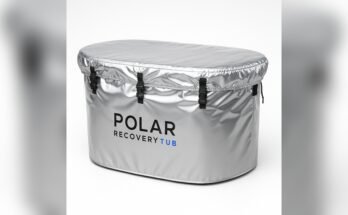
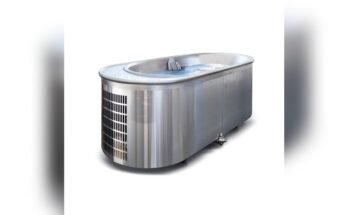
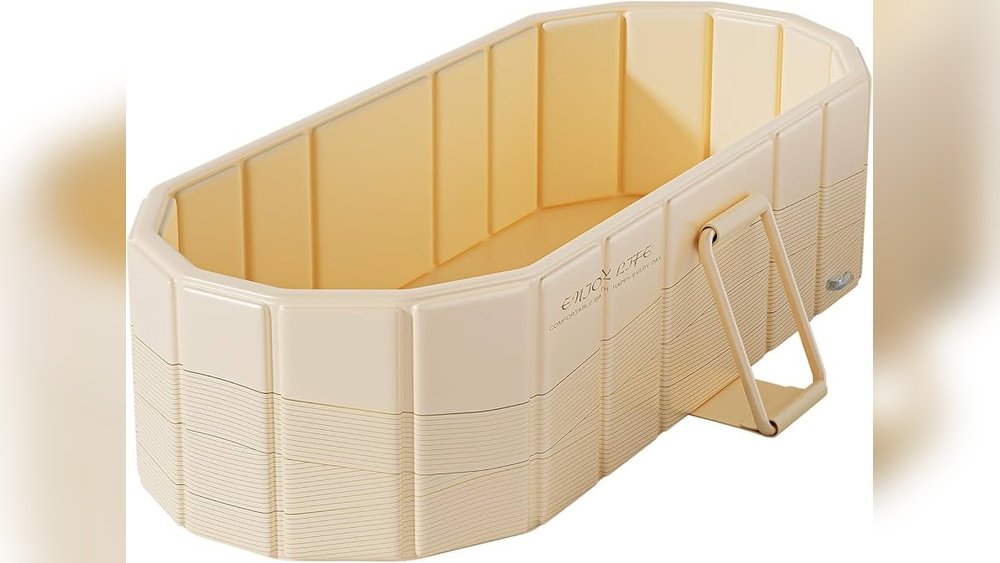
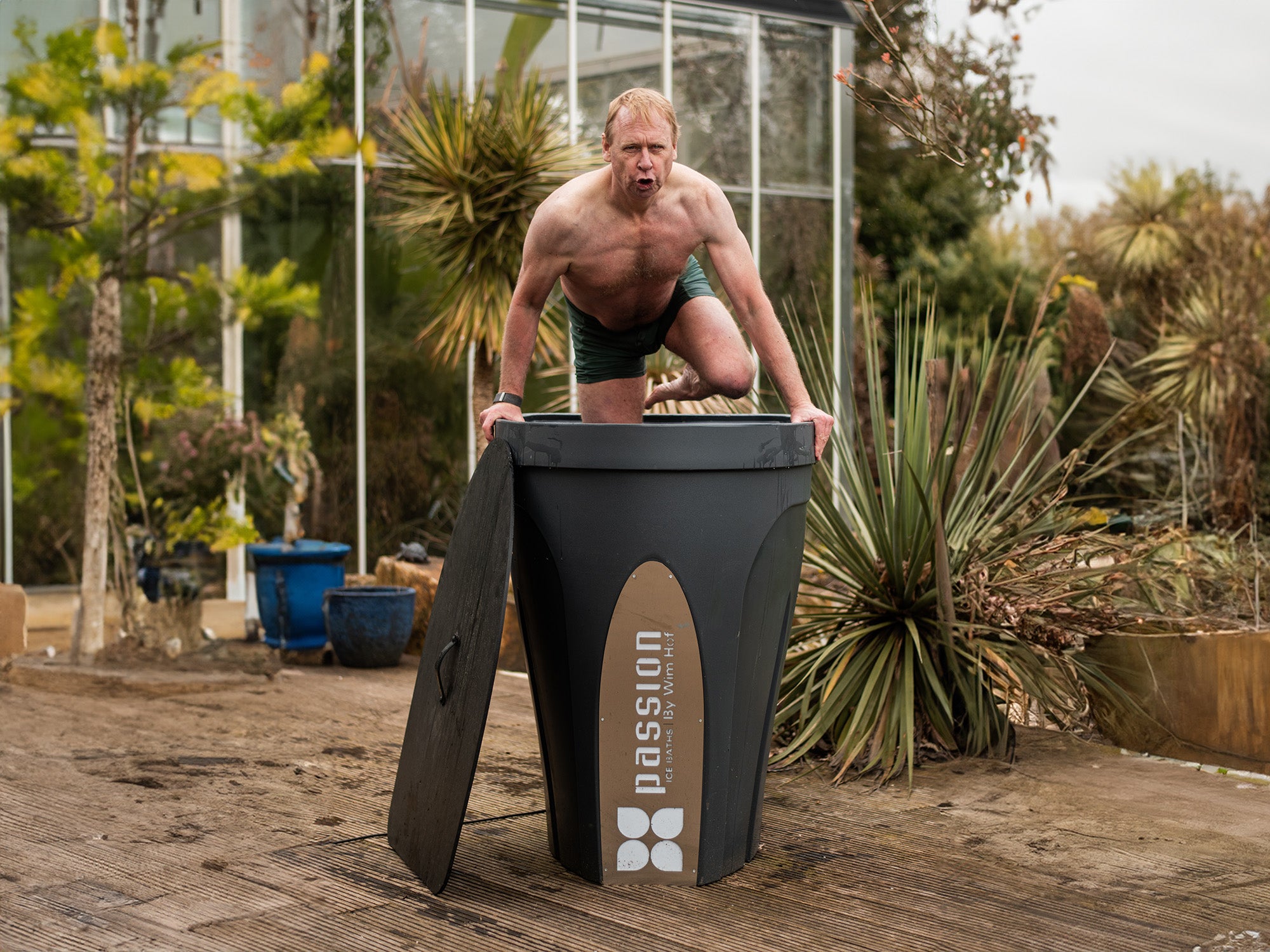
Ice bath tubs are specialized tubs or containers designed to hold cold water and ice. They are used for cold water immersion therapy. Most are made from strong plastic, metal, or inflatable materials. Some are simple, while others include features like built-in thermometers, insulation, or even electric chillers.
People use ice bath tubs to lower muscle inflammation, speed up recovery, reduce pain, and sometimes boost energy or mental focus. The process usually involves sitting in water with a temperature between 10°C to 15°C (50°F to 59°F) for several minutes.
How Do Ice Baths Work?
When you step into an ice bath, your body reacts quickly. The cold water causes blood vessels to narrow (vasoconstriction). This limits blood flow to your muscles, reducing swelling and inflammation. When you get out, your blood vessels open again (vasodilation), which helps flush away waste products like lactic acid.
Cold water also numbs nerves, which can lower pain. Some experts believe that regular cold exposure can help your body become more resilient to stress, a process called cold adaptation.

Who Uses Ice Bath Tubs?
Ice baths are not just for elite athletes. You might see:
- Professional sports teams using ice baths after games
- Runners and cyclists using them after long workouts
- Gym-goers using ice baths to help sore muscles
- People with chronic pain trying cold exposure for relief
- Biohackers and wellness fans using ice baths for mental benefits
More recently, ice bath tubs have become smaller, portable, and affordable, making them popular for home use.
Benefits Of Ice Bath Tubs
Using ice bath tubs can bring several benefits, especially for people who exercise often or deal with aches and pains.
1. Faster Muscle Recovery
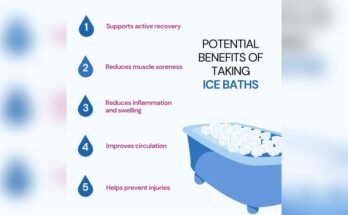
The main reason people use ice baths is to recover faster after intense exercise. Cold water reduces inflammation and muscle soreness, helping you feel ready for your next workout.
2. Less Muscle Soreness
Studies show that ice baths can lower delayed onset muscle soreness (DOMS), the pain you feel 24-72 hours after exercise. Regular cold water immersion can make tough workouts feel less punishing.
3. Reduced Swelling And Inflammation
Ice baths help control swelling by shrinking blood vessels and lowering tissue temperature. This can prevent injuries from getting worse, especially if you act quickly after a hard session.
4. Possible Immune System Boost
Some research suggests that regular cold exposure may strengthen the immune system. People who take cold plunges regularly report fewer sick days and better overall health.
5. Improved Mental Health
The shock of cold water can release endorphins and boost your mood. Many people say ice baths make them feel more alert, resilient, and less stressed.
6. Better Sleep
A cold bath can help drop your body temperature, which signals to your brain that it’s time to rest. Some people find they sleep deeper and wake up feeling more refreshed after using an ice bath tub.
Risks And Downsides Of Daily Ice Bath Use
While ice baths have benefits, using them every day comes with some risks, especially if you don’t follow safety rules.
1. Overuse Injuries
If you use ice baths daily, your body may not have time to adapt. Too much cold exposure can cause numbness, skin damage, or even frostbite if you’re not careful.
2. Slowed Muscle Growth
Some studies suggest that using ice baths right after strength training can slow muscle growth. The cold may block some of the inflammation needed to build new muscle.
3. Heart And Blood Pressure Risks
People with heart problems or high blood pressure should be careful. Cold water puts stress on the heart and can raise blood pressure.
4. Possible Immune Suppression
Although some cold exposure can boost immunity, too much may do the opposite. Pushing your body too hard with daily ice baths could weaken your ability to fight off illness.
5. Not Suitable For Everyone
Pregnant women, children, people with nerve problems, or certain medical conditions should avoid ice baths or ask a doctor first.
What Does Science Say About Daily Use?
The research on daily ice bath use is still limited. Most studies focus on short-term benefits after exercise, not on daily routines.
- A study in the Journal of Physiology showed that daily ice baths can reduce muscle soreness and help athletes recover, but long-term effects are less clear.
- Research in Sports Medicine found that cold water immersion after strength training may reduce muscle growth if done too often.
- Some studies on cold adaptation suggest that regular cold exposure (not always ice baths) can boost mood and resilience.
In short, science says that occasional ice baths are safe and helpful for most people. The effects of using them every single day depend on your goals, your health, and how you use them.
When Is Daily Use A Good Idea?
Daily ice bath use might be helpful in some cases:
- Professional athletes during intense training or competition periods
- People with chronic pain who get relief from cold water
- Individuals trying to build cold adaptation or mental toughness
But for most people, 2-4 times per week is enough to see benefits and avoid risks. Daily use is not usually needed unless you have a specific reason.
How To Use Ice Bath Tubs Safely Every Day
If you decide to try daily ice baths, safety should always come first. Here are key tips:
1. Check With Your Doctor
If you have heart problems, high blood pressure, or chronic illness, talk to your doctor first.
2. Limit Time And Temperature
Stay in for 5-10 minutes at 10°C to 15°C (50°F to 59°F). Beginners should start with shorter times and slightly warmer water.
3. Warm Up Slowly Afterwards
Never jump into a hot shower right after. Let your body warm up slowly with a towel and dry clothes.
4. Listen To Your Body
If you feel dizzy, numb, or extremely cold, get out right away. Shivering is normal, but pain is not.
5. Keep Skin Covered
Wear shorts and a shirt to protect sensitive areas. Don’t go in naked, especially in very cold water.
6. Clean And Maintain Your Tub
Change the water often and clean the tub to avoid bacteria growth. This is especially important if you use it daily.
Common Mistakes When Using Ice Bath Tubs
Many beginners make simple mistakes that can turn a good recovery tool into a risky habit:
- Staying in too long (over 10 minutes)
- Using water that is too cold (below 10°C or 50°F)
- Ignoring health conditions
- Not warming up afterwards
- Using ice baths after every workout, even when not needed
- Forgetting to hydrate before and after immersion
Ice Bath Tubs Vs. Other Recovery Methods
Is an ice bath tub the best way to recover? Let’s compare it to other popular methods.
| Method | Best For | Main Drawback | Frequency |
|---|---|---|---|
| Ice Bath Tub | Muscle soreness, swelling | Not for everyone, cold shock risk | 2-4 times/week |
| Sauna | Relaxation, muscle relaxation | May dehydrate, not for heart patients | 2-3 times/week |
| Foam Rolling | Muscle knots, flexibility | Painful for some, not for injuries | Daily |
| Stretching | Flexibility, injury prevention | Little effect on soreness | Daily |
| Massage | Deep muscle relief | Can be expensive | Weekly or as needed |
Key takeaway: Ice bath tubs are great for fast recovery, but they are not always better than other methods. Mixing recovery tools often works best.
Who Should Avoid Daily Ice Baths?
Some people should avoid daily ice baths altogether. This includes:
- People with heart disease
- Those with high blood pressure
- Anyone with Raynaud’s disease (blood vessel disorder)
- Pregnant women
- Young children
- People with nerve damage or diabetes
If you have any of these conditions, talk to your doctor before trying even occasional ice baths.
How To Choose The Right Ice Bath Tub For Daily Use
If you’re planning to use an ice bath tub every day, the right equipment makes a big difference.
1. Size
Pick a tub that fits your body comfortably. Most people need a tub at least 70-80 cm wide and 100-120 cm long.
2. Material
Plastic is light and cheap, but can crack with heavy use. Metal tubs are durable and hold the cold well. Inflatable tubs are easy to store but may not last as long.
3. Insulation
If you use your tub daily, choose one with thick insulation. This keeps the water cold for longer and saves ice.
4. Drainage
A good drainage system makes cleaning easier. Some tubs have a built-in drain or a hose attachment.
5. Portability
If you need to move your tub, pick a model with handles or an inflatable design.
6. Built-in Chiller
For serious daily users, a built-in chiller saves time and money on ice.
Here’s a quick comparison of popular types:
| Type | Pros | Cons | Price Range |
|---|---|---|---|
| Plastic Tub | Cheap, light | Less durable | $50 – $200 |
| Metal Tub | Very durable, keeps cold | Heavy, more expensive | $200 – $800 |
| Inflatable Tub | Portable, easy storage | Can puncture, needs care | $80 – $300 |
| Electric Chiller Tub | No ice needed, set temperature | Very expensive | $900 – $5000+ |
Daily Ice Bath Routine Example
Curious what a daily ice bath routine looks like? Here’s an example:
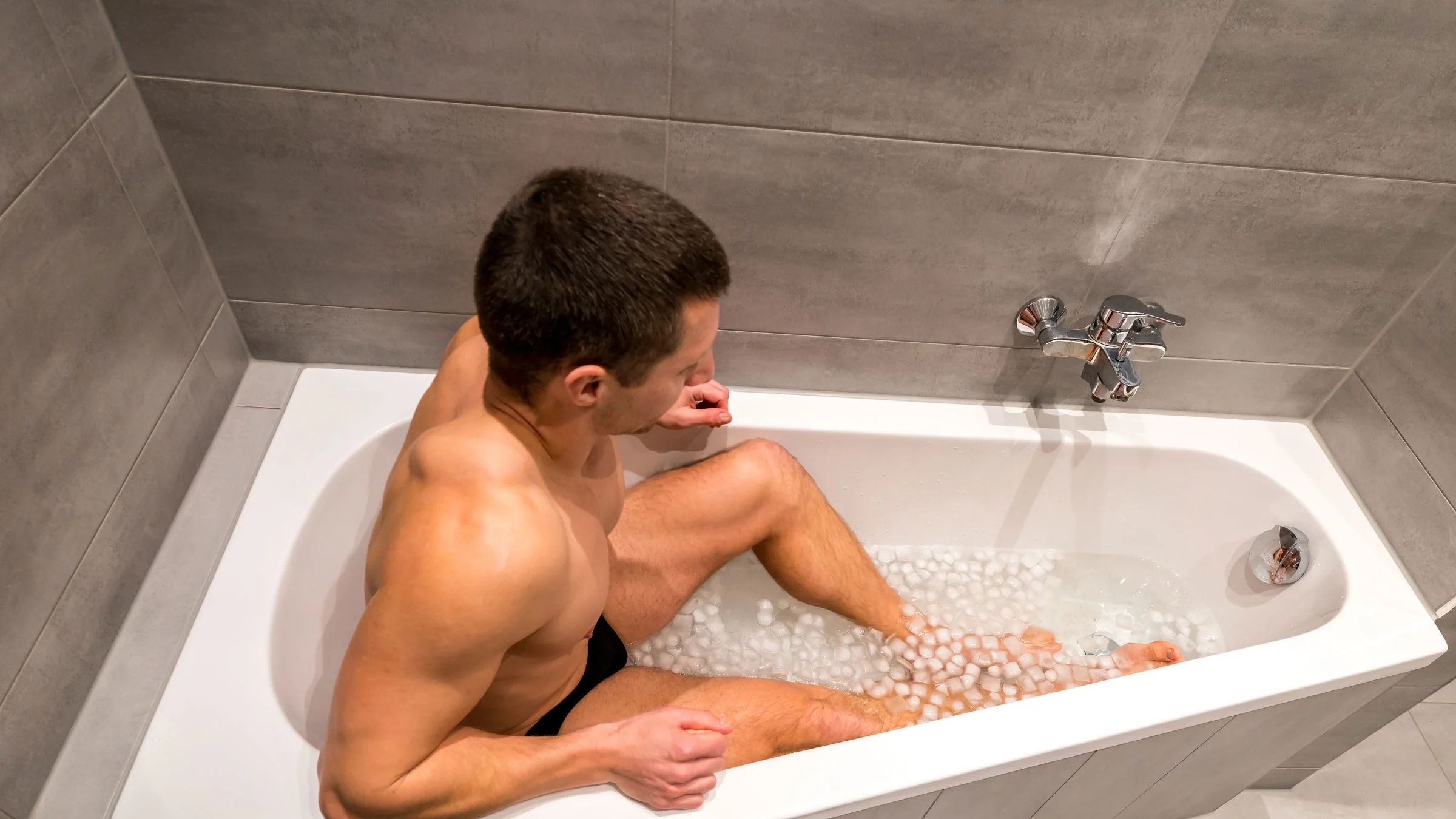
- Fill the tub with cold water and ice until it reaches 10°C to 15°C (50°F to 59°F)
- Check the temperature with a thermometer
- Wear a swimsuit or shorts and a T-shirt for protection
- Step in slowly to avoid cold shock
- Sit for 5-8 minutes (beginners may start at 2-3 minutes)
- Breathe deeply to stay calm
- Get out if you feel dizzy or numb
- Dry off and put on warm clothes
- Walk around to help blood flow return to normal
- Hydrate with water or tea
If you feel any warning signs (sharp pain, chest tightness, severe shivering), stop immediately.
Real-world Examples And Stories
Many athletes and coaches now talk openly about their ice bath routines. For example, NBA players often use ice baths after every game during playoff season but reduce use in the off-season. Marathon runners may do daily ice baths during peak training, then cut back to 1-2 times per week.
There are also stories of biohackers who use ice bath tubs each morning to boost their mood and energy. Some report better mental clarity, less anxiety, and even improved creativity after regular cold exposure.
But not everyone has a positive story. Some beginners try daily ice baths without preparation and get sick or injured. The most successful users start slowly and listen to their bodies.
Practical Tips For Getting The Most From Daily Ice Baths
If you decide to use ice bath tubs every day, these tips will help you get the best results:
- Start with 2-3 times a week and increase slowly
- Track your recovery—if you feel more tired, take a day off
- Mix with other recovery methods (stretching, sleep, nutrition)
- Use a timer to avoid staying in too long
- Eat a small snack before your bath to avoid low blood sugar
- Keep a journal to track mood, energy, and soreness
Most importantly, remember that recovery is about balance. More is not always better.
Ice Bath Tubs And Long-term Health
There is growing interest in how cold water immersion affects long-term health. Some studies suggest that regular cold exposure may help:
- Lower stress
- Improve mental focus
- Regulate metabolism
- Lower inflammation in chronic diseases
However, most of these benefits come from regular, moderate cold exposure—not extreme, daily ice baths. Always listen to your body and adjust your routine as needed.
Myth-busting: What Ice Bath Tubs Cannot Do
Despite the hype, ice bath tubs are not a magic cure for every problem. They do not:
- Prevent all injuries
- Replace the need for rest or good nutrition
- Guarantee faster muscle growth
- Cure serious medical conditions
Use ice bath tubs as part of a balanced recovery plan, not as your only tool.
When To Stop Using Ice Bath Tubs
Stop using ice bath tubs and seek medical advice if you experience:
- Chest pain or heart palpitations
- Numbness that lasts after you get out
- Trouble breathing
- Severe shivering or confusion
- Signs of infection (if the tub water looks dirty)
Ice baths should help you feel better, not worse.
Environmental Impact Of Daily Ice Bath Use
There’s one thing many people forget: daily ice baths use a lot of water and ice. If you’re concerned about the environment:
- Use reusable ice packs or a chiller to save ice
- Reuse water for several days if you keep it clean
- Choose an insulated tub to keep water cold longer
These small steps can lower your impact.
Further Reading And Resources
For more details about cold water therapy, check out this Wikipedia page on cold water immersion.
Frequently Asked Questions
How Often Should I Use An Ice Bath Tub?
Most people get good results with 2-4 sessions per week. Daily use can be safe if you follow all safety rules, but it’s not necessary for most people.
Are Daily Ice Baths Safe For Everyone?
No. People with heart conditions, high blood pressure, nerve problems, or certain chronic illnesses should avoid daily ice baths. Always check with your doctor.
How Cold Should The Water Be For Daily Use?
Aim for 10°C to 15°C (50°F to 59°F). Colder water increases the risk of injury and is not needed for recovery or health benefits.
Can Ice Baths Slow Muscle Growth?
Yes, if used right after strength training, ice baths may slow muscle growth by reducing the inflammation needed to build new tissue. If muscle growth is your main goal, avoid ice baths right after lifting weights.
Do I Need A Special Tub For Daily Use?
A specialized ice bath tub is more comfortable and safer for daily use, but you can use a clean bathtub or large container. Make sure it is strong, safe, and easy to clean.
Cold water therapy is a powerful tool, but it’s not for everyone. Use ice bath tubs wisely, pay attention to your body, and enjoy the benefits—without the risks.