When you think of ice baths, you may picture athletes soaking in cold water after a hot summer training session. But what about winter? Can ice bath tubs be used when the temperature drops, or is it too risky? Many people are curious, especially as cold therapy becomes more popular for recovery, mental health, and even building resilience. Using an ice bath tub in winter brings unique challenges and benefits. But it also raises new questions: Is it safe? Do you need to change your routine? Will the water freeze? Let’s dive into the realities of using ice bath tubs during the coldest months, so you can make smart decisions for your health and comfort.
How Do Ice Bath Tubs Work?
An ice bath tub is a specialized container designed to hold water and ice for cold immersion therapy. The main idea is simple: you fill the tub with cold water and add ice, then submerge your body (usually up to your chest) for a short time. This cold exposure can help reduce muscle soreness, support recovery, and even boost your mood by triggering endorphin release.
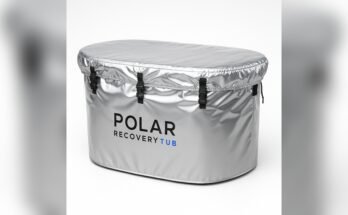
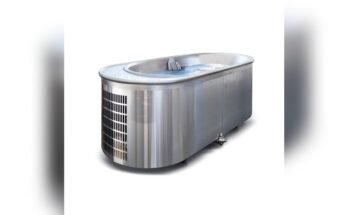
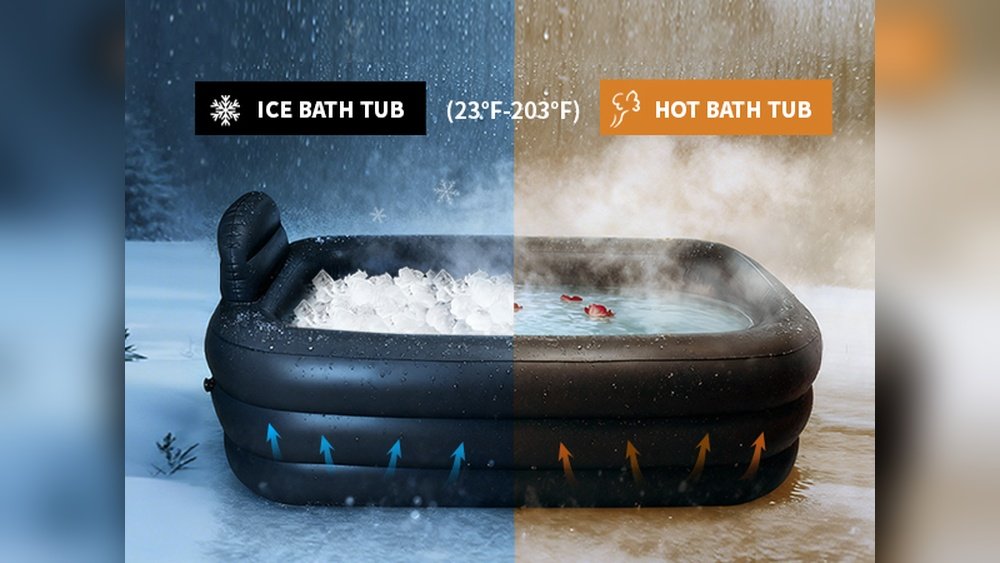
There are several types of ice bath tubs:
- Portable inflatable tubs: Lightweight, easy to store, and quick to set up.
- Rigid plastic or metal tubs: More durable and often better insulated.
- High-end cold plunge units: These have built-in chillers to maintain specific temperatures.
In winter, outdoor temperatures may be colder than the water in your tub, which changes how you set up and use your ice bath. Unlike in summer, you may not need to add as much ice—or any at all. But winter also brings new risks, such as hypothermia and frozen pipes.
Why Use Ice Bath Tubs In Winter?
The idea of stepping into an ice bath when it’s already freezing outside may sound strange. But there are good reasons why people use ice bath tubs in winter.
Enhanced Recovery
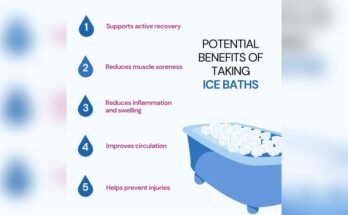
Cold therapy is well-known for reducing inflammation and muscle soreness. After winter sports like skiing, snowboarding, or ice skating, muscles can feel tight and fatigued. Cold water immersion helps speed up recovery and reduces pain, letting you stay active through the colder months.
Mental Resilience
Exposing your body to cold builds mental toughness. In winter, the cold is more intense, which can help you train your mind to stay calm in uncomfortable situations. This kind of stress adaptation is useful not only for athletes but also for anyone wanting to build discipline and resilience.
Immune System Support
Some studies suggest that regular cold exposure can boost your immune system. The shock of cold water may increase the number of white blood cells, which help fight infections. In winter, when colds and flu are common, this extra immune support can be valuable.
Mood And Energy Boost
Cold water exposure triggers a release of endorphins and norepinephrine, chemicals that boost your mood and focus. Many people who use ice baths report feeling energized and happier afterwards—even in the darkest winter months.
Practical Convenience
If you live in a cold climate, winter makes it much easier to keep your ice bath tub at the ideal temperature (often between 10°C and 15°C / 50°F and 59°F). You might not need to buy ice at all, saving money and hassle.
Key Safety Concerns For Winter Ice Baths
While there are benefits, using ice bath tubs in winter comes with extra risks. Here’s what you need to watch out for:
Hypothermia
Hypothermia happens when your body loses heat faster than it can produce it, causing your core temperature to drop below 35°C (95°F). In cold air, your body cools even faster, especially if you’re wet. Even a few minutes too long in an ice bath can be dangerous.
Frostbite
Frostbite is damage to skin and tissue caused by freezing. If your hands, feet, or ears are exposed to cold air while wet, frostbite can set in quickly—sometimes in just minutes if the wind is strong.
Slips And Falls
Ice and snow around your tub can make the area very slippery. Getting in and out safely is harder when surfaces freeze. One wrong step can mean a painful fall.
Water Freezing
If the temperature drops below 0°C (32°F), the water in your ice bath tub can start to freeze. Not only does this make the bath unusable, but expanding ice can crack or damage your tub.
Longer Rewarming Time
In winter, your body takes longer to warm up after an ice bath. If you don’t plan your rewarming routine, you can stay cold for too long, which increases the risk of afterdrop—when your core temperature keeps falling even after you leave the bath.
How Cold Is Too Cold?
Most experts recommend ice bath water temperatures between 10°C and 15°C (50°F and 59°F). In winter, outdoor water can drop well below this, especially in unheated tubs. Here’s a quick comparison:
| Temperature Range | Effect on Body | Recommended? |
|---|---|---|
| 16–20°C (61–68°F) | Refreshing, mild cold exposure | Safe for most |
| 10–15°C (50–59°F) | Standard ice bath range | Ideal for recovery |
| 5–9°C (41–48°F) | Intense cold, higher risk | Short exposures only |
| Below 5°C (41°F) | Extreme risk of hypothermia | Not recommended |
In winter, it’s easy for water to fall into the extreme range. Always check the temperature before getting in.
Setting Up Ice Bath Tubs In Winter
Preparing your ice bath for winter use takes extra planning. Here’s how to do it safely and effectively.
Location Matters
- Sheltered spot: Place your tub in a garage, shed, or under a roof to protect it from wind and snow.
- Flat, non-slippery surface: Choose a place where you won’t slip on ice or snow.
- Easy access: Make sure you can get in and out quickly, especially if you start to feel too cold.
Insulation Techniques
- Insulated covers: Use a thick cover or insulation blanket when not in use to keep water from freezing.
- Heated mats: Place a heated mat under the tub to help prevent freezing.
- Wind barriers: Block wind with screens or tarps, as wind chill can drop water and body temperature fast.
Water Management
- Drain after use: If the temperature will drop below freezing, drain your tub after each session to prevent ice damage.
- Partial fills: Fill the tub only just before use; this reduces the chance of water freezing overnight.
- Thermometer: Always use a waterproof thermometer to check the water temperature before you get in.
Preparation Checklist
- Check the weather forecast.
- Set up safety mats or anti-slip surfaces.
- Gather towels, warm clothes, and a hot drink for after your bath.
- Make sure someone knows you are doing a cold plunge, or have a buddy with you.
How To Use An Ice Bath Tub In Winter
Winter ice baths require a different approach compared to summer. Here’s a step-by-step guide to keep you safe and maximize the benefits.
Step 1: Warm Up First
Do some light exercise or stretching to raise your body temperature before stepping into the bath. This gives you a buffer against the cold.
Step 2: Check Water And Air Temperatures
Measure the water with a thermometer. If the air is below freezing, limit your exposure even more, as you’ll cool down faster.
Step 3: Limit Your Time
For beginners, stay in no longer than 2–3 minutes. Even experienced users should rarely exceed 8–10 minutes. Winter conditions amplify the cold, so shorter sessions are safer.
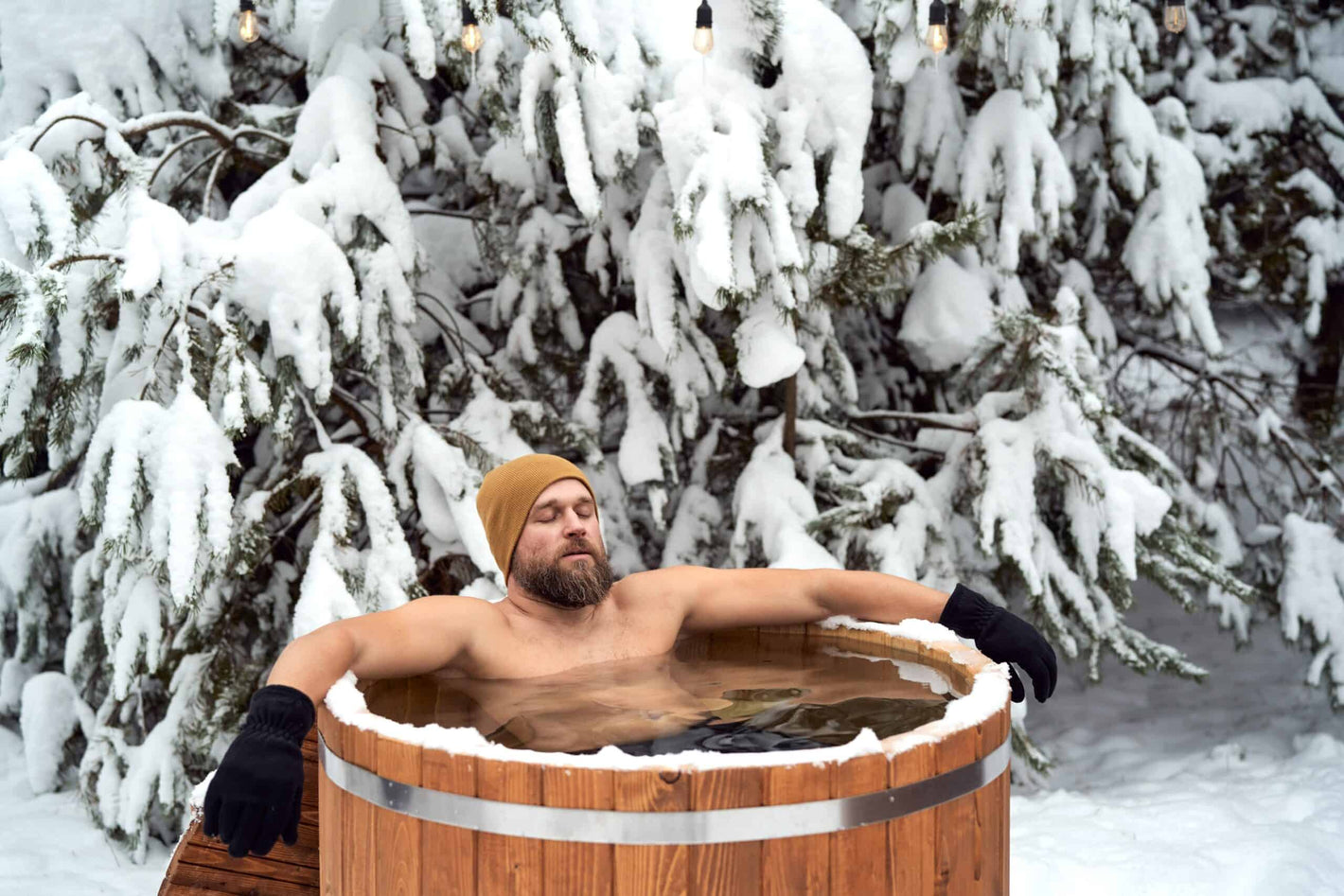
Step 4: Keep Head And Hands Warm
Wear a wool hat and consider neoprene gloves or socks. Your head loses heat quickly, and extremities are most at risk for frostbite.
Step 5: Monitor Your Body
If you start to shiver hard, feel numbness, or notice mental confusion, get out immediately. These are early signs of hypothermia.
Step 6: Rewarm Immediately
Dry off quickly and change into warm, dry clothes. Drink a hot beverage. Moving indoors right after your bath is best, as the cold air can slow your rewarming.
Step 7: Never Go Alone
Having someone nearby can be a lifesaver if you feel weak or faint. In winter, even short exposure can cause problems fast.
Who Should Avoid Winter Ice Baths?
While many people can enjoy the benefits of cold immersion, some should avoid ice bath tubs in winter:
- People with heart conditions or high blood pressure
- Those with Raynaud’s disease or poor circulation
- Individuals with a history of cold-induced asthma
- Children, elderly people, or anyone who cannot exit the tub without help
Always consult a healthcare professional if you have any doubts.
Special Considerations: Outdoor Vs. Indoor Use
Outdoor Tubs
- Pros: Natural cold, no need for extra ice, fresh air experience.
- Cons: Higher risk of water freezing, wind chill, and slipping hazards.
Indoor Tubs
- Pros: Controlled temperature, safer environment, easier rewarming.
- Cons: May require more cleanup, limited space, and possible water spills.
Here’s a quick look at the differences:
| Feature | Outdoor Ice Bath | Indoor Ice Bath |
|---|---|---|
| Temperature Control | Harder (weather-dependent) | Easier (room temperature) |
| Water Freezing Risk | High | Low |
| Privacy | Less | More |
| Convenience | Seasonal | Year-round |
Common Mistakes When Using Ice Bath Tubs In Winter
Many beginners (and even some experienced users) make errors when using ice bath tubs in cold weather. Here are key mistakes to avoid:
- Ignoring water temperature: Thinking colder is always better can be dangerous. Extremely cold water increases risk without extra benefits.
- Staying in too long: More time does not mean more recovery. Short, controlled sessions are safer and just as effective.
- Not preparing for rewarming: Forgetting warm clothes, towels, or a hot drink can lead to prolonged chills or afterdrop.
- Going solo: Never use an ice bath in winter without someone nearby or at least knowing your plans.
- Slipping hazards: Not clearing snow or ice around the tub can cause falls.
- Leaving water overnight: Water left in the tub can freeze and damage the tub. Always empty and dry after use in subzero temperatures.
Practical Tips For Winter Ice Bath Success
If you want to make the most of your ice bath tub in winter, try these strategies:
- Set a timer: Don’t guess your exposure time. Use a timer or phone alarm to stay on track.
- Layer up: Have a warm robe or jacket ready for when you get out.
- Keep moving: Gentle exercise or stretching after your bath helps your body rewarm faster.
- Protect your feet: Use sandals or insulated mats to prevent contact with cold ground.
- Log your sessions: Track water temperature, time, and how you feel. This helps you adjust and stay safe.

Real-life Examples: Winter Ice Bath Experiences
People all over the world use ice bath tubs in winter, from athletes to biohackers to wellness seekers. Here are two real-life stories:
Anna, 35, Sweden: “Winter ice baths are part of my weekly routine. The air is often -5°C, so I only stay in for 2 minutes. I wear a wool hat and always have my partner nearby. After, I go straight inside, dry off, and drink hot ginger tea. It’s intense, but I feel amazing.”
James, 42, Canada: “I use a stock tank on my patio. In January, the water can freeze overnight. I learned the hard way to drain the tub after each use—one morning, the whole thing was solid ice! Now I fill it right before my session and cover it to block the wind. It’s a challenge, but I recover faster after hockey games.”
The Science Behind Cold Exposure In Winter
Research on cold water immersion shows benefits for muscle recovery, reducing inflammation, and improving mental health. In winter, your body has to work harder to maintain its core temperature, which increases the effects—and the risks.
A 2016 study published in the *Journal of Physiology* found that cold water immersion at 10°C for 10 minutes reduced muscle soreness after exercise, but also stressed the importance of safe exposure times, especially in cold environments.
Another study reported by Wikipedia highlights the increased risk of hypothermia when water temperature drops below 10°C, and the importance of limiting exposure.
Maintenance And Care Of Ice Bath Tubs In Winter
Winter conditions can be tough on your equipment. Here’s how to keep your ice bath tub in good shape:
- Clean regularly: Dirt and debris can cause mold, especially if the tub is covered most of the time.
- Inspect for cracks: Freezing water expands and can damage the tub. Check for leaks and cracks after every freeze.
- Store indoors if possible: If you won’t use the tub for a week or more, drain and move it inside.
- Use non-toxic antifreeze: For some rigid tubs, a small amount of non-toxic antifreeze (like propylene glycol) can protect the plumbing when not in use (never when people are bathing).
Comparing Ice Bath Tubs To Other Cold Therapy Methods In Winter
How does using an ice bath tub in winter compare to other cold therapy approaches?
| Method | Winter Suitability | Cost | Control | Comfort |
|---|---|---|---|---|
| Ice Bath Tub (outdoor) | Good (with precautions) | Medium | Moderate | Low |
| Cold Shower | Excellent | Low | High | Medium |
| Cold Plunge (indoor unit) | Excellent | High | High | High |
| Natural Lake/River Dip | High risk | Low | Low | Low |
As you can see, ice bath tubs are a practical winter option if you manage the risks carefully.
Non-obvious Insights Beginners Often Miss
- Wind chill changes everything: Even if the water feels manageable, a strong wind can increase heat loss by up to 20%. Always shield your tub from the wind.
- Afterdrop is real: Your core temperature can keep dropping for 10–30 minutes after you leave the ice bath, especially in winter. This is why immediate rewarming is so important. Don’t skip this step.
- You don’t always need ice: In very cold climates, the tap or hose water may already be at the perfect temperature for cold therapy. Adding ice can make it dangerously cold.
- Your skin adapts over time: With regular use, your body gets better at handling cold, but never let confidence push you to ignore the basics (like measuring water temp or setting a timer).
Frequently Asked Questions
Can I Use An Ice Bath Tub Outside During Freezing Temperatures?
You can, but you must take precautions. Water can freeze quickly, so drain the tub after each use to prevent damage. Limit your exposure to 2–3 minutes and always check the water temperature. Use anti-slip mats and have a warm recovery plan ready.
Is It Safe To Use Ice Bath Tubs In Winter For Everyone?
No. People with heart problems, poor circulation, or certain medical conditions should not use ice bath tubs, especially in winter. Always talk to your doctor before trying cold immersion if you have health concerns.
What Should I Wear In A Winter Ice Bath?
Wear a wool or neoprene hat to keep your head warm. You can also use neoprene gloves and socks to protect your hands and feet. This reduces the risk of frostbite and makes the experience more comfortable.
Do I Need To Add Ice In Winter?
Not always. In cold climates, tap water may already be cold enough for therapy (10–15°C / 50–59°F). Adding ice can make the water too cold and increase risks. Always measure the temperature before adding ice.
How Do I Rewarm Safely After A Winter Ice Bath?
Dry off quickly, change into warm clothes, and drink a hot beverage. Move indoors right away to avoid additional cooling from the air. Gentle exercise and a warm shower can also help speed up your recovery.
Using ice bath tubs in winter is possible—and can be rewarding—if you respect the cold and follow best practices. With careful planning, you can enjoy the mental and physical benefits of cold therapy all year round. Always listen to your body, stay safe, and adapt your routine for the unique challenges of winter.