Can Ice Baths Boost Immunity?
The idea of plunging into a tub of freezing water might sound extreme, but ice baths have become popular among athletes, fitness fans, and people seeking better health. While many take ice baths to recover faster after intense exercise, there’s growing curiosity around another claim: can ice baths actually make your immune system stronger? This question has captured interest worldwide, especially as people look for simple, natural ways to protect themselves from illness.
The thought that something as basic as cold water could help your body fight off infections is both exciting and a bit puzzling. It’s easy to find stories about people who rarely get sick after regular cold exposure, or about famous figures like Wim Hof—the “Iceman”—who seem to show almost superhuman resistance to cold and disease. But what does science really say about this? Is there real evidence behind the hype, or are these just interesting anecdotes?
This article takes a deep look at the science, practical experience, and expert opinions about ice baths and immunity. You’ll discover how ice baths work, what happens to your body during and after cold exposure, the possible benefits and risks, and how to try it safely if you’re interested.
By the end, you’ll have a clear and balanced view of whether ice baths can really boost your immune system—and if it’s worth adding to your routine.
How Do Ice Baths Work?
When you step into an ice bath, your skin and body face a strong cold stress. Most ice baths are between 10°C and 15°C (50°F to 59°F), but some are even colder, especially with added ice. This cold exposure quickly causes blood vessels in your skin and limbs to tighten—a process called vasoconstriction. Your body does this to protect your core organs and save heat.
After you leave the cold water, your blood vessels open back up (vasodilation), and blood flow increases. This cycle is believed to help flush out waste products and deliver more oxygen and nutrients to muscles. But beyond muscle recovery, this process also puts your nervous system and immune system on alert, which could have wider effects on your health.
Key Physiological Responses
- Adrenaline release: Cold water triggers your body to produce more adrenaline and noradrenaline. These hormones help you stay alert and raise your heart rate.
- Increased breathing rate: Your first instinct is to gasp, and your breathing becomes faster. This is part of the body’s way to adapt to stress.
- Temporary increase in metabolism: Your body burns more energy to keep you warm.
- Activation of brown fat: Brown fat burns calories to create heat, which is part of why cold exposure can feel so energizing.
These changes are immediate, but some studies suggest that regular cold exposure can train your body to handle stress better—possibly including immune stress from viruses or bacteria.
The Immune System: A Simple Explanation
The immune system is your body’s defense against germs and disease. It’s made up of many parts, including:
- White blood cells: Attack and destroy invaders like bacteria and viruses.
- Antibodies: Proteins that recognize and help remove germs.
- Lymphatic system: Moves immune cells around the body.
- Skin and mucous membranes: Physical barriers to infection.
A strong immune system can spot and fight germs before they cause illness. It also helps you recover faster if you do get sick.

What Science Says About Ice Baths And Immunity
While cold therapy has been practiced for hundreds of years, modern research on ice baths and immunity is still developing. Let’s look at some of the most important studies and findings.
Short-term Effects
A famous 2014 study led by Dutch researchers looked at Wim Hof and others who trained in cold exposure. When given an injection of a harmless bacteria, the trained group had much less fever, fewer symptoms, and lower levels of inflammation than an untrained group. Their bodies produced more adrenaline and less of the chemicals that cause strong immune reactions.
Another study from the Netherlands found that people who ended their daily showers with cold water took 29% fewer sick days from work compared to those who took only warm showers. This suggests that even short, regular cold exposure can help reduce illness.
Long-term Effects
Research on long-term cold exposure is less clear. Some studies show that athletes who use ice baths regularly have fewer infections and recover faster from sickness. Other studies find no real difference in immune markers between people who use ice baths and those who don’t.
The table below shows a comparison of key research findings:
| Study | Participants | Type of Cold Exposure | Immune Results |
|---|---|---|---|
| Kox et al., 2014 | 24 healthy men | Ice baths + breathing exercises | Lower inflammation, milder symptoms after bacteria injection |
| Buijze et al., 2016 | 3,000+ adults | Cold showers (30–90 sec) | 29% fewer sick days, no change in illness severity |
| Tipton et al., 2017 | Athletes | Ice water immersion | Possible improved immune response, mixed evidence |
How Might Cold Improve Immunity?
Researchers believe ice baths may help the immune system by:
- Reducing inflammation: Cold lowers swelling and stops some immune chemicals from causing harm.
- Boosting immune cell activity: Short-term stress from cold can “wake up” immune cells, making them more active for a while.
- Improving circulation: Better blood flow can help move immune cells through the body.
- Reducing stress hormones over time: While cold raises stress hormones at first, regular exposure may help your body handle stress better.
However, it’s important to note that too much cold, or staying in for too long, can actually lower immunity by putting too much stress on your body.
What Are The Benefits Of Ice Baths For Immunity?
Based on current science and expert opinion, here are the main ways ice baths might help your immune system:
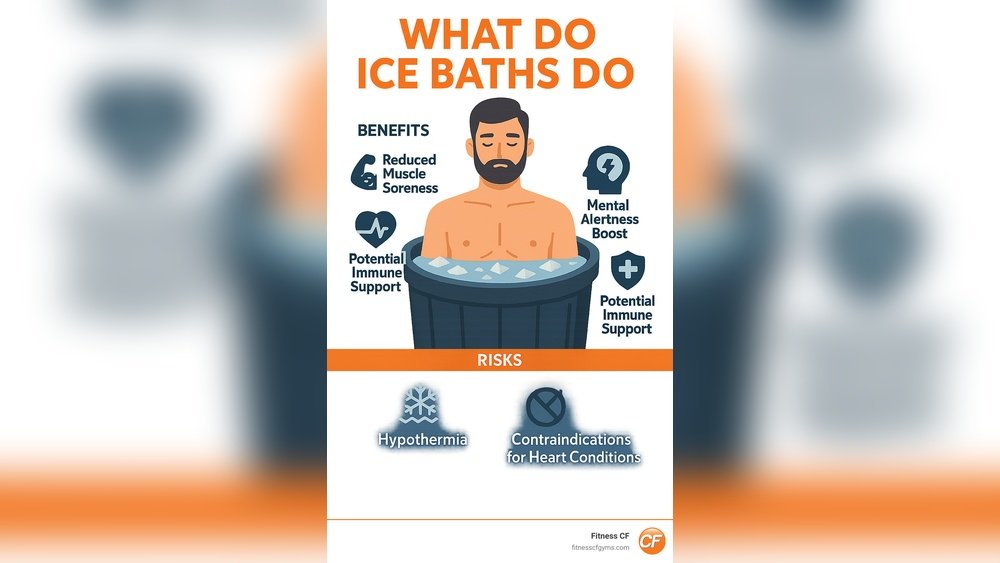
- Fewer sick days: Some studies show people who use cold therapy get sick less often or recover faster.
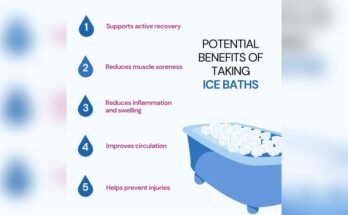
- Lower inflammation: Less swelling and pain after exercise or injury.
- Better immune balance: Short cold exposure may help your immune system respond more calmly to threats.
- Possible increased production of white blood cells: Some evidence suggests cold can boost certain immune cells.
- Improved mood and energy: Feeling better mentally can support immune health.
Not all benefits are proven for everyone, and results can depend on many factors, like age, health, and how often you use ice baths.
Common Myths About Ice Baths And Immunity
Because ice baths are trendy, there are also many myths. Let’s clear up some misunderstandings:
- Myth: Ice baths make you invincible to illness.
- Fact: They may reduce your risk, but you can still get sick. No method is 100% effective.
- Myth: The colder, the better.
- Fact: Extremely cold water can be dangerous and harm your immune system if overused.
- Myth: Everyone should use ice baths for health.
- Fact: Ice baths are not safe for everyone, especially people with heart problems or certain health issues.
- Myth: You must stay in for a long time to get benefits.
- Fact: Even short exposures (1–5 minutes) can be effective. Longer times increase risk.
Risks And Downsides Of Ice Baths
Like any therapy, ice baths come with some risks, especially if not done correctly.
Possible Risks
- Hypothermia: If you stay in too long, your body temperature can drop dangerously.
- Heart stress: Cold water causes your heart to work harder, which can be risky for some people.
- Breathing difficulties: The shock can cause gasping or trouble breathing.
- Nerve or muscle injury: Rare, but possible if you overdo it.
- Weakened immunity with overuse: Too much stress from cold can suppress immune function.
People with heart conditions, high blood pressure, or certain chronic diseases should speak to a doctor before trying ice baths.
How To Use Ice Baths Safely
If you want to try ice baths for immune health, safety is key. Here are some practical tips to get started:
- Start slow: Begin with cold showers or short (1–2 minute) dips in cool water.
- Use safe temperatures: Aim for 10–15°C (50–59°F). Colder is not always better.
- Limit time: Most benefits come with 5–10 minutes or less. Never go beyond 15 minutes.
- Warm up after: Have warm clothes and a hot drink ready.
- Listen to your body: If you feel numb, dizzy, or unwell, get out immediately.
- Never go alone: Have someone nearby, especially if you’re new to ice baths.
Sample Ice Bath Routine
- Fill a tub with cold water and add ice until it reaches the desired temperature.
- Sit in the water up to your waist or chest.
- Stay in for 2–5 minutes at first, then slowly increase if you feel comfortable.
- Focus on slow, deep breaths.
- Dry off and warm up right after.
Who Should Avoid Ice Baths?
While many people can safely use ice baths, certain groups should be cautious or avoid them:
- People with heart disease: The stress can trigger dangerous rhythms.
- Individuals with Raynaud’s disease: Cold can cause severe pain and blood flow problems.
- Those with uncontrolled high blood pressure: The sudden constriction of blood vessels can be risky.
- Pregnant women: Sudden temperature changes may not be safe.
- Anyone with open wounds or skin infections: Cold can slow healing or worsen infection.
If you’re unsure, always check with a healthcare provider before starting.
Comparing Ice Baths To Other Immune Boosting Methods
How do ice baths stack up against other popular ways to boost immunity? Here’s a simple comparison:
| Method | Evidence Strength | Typical Benefits | Main Risks |
|---|---|---|---|
| Ice Baths | Moderate (some studies, more needed) | Reduced sick days, lower inflammation | Hypothermia, heart stress |
| Exercise | Strong (many studies) | Higher immune cell activity, better overall health | Injury if overdone |
| Balanced Diet | Very strong | All-round immune support | Few risks |
| Supplements (e.g. Vitamin C, Zinc) | Mixed | Possible reduced duration of colds | Overdose possible |
| Good Sleep | Very strong | Better infection resistance, faster recovery | None |
As you can see, ice baths may help, but diet, sleep, and regular exercise are still the most proven ways to keep your immune system strong.
Non-obvious Insights About Ice Baths And Immunity
Most articles focus on the basics, but here are two important points many beginners miss:
- The mental effect matters: Feeling mentally “tough” after an ice bath can change how you handle stress in daily life. Reduced stress levels can directly support your immune system. In this way, the benefit may be as much about mind as body.
- Adaptation is key: If you use ice baths regularly, your body adapts. This means you may need to change your routine over time to keep getting benefits. The immune boost may fade if your body gets too used to the same cold exposure.
It’s also worth noting that genetics, age, and overall health strongly affect how your immune system responds to cold.
What Experts And Athletes Say
Many top athletes use ice baths for recovery and claim they feel less sick during hard training seasons. Medical experts, however, urge caution. Dr. Rhonda Patrick, a well-known researcher, notes that cold exposure can “activate immune pathways,” but also warns that overuse can backfire.
The Wim Hof Method combines ice baths with special breathing and meditation techniques. Some research supports this combined approach for immune health, but it’s not clear if ice baths alone have the same effect.
For more on the science behind cold therapy, you can read this detailed review on Wikipedia.
How To Make Ice Baths Part Of An Immune-boosting Routine
If you want to try ice baths for better immunity, combine them with other proven habits:
- Get 7–9 hours of sleep each night.
- Eat a variety of fruits, vegetables, lean protein, and healthy fats.
- Exercise regularly, but not to exhaustion.
- Manage stress with meditation, deep breathing, or yoga.
- Wash your hands and practice good hygiene.
By blending ice baths with these habits, you give your immune system the best support.
Frequently Asked Questions
How Often Should I Take Ice Baths For Immune Benefits?
Most experts suggest starting with 1–3 times per week. Daily cold showers are also popular. Listen to your body and adjust based on how you feel. For immunity, more is not always better.
Can Ice Baths Prevent Colds Or The Flu?
Ice baths may reduce your risk of getting sick, but they cannot fully prevent infections. They might help you recover faster or have milder symptoms, but vaccines, good sleep, and hygiene are more reliable.
Are Ice Baths Safe For Children Or Older Adults?
Children and older adults have a harder time regulating body temperature. Ice baths are usually not recommended for these groups unless supervised by a doctor or health professional.
What Should I Do If I Feel Unwell After An Ice Bath?
If you feel dizzy, very cold, or have trouble breathing, get out of the bath immediately and warm up. If symptoms are severe or don’t go away, seek medical help right away.
Do I Need To Add Ice, Or Is Cold Tap Water Enough?
For many people, cold tap water (around 10–15°C or 50–59°F) is enough to get benefits. Adding ice can make it colder, but increases risk. Start with tap water and only add ice if you’re experienced and comfortable.
Final Thoughts
Ice baths are a fascinating, sometimes challenging way to explore the limits of your body and mind. There’s real science behind the idea that cold exposure can help your immune system, at least in small, regular doses. While ice baths are not a cure-all, they can be a useful tool for those looking to boost their health—especially when combined with good sleep, nutrition, and stress management.
Always put safety first, and remember that what works for one person might not work for another. The best way to support your immune system is with a balanced approach—one that includes, but does not rely only on, cold water therapy.
If you’re interested, start slow, pay attention to how your body responds, and enjoy the invigorating journey of discovering what cold can do for you.