Most athletes, fitness enthusiasts, and even casual exercisers have heard about ice baths. You might see professionals sitting in tubs filled with cold water and ice after a tough game or workout. The belief is simple: cold helps the body heal faster. But how true is this idea? Can ice baths really help with injury recovery, or is it just a popular trend without much proof? Understanding the facts behind ice baths is important for anyone who wants to recover quickly and stay healthy.
In this article, we’ll explore what happens to your body during an ice bath, what science says about its effects, and whether it really speeds up recovery from injury. We’ll also look at the risks, who can benefit, and how to use ice baths safely and effectively.
By the end, you’ll know whether sitting in a tub of ice is right for you or just an icy shock to your system.
What Is An Ice Bath?
An ice bath is a recovery method where you sit in very cold water—usually between 10°C and 15°C (50°F to 59°F)—for several minutes. The idea is to soak the body, or sometimes just the injured area, in cold water to reduce pain, swelling, and muscle soreness after exercise or injury.
You might also hear the term “cold water immersion.” This means the same thing as an ice bath. Some people use ice cubes, while others just use cold tap water. The water temperature and how long you stay inside depend on the reason for the bath and your experience.
How Do Ice Baths Work?
When you enter cold water, your body reacts in several ways. The blood vessels near your skin get smaller (vasoconstriction), which reduces blood flow to the area. This can help reduce swelling and limit inflammation. Your skin and muscles also get colder, which can numb pain.
Once you get out of the ice bath, your body warms up again. Blood vessels open (vasodilation), and fresh blood flows to the muscles, possibly bringing oxygen and nutrients for healing. Some people believe this process helps speed up recovery.
Here’s a simple breakdown of what happens:
- Vasoconstriction: Blood vessels shrink, reducing blood flow and swelling.
- Numbing Effect: Cold water can reduce the feeling of pain.
- Decreased Metabolism: Cold lowers muscle activity, which may slow down inflammation.
- After Effect: Once out of the water, blood rushes back, which might help healing.
What Does The Science Say About Ice Baths For Injury Recovery?
Research On Muscle Soreness And Recovery
Many studies focus on delayed onset muscle soreness (DOMS)—the achy feeling you get 24–48 hours after a hard workout. Research often shows that ice baths can reduce muscle soreness in the short term. For example, a review of several studies found that cold water immersion can lessen muscle pain after intense exercise.
But when it comes to actual injury recovery—like healing a sprain, muscle tear, or broken bone—the science is less clear. Some studies show benefits, while others see little or no effect.
Studies On Injury Healing
Some research suggests that ice baths may reduce swelling and pain after an injury, especially in the first few hours. However, swelling is a natural part of healing, and too much cold may slow down the body’s repair process. A 2015 study published in the *Journal of Physiology* showed that regular ice baths after strength training might even slow muscle growth and repair over time.
What About Inflammation?
Inflammation is the body’s way of healing. While reducing inflammation can make you feel better, it may not always help you heal faster. Some experts warn that using ice baths too often, or for too long, could interfere with the natural healing process.
Data Table: Effect Of Ice Baths On Recovery
Below is a summary of research findings comparing ice baths to other recovery methods:
| Recovery Method | Reduces Soreness | Improves Healing | Speeds Up Return to Activity |
|---|---|---|---|
| Ice Bath | Yes (Short Term) | Mixed Evidence | Sometimes |
| Rest | Yes (Slower) | Yes | Slower |
| Compression | Somewhat | Yes | Moderate |
| Massage | Yes | Some Benefit | Yes |
Do Ice Baths Help All Types Of Injuries?
Ice baths are most commonly used for muscle soreness and minor injuries, such as strains or sprains. They are less useful—and sometimes not safe—for other types of injuries. Here’s how ice baths affect different injuries:
Muscle Strains And Sprains
Cold water can help reduce pain and swelling in the first day or two after a minor muscle or ligament injury. But after the initial stage, heat or other therapies might be better for speeding up recovery.
Overuse Injuries
For overuse injuries, such as tendinitis, ice baths may help manage pain, but they do not fix the underlying problem. Rest, stretching, and physical therapy are often more important.
Broken Bones And Serious Injuries
You should never use an ice bath for a broken bone or a serious injury unless a doctor says it’s okay. Deep cold can slow healing or cause damage if used incorrectly.
Chronic Pain
People with chronic pain conditions, like arthritis, sometimes use cold therapy for relief. But ice baths are not a cure and should be used with caution.
The Pros Of Ice Baths For Recovery
Many athletes and trainers swear by ice baths for a reason. Here are some of the main benefits:
- Reduced Muscle Soreness: Cold water helps numb pain and lessen the feeling of soreness after hard exercise.
- Faster Recovery Perception: Many people feel like they recover faster, even if the actual healing is not always quicker.
- Decrease in Swelling: Lower temperatures can limit swelling, especially after fresh injuries.
- Mental Boost: Completing an ice bath feels tough, and some athletes say it improves their confidence and mental toughness.
The Cons And Risks Of Ice Baths
While there are benefits, ice baths are not risk-free. Here are some drawbacks and dangers:
- Possible Slower Healing: Using cold too often can slow the body’s natural repair process, especially with repeated injuries.
- Shock to the System: Sudden cold can be dangerous for people with heart problems or poor circulation.
- Nerve and Skin Damage: Staying in ice water too long can cause frostbite or nerve injury.
- Not for All Injuries: Some injuries need warmth, not cold, to heal properly.
How To Use Ice Baths Safely
If you decide to try an ice bath for injury recovery, following safe guidelines is very important. Here are key steps to stay safe and get the most benefit:
Step-by-step Guide
- Check with Your Doctor: Especially if you have health problems or a serious injury.
- Prepare the Bath: Fill a tub with cold water. Add ice until the temperature is between 10°C and 15°C (50°F to 59°F).
- Set a Timer: Start with 5–10 minutes. Do not go over 15 minutes, especially for your first few sessions.
- Go Slowly: Enter the water slowly. It will feel very cold at first.
- Monitor Your Body: If you feel numbness, tingling, chest pain, or dizziness, get out right away.
- Warm Up After: Use a towel or warm clothes. Do not use hot water or a sauna immediately after.
- Limit Frequency: 2–3 times per week is enough for most people.
Example Routine
After a tough workout or minor muscle injury:
- Wait 1–2 hours after exercise.
- Take a 10-minute ice bath.
- Rest and hydrate after.
Who Should Not Use Ice Baths?
Certain people should avoid ice baths, including:
- Those with heart disease or circulation problems
- People with Raynaud’s disease
- Children (unless directed by a doctor)
- Pregnant women, without medical advice
Ice Baths Vs Other Recovery Methods
How do ice baths compare to other popular recovery methods? Here’s a quick look at the options:
Compression
Wearing compression garments can reduce swelling and improve blood flow, but may not offer the same pain relief as ice baths.
Massage
Massage helps relax muscles, boost circulation, and reduce soreness. It does not lower inflammation as quickly as cold therapy but can help with long-term healing.
Rest And Active Recovery
Simple rest and gentle movement (like walking or light stretching) are often the best choices for most minor injuries.
Heat Therapy
Heat is useful for chronic injuries or after the first 48 hours. It helps relax tight muscles and increase blood flow.
Data Table: Comparison Of Recovery Methods
| Method | Best For | Main Benefit | Main Risk |
|---|---|---|---|
| Ice Bath | Acute soreness, minor strains | Pain and swelling reduction | Delayed healing if overused |
| Massage | Muscle tension, stress | Relaxation, improved blood flow | Cost, time |
| Compression | Swelling, circulation | Reduced swelling | Possible discomfort |
| Rest | All injuries | Natural healing | Slower return to activity |

Real-life Examples: When Ice Baths Help (and When They Don’t)
Helpful Situations
- After a marathon: Many runners use ice baths to manage soreness and speed up their feeling of recovery. Some report less pain the next day.
- Post-game recovery: Football and rugby players often use ice baths to reduce swelling and pain after a tough match.
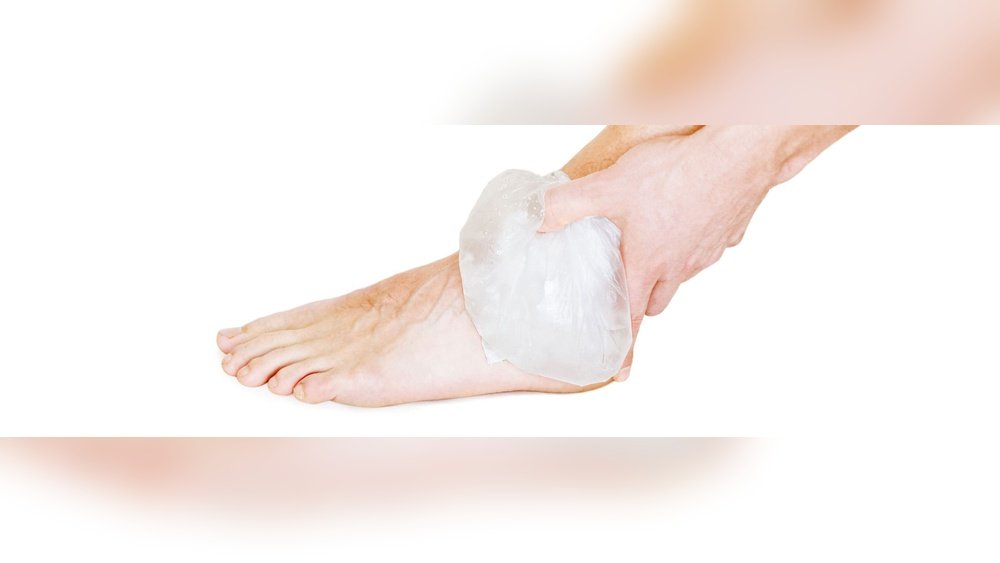
- Sprained ankle (first 24 hours): Cold can help control swelling and numb pain.
Not Helpful Or Risky
- Chronic injuries: For long-term pain or injuries, ice baths do little. Warmth and movement are usually better.
- Serious injuries: For broken bones or deep tissue injuries, ice can do more harm than good.
- Everyday soreness: For mild aches, gentle stretching or a hot shower may be enough.
Non-obvious Insights About Ice Baths
Many beginners think more cold means better results. In fact, very cold water can be dangerous and does not speed up recovery more than moderately cold water. Staying longer than 10–15 minutes adds risk but little extra benefit.
Another common mistake is using ice baths too soon after an injury. The body needs some inflammation to start healing. Jumping into an ice bath right away can sometimes slow this process.
Who Benefits Most From Ice Baths?
Ice baths are most useful for:
- Elite athletes: They often train daily and need to control pain and swelling to keep competing.
- People with frequent minor injuries: If you get sore muscles often, ice baths can help manage discomfort.
- Team sports players: The fast pace and physical nature of sports like soccer, basketball, or rugby make ice baths a popular choice.
For the average person, ice baths are less necessary. Most minor injuries and muscle soreness heal well with rest, gentle activity, and time.
How To Make An Ice Bath At Home
You don’t need a fancy setup to try an ice bath. Here’s how to do it:
- Fill a tub with cold tap water. Add ice until the water is about 10–15°C (50–59°F).
- Wear a swimsuit. Some people also wear a sweatshirt or hat to keep their upper body warm.
- Set a timer for 5–15 minutes.
- Sit in the bath, keeping your arms and chest above water if you are new to ice baths.
- After, dry off and warm up slowly.
Practical Tips For Using Ice Baths
- Start slow: Try short sessions and warmer water first.
- Stay hydrated: Drink water before and after.
- Never go alone: Always have someone nearby in case you feel faint or unwell.
- Monitor your skin: If you see pale, numb, or bluish skin, get out right away.
- Avoid after heavy meals: Cold water can affect blood flow and digestion.
The Placebo Effect: Is It All In Your Head?
Some benefits of ice baths may be due to the placebo effect. If you believe you will recover faster, you might feel less pain and bounce back quicker—even if the actual healing is the same. Many studies show that belief and routine can play a big role in recovery.
This does not mean ice baths are “fake”—just that how you feel is often as important as what the science says.
Summary: Should You Use Ice Baths For Injury Recovery?
Ice baths are a well-known tool for managing pain and swelling after exercise or minor injuries. The cold can numb pain and help you feel less sore. For athletes who need to get back to training fast, ice baths can be helpful.
But they are not a magic cure. For most injuries, rest, gentle movement, and time are the best ways to heal. Overusing ice baths, or using them for the wrong type of injury, can slow down your body’s repair process. If you have a serious injury or health problem, always talk to a doctor before trying cold water immersion.
If you decide to use ice baths, follow safety guidelines and listen to your body. Remember, faster is not always better when it comes to healing.
For further reading on the science behind ice baths, see this research review from the National Institutes of Health.
Frequently Asked Questions
How Long Should I Stay In An Ice Bath For Recovery?
Most experts recommend 5–15 minutes. Staying longer does not add benefits and increases the risk of skin or nerve injury. Always start with a shorter time if you are new to ice baths.
Can Ice Baths Help With Chronic Injuries?
Ice baths are not very effective for chronic injuries like tendinitis or old muscle tears. Warmth, stretching, and physical therapy are usually better for long-term healing.
Are Ice Baths Safe For Everyone?
No. People with heart problems, poor circulation, Raynaud’s disease, or certain other health conditions should avoid ice baths. If you have any doubts, check with your doctor before trying.
Should I Use Ice Baths Right After Every Workout?
You do not need an ice bath after every workout. Save them for hard sessions, competitions, or when you have extra soreness. Too many ice baths may slow muscle growth and repair over time.
What Temperature Is Best For An Ice Bath?
The ideal temperature is 10°C to 15°C (50°F to 59°F). Colder water does not mean better results and can be dangerous for your health. Use a thermometer to check if possible.