Many athletes, from Olympic champions to weekend runners, talk about the power of ice baths. You see photos of professionals sitting in large tubs filled with ice and cold water after tough games or workouts. But does this chilly practice really boost athletic performance, or is it just another sports trend?
The science is more complex than it seems. Let’s explore what happens to your body during an ice bath, what the research says, and whether this icy dip truly helps you perform better.
What Is An Ice Bath?
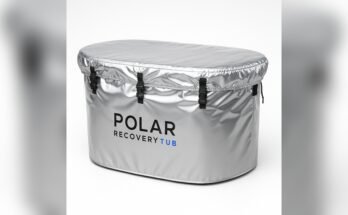
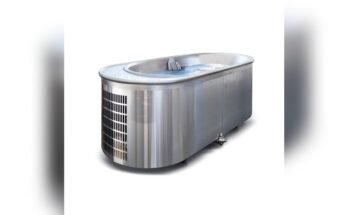
An ice bath is a simple but intense recovery method. You fill a tub with cold water, usually between 10°C and 15°C (50°F–59°F), and add ice to lower the temperature. Athletes sit or lie in the water, covering their lower body or even submerging up to the chest, for 5 to 20 minutes. The cold is shocking at first, but many believe it helps reduce muscle pain and speed up recovery.
Ice baths are part of a group called cold water immersion therapies. These are not new. Ancient Greeks used similar treatments, and cold water therapy is common in Scandinavian cultures. Today, ice baths are popular in sports like football, basketball, running, rugby, and CrossFit.
Why Do Athletes Use Ice Baths?
Many athletes and coaches believe that ice baths can help with:
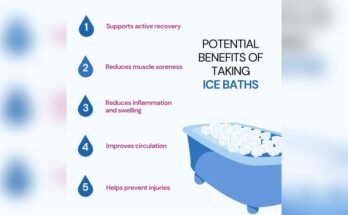
- Reducing muscle soreness after intense exercise
- Lowering inflammation in the body
- Speeding up recovery between training sessions or competitions
- Improving long-term performance by allowing harder or more frequent training
But why do these effects happen? Cold water causes your blood vessels to tighten (vasoconstriction). This can reduce blood flow to the muscles for a short time. When you get out, your blood vessels quickly open again, which some experts think helps flush away waste products like lactic acid.
The cold also numbs nerves, which might reduce pain.

The Science Behind Ice Baths
What Happens To Your Body?
When you enter an ice bath, your body reacts quickly to the cold:
- Blood vessels shrink. This slows down blood flow to your muscles.
- Heart rate drops. Your body tries to conserve heat.
- Skin temperature falls fast. Muscle temperature drops more slowly.
- Nerve signals slow. You feel less pain, at least for a short time.
These changes might help reduce swelling and muscle damage after tough exercise. But the real question is whether these effects make you perform better in the long run.
Research On Recovery And Performance
Dozens of studies have looked at ice baths in sports. Most research focuses on two things: muscle soreness and athletic performance.
- A 2016 meta-analysis in the British Journal of Sports Medicine found that ice baths can reduce muscle soreness for up to 96 hours after exercise, compared to doing nothing.
- A 2017 study in The Journal of Physiology showed that ice baths may help athletes feel less tired and more ready for their next workout.
- However, a 2015 review in Sports Medicine said ice baths do not always improve long-term performance or muscle strength.
Here’s a summary of what the science says:
| Benefit | Ice Bath Effect | Evidence Quality |
|---|---|---|
| Muscle soreness | Reduces for 1–4 days | Strong |
| Muscle strength | No clear effect | Mixed |
| Inflammation | May decrease short-term | Moderate |
| Speed/power | Little or no effect | Weak |
| Perceived fatigue | Often reduced | Moderate |
Real-world Examples
- Professional soccer teams often use ice baths after matches during tournaments. Coaches say it helps players recover and play more games with less pain.
- Track athletes sometimes take ice baths between events on the same day.
- In the NBA, some teams use ice baths to keep players fresh during long seasons.
But not all athletes agree. Some prefer other methods like massage, stretching, or active recovery.
How Ice Baths May Improve Athletic Performance
Reducing Muscle Soreness
One of the most common reasons athletes use ice baths is to fight delayed onset muscle soreness (DOMS). This type of soreness usually peaks 24–72 hours after a hard workout or race. If you are less sore, you may be able to train harder or more often.
Most studies agree that ice baths lower the feeling of muscle pain, at least in the short term. This can help athletes mentally, making them feel more ready for the next session.
Lowering Inflammation
After intense exercise, your muscles become inflamed as part of the healing process. Too much inflammation can slow recovery or cause injury. The cold temperature of an ice bath slows down blood flow, which may reduce swelling and inflammation.
However, some inflammation is needed for muscle growth and repair. If you use ice baths too often, you might slow down long-term gains.
Faster Recovery Between Sessions
Athletes in sports with many games or training sessions close together—like football, basketball, or tennis—may benefit from ice baths. Quicker recovery means you can perform at a high level more often.
In team sports, coaches sometimes use ice baths after every game, especially in tournaments with games every day.
Psychological Benefits
There is also a mental side. Taking an ice bath is tough. Many athletes say that the routine helps them feel mentally strong and focused. The feeling of freshness after an ice bath can boost confidence and readiness.
Can Ice Baths Harm Performance?
While ice baths can help with soreness and recovery, there are some possible downsides.
Blunting Muscle Growth
Recent research suggests that regular use of ice baths may slow down muscle hypertrophy (growth) and strength gains. Cold temperatures reduce the signals that trigger muscle repair and building after strength training.
- In a 2015 study, men who used ice baths after weight training gained less muscle than those who did not.
- If you want to get bigger or stronger, frequent ice baths may not be the best idea.
Risk Of Injury Or Illness
Ice baths can be risky for people with certain health conditions, like heart problems or high blood pressure. The cold puts stress on your body, which can be dangerous for some.
Also, staying in very cold water too long can cause hypothermia (dangerously low body temperature). Always follow safe guidelines.
Masking Pain
Ice baths make you feel less sore, but that can sometimes be a problem. If you ignore pain, you might push too hard and cause injury. Rest is still important for recovery.
Who Benefits Most From Ice Baths?
Not every athlete needs ice baths. The benefits depend on your sport, how often you train, and your recovery goals.
Best Candidates For Ice Baths
- Endurance athletes (runners, cyclists, swimmers) after hard races or long workouts
- Team sports players (football, basketball, rugby) during tournaments or busy schedules
- Athletes with back-to-back competitions
- People who feel very sore and need to recover quickly
Who Should Be Careful
- People focused on muscle growth (bodybuilders, powerlifters) may want to avoid regular ice baths
- Anyone with heart conditions or poor circulation
- Children and older adults, unless a doctor approves
How To Take An Ice Bath Safely
If you want to try ice baths, follow these steps to stay safe and get the most benefits:
- Fill a tub with cold water, about 10°C–15°C (50°F–59°F).
- Add ice to reach the right temperature. Use a thermometer if possible.
- Sit in the tub so your legs and hips are covered. You can go up to your chest if you want.
- Stay in for 5–15 minutes. Beginners should start with less time.
- Keep moving your hands and feet. This helps prevent numbness or frostbite.
- Have warm clothes and a towel ready for after your bath.
Here’s a quick comparison of ice bath protocols:
| Protocol | Temperature | Duration | Frequency |
|---|---|---|---|
| Standard | 10–15°C (50–59°F) | 10–15 min | After hard sessions |
| Quick dip | 8–12°C (46–54°F) | 5–8 min | Rarely |
| Contrast bath | Switch cold/hot | 1–2 min each, repeat | Optional |
Tips For Beginners
- Start with shorter times and warmer water.
- Do not force yourself to stay in if you feel dizzy, numb, or very uncomfortable.
- Drink water before and after to stay hydrated.
- Never use ice baths alone—have someone nearby.
- Listen to your body and adjust as needed.
Alternatives To Ice Baths
Ice baths are not the only way to recover after exercise. Some athletes prefer other methods, or use them together with cold water therapy.
Active Recovery
Light exercise, like easy cycling or walking, helps keep blood moving and can reduce soreness.
Compression Garments
Wearing compression clothing can help reduce swelling and speed up recovery.
Massage
Sports massage is popular for relaxing muscles and improving circulation.
Contrast Water Therapy
Switching between hot and cold water (contrast baths or showers) may have similar benefits as ice baths, with less shock.
Sleep And Nutrition
No recovery method can replace good sleep and proper nutrition. These are always the most important for performance.
Here’s how ice baths compare to other methods:
| Method | Pain Reduction | Muscle Recovery | Ease of Use |
|---|---|---|---|
| Ice bath | High | Moderate | Requires setup |
| Massage | Moderate | High | Needs therapist |
| Compression | Low | Moderate | Very easy |
| Active recovery | Low | High | Easy |
Non-obvious Insights About Ice Baths
Timing Matters
Most beginners think more ice baths mean better results. In reality, the timing is important. The best time to use an ice bath is after competitions or very hard workouts, not after every session. Too many ice baths can slow muscle growth and adaptation.
Individual Response Varies
Not all athletes respond to ice baths in the same way. Genetics, sport type, and even mental attitude can change the effects. Some people feel much better after an ice bath, while others notice little difference. It’s important to test and see what works for you.
What Experts Say
Many top sports scientists suggest using ice baths carefully. For example, the Australian Institute of Sport says ice baths can help with tournament recovery, but they are not for everyone. The key is to use them as part of a bigger recovery plan—including rest, nutrition, and other methods.
A 2021 summary in the *Scandinavian Journal of Medicine & Science in Sports* stated: “Cold water immersion is a useful tool for short-term recovery, but not recommended after every session, especially when muscle growth is a priority.”

When To Avoid Ice Baths
There are times when ice baths are not a good idea:
- After light or easy workouts (not needed)
- If you are trying to build muscle or strength
- If you have open wounds or infections
- If you have heart or circulation problems
- If you are under 18 or over 65, unless approved by a doctor
Should You Try Ice Baths?
If you are an athlete with many games or hard workouts in a short period, ice baths can help you feel less sore and recover faster. But if you are focused on strength or muscle size, use ice baths only after competitions—not after every workout.
Listen to your body, try different recovery methods, and find what works best for you. Ice baths are not magic, but they can be a valuable tool in your recovery toolbox when used wisely.
For a deeper dive into the science, you can read more at the Wikipedia page on Cryotherapy.

Frequently Asked Questions
How Cold Should An Ice Bath Be?
The ideal temperature is between 10°C and 15°C (50°F–59°F). This range is cold enough to give benefits but not so cold that it causes harm. Always use a thermometer to check, especially if you add a lot of ice.
How Long Should You Stay In An Ice Bath?
Most experts suggest 5 to 15 minutes. Beginners should start with less time, such as 5 minutes. Staying too long increases the risk of hypothermia or frostbite.
Are Ice Baths Safe For Everyone?
No. People with heart problems, poor circulation, diabetes, or very young/old age should avoid ice baths or talk to a doctor first. Always have someone nearby for safety.
Can Ice Baths Replace Other Recovery Methods?
Ice baths are just one tool. They work best when combined with rest, good sleep, nutrition, stretching, and other recovery strategies. Don’t rely only on ice baths.
Do Ice Baths Help With Injury Recovery?
Ice baths may help with minor swelling and soreness, but they are not a cure for serious injuries. For sprains, strains, or broken bones, see a doctor and follow medical advice.
Ice baths can help some athletes recover faster and feel less sore, especially during busy competition schedules. But they are not a magic solution, and they do not work for everyone. Use them wisely, and always make your overall health and safety the top priority.