Every year, more athletes, fitness fans, and even regular people turn to ice baths hoping to ease sore muscles and recover faster. You’ve probably seen pictures of famous sports stars sitting in tubs filled with ice water, their faces showing a mix of pain and determination. The idea seems simple: cold water equals less swelling and quicker healing. But does this chilly practice really lower inflammation in the body, or is it just a trend that feels tough and cool?
Understanding how our bodies respond to cold is important, especially if you want to recover the right way. Many people believe ice baths work wonders, but the science is more complex than it seems. Let’s explore what actually happens when you take an ice bath, what research says about its effects on inflammation, and how to use this recovery tool wisely.
What Is Inflammation?
Before we look at ice baths, it helps to know what inflammation actually is. When you work out hard, get hurt, or even catch a cold, your body responds by sending blood, immune cells, and chemicals to the area. This is called inflammation. It’s a normal process that helps you heal. You might notice swelling, redness, heat, or pain.
There are two main types:
- Acute inflammation: This is short-term, like after a tough workout or a small injury. It usually lasts a few hours to a few days.
- Chronic inflammation: This is long-term and can be harmful. It can happen with certain diseases, unhealthy diets, or lack of exercise.
For athletes and active people, acute inflammation is common. It’s part of how muscles get stronger. But too much swelling or pain can slow down your training or make you uncomfortable. That’s why so many people look for ways to reduce it.
What Are Ice Baths?
An ice bath is when you sit in very cold water, usually between 10°C and 15°C (50°F to 59°F), for 5 to 15 minutes. Some people use just cold water, while others add ice cubes to make it even colder. The goal is to cool down your muscles and skin quickly.
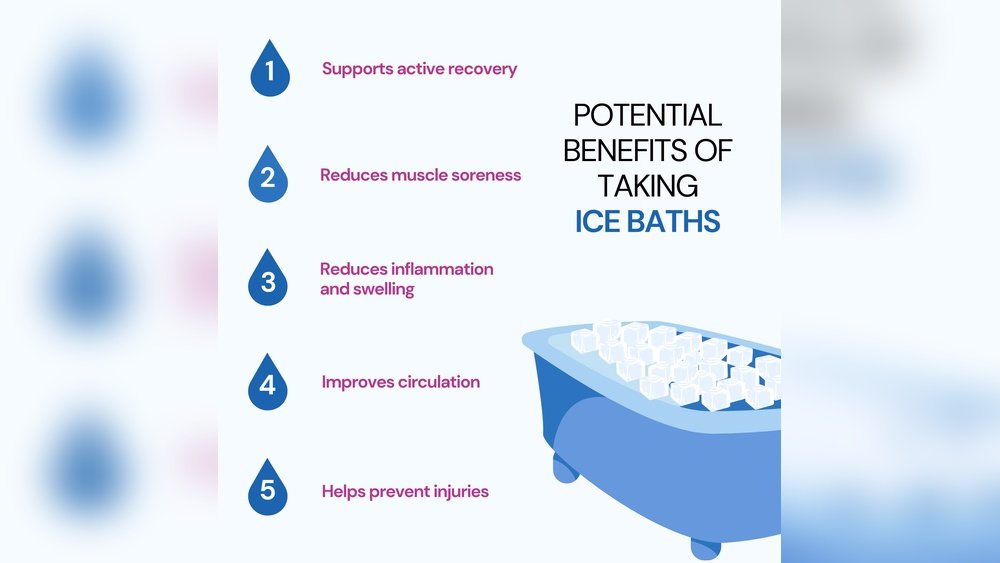
Ice baths are popular in sports like football, basketball, running, and weightlifting. They’re also used by people who work out at the gym or do intense physical jobs. The main reasons for taking ice baths are:
- To decrease soreness after exercise
- To reduce swelling or inflammation
- To speed up recovery
But do they really work as well as people hope? Let’s dig deeper.
How Ice Baths Affect The Body
When you step into an ice bath, your body reacts right away. The cold water causes your blood vessels to get smaller (a process called vasoconstriction). This reduces blood flow to your muscles and slows down the movement of fluids. As a result, you may notice less swelling and pain.
After you get out and warm up, your blood vessels open again (vasodilation), and fresh blood rushes back in. This can help wash away waste products from your muscles, like lactic acid and other byproducts of exercise.
Here’s a simple overview of what happens:
- Cooling the skin and muscles – Lowers temperature and may slow inflammation.
- Vasoconstriction – Shrinks blood vessels, limiting fluid and swelling.
- Reduced nerve activity – Numbs the area, which can lessen pain.
- Rewarming – Restores blood flow, which may help healing.
But the key question is: does this process actually reduce inflammation in a way that matters?
What The Science Says About Ice Baths And Inflammation
Many studies have looked at ice baths and their effects on muscle soreness and inflammation. The results are mixed. Some research shows benefits, while other studies find little or no effect.
Research Supporting Ice Baths
Some studies suggest that ice baths can reduce certain signs of inflammation. For example:
- One 2017 meta-analysis (a study of studies) found that cold water immersion after exercise can reduce feelings of muscle soreness up to 96 hours later.
- Some research shows a decrease in blood markers like creatine kinase (CK) and C-reactive protein (CRP), which are linked to muscle damage and inflammation.
This suggests that, for some people, ice baths can help with short-term recovery, especially after very intense or unusual exercise.
Research Showing Limited Effects
However, not all studies agree. Others show:
- The actual decrease in inflammation markers is small, and may not matter for most people.
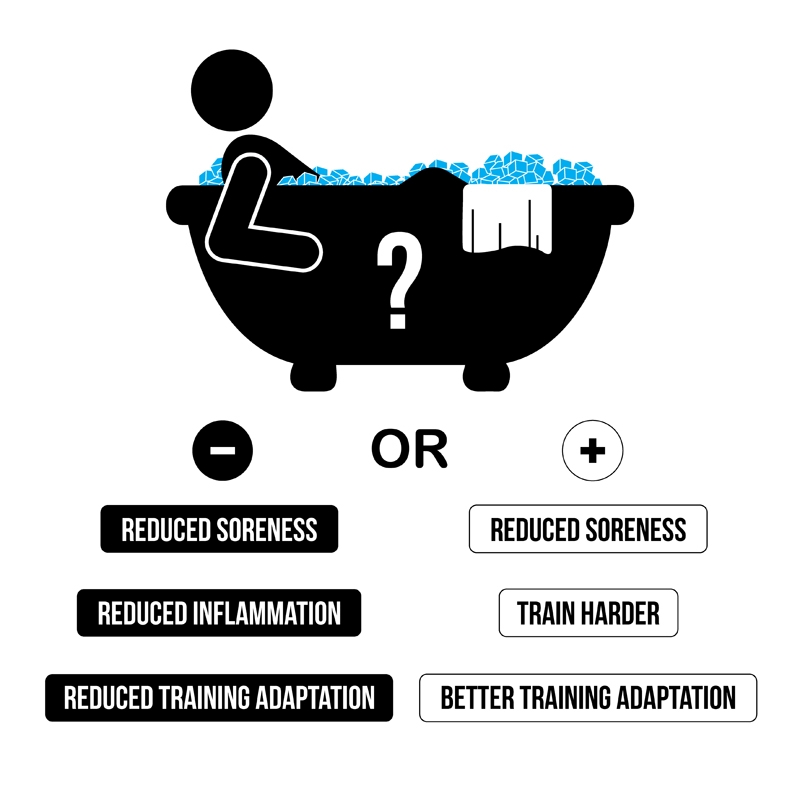
- Ice baths may not help with long-term muscle growth or adaptation. In fact, regular use might slow muscle building by blocking part of the natural healing response.
For example, a 2015 study in the Journal of Physiology found that ice baths after strength training reduced muscle size and strength gains compared to regular recovery.
Comparing Research Results
Here’s a summary of what different studies found:
| Study Type | Effect on Soreness | Effect on Inflammation | Muscle Growth |
|---|---|---|---|
| Short-term (1-4 days) | Moderate reduction | Small reduction in CK, CRP | No effect |
| Long-term (weeks-months) | Minimal effect | Little/no change | Possible decrease |
| After unusual exercise | Clear reduction | Some reduction | No clear effect |
What Does This Mean?
If you want to feel less sore for a few days, especially after a tough workout, ice baths might help. But if your goal is to build bigger, stronger muscles, using ice baths too often could actually slow progress. The effect on inflammation is real, but not dramatic.
How Do Ice Baths Compare To Other Recovery Methods?
Ice baths are just one way to manage inflammation. Other common options include:
- Compression sleeves or socks
- Active recovery (light exercise)
- Stretching and foam rolling
- Massage
- Anti-inflammatory medications (like ibuprofen)
- Rest and sleep
Each method has its own strengths. Here’s a comparison:
| Method | Inflammation Control | Muscle Soreness | Muscle Growth Impact | Ease of Use |
|---|---|---|---|---|
| Ice Bath | Moderate | Moderate | Possible negative (if used often) | Medium (needs setup) |
| Compression | Low-Moderate | Low-Moderate | No effect | High |
| Active Recovery | Low | Moderate | Positive | High |
| Massage | Low | High | No effect | Low (cost/time) |
| Anti-inflammatory Drugs | High | High | Possible negative (if overused) | High |
Ice baths stand out because they’re fast and can cover the whole body. But they’re not always better than simple rest or gentle movement.
When Are Ice Baths Most Useful?
Not everyone needs ice baths. They’re most helpful in a few situations:
1. After High-intensity Or Long Exercise Sessions
If you’ve just run a marathon, played a hard game, or lifted heavy weights for the first time, an ice bath may help you recover faster.
2. If You Have Several Events In A Short Time
For example, if you play in a tournament with games on back-to-back days, reducing soreness can help your performance.
3. When Pain Or Swelling Is Severe
Sometimes, soreness is so strong it stops you from moving well. A cold bath may give short-term relief.
4. When You Need To Feel Ready Quickly
If you have another workout or event soon, an ice bath might help you feel less tired or stiff.
How To Take An Ice Bath Safely
If you want to try an ice bath, safety is important. The water is cold enough to cause problems if you’re not careful.
Steps To Take An Ice Bath
1. Fill A Bathtub With Cold Water
The ideal temperature is 10°C to 15°C (50°F to 59°F). Add ice if needed.
2. Test The Water With Your Hand Or Foot
It should feel very cold but not painful.
3. Get In Slowly
Sit down first, then lower your body until your legs and hips are under water. You can keep your upper body out if it’s too uncomfortable.
4. Stay For 5 To 15 Minutes
Most people find 10 minutes is enough.
5. Dry Off And Warm Up
Put on warm clothes and move around gently to get your blood flowing again.
Safety Tips
- Don’t stay too long. More than 15 minutes can be dangerous.
- Never do ice baths alone. Have someone nearby, especially your first time.
- Don’t use ice baths if you have heart problems, circulation issues, or diabetes without talking to a doctor.
- Watch for numbness or tingling. If you feel pain, get out right away.
Practical Insights
- Start with shorter times if you’re new. Even 3-5 minutes can help.
- Use a timer so you don’t lose track.
- Warm drinks after can help your body return to normal.
Common Mistakes With Ice Baths
Many people use ice baths the wrong way or too often. Here are mistakes to avoid:
1. Making The Water Too Cold
Lower than 10°C (50°F) can cause skin or nerve damage.
2. Staying In Too Long
This raises your risk of hypothermia.
3. Using Ice Baths Every Day
This can slow down muscle growth or adaptation.
4. Not Drying And Warming Up After
You might stay chilled, which is uncomfortable and not helpful.
5. Ignoring Health Warnings
People with certain conditions should avoid extreme cold.
Who Should Avoid Ice Baths?
Ice baths are not for everyone. You should avoid them if:
- You have heart disease or high blood pressure
- You have poor circulation or nerve problems
- You are very young or elderly
- You have open wounds or skin problems
Always check with a healthcare provider if you’re not sure.
Ice Baths Vs. Other Cold Therapies
Ice baths are just one type of cold therapy. Others include:
- Cold showers
- Ice packs
- Cryotherapy chambers (use super-cold air, not water)
- Cold sprays or gels
Here’s how they compare:
| Type | Temperature | Body Area | Effectiveness | Cost |
|---|---|---|---|---|
| Ice Bath | 10-15°C (50-59°F) | Whole body or legs | High (for soreness) | Low |
| Cold Shower | 15-20°C (59-68°F) | Whole body | Moderate | Low |
| Ice Pack | 0°C (32°F) | Small area | High (for injuries) | Low |
| Cryotherapy Chamber | -110°C to -140°C (-166°F to -220°F) | Whole body | Unclear (less research) | High |
Ice baths offer a balance between cost, coverage, and effectiveness, especially for athletes.
Non-obvious Insights About Ice Baths And Inflammation
- Timing matters more than you think. Using ice baths right after a competition or intense session may help with pain, but doing them after every regular workout could slow your body’s natural adaptation. Use them for special recovery, not every day.
- Mental effects are real. Some people feel “tougher” or more refreshed after an ice bath. This boost can help confidence, even if the physical effect is small.
- Cold can numb pain without fixing the root cause. Ice baths may make you feel better quickly, but they don’t heal injuries or fix overtraining. They work best as part of a balanced recovery plan.
The Placebo Effect: Do Ice Baths Work Because We Believe In Them?
An interesting part of ice baths is the placebo effect. If you believe an ice bath will help, your brain might actually make you feel better, even if the physical effect is small. Some studies suggest that the feeling of doing something special for recovery is almost as important as the actual cold.
Should You Use Ice Baths For Chronic Inflammation?
So far, we’ve talked about acute inflammation—the kind you get after exercise. But what about people with long-term, chronic inflammation (like arthritis or autoimmune diseases)?
There’s little evidence that ice baths help with chronic inflammation. In fact, cold exposure might make joint pain worse for some people. If you have a long-term health condition, talk to your doctor first. Ice baths are not a cure for chronic inflammation.
Myths About Ice Baths
Many myths surround ice baths. Let’s clear up a few:
- Myth 1: Ice baths always speed up recovery.
Truth: They help with soreness for some people, but not everyone. They don’t heal injuries or replace rest.
- Myth 2: The colder the better.
Truth: Extremely cold water is dangerous and not more effective.
- Myth 3: Ice baths are only for elite athletes.
Truth: Anyone can try them, but most people don’t need them often.
- Myth 4: Ice baths prevent all muscle damage.
Truth: They may reduce swelling, but don’t stop muscle adaptation, unless used too often.
:max_bytes(150000):strip_icc()/VWH_Illustration_Contrast-Therapy-in-Physical-Therapy_Danie-Drankwalter_Final-e0dfdcae3d364ff3a5cd87c889684b82.jpg)
How To Decide If Ice Baths Are Right For You
Here are questions to ask yourself:
- Did you just do a very hard or new workout?
- Do you need to recover quickly for another event?
- Are you already using other recovery methods?
- Do you have any health conditions that make cold dangerous?
If your answer is yes to the first two, an ice bath might be worth a try. If you’re mostly doing normal exercise, simple rest and good sleep may be enough.
What Experts Recommend
Most sports doctors and trainers say:
- Use ice baths for special occasions, not daily.
- Combine ice baths with other recovery tools (stretching, nutrition, sleep).
- Listen to your body. If you feel worse after an ice bath, stop.
- Don’t use ice baths to cover up serious injury or pain.
You can read more about the science of recovery from the Wikipedia page on cryotherapy.
Frequently Asked Questions
What Temperature Should An Ice Bath Be?
The best temperature is 10°C to 15°C (50°F to 59°F). This is cold enough to help recovery but safe for most people. Don’t go lower unless you are experienced and have medical advice.
How Long Should I Stay In An Ice Bath?
Stay 5 to 15 minutes. Most benefits happen in the first 10 minutes. Staying longer increases the risk of cold-related problems.
Can Ice Baths Help With Injuries?
Ice baths may help with minor muscle soreness and swelling. For serious injuries (like sprains or tears), use an ice pack on the area and see a doctor. Ice baths are not a treatment for big injuries.
Are Ice Baths Safe For Everyone?
No. People with heart problems, circulation issues, or diabetes should avoid ice baths unless a doctor says it’s okay. Children and older adults should also be careful.
How Often Should I Do Ice Baths?
Only use ice baths after very hard workouts or competitions. Regular daily use is not recommended for most people, as it may slow muscle growth and adaptation.
Wrapping Up
Ice baths can reduce inflammation and muscle soreness, especially after intense exercise. But they’re not a magic fix, and using them too often can actually slow long-term progress. They’re best for athletes or people recovering from tough events, not for everyday use.
If you decide to try an ice bath, start slow, stay safe, and use it as one part of a balanced recovery plan. Most important, listen to your body and don’t rely on cold therapy alone. Recovery is about smart habits, not just tough moments in freezing water.