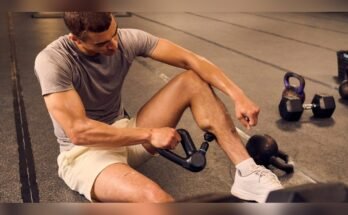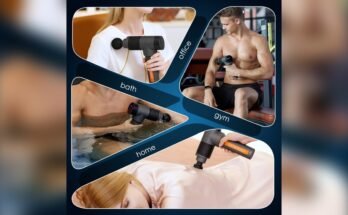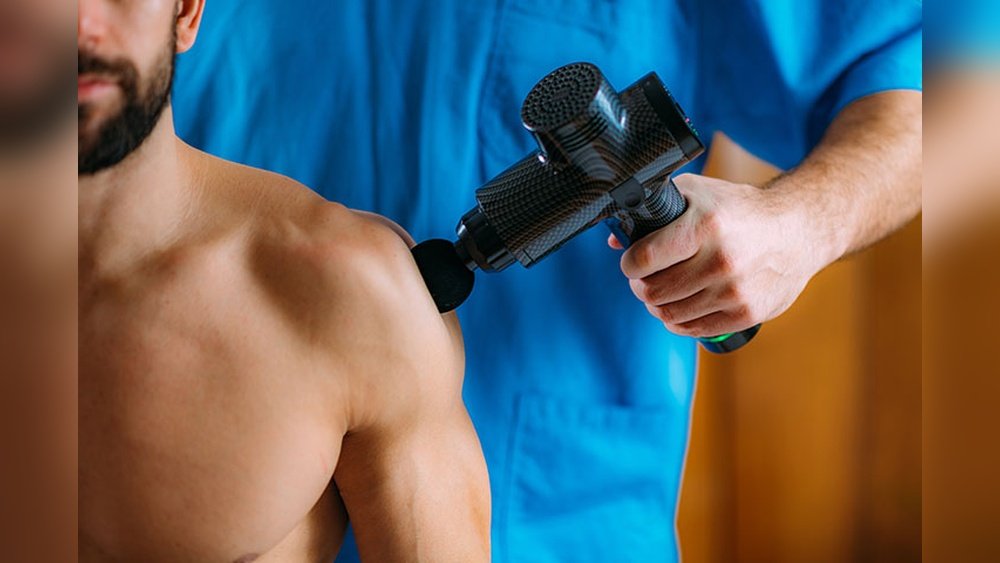
Many people look for ways to recover faster and feel less sore after exercise. One tool that has become popular is the massage gun. These handheld devices promise to relax muscles, reduce pain, and help the body bounce back after a tough workout. But can massage guns really be used after workouts? Are they safe? Do they work for everyone, or are there things you should know before you try one?
In this article, you’ll get clear answers backed by science and expert advice. You’ll learn how massage guns work, when and how to use them, what benefits and risks they have, and how to avoid common mistakes. Whether you’re an athlete, a casual gym-goer, or just curious, you’ll find everything you need to decide if a massage gun should be part of your post-workout routine.
How Massage Guns Work
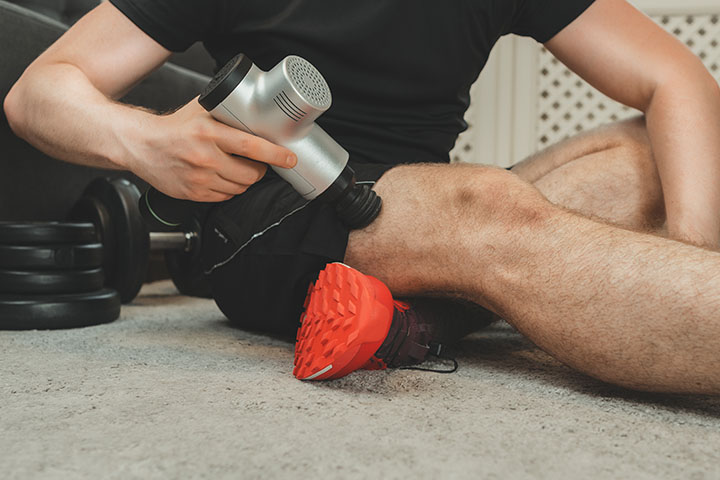
Massage guns, also called percussion massagers, use a fast-moving head to tap and vibrate your muscles. This is known as percussive therapy. The rapid movements of the massage head send pulses into the soft tissue. This is different from traditional massage, which relies more on pressure and kneading with hands.
The main idea is to:
- Increase blood flow to the area
- Loosen tight muscles and fascia (the layer around muscles)
- Reduce muscle soreness by helping move waste products like lactic acid
Most devices let you choose different speeds and attachments for different muscle groups. Some also claim to improve range of motion and flexibility.
Why People Use Massage Guns After Exercise
Many people feel stiff, sore, or tired after a workout. This is called Delayed Onset Muscle Soreness (DOMS). It usually starts 12–24 hours after exercise and can last up to 72 hours. DOMS is caused by tiny tears in the muscle fibers, inflammation, and the buildup of waste products.
Here’s why people use massage guns after workouts:
- Reduce soreness: By increasing blood flow, massage guns may help remove waste and bring nutrients that speed up healing.
- Relax tight muscles: Hard training can cause muscles to feel stiff. Percussion can help them loosen up.
- Improve flexibility: Some claim that using a massage gun helps them stretch better and move more easily the next day.
- Faster recovery: Athletes want to get back to training as soon as possible. Massage guns are seen as a way to recover faster.
- Convenience: You don’t need to book a massage or ask someone for help. You can use a massage gun at home, anytime.
What The Science Says About Massage Guns After Workouts
Research on massage guns is still new, but studies on percussive therapy and vibration therapy offer useful clues.
Studies On Soreness And Recovery
A 2020 study published in the Journal of Clinical Medicine found that using a massage gun for five minutes after exercise reduced muscle soreness by about 30% compared to doing nothing. Another study from 2014 showed vibration therapy helped athletes recover muscle strength and flexibility faster than rest alone.
However, not all studies find big effects. Some show only small or short-term reductions in pain. The results can depend on the person, the type of exercise, and how the massage gun is used.
Effects On Blood Flow And Muscle Function
Research shows that percussive therapy increases blood flow to the area for up to 10–15 minutes. This can help bring oxygen and nutrients for repair. Some studies suggest that using a massage gun after a workout may help restore muscle strength and lower the risk of cramps.
Comparison With Other Recovery Tools
Here’s a quick look at how massage guns compare to other recovery tools:
| Method | Muscle Soreness Relief | Ease of Use | Cost |
|---|---|---|---|
| Massage Gun | Good | Easy (self-use) | Medium–High |
| Foam Roller | Good | Moderate (requires technique) | Low |
| Manual Massage | Very Good | Requires another person | High |
| Stretching | Some Relief | Easy | Low |
| Ice Bath | Moderate | Uncomfortable | Low–Medium |
Key insight: Massage guns are effective, but not always better than other tools. The main advantage is convenience and targeted action.
Benefits Of Using A Massage Gun After A Workout
1. Reduces Muscle Soreness
One of the main reasons people use massage guns is to feel less sore after working out. By increasing blood flow and helping the body clear waste products, massage guns may reduce DOMS and help you feel better, faster.
2. Speeds Up Recovery
After intense exercise, muscles need to repair. Faster blood flow brings oxygen and nutrients that help rebuild muscle fibers. This may help you get back to training sooner.
3. Improves Flexibility And Range Of Motion
Tight muscles can limit how far you can move. A massage gun can help loosen up tissues, so you can stretch more easily and reduce the risk of injury in your next workout.
4. Breaks Up Knots And Tension
Everyone gets muscle knots or trigger points. These are tight spots that feel tender or painful. Massage guns can target these areas and help release tension.
5. Convenience And Control
Unlike a regular massage, you can use a massage gun at home, at the gym, or even at work. You control the speed, pressure, and location, making it easy to focus on problem areas.
6. May Improve Sleep
Some people report that relaxing muscles with a massage gun after exercise helps them sleep better, possibly by lowering stress and calming the nervous system.
When To Use A Massage Gun After Exercise
Timing Matters
The best time to use a massage gun is soon after your workout—within 30 minutes if possible. This is when your muscles are warm, and blood flow is still high. Using the device right away may help reduce the buildup of soreness and stiffness.
You can also use a massage gun later in the day or even the next morning if you still feel sore. Some athletes use them both before and after exercise (but the focus here is post-workout use).
How Long Should You Use It?
Most experts recommend 1–2 minutes per muscle group. You don’t need to spend a long time on each area. Too much can cause irritation or even bruising. Focus on areas that feel tight or sore, and avoid bony areas or joints.
How Hard Should You Press?
Gentle to moderate pressure is best, especially right after exercise. Start on the lowest setting and increase only if you feel comfortable. Pressing too hard does not give better results and can do more harm than good.
How To Use A Massage Gun Safely
Using a massage gun is simple, but there are important tips to follow to avoid injury:
- Start slow: Begin with the lowest speed and increase as needed.
- Move slowly: Glide the device over the muscle, not on bones or joints. Keep moving; don’t hold it in one spot for more than a few seconds.
- Avoid sensitive areas: Do not use the massage gun on the neck, spine, head, or injured skin.
- Limit session time: Total use should not exceed 15–20 minutes per session.
- Listen to your body: If you feel pain, numbness, or tingling, stop immediately.
Who Should Not Use A Massage Gun?
Some people should not use massage guns, or should talk to a doctor first:
- People with blood clotting disorders
- If you use blood thinners
- If you have varicose veins, open wounds, or skin infections
- People with nerve damage or neuropathy
- After recent surgery or serious injury
If you’re unsure, always check with a healthcare provider.

Common Mistakes To Avoid
Many beginners make mistakes when using massage guns. Here are key points to watch for:
1. Using Too Much Pressure
More force does not mean better results. Pressing too hard can cause bruising, irritation, or even muscle damage.
2. Staying In One Spot Too Long
Leaving the massage gun in one place for more than 10–15 seconds can hurt the tissue. Always keep the head moving.
3. Using On Injured Or Sensitive Areas
Never use a massage gun on swollen, bruised, or injured areas. This can make the injury worse and slow down healing.
4. Ignoring Pain
You should feel pressure and maybe a little discomfort, but never sharp pain or numbness. If you do, stop right away.
5. Not Cleaning The Device
After every use, wipe down the attachments. Sweat and oils can build up and cause skin irritation or infection.
6. Overusing The Massage Gun
Using it too often can lead to muscle fatigue or delayed healing. Stick to once per day for each muscle group, or follow the device’s instructions.
Non-obvious tip: If you feel more sore after using the massage gun, you may be using it too long or on the wrong settings. Less is often more.
Areas To Target After Your Workout
Some muscle groups benefit more from massage guns, especially after common workouts. Here’s a summary:
| Workout Type | Muscles to Target | Common Attachments |
|---|---|---|
| Running/Cardio | Quads, Hamstrings, Calves, Glutes | Large ball, flat head |
| Weightlifting (Upper Body) | Chest, Shoulders, Upper Back, Triceps, Biceps | Flat head, bullet head |
| Weightlifting (Lower Body) | Quads, Hamstrings, Calves, Glutes | Large ball, fork head |
| HIIT/Full Body | Back, Legs, Arms | Large ball, flat head |
| Yoga/Flexibility | Hip flexors, Glutes, Lower Back | Flat head |
Pro tip: Try switching attachments based on the muscle size. Large ball heads are good for big muscles like the thighs; bullet heads are for small knots.
Are Massage Guns Better Than Other Recovery Methods?
Massage guns are one of many recovery tools. Here’s a quick overview of how they compare to others:
Massage Guns Vs. Foam Rollers
- Massage guns are more targeted and require less effort. You can use them anywhere.
- Foam rollers cover larger areas but require you to move your body weight over the roller. They are cheaper but can be uncomfortable for some people.
Massage Guns Vs. Professional Massage
- Professional massage is more precise and can address deeper problems.
- Massage guns are faster, more affordable over time, and available anytime.
Massage Guns Vs. Stretching
- Stretching improves flexibility, but does not give the same deep tissue effect.
- Massage guns help relax tight muscles, making stretching easier.
Massage Guns Vs. Ice Baths
- Ice baths help reduce inflammation but are uncomfortable and not practical for everyone.
- Massage guns are more pleasant and easier to use, but may not help as much with swelling.
What To Look For In A Massage Gun
If you want to buy a massage gun, focus on these features:
- Speed Settings: Multiple speeds give more control for different areas.
- Attachments: Different heads for large or small muscles.
- Battery Life: Longer battery means more sessions before charging.
- Noise Level: Quieter models are more pleasant to use.
- Weight and Size: Lighter devices are easier to handle.
- Warranty: Look for at least a one-year warranty.
Avoid buying the cheapest models with poor reviews. Quality matters for both results and safety.
For more on choosing fitness devices, see this Healthline guide.
Advanced Tips For Better Results
1. Combine With Stretching
Using a massage gun right after stretching can help muscles relax even more. Try gentle stretching before and after using the device.
2. Use Before Bed
A short massage session before sleep can calm the nervous system and improve sleep quality, especially after a hard workout.
3. Drink Water
Massage helps move waste out of muscles. Drinking water after your session helps the body flush out toxins and recover faster.
4. Track Your Progress
Keep a log of when and how you use your massage gun. Note if you feel less sore, recover faster, or sleep better. This helps you find the best routine for your body.
5. Don’t Skip Warm-up
Massage guns are great after workouts, but never use them to replace a warm-up. Use them after exercise, not before as your only preparation.
Who Gets The Most Benefit From Massage Guns?
Massage guns are helpful for many people, but some groups benefit the most:
- Athletes: Especially those in strength sports, running, or team sports.
- People with busy schedules: You can fit a massage into short breaks.
- Older adults: If cleared by a doctor, massage guns can help keep muscles loose and flexible.
- People with desk jobs: Using a massage gun after work can ease tight shoulders and back.
However, if you have medical conditions, always check with your doctor first.
Are There Any Risks?
While massage guns are safe for most healthy people, there are some risks:
- Bruising: If used too hard or too long.
- Nerve damage: Rare, but possible if used incorrectly.
- Worsening injuries: Using on acute injuries can make things worse.
If you have any doubt, talk to a healthcare professional before starting.
Personal Stories: Real Experiences
Many people share positive stories about using massage guns after workouts. For example, a runner named Jake found that using a massage gun on his calves after long runs reduced his soreness from three days to just one. A weightlifter, Maria, reported that her flexibility improved and she could train harder with less downtime.
However, some people report little effect, or even more soreness if they use the device too long or with too much pressure. Everyone’s body responds differently, so start slow and adjust as needed.

Frequently Asked Questions
How Soon After A Workout Can I Use A Massage Gun?
You can use a massage gun immediately after your workout, while your muscles are still warm. This is the best time to help reduce soreness and stiffness.
Are Massage Guns Safe For Everyone?
Most healthy adults can use massage guns safely. However, people with blood clotting problems, recent injuries, nerve damage, or skin issues should talk to a doctor first.
How Long Should I Use A Massage Gun After Exercise?
Use the device for 1–2 minutes per muscle group. Total session time should not be more than 15–20 minutes to avoid overuse and possible injury.
Can I Use A Massage Gun Every Day?
Yes, but only on different muscle groups and not for long periods. Overuse can cause fatigue or bruising. Listen to your body and adjust as needed.
Do Massage Guns Replace Stretching Or Other Recovery Methods?
No. Massage guns are a useful addition to your recovery routine, but should not replace stretching, good nutrition, rest, or other healthy habits.
Final Thoughts
Massage guns can be a valuable tool after workouts. They help reduce soreness, speed up recovery, and relax tight muscles—all with the convenience of home use. While they are not magic, and results vary from person to person, most people find them helpful when used correctly.
Remember to start slow, avoid sensitive areas, and combine with other good recovery habits.
If you’re thinking about adding a massage gun to your routine, be sure to choose a quality device, follow safety guidelines, and listen to your body. And if you have any medical concerns, check with a healthcare professional first. With smart use, a massage gun can make your post-workout recovery faster and more comfortable.