Many people want to make their workouts safer and more effective. One tool that’s become popular for this is the massage gun. You have probably seen athletes or fitness fans using these devices before or after exercise. But there’s a big question: Can massage guns be used for warm-up? Let’s break down the science, the benefits, and the right way to use a massage gun before your next workout. By the end, you’ll know if adding this tool to your warm-up routine is a smart move.
What Is A Massage Gun And How Does It Work?
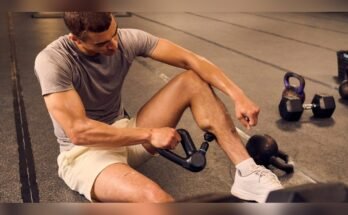
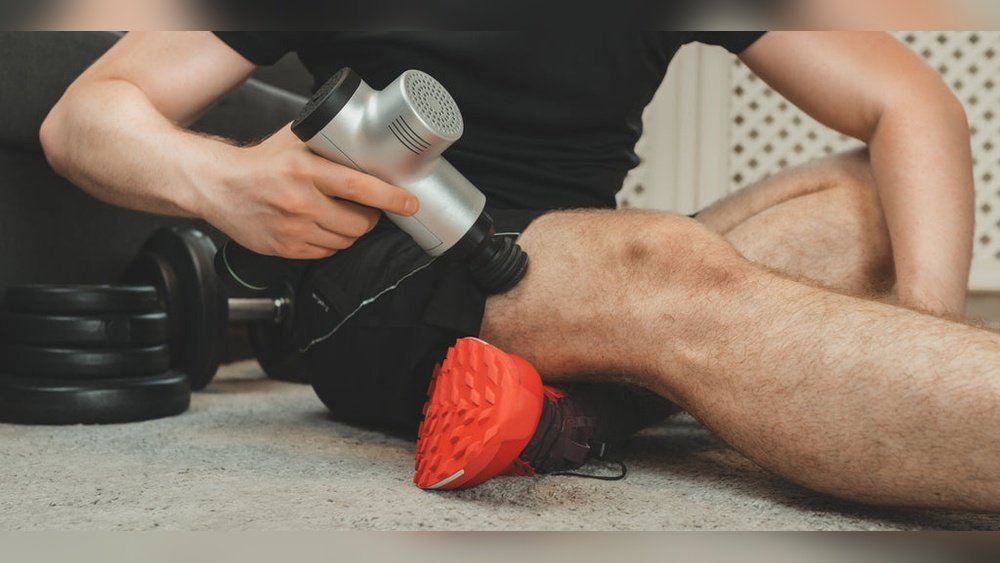
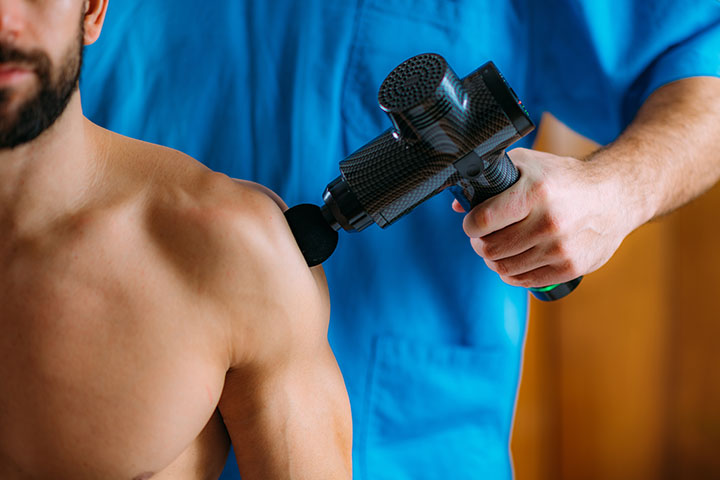
A massage gun is a handheld device that delivers rapid pulses or vibrations to muscles. It looks a bit like a small power drill, with a soft attachment at the end. When you turn it on and press it against your skin, it moves quickly in and out. This action is called percussive therapy or vibration therapy. The idea is to target muscle tissue deeply without needing a professional massage.
These devices have become very popular because they’re easy to use, portable, and can give relief fast. Some people use them to recover after a hard workout, while others use them before exercise to get their muscles ready.
Why Is Warming Up Important?
Before we look at massage guns, let’s remember why warm-ups matter. A good warm-up:
- Raises your muscle temperature
- Increases blood flow to working muscles
- Improves joint mobility
- Prepares your heart and lungs for exercise
- Lowers the risk of injury
Traditional warm-ups often include light cardio (like jogging or cycling) and dynamic stretching (moving stretches like leg swings). These activities slowly raise your core temperature and get your body ready for more intense work.
Skipping a warm-up can make your muscles stiff and slow to respond. This means you might not perform as well and could get hurt more easily.
How Does Percussive Therapy Affect Muscles?
Massage guns use percussive therapy, which is different from static stretching or foam rolling. But what does this technique do to your muscles? Research shows a few key effects:
- Increased blood flow: The rapid tapping helps open up blood vessels, sending more oxygen to the area.
- Reduced muscle tension: Tight spots, or “knots,” become less stiff after a few minutes of vibration.
- Nervous system activation: The fast pulses signal your nerves to become more alert, which may help with muscle coordination.
- Temporary rise in muscle temperature: Similar to light cardio, the mechanical movement can make muscles feel warmer and more flexible.
One study from 2014 found that vibration therapy helped improve flexibility and range of motion in the hamstrings. Another study in 2020 showed that athletes who used percussive devices before exercise felt less muscle soreness afterward.
However, massage guns are not a magic fix. They do not replace the need for movement-based warm-ups. Instead, they may add extra benefits when used with other warm-up methods.
Can Massage Guns Be Used For Warm-up?
The short answer is yes, massage guns can help with warming up—if you use them the right way. Here’s what current research and expert opinions say:
- Massage guns help increase blood flow quickly to the muscles you plan to use.
- They can improve short-term flexibility and reduce feelings of stiffness.
- When used before exercise, many people report feeling more “awake” and ready to move.
- They are not enough on their own. You still need to include some movement to prepare your heart, lungs, and joints.
The best approach is to use a massage gun as part of your warm-up routine—not as the only step.
Benefits Of Using A Massage Gun During Warm-up
There are several clear benefits to using a massage gun before exercise. Let’s look at them in detail.
1. Faster Muscle Activation
Massage guns target muscles directly. This means you can “wake up” sleepy muscles in just a few minutes. Athletes often use them to activate glutes, quads, or calves before running or jumping. Faster muscle activation can lead to better performance, especially in sports that need explosive power.
2. Improved Range Of Motion
Tight muscles limit how far you can move a joint. Massage guns help loosen these tight spots quickly. Studies have shown that using percussive therapy for just 2–5 minutes can improve range of motion in the hips, shoulders, and hamstrings. This is valuable for athletes who need flexibility, like dancers or gymnasts.
3. Reduced Muscle Stiffness
If you feel stiff or sore before a workout, a massage gun can help reduce this feeling. The vibrations relax tight muscle fibers, making it easier to move without discomfort. This is especially useful if you have been sitting for a long time or are coming back after a break.
4. Quicker Warm-up (time Saving)
A traditional warm-up can take 10–20 minutes. Massage guns can give similar muscle effects in just 2–5 minutes per area. For busy people, this means you can prepare your body for exercise even if you are short on time.
5. Greater Mind-muscle Connection
When you use a massage gun, you focus on specific muscles. This can help your brain connect to those muscles better, a concept called “mind-muscle connection. ” This is important for athletes doing strength training or activities that require precise movement.
How To Use A Massage Gun For Warm-up
Using a massage gun before exercise is simple, but some tips will help you get the most out of it. Here’s how to do it safely and effectively.
Step 1: Choose The Right Attachment
Most massage guns come with several heads. For warm-up, use:
- Large round head for big muscles (quads, hamstrings, glutes)
- Flat head for chest or back
- Fork head for the calves or along the spine (not directly on bones)
- Avoid the pointed head for warm-up—it’s for deep knots, not general muscle prep
Step 2: Start On Low To Medium Speed
Begin with a low or medium setting. High speeds are not needed for warming up and may cause discomfort if you’re not used to them.
Step 3: Glide Slowly Over Each Muscle
Move the massage gun slowly along the muscle you want to warm up. Spend 30–60 seconds on each area. For example:
- Quads: 1 minute each leg
- Hamstrings: 1 minute each leg
- Calves: 30–45 seconds each leg
- Shoulders: 30–45 seconds each side
Do not press too hard. The weight of the device is enough.
Step 4: Avoid Bony Areas And Joints
Only use the massage gun on muscle tissue. Stay away from joints, bones, the front of the neck, or the lower back near the kidneys.
Step 5: Combine With Dynamic Movement
After using the massage gun, do 5–10 minutes of dynamic stretching or light cardio (like jogging or jumping jacks). This helps raise your heart rate and fully prepares your body.
Sample Warm-up Routine With Massage Gun
- Use the massage gun on your target muscles (4–6 minutes total)
- Follow with dynamic stretches (5–8 minutes)
- Start your main workout
Who Can Benefit Most From Massage Guns During Warm-up?
Massage guns are not just for professional athletes. Many people can benefit, especially:
- Athletes who need to perform at their best
- People with stiff muscles from sitting or poor posture
- Older adults who want to move better and avoid injury
- Anyone recovering from injury (with their doctor’s approval)
- Fitness beginners who feel sore or stiff before workouts
However, those with certain health issues (like blood clots, severe osteoporosis, or nerve problems) should ask a doctor before using a massage gun.
Comparing Massage Guns To Other Warm-up Methods
Let’s see how massage guns stack up against other common warm-up tools.
| Method | Muscle Activation | Flexibility | Cardio Effect | Time Needed |
|---|---|---|---|---|
| Massage Gun | High | Moderate to High | Low | 2–8 min |
| Dynamic Stretching | Moderate | High | Moderate | 5–10 min |
| Foam Rolling | Moderate | Moderate | None | 5–12 min |
| Light Cardio (Jogging) | Low | Low | High | 5–10 min |
As you can see, massage guns are best for quick muscle activation and flexibility. However, they do not raise your heart rate much, so they should be paired with movement-based warm-ups.
Common Mistakes When Using Massage Guns For Warm-up
Massage guns are easy to use, but people sometimes make mistakes that reduce their benefits or even cause harm.
1. Skipping Cardio Or Movement
Some think a massage gun alone is enough. But without any movement, your heart and lungs don’t get ready for exercise. Always add at least 5 minutes of movement after using the massage gun.
2. Using Too Much Pressure
Pushing the device hard into your muscles can cause bruising or pain. Let the massage gun do the work. If you feel pain, reduce the pressure.
3. Spending Too Long On One Spot
Staying in one place for too long can irritate nerves or blood vessels. Move the gun slowly, and do not spend more than 1 minute on a single area.
4. Using On Injured Or Sensitive Areas
Do not use the massage gun on open wounds, swollen joints, or areas with numbness. This can make the injury worse.
5. Ignoring Manufacturer’s Guidelines
Read the instructions that come with your device. Some massage guns have special rules for use, like maximum time or speed settings.
Scientific Evidence And Expert Opinions
There is growing research on massage guns and percussive therapy. Here are a few key findings:
- A 2020 study in the Journal of Sports Science & Medicine found that vibration therapy increased range of motion in the lower body without reducing muscle strength.
- A 2019 review showed that percussive therapy reduced muscle soreness after exercise, though more research is needed on long-term effects.
- Physical therapists and sports trainers often recommend massage guns as part of a balanced warm-up, especially for people with muscle tightness.
However, experts warn that massage guns are not a replacement for full-body movement. They should be used alongside other warm-up methods for best results.
When Not To Use A Massage Gun For Warm-up
Massage guns are safe for most people, but there are cases when you should avoid them:
- Recent injuries: Don’t use on bruises, sprains, or fractures.
- Blood clotting disorders: The vibration could increase the risk of clots moving.
- Pregnancy: Avoid using on the belly, lower back, or legs unless approved by a doctor.
- Nerve issues: People with neuropathy or nerve pain should check with a healthcare provider.
If you have any doubts, talk to a physical therapist or doctor before adding a massage gun to your routine.
How Massage Guns Feel Compared To Other Warm-up Tools
Some people wonder if a massage gun “feels” the same as foam rolling or stretching. Here’s a simple comparison.
| Tool | Sensation | Intensity | Best For |
|---|---|---|---|
| Massage Gun | Deep vibration, “pulsing” | Adjustable | Quick relief, targeting small areas |
| Foam Roller | Broad, even pressure | Medium to High | Large muscle groups, general warm-up |
| Stretching | Gentle pull | Low to Medium | Flexibility and joint mobility |
A massage gun can feel more intense and focused than a foam roller, but it’s less useful for big areas at once. Some people like to combine tools for best results.
Tips For Getting The Most From Your Warm-up With A Massage Gun
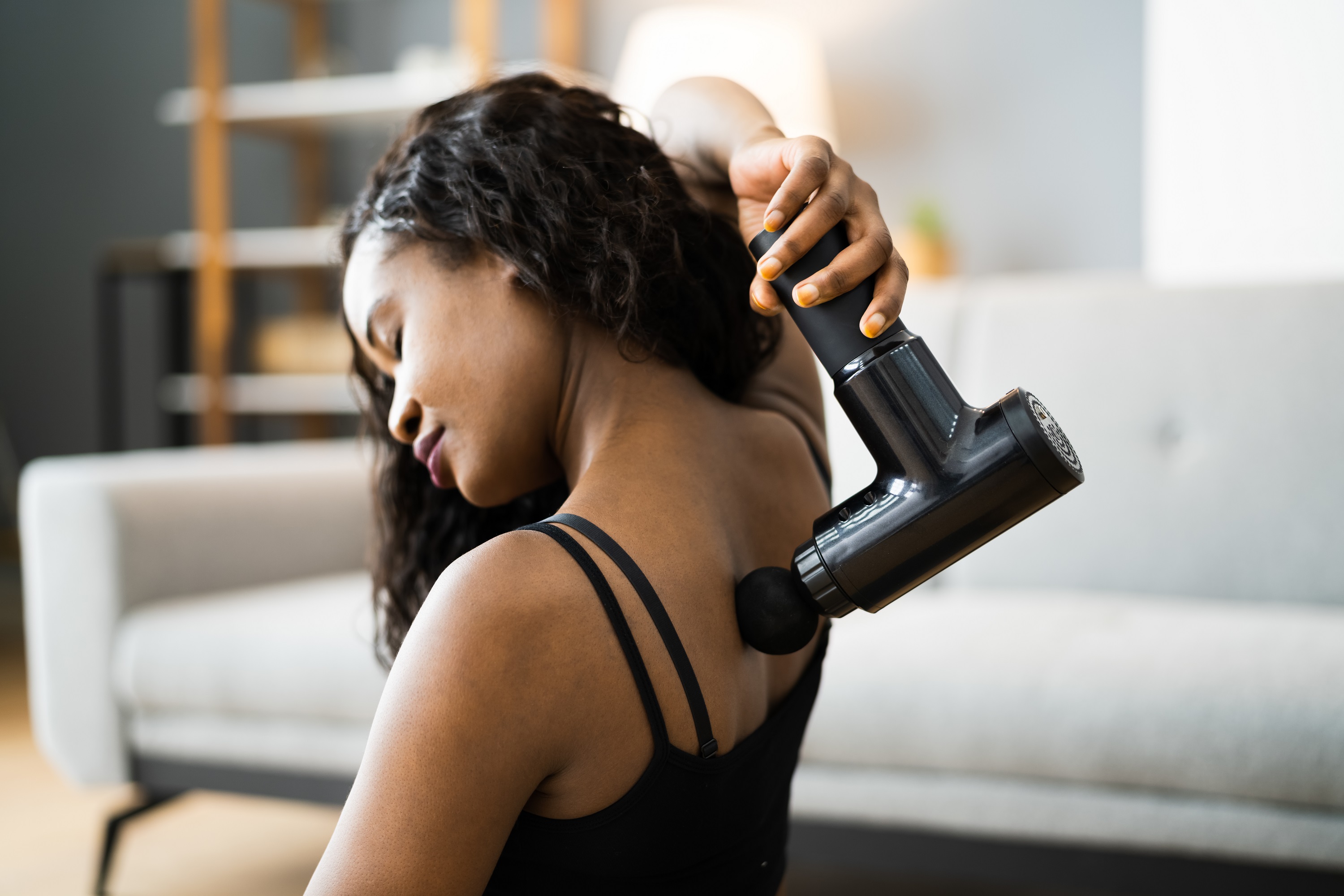
To maximize the benefits, try these strategies:
- Plan ahead: Know which muscles you’ll use during your workout and target them.
- Stay consistent: Use the massage gun before every workout, not just when you feel stiff.
- Pair with movement: Add dynamic stretches or light cardio to fully prepare your body.
- Listen to your body: If you feel pain or numbness, stop and adjust your technique.
- Keep sessions short: 4–8 minutes is usually enough.
One non-obvious tip: Use the massage gun on both the working muscles (like quads for squats) and the opposing muscles (like hamstrings). This can help balance flexibility and stability.
Another insight: If you train early in the morning, a massage gun can help “wake up” muscles that are still stiff from sleep. Just be gentle, as your body is less warm at this time.
Can Beginners Use Massage Guns For Warm-up?
Absolutely. Beginners often have more muscle tightness and less body awareness. A massage gun can help them feel ready and more confident before exercise. However, beginners should:
- Start with low speed and light pressure
- Focus on large muscle groups
- Avoid using on joints or very small muscles until they gain experience
If you are new to massage guns, try using them at home before your workout to get comfortable with the feeling.
Cost, Accessibility, And Alternatives
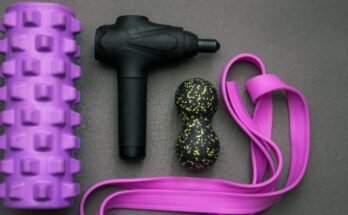
Massage guns range from $30 for basic models to $600 for professional devices. Most gyms do not provide them, so you may need to buy your own. If a massage gun is too expensive or not available, foam rollers or massage balls are good alternatives for muscle activation.
For more on the science behind massage guns and percussive therapy, you can check the Wikipedia entry on percussive therapy.
Frequently Asked Questions
Can I Use A Massage Gun Every Day Before Exercise?
Yes, you can use a massage gun daily as part of your warm-up. Just make sure not to use it on injured or sensitive areas, and limit each muscle to 1 minute or less. If you feel sore or bruised, take a break for a day.
Is A Massage Gun Better Than Stretching For Warm-up?
A massage gun is not a replacement for stretching. It works best when used with dynamic stretches or light cardio. Stretching improves joint mobility and flexibility, while a massage gun focuses on reducing muscle tightness.
How Long Should I Use A Massage Gun During Warm-up?
Spend about 30–60 seconds on each muscle group you plan to use. The whole warm-up session with a massage gun should take 4–8 minutes. Do not overuse, as this can cause discomfort.
Can Massage Guns Help Prevent Injuries?
They can reduce the risk of muscle strain by loosening tight muscles and improving blood flow. However, they do not replace proper exercise technique, stretching, or strength training. Always use them as part of a full warm-up routine.
Who Should Avoid Using Massage Guns For Warm-up?
People with blood clotting disorders, recent injuries, nerve problems, or certain medical conditions should avoid massage guns or consult a doctor before use. Pregnant women should avoid using them on the belly, lower back, or legs without medical advice.

Final Thoughts
Massage guns are a useful tool for warming up muscles before exercise. They can help you move better, reduce stiffness, and save time. But they work best when combined with traditional warm-up activities like dynamic stretching and light cardio. By using a massage gun wisely, you can prepare your body for safe, effective workouts—no matter your fitness level. Listen to your body, follow safety tips, and enjoy the benefits of modern recovery technology.