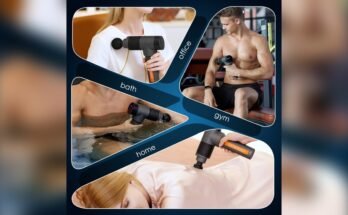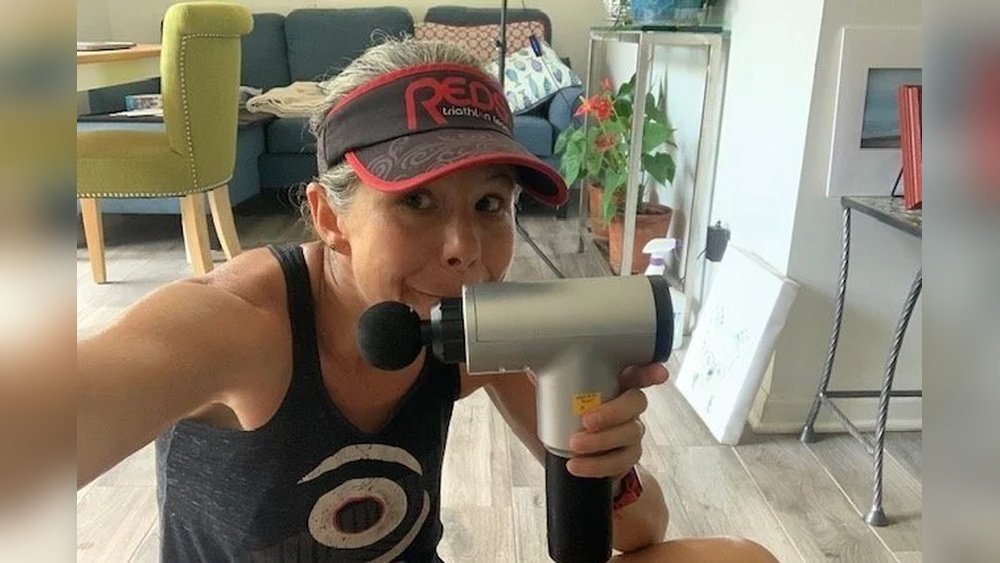
Massage guns have become a popular tool for muscle recovery, pain relief, and relaxation. You can find them in gyms, homes, and even physical therapy clinics. Their promise is simple: use quick, strong pulses to help your muscles feel better, recover faster, and prevent injuries. But with their growing popularity, a question often comes up: Can massage guns cause injury?
Many people trust massage guns to boost their health, but not everyone uses them safely. You might have seen dramatic ads or social media posts showing deep tissue relief and instant results. The reality is more complex. While massage guns offer real benefits, using them incorrectly can lead to pain, bruises, and even serious injuries.
In this article, you’ll learn how massage guns work, who should be careful, and the science behind both their benefits and risks. You’ll see real-world examples, comparison tables, expert tips, and answers to common questions. If you want to use a massage gun or are worried about possible harm, this guide will help you make smart, safe choices.
How Massage Guns Work
Massage guns, also known as percussive therapy devices, use rapid, repetitive bursts of pressure to the muscle. They usually have a motor that moves an attachment back and forth, hitting the muscle at a rate of 1,200 to 3,200 times per minute. The main goal is to increase blood flow, reduce muscle tightness, and speed up recovery.
Key Features Of Massage Guns
- Percussion speed: How fast the head moves (measured in percussions per minute)
- Amplitude: How far the head travels with each hit (usually 10–16 mm)
- Force: The strength of each hit, measured in pounds or kilograms
- Attachments: Different shapes and materials for different muscles
Benefits Of Percussive Therapy
Clinical studies show that massage guns can help with:
- Delayed onset muscle soreness (DOMS)
- Muscle stiffness
- Increased range of motion
- Pain relief
But not all muscles or people respond the same way. Using a massage gun in the right way is key.
Common Injuries Caused By Massage Guns
Massage guns are generally safe, but misuse can lead to a range of injuries. These can be minor, like bruises, or major, like nerve damage. Below are the most reported injuries.
1. Bruising And Hematomas
Too much pressure or staying too long on one spot can break small blood vessels under the skin, leading to bruises or larger blood collections called hematomas.
2. Muscle Strain
Applying a massage gun to a muscle that’s already sore, inflamed, or injured can make the damage worse. Muscle strain can result from overuse or pressing too hard.
3. Nerve Injury
Nerves run close to the skin in some areas, such as the elbow (ulnar nerve) or behind the knee (sciatic nerve). Using a massage gun over these spots can cause numbness, tingling, or shooting pain.
4. Blood Vessel Damage
People with thin skin or blood disorders are at risk of blood vessel injury, which can lead to swelling, bleeding, or even blood clots in rare cases.
5. Bone Bruising
If you use a massage gun directly over bone (like the shin or collarbone), you might cause bone bruising, which is painful and slow to heal.
6. Worsening Of Medical Conditions
Massage guns can make some health conditions worse—like varicose veins, deep vein thrombosis (DVT), or osteoporosis. Always check with a doctor if you have a medical condition.
7. Skin Irritation And Burns
Some devices heat up with long use. Combined with friction, this can cause skin irritation, redness, or even burns.
Who Is Most At Risk?
Massage guns aren’t dangerous for everyone, but certain groups should be more careful.
People With Medical Conditions
- Blood clotting disorders: Higher risk of bruising and internal bleeding
- Diabetes: Slower healing and higher infection risk
- Osteoporosis: Fragile bones that can break easily
- Nerve disorders: Already sensitive nerves can be further damaged
Elderly Users
Older adults have thinner skin and weaker blood vessels. They’re more likely to get bruises or skin injuries.
Pregnant Women
There’s little research on using massage guns during pregnancy. Pressure on the abdomen, lower back, or legs could cause complications.
Children And Teenagers
Younger bodies are still growing. Strong vibrations could harm developing tissues.
How To Use A Massage Gun Safely
Using a massage gun the right way can prevent almost all injuries. Here’s a step-by-step guide:
1. Choose The Right Attachment
Each head is made for a different muscle group. For example:
- Round head: General use, large muscles
- Fork head: Spine or Achilles tendon (with caution)
- Bullet head: Deep tissue or trigger points
- Flat head: Sensitive or bony areas
2. Start At The Lowest Speed
Begin on the lowest setting. Increase only if you don’t feel pain or discomfort.
3. Limit Session Time
Do not use a massage gun on one area for more than 1–2 minutes. Move in small circles or lines. For a whole session, 10–15 minutes is enough.
4. Avoid Sensitive Areas
Never use a massage gun on:
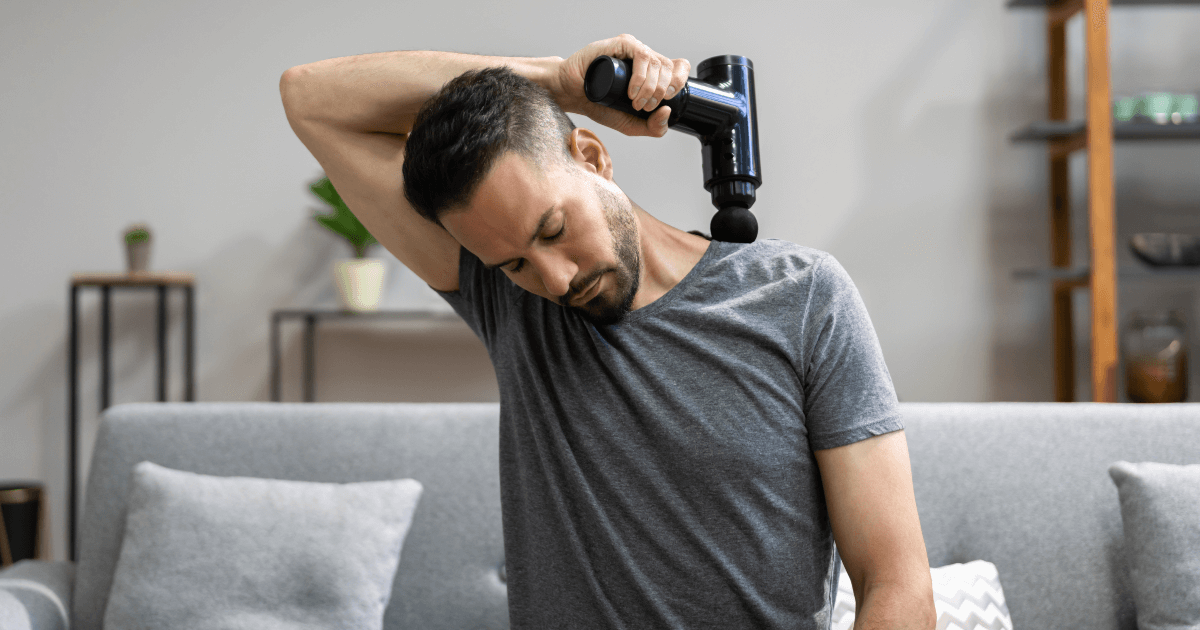
- The neck or throat
- Joints (elbows, knees, ankles)
- The spine (directly on the bone)
- Open wounds, bruises, or infections
5. Watch For Warning Signs
Stop if you feel:
- Sharp pain
- Numbness or tingling
- Unusual swelling
- Severe redness or warmth
6. Clean And Maintain The Device
Wipe attachments after each use. Replace any worn or broken parts.
Comparing Massage Guns To Other Recovery Tools
How do massage guns stack up against traditional tools like foam rollers, manual massage, or stretching? Here’s a comparison:
| Tool | Pros | Cons |
|---|---|---|
| Massage Gun | Deep, targeted relief; Fast results; Portable | Risk of misuse; Expensive; Noisy |
| Foam Roller | Cheap; Good for large muscle groups; Easy to use | Hard to target small spots; Can be painful |
| Manual Massage | Personalized; Therapist can adjust pressure; Relaxing | Costly; Not always available; Takes time |
| Stretching | Improves flexibility; No equipment needed; Safe | Limited effect on soreness; Needs consistency |
This comparison shows that massage guns offer unique benefits but require careful, informed use.
Real-world Cases: When Massage Guns Caused Harm
News stories and medical reports show that injuries from massage guns are rare, but they do happen. Some examples include:
- A marathon runner developed a large thigh hematoma after using a massage gun on a sore muscle for 20 minutes.
- A man with diabetes suffered a skin infection after using a device on a small cut.
- An elderly woman bruised her shin bone, leading to pain for weeks.
In one case reported in a medical journal, a patient with a history of deep vein thrombosis used a massage gun on her leg, causing her blood clot to move. She needed emergency care. While these stories are uncommon, they highlight the need for caution—especially if you have a medical condition.

What Science Says About Massage Gun Safety
There are few large studies on the safety of massage guns, but several research papers and expert reviews offer guidance.
- A 2020 review in the Journal of Clinical Medicine found that percussive therapy can reduce muscle soreness but warned against using it on people with blood disorders, nerve injuries, or recent surgeries.
- A 2022 study tested 30 healthy adults and found no serious side effects when massage guns were used as directed. However, 15% reported mild bruising, and 10% felt temporary numbness.
- According to the American Physical Therapy Association, percussive devices are safe for most healthy adults but should be avoided on broken skin, over the spine, and in people with clotting disorders.
Most experts agree: Education and proper use are key. If you follow guidelines and listen to your body, the risk of serious injury is low.
Key Safety Tips Most People Miss
Many users make mistakes without realizing it. Here are some less obvious insights:
Don’t Use On Fresh Injuries
It’s tempting to use a massage gun right after a muscle pull or sprain. But doing so can make swelling and bleeding worse. Wait at least 48–72 hours after an injury, or ask a medical professional.
Check For Loss Of Sensation
If you have any area of numbness (from diabetes, nerve issues, or surgery), don’t use a massage gun there. You might not feel pain, but the tissue can still be damaged.
Be Careful After Hard Workouts
Muscles are already stressed after tough exercise. A gentle massage can help, but strong percussion might increase soreness instead of relieving it. Start slow, and see how your body reacts.
Comparing Massage Guns: Features That Affect Safety
Not all massage guns are made the same. Some are safer for beginners, while others are best for experts. Here’s a side-by-side feature comparison:
| Feature | Basic Model | Advanced Model |
|---|---|---|
| Speed Settings | 1–3 | 5–10 |
| Amplitude | 8–12 mm | 12–16 mm |
| Auto Shutoff | No | Yes (after 10 min) |
| Attachments | 2–3 | 5–8 |
| Noise Level | High | Low |
| Price | Low | High |
Advanced models with auto shutoff and more attachments can help prevent overuse and allow for gentler, safer sessions.
When To See A Doctor
Sometimes, a massage gun can cause or worsen a problem that needs medical help. See a doctor if you notice:
- Severe or spreading bruises
- Persistent pain after use
- Numbness that doesn’t go away
- Sudden swelling or warmth
- Loss of movement or strength
If you have a medical condition (like blood clots or nerve problems), always talk to your doctor before using any percussive device.
Alternatives To Massage Guns For Sensitive Users
If you’re in a high-risk group or just want a gentler approach, consider these alternatives:
- Manual self-massage: Use your hands or a soft rubber ball for more control.
- Warm compresses: Increase blood flow without pressure.
- Gentle stretching: Improve flexibility and relieve tension.
- Physical therapy: Get a custom plan from a trained expert.
- Foam rolling: Less intense than a massage gun, but still effective.
For more information on safe exercise and recovery, check out the resources from the Mayo Clinic.
Signs You Are Using A Massage Gun Incorrectly
It’s easy to get excited and overdo it. Look for these warning signs:
- Skin turning purple or dark red
- Pain that lasts more than a few hours
- Clicking or popping sounds in the joint
- Feeling dizzy or lightheaded during use
If you notice any of these, stop right away and give your body time to recover.
Practical Steps To Lower Your Risk
Here are simple actions you can take to stay safe:
- Read the user manual before starting.
- Test the device on a small area first.
- Avoid using after alcohol or heavy medication (which can dull pain signals).
- Use a timer or the device’s auto shutoff if available.
- Store the massage gun out of children’s reach.
Frequently Asked Questions
Can A Massage Gun Break A Bone?
It’s very unlikely for a massage gun to break a healthy bone. However, if you have osteoporosis or very thin bones, strong percussion could cause a bone bruise or even a fracture. Always avoid using massage guns over bony areas and consult your doctor if you have any bone conditions.
Is It Safe To Use A Massage Gun Every Day?
For most healthy adults, using a massage gun daily is safe if you stick to short sessions and avoid high-intensity settings. Make sure not to use it on the same spot for more than 1–2 minutes. If you notice pain, bruising, or numbness, take a break and let your muscles recover.
What Should I Do If I Get A Bruise From A Massage Gun?
If you notice a bruise, stop using the massage gun in that area. Apply a cold pack for 10–15 minutes to reduce swelling. Avoid using the device again until the bruise is fully healed. If the bruise is large, painful, or doesn’t improve, see a doctor.
Are Massage Guns Safe For People With Varicose Veins?
No, it’s best to avoid using massage guns over varicose veins. The pressure and vibration can damage weak blood vessels, cause pain, or increase the risk of blood clots. Talk to a healthcare professional about safer options.
Can Massage Guns Help With Back Pain?
Massage guns can help with muscle-related back pain if used carefully on the muscles around the spine. Never use a massage gun directly on the spine or over joints. If your back pain is severe, lasts more than a few days, or is linked to nerve symptoms (like numbness or tingling), see a doctor before using any device.
Final Thoughts
Massage guns are powerful tools that can speed up recovery and relieve muscle tension when used correctly. But they are not risk-free. Injuries can happen—from simple bruises to nerve or blood vessel damage—especially if you use too much pressure, spend too long on one spot, or have underlying health problems.
The best way to stay safe is to learn how your device works, listen to your body, and check with a healthcare professional if you have any doubts. Used wisely, a massage gun can be a valuable part of your health routine.
Used carelessly, it can do more harm than good. Make informed choices, and your muscles (and body) will thank you.