Can Massage Guns Help With Recovery Time?
After a hard workout, your muscles often feel tired, sore, or even stiff. Many athletes and fitness lovers look for ways to recover faster so they can get back to their routine. In recent years, massage guns have become popular for muscle recovery. These handheld devices claim to reduce soreness, speed up recovery, and even boost performance. But do they really work? Can massage guns help with recovery time, or are they just another fitness trend?
Let’s explore the science, benefits, and possible drawbacks of massage guns. You’ll learn what to expect, how to use them for best results, and whether they live up to the hype.
What Are Massage Guns?
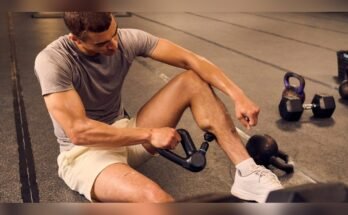
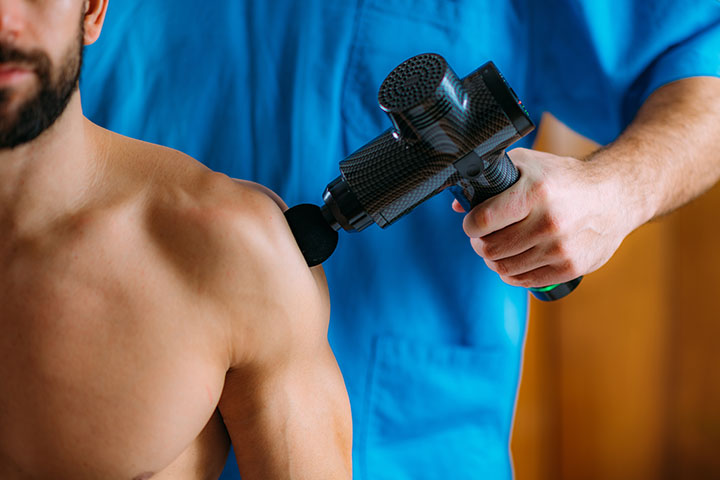
Massage guns, also known as percussion massagers or percussive therapy devices, are handheld tools that use rapid pulses to target muscle tissue. They usually have a motor that moves a soft head back and forth very quickly. This movement creates a deep, pounding feeling on your muscles, similar to a very fast tapping massage.
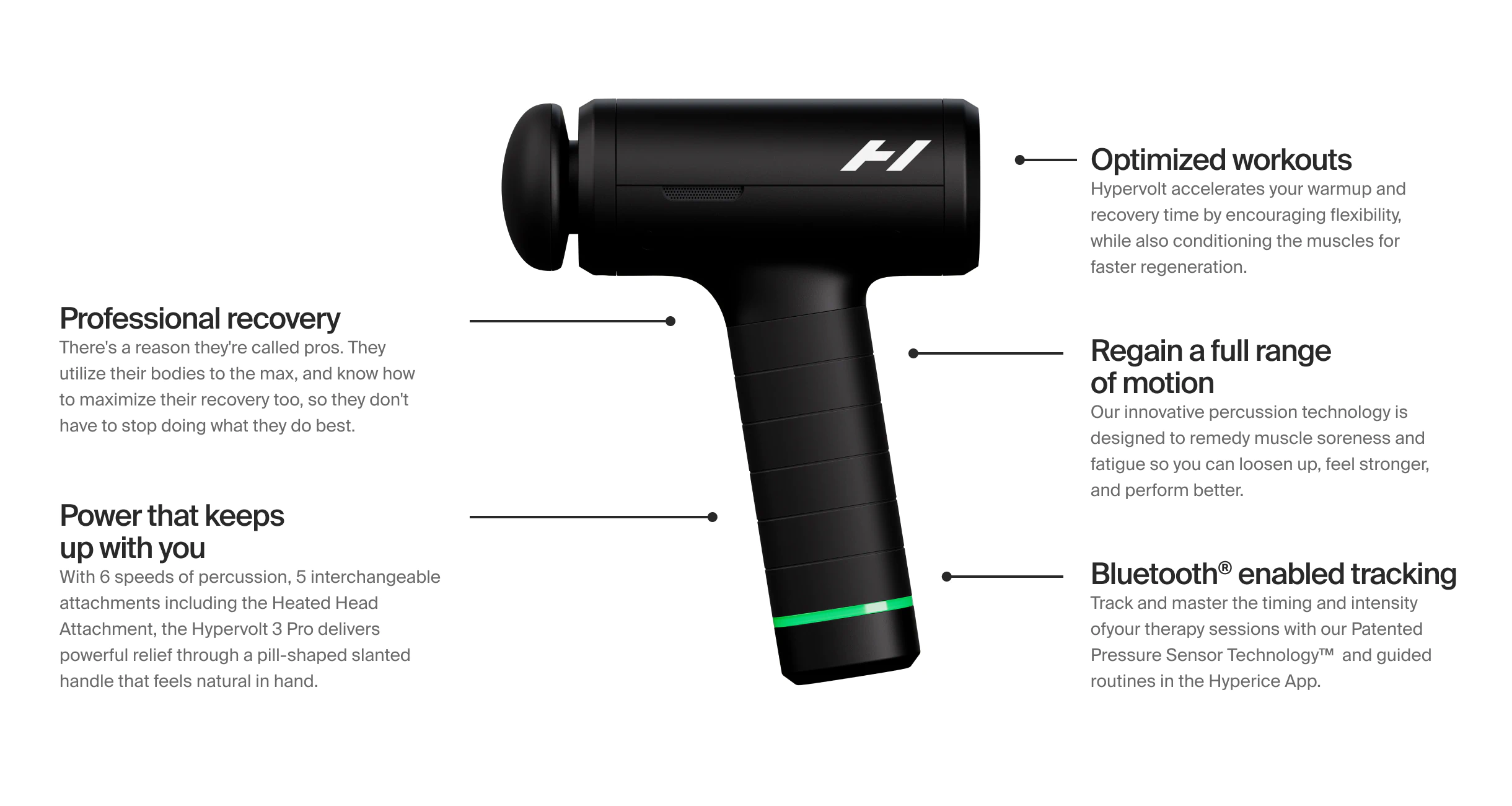
Most massage guns offer different speeds and attachments for various muscle groups. Some are small and portable, while others are bigger and more powerful. You may see brands like Theragun, Hypervolt, and Ekrin in the market.
How Massage Guns Work
The main idea behind massage guns is percussive therapy. This technique involves applying quick, repeated pressure to your muscles. The theory is that these vibrations help increase blood flow, loosen tight muscles, and reduce soreness.
When you use a massage gun, the rapid tapping causes your skin and muscles to move. This movement can:
- Stimulate nerves and blood vessels
- Increase local circulation
- Help break up small muscle knots (also called “trigger points”)
- Reduce the feeling of stiffness
It’s important to know that massage guns are not the same as foam rollers or static stretching. They use active, high-frequency pulses, which may reach deeper muscle layers.
What Is Recovery Time?
Recovery time is the period your body needs to repair and rebuild muscle after exercise or injury. Good recovery helps your muscles grow, prevents injury, and keeps you feeling strong. Poor recovery can lead to fatigue, pain, or even long-term problems.
Some key parts of recovery include:
- Reducing muscle soreness
- Restoring strength and flexibility
- Clearing waste products (like lactic acid) from muscles
- Healing tiny muscle tears
Faster recovery means you can train or play again sooner and with less discomfort.
Evidence: Do Massage Guns Reduce Recovery Time?
Many people want to know if massage guns really work or if the effects are only temporary. The answer depends on what you mean by “recovery” and how you use the device.
Research On Percussive Therapy
Several studies have looked at percussive therapy, which is what massage guns provide:
- A 2014 study found that vibration therapy reduced delayed onset muscle soreness (DOMS) after exercise. DOMS is the pain you feel 24–72 hours after new or intense activity.
- Another 2020 study showed that percussive therapy improved muscle strength and flexibility in healthy adults.
- In 2019, researchers compared massage guns with traditional massage and found similar benefits for reducing muscle soreness.
While these results are positive, most studies are small and short-term. There is not yet enough research to say with certainty that massage guns always speed up recovery for everyone.
What Happens In The Muscles?
When you use a massage gun, the rapid tapping may help:
- Increase blood flow, bringing fresh oxygen and nutrients
- Reduce swelling or inflammation
- Lower the feeling of pain by stimulating nerve fibers
- Relax tight or stiff muscles
These effects can lead to faster relief from soreness. However, your body still needs time to repair and rebuild. Massage guns can support recovery but do not replace the need for rest, sleep, and proper nutrition.
How Massage Guns Compare To Other Recovery Methods
Massage guns are one of many tools for recovery. Let’s compare them with other popular methods:
| Method | How It Works | Main Benefits | Limitations |
|---|---|---|---|
| Massage Gun | Percussive, rapid pulses | Fast, deep muscle relief; portable | Can be noisy; may not suit all areas |
| Foam Rolling | Pressure + rolling on muscle | Good for large muscle groups | Hard to target small areas |
| Static Stretching | Hold muscle in lengthened position | Improves flexibility | Does not target knots or deep tissues |
| Ice Baths | Cold exposure | Reduces inflammation | Uncomfortable for some; limited use |
| Professional Massage | Manual manipulation by therapist | Customized, relaxing | Expensive, not always available |
Massage guns offer a unique mix of deep pressure and convenience. You can use them at home, before or after exercise, and target areas that need special care.
Key Benefits Of Using Massage Guns For Recovery
1. Reduces Muscle Soreness
One of the main reasons people use massage guns is to reduce muscle soreness after exercise. The percussive action helps relax tight spots and stimulates blood flow, which may speed up the removal of waste products like lactic acid.
Some users report less pain and better mobility within hours of using a massage gun. This can help you feel ready for your next workout faster.
2. Increases Blood Flow
Healthy muscles need good circulation. The vibration and pressure from a massage gun increase blood flow to the treated area. More blood brings nutrients that help repair muscle damage. It also helps flush out chemicals that cause soreness and stiffness.
Better blood flow can mean faster healing and less time spent feeling sore.
3. Breaks Up Knots And Tension
Muscle knots, or “trigger points,” are small, tight spots that can cause pain. Massage guns can reach these deep areas and help break up tension. This leads to a more relaxed feeling and greater comfort in daily life.
People who sit for long hours or do repetitive movements often develop muscle knots. A massage gun can offer quick relief compared to waiting for a professional massage.
4. Improves Range Of Motion
Tight muscles can limit your range of motion and make exercise or daily tasks harder. By relaxing those muscles, massage guns help you move more freely. This is especially useful for athletes who need flexible, responsive muscles for top performance.
Some studies show improved flexibility within minutes of using a massage gun.
5. Saves Time And Money
Professional massages can be expensive and require booking in advance. Massage guns are a one-time purchase and can be used anytime at home. Even five to ten minutes of use after exercise can make a difference.
If you want a quick way to loosen up before work or after a game, a massage gun is practical and accessible.
When To Use A Massage Gun For Best Results
Massage guns can be used at different times during your recovery:
- Before Exercise: A short session can wake up your muscles, increase blood flow, and prepare your body for movement. This may reduce the risk of injury.
- After Exercise: Using a massage gun soon after activity helps relax muscles and start the recovery process. Focus on areas that feel tight or sore.
- On Rest Days: Even on days off from exercise, massage guns can help maintain muscle flexibility and comfort.
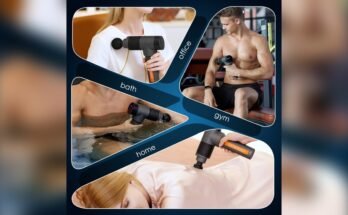
- During Work or Travel: If you sit for long periods, a quick massage can reduce stiffness and improve circulation.
For most people, using a massage gun for 1–2 minutes per muscle group is enough. Longer sessions may cause irritation or bruising.
How To Use A Massage Gun Safely
While massage guns are generally safe, using them incorrectly can cause problems. Here’s how to use them without risk:
- Start on the lowest speed setting, especially if you’re new.
- Keep the device moving. Do not hold it in one spot for more than a few seconds.
- Avoid bony areas, joints, and sensitive spots (like the neck or spine).
- Do not use on bruises, open wounds, or swollen areas.
- If you feel sharp pain, stop immediately.
- Limit each session to 10–15 minutes in total.
Some people should ask a doctor before using a massage gun, including those with blood clotting issues, nerve problems, or recent injuries.

Who Can Benefit Most From Massage Guns?
Massage guns are not just for professional athletes. They can help many types of people:
- Fitness enthusiasts: Helps recover from tough workouts.
- Office workers: Eases tension from sitting at a desk.
- Older adults: Maintains flexibility and comfort.
- Manual laborers: Reduces soreness from physical work.
- People with chronic muscle pain: Offers relief between therapy visits.
Even if you’re not an athlete, regular use can improve your overall comfort and movement.
Common Mistakes When Using Massage Guns
Many beginners make the same errors with massage guns. Avoid these for best results:
- Pressing too hard: Let the gun do the work. Pressing deep can cause bruising or pain.
- Using on bones or joints: Only use on muscle, not directly on the spine or bony areas.
- Overusing: Too much can irritate the skin or muscles. Stick to short, focused sessions.
- Ignoring instructions: Each device may have unique settings. Read your manual before starting.
- Using on injuries: Don’t use massage guns on fresh injuries, sprains, or inflamed areas.
A good tip: If you feel more pain after using the device, take a break and check your technique.
Real-world Examples: How Massage Guns Help
Case 1: After A Marathon
Sarah, a 32-year-old runner, used to struggle with leg soreness after races. She started using a massage gun on her calves and thighs right after her runs. She noticed less pain the next morning and was able to return to training sooner.
Case 2: Office Worker With Neck Stiffness
John spends 8 hours a day at his computer. By using a massage gun on his shoulders for five minutes after work, he found his headaches and neck tension improved. He also slept better.
Case 3: Weightlifter With Tight Quads
After heavy squats, Alex often felt tightness in his thighs. Using a massage gun helped him recover faster and improved his performance in the gym.
Limitations And Drawbacks
Massage guns are helpful, but they are not perfect. Some things to keep in mind:
- Not a cure-all: They do not replace rest, nutrition, or medical care.
- Can be noisy: Some devices are loud, which may bother you or others nearby.
- Cost: Good quality massage guns can be expensive.
- Not for all injuries: They should not be used on sprains, fractures, or serious medical problems.
- Short-term relief: Effects may last only a few hours. Regular use is needed for ongoing benefit.
How To Choose A Good Massage Gun
If you decide to buy a massage gun, look for these features:
| Feature | Why It Matters | What to Look For |
|---|---|---|
| Power/Speeds | Controls intensity for different muscles | At least 2–3 speed levels |
| Attachments | Targets various body parts | Ball, flat, bullet, fork heads |
| Battery Life | Longer use between charges | 2+ hours on one charge |
| Noise Level | Quieter is better for home/office | Below 60 decibels is best |
| Weight/Size | Easy to hold and use | Under 2.5 pounds |
| Warranty | Protects your investment | At least 1 year |
Avoid buying the cheapest models—these may break quickly or lack enough power.
Insights Beginners Often Miss
Many new users expect instant results or think massage guns replace all other recovery methods. Here are two less obvious tips:
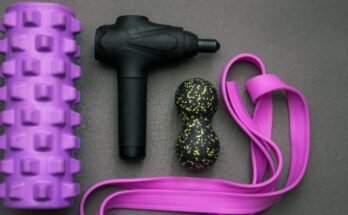
- Combination Works Best: Massage guns are most effective when used with other recovery tools like stretching, hydration, and sleep. Don’t rely on the device alone.
- Listen to Your Body: Your needs may change day to day. Some muscles may need more or less pressure, depending on your activity and how you feel.
Scientific Opinion And Expert Guidance
Most sports doctors and physical therapists see massage guns as a helpful tool—if used correctly. They agree that percussive therapy can reduce soreness and improve flexibility. However, they warn that overuse or using the device on injuries can cause harm.
A review by the National Institutes of Health found that vibration therapy (similar to massage guns) is generally safe and can help with muscle recovery, but more research is needed for long-term effects.
For more details, you can read the NIH review on percussive therapy.
When Not To Use A Massage Gun
Massage guns are not safe for everyone. Avoid using them if you have:
- Blood clotting disorders or take blood thinners
- Recent surgery or open wounds
- Severe osteoporosis or bone fractures
- Nerve disorders or numbness in the area
- Active infections or fever
If you’re unsure, ask your doctor or physical therapist before starting.
Summary: Are Massage Guns Worth It For Recovery Time?
Massage guns can help reduce muscle soreness, improve blood flow, and support faster recovery for many people. They are easy to use, portable, and offer deep muscle relief that you can’t get with your hands alone.
However, they are not a miracle tool. The best results come from using massage guns as part of a complete recovery plan, including rest, stretching, good nutrition, and sleep. They are not a replacement for medical care or professional advice if you’re injured.
Used wisely, massage guns are a valuable addition to your recovery toolkit. They can help you feel better, move better, and get back to the activities you love—often with less downtime.
Frequently Asked Questions
What Is The Best Time To Use A Massage Gun For Recovery?
The best time is usually right after exercise, when your muscles are warm. This helps reduce soreness and starts the recovery process. You can also use it before a workout to loosen muscles or on rest days to stay flexible.
Can Massage Guns Replace Stretching Or Foam Rolling?
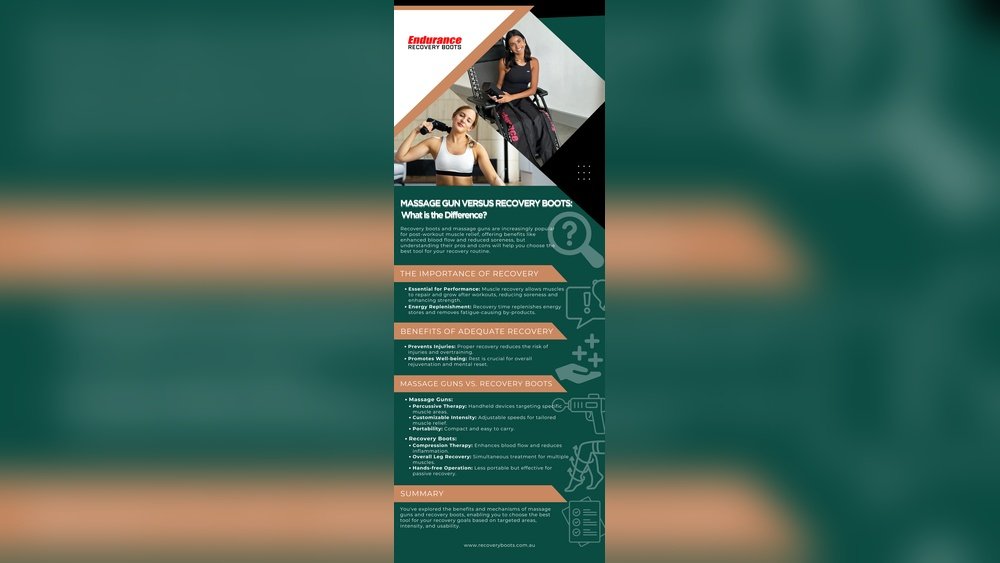
No, massage guns work best with other recovery methods. Stretching improves flexibility, and foam rolling helps with large muscle groups. Use a combination for the best results.
Are Massage Guns Safe For Everyone?
Most healthy adults can use massage guns safely. However, people with blood disorders, nerve problems, or recent injuries should talk to a doctor first. Always follow the instructions to avoid injury.
How Often Should I Use A Massage Gun?
You can use a massage gun daily, but limit sessions to 10–15 minutes and focus on sore or tight areas. Too much use can cause irritation or bruising. Listen to your body and take breaks as needed.
Do Massage Guns Really Speed Up Muscle Recovery?
Massage guns can help reduce soreness and improve comfort, which may help you feel ready to exercise again sooner. However, they work best as part of a full recovery plan, including rest and good nutrition.
If you want a practical, easy way to support your recovery, massage guns are a smart choice. Just remember, they work best when combined with other healthy habits.