Can Massage Guns Replace Professional Massage?
Muscle pain, stiffness, and stress are part of life for many people. Whether from sitting at a desk, playing sports, or just daily tension, relief is something we all seek. In the past, seeing a professional massage therapist was the main way to handle these problems. Today, massage guns—small handheld devices that deliver quick pulses—are everywhere. You might see athletes using them on TV or friends talking about them online. This leads to a big question: *Can massage guns really replace a professional massage?*
This is not a simple question. Both options promise better muscle health, less pain, and faster recovery. But they work in different ways. Some people believe that massage guns are just as good, while others say nothing beats a skilled pair of hands.
If you are thinking about buying a massage gun, or deciding whether to visit a therapist, it’s important to understand what each option offers. This article will look closely at both, compare their effects, and help you decide what’s right for you.
Along the way, you’ll find real examples, data, and some surprising facts that many beginners miss. Let’s discover if technology can really take the place of human touch.
How Massage Guns Work
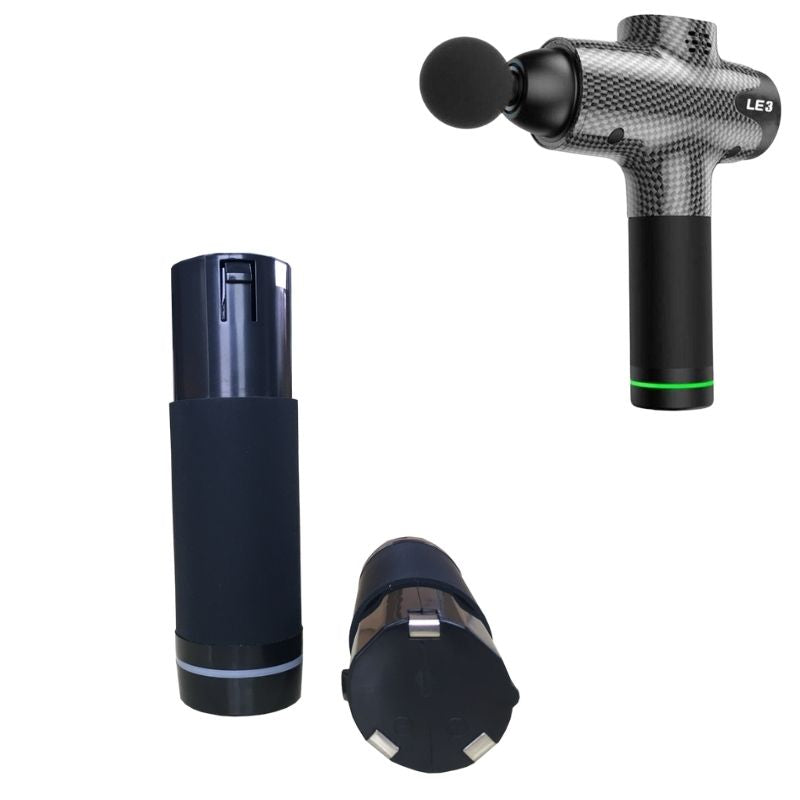
Massage guns use a method called percussive therapy. This means they send fast, repeated pulses deep into your muscles. The idea is to copy the tapping or pounding movements that some massage therapists use. Most devices have different speed settings and attachments for various body parts.
Inside a massage gun is a small motor. When you turn it on, a soft or hard head moves back and forth very quickly—sometimes up to 3,000 times per minute. This action is believed to help with:
- Increasing blood flow
- Reducing muscle tension
- Decreasing soreness after exercise
- Improving flexibility
Some devices have special features, like Bluetooth, pressure sensors, or heat. But the main idea is always the same: quick, strong pulses that go deep into the muscle.
Example Of Use
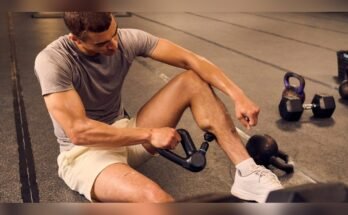
Suppose you just finished a long run. Your legs feel tight. You grab a massage gun, pick a soft round head, and set it to a low speed. You press it against your thigh for 30 seconds. The vibration makes your muscles feel relaxed and warm.
This is how many people use massage guns in daily life.
What Makes Professional Massage Unique
A professional massage is given by a trained person. These therapists learn about the body’s muscles, nerves, and how to help with pain or stress. They use their hands, elbows, and sometimes tools to press, knead, or stretch muscles. Common types of massage include:
- Swedish massage (gentle, relaxing)
- Deep tissue massage (stronger, goes deeper)
- Sports massage (for athletes)
- Trigger point therapy (focuses on knots)
A massage session usually lasts between 30 to 90 minutes. The therapist will often ask about your pain, health history, or what you want to achieve. They can change their methods based on what they feel in your muscles. This is something a machine cannot do.
Real-life Example
Imagine you have a stiff neck from working at your computer. You go to a massage therapist. They feel your neck, talk to you, and notice you are also tense in your shoulders. They use gentle strokes at first, then press deeper where it hurts most.
They may even show you stretches or give advice for better posture. The experience is personal and changes based on your needs.
Comparing Benefits: Massage Guns Vs. Professional Massage
To decide if massage guns can replace professional massage, it’s important to see how their benefits compare. Here are key areas to consider.
| Feature | Massage Gun | Professional Massage |
|---|---|---|
| Custom Fit | Fixed settings, not personalized | Adapted for your body & needs |
| Muscle Depth | Good for surface and some deep muscles | Can reach deep layers, adjust pressure |
| Pain Relief | Helps with minor soreness | Helps with pain, tension, and injuries |
| Relaxation | Short-term relaxation | Deep, lasting relaxation |
| Education | No advice or feedback | Therapist gives tips and stretches |
| Convenience | Anytime, anywhere | Needs appointment |
| Cost | One-time purchase | Pay per session |
1. Customization
Professional massage is highly personalized. The therapist changes pressure, speed, and technique based on your feedback and their experience. Massage guns have set speeds and heads, but cannot feel or respond to your body’s needs.
2. Muscle Reach
Massage guns are good for big muscle groups—legs, arms, back. But they struggle with small, hard-to-reach areas like the neck or under the shoulder blade. Therapists can use their fingers and hands to target these spots with care.
3. Pain And Recovery
Research shows both methods can reduce muscle soreness and help with recovery after exercise. For example, a 2020 study found that percussive therapy reduced delayed onset muscle soreness (DOMS) in athletes. However, professional massage is still better for chronic pain, injuries, or complex muscle problems.
4. Relaxation And Stress
Massage guns are not very relaxing. The noise, vibration, and self-use make it hard to fully rest. Professional massage is quiet, calming, and helps lower stress hormones. This is why many people fall asleep during a session!
5. Education And Feedback
A therapist can teach you about your body, show you stretches, or warn you if they find a problem. A massage gun cannot give advice or adjust based on your reactions.
6. Convenience
Massage guns win for speed and access. You can use them at home, at work, or even at the gym. Professional massage needs planning, travel, and free time.
7. Cost
A good massage gun costs between $100 and $400. This is often less than the price of five to eight sessions with a therapist. But the value depends on how often you use it and your specific needs.
When Massage Guns Work Best
Massage guns are not a replacement for everything, but they have clear strengths. Here’s when they work especially well:
1. Quick Relief After Exercise
If you finish a workout and feel sore, a massage gun can help your muscles recover faster. Many athletes use them right after training to reduce tightness.
2. Saving Time
If you are busy and can’t visit a therapist, using a massage gun for five minutes can help you feel better fast.
3. Travel And Work
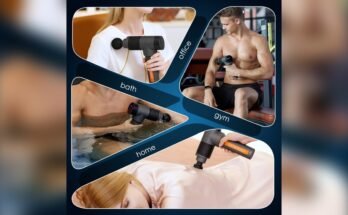
Massage guns are small and easy to carry. You can use them in a hotel, office, or even your car (but not while driving! ).
4. Daily Routine
People with chronic tightness (like from sitting all day) find that short, daily sessions keep pain away.
5. Budget-friendly Option
If you cannot afford regular massages, a gun offers some of the benefits for a one-time cost.
However, using massage guns the wrong way can cause problems. Beginners often press too hard, use them for too long, or apply them to sensitive areas (like joints or bones). This can lead to bruising or increased pain.
When Professional Massage Is Essential
No matter how advanced massage guns become, there are times when only a therapist can help. Here are key examples:
1. Complex Injuries
If you have a sports injury, nerve pain, or recovering from surgery, a trained therapist can design a treatment plan just for you.
2. Chronic Pain Conditions
People with fibromyalgia, arthritis, or long-term back pain need careful, skilled touch. Massage guns can make these conditions worse if used without guidance.
3. Mental And Emotional Stress
If your main goal is to relax deeply or reduce anxiety, a human touch is far more effective. The slow, soothing movements of a massage cannot be replaced by a machine.
4. Posture And Movement Issues
Therapists can spot poor posture, muscle imbalances, or habits that cause pain. They can suggest changes in how you sit, stand, or exercise—something a massage gun cannot do.
5. Detailed Bodywork
Areas like the neck, jaw, or feet need gentle, precise work. Machines are too strong or awkward for these spots.
Scientific Evidence: What Research Says
Both massage guns and professional massage have been studied for their effects on muscle health and recovery. Here are some key findings:
- Massage guns: A 2021 review in the Journal of Clinical Medicine found that percussive therapy can reduce soreness and improve range of motion in athletes. It works by increasing blood flow and reducing inflammation. However, the studies were mostly short-term and involved healthy, young people.
- Professional massage: Decades of research support its use for pain relief, stress reduction, and injury recovery. A 2016 study in the Pain Medicine journal showed that regular massage therapy can reduce chronic lower back pain for months. Therapists can also adapt their methods for different medical conditions.
One non-obvious insight: Massage guns work best for healthy muscles and simple soreness. They are less effective for old injuries, nerve pain, or very stiff tissues. Another: Many people use massage guns too hard, thinking “more pressure means better results.” In fact, gentle use is often more effective and safer.
Safety: Risks And Limitations
While massage guns are safe for most people, there are important risks to know:
- Avoid bones and joints: Never use a massage gun on the spine, knees, elbows, or ankles. The vibration can cause bruising or injury.
- Be gentle with nerves: Avoid using massage guns on the front of the neck, underarms, or behind the knee—these are areas with important nerves and blood vessels.
- Medical conditions: People with diabetes, blood clotting problems, or who take blood thinners should ask a doctor before using a massage gun.
- Pregnancy: Pregnant women should avoid using massage guns on the lower back, belly, or legs without medical advice.
Professional therapists are trained to avoid these risks and can stop if something feels wrong. With a massage gun, it’s easy to overdo it without realizing.
Cost And Value: Which Option Saves Money?
The price of relief matters to most people. Let’s look at the cost difference between massage guns and professional massage over time.
| Option | Upfront Cost | Ongoing Cost | Typical Use | 1-Year Total |
|---|---|---|---|---|
| Massage Gun | $150 | $0 (unless parts break) | 3 times/week | $150 |
| Professional Massage | $0 | $80/session | 1 per month | $960 |
| Professional Massage | $0 | $80/session | 2 per month | $1,920 |
For regular use, massage guns are much cheaper over time. However, if you need deep healing or help with specific problems, the value of a skilled therapist may be higher—even if it costs more. Also, many people use both: massage guns for daily care, and a professional massage for bigger issues.
What Massage Guns Can’t Do
Massage guns are powerful tools, but they have real limits. Here are things only professional massage can do:
- Read your body: A therapist can feel muscle knots, swelling, or other problems that you may not notice.
- Provide human touch: The healing effect of touch cannot be copied by a machine. This is important for stress, trauma, or emotional well-being.
- Adapt in real time: Therapists change their approach based on how your body responds. If you tense up or feel pain, they adjust pressure or try a new method.
- Use multiple techniques: Massage therapy includes stretching, joint movement, and gentle rocking—things a gun cannot do.
- Give health advice: Therapists can spot habits or postures that cause pain and teach you better ways to move.
An often-missed insight: Many injuries or pains are not just “tight muscles.” Sometimes, the cause is a joint problem, nerve issue, or even stress. Only a trained professional can identify this and help you fix it.
How To Combine Both For Best Results
You do not have to choose only one option. Many people find that using both a massage gun and seeing a therapist gives the best results. Here’s how:
- Daily care: Use a massage gun for short sessions (1–2 minutes per area) after exercise or long periods of sitting.
- Professional check-ups: See a massage therapist every 4–8 weeks to handle deeper issues, get feedback, and adjust your routine.
- Listen to your body: If pain gets worse, spreads, or lasts more than a few days, stop using the gun and consult a professional.
- Ask for advice: Many therapists can show you how to use a massage gun safely and suggest the best settings for your needs.

Choosing The Right Massage Gun
If you decide to buy a massage gun, here are factors that matter most:
- Speed and power: Look for adjustable settings. Too much power is not always better.
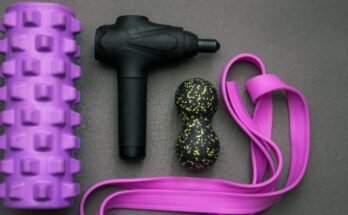
- Attachments: Different heads work for different muscles (round for big areas, bullet for knots).
- Noise level: Quieter devices are more relaxing.
- Weight and grip: Lighter guns are easier to use for longer times.
- Battery life: Choose one that lasts at least 1–2 hours per charge.
- Warranty: Good brands offer at least a 1-year warranty.
Avoid buying the cheapest option you find online—these often break quickly or are too strong/weak for safe use. For more guidance, you can read reviews from trusted sources like Wirecutter.
Common Mistakes When Using Massage Guns
Many beginners make mistakes that limit results or even cause harm. Here’s what to avoid:
- Using on bones or joints: Only apply to muscles.
- Too much time: Limit to 1–2 minutes per area.
- High speed for all: Start with low settings, especially on sore spots.
- Ignoring pain: If you feel sharp pain, stop right away.
- Not reading instructions: Each device is different—check the manual for safety tips.
A smart tip: Move the gun slowly (about 1 inch per second) over the muscle. There’s no need to press hard—the vibration does the work.

Who Should Not Use Massage Guns
Some people should avoid using massage guns, or use them only with doctor approval:
- People with blood clots, severe diabetes, or pacemakers
- Pregnant women (on certain areas)
- People with broken bones, skin infections, or open wounds
- Anyone with numbness or loss of feeling in the area
If you are not sure, check with your doctor or a physical therapist before starting.
The Future: Will Technology Replace Human Hands?
Technology keeps getting better. New massage guns now have smart sensors, heat, and even apps to guide your session. But there is still a big gap between what a machine can do and the skill of a trained human. Some experts believe that, in the future, robots might give massages.
For now, most people use technology for small problems, and see a therapist for bigger needs.
Many physical therapists now use both hands-on methods and tools like massage guns. This combination gives patients the best of both worlds. The main lesson: Massage guns are a helpful tool, not a full replacement for professional care.
Frequently Asked Questions
Are Massage Guns Safe For Everyone?
Massage guns are safe for most healthy adults if used correctly. However, people with certain medical conditions (blood clots, nerve problems, recent surgeries) should avoid them or ask a doctor first. Always read the instructions and start with low power.
How Often Should I Use A Massage Gun?
Most experts suggest using a massage gun for 1–2 minutes per muscle group, up to 2–3 times a day. Overusing can cause soreness or bruising. Listen to your body and rest if you feel pain.
Can Massage Guns Help With Injuries?
Massage guns can help with mild muscle soreness or tension after exercise. But they are not for serious injuries, broken bones, or joint problems. For those, see a doctor or therapist first.
Why Does Professional Massage Feel More Relaxing Than Using A Massage Gun?
Professional massage involves slow, gentle movements, calming music, and a peaceful setting. Human touch also releases hormones that reduce stress. Massage guns are noisy and involve self-use, which is less relaxing.
Should I Buy A Massage Gun Or See A Therapist First?
If you have simple muscle soreness from exercise or sitting, a massage gun is a good place to start. If you have ongoing pain, injuries, or want deeper relaxation, see a professional therapist. Many people choose to do both for the best results.
—
Massage guns are a modern answer to muscle pain and recovery. They are convenient, affordable, and work well for simple soreness and daily care. But they cannot read your body, adapt to your needs, or replace the healing power of human touch.
For deep, long-term relief—especially with injuries or stress—a professional massage is still the gold standard. Use both wisely, and you’ll enjoy the benefits of technology and skilled care.