Can Recovery Boots Help With Swelling?
If you’ve ever finished a tough workout, a long day on your feet, or dealt with an injury, you probably know what swelling feels like. For athletes and people with certain health conditions, swelling (also called edema) can be uncomfortable and slow down recovery. In recent years, recovery boots have become a popular tool for reducing swelling and speeding up healing. But do they really work? How do they compare to other recovery methods? And are they safe for everyone? Let’s break down the science, practical experience, and real-life advice so you can decide if recovery boots are right for you.
What Are Recovery Boots?
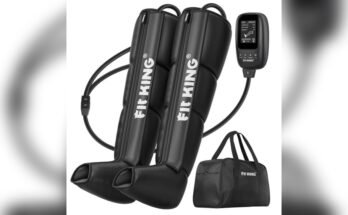
Recovery boots are wearable devices that use compression therapy to squeeze your legs in a controlled way. These boots are made of fabric chambers that fill with air, gently pressing on the muscles and veins. The goal is to help blood and fluids move out of your legs and back toward your heart. Many brands offer these boots, and some are used in clinics while others are designed for home use.
The technology behind recovery boots isn’t new—it’s based on pneumatic compression, which has been used in hospitals for decades to prevent blood clots in patients who can’t move much. Today’s recovery boots, however, are more comfortable, portable, and often come with settings you can adjust for pressure and timing.
How Does Swelling Happen?
Swelling is a sign that fluid is building up in your body’s tissues. There are several reasons this can happen:
- Exercise or injury: When you push your muscles hard, tiny tears and inflammation can cause fluids to gather around the area.
- Standing or sitting too long: Gravity pulls blood and fluid down into your legs if you don’t move much.
- Medical conditions: Issues like poor circulation, heart problems, or lymphatic system disorders can cause swelling.
Swelling isn’t just a minor annoyance. If it’s not managed, it can make you feel stiff, sore, and even increase your risk of blood clots. For athletes, swelling can delay muscle repair and reduce performance in future workouts.
How Do Recovery Boots Work?
The main idea behind recovery boots is intermittent pneumatic compression. Here’s what happens step by step:
- You put on the boots, which zip or wrap around your legs.
- A pump fills the chambers with air, squeezing your muscles in a pattern (usually from your feet upward).
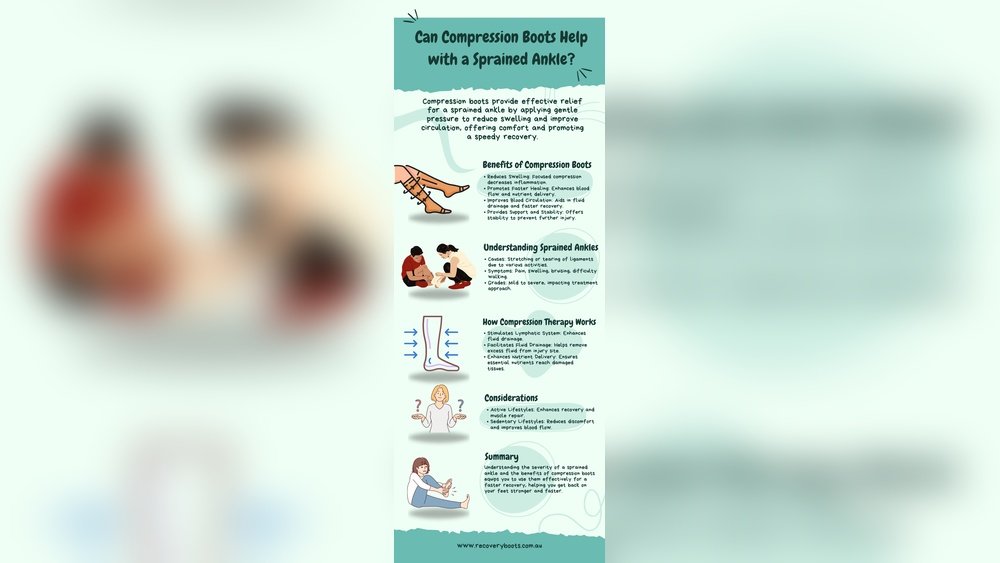
- The pressure moves blood and lymphatic fluid out of your legs, helping your body remove waste and reduce swelling.
- The boots then release, letting your muscles relax before repeating the cycle.
Some models allow you to adjust the pressure or target specific areas. Sessions usually last between 15 and 30 minutes, and many people use them after workouts, competitions, or long days of standing.
What Does The Science Say?
Let’s look at the evidence. There have been several studies on pneumatic compression and its effects on swelling and recovery. Here are some key findings:
- A 2018 review in the “Journal of Athletic Training” found that intermittent pneumatic compression can help reduce muscle soreness and swelling after exercise, especially in the first 24 hours.
- Another study published in “European Journal of Applied Physiology” showed that athletes who used recovery boots had less swelling and faster return to normal muscle size after intense workouts.
- In medical settings, pneumatic compression is standard care for people with lymphedema (chronic swelling caused by lymphatic problems), showing clear benefits in reducing leg volume and discomfort.
It’s important to note that not all studies agree on the size of the effect. Some research shows only a small improvement, while others see bigger changes. The benefits seem stronger for people who have a lot of swelling or are recovering from very hard exercise.
Who Can Benefit From Recovery Boots?
Recovery boots are not just for elite athletes. Here’s who might benefit:
- Athletes (runners, cyclists, team sports): Reduce post-workout swelling and muscle soreness.
- People with lymphedema or venous insufficiency: Help manage chronic swelling.
- Workers on their feet all day: Relieve tired, heavy legs and reduce fluid build-up.
- People recovering from surgery or injury: Speed up healing by improving circulation.
However, they are not for everyone. People with certain medical conditions—like severe heart failure, active blood clots, or infections in the legs—should not use recovery boots without a doctor’s advice.
Comparing Recovery Boots To Other Swelling Remedies
How do recovery boots measure up against other popular methods for reducing swelling? Here’s a helpful comparison:
| Method | How It Works | Effectiveness | Ease of Use |
|---|---|---|---|
| Recovery Boots | Air compression pushes fluid out of legs | High for exercise swelling, medical use | Easy, just put on and relax |
| Ice Packs | Cold reduces inflammation and numbs pain | Moderate for injury swelling, less for fluid buildup | Simple, but messy and time-limited |
| Compression Socks | Constant mild pressure supports veins | Good for mild swelling, long-term use | Wear all day, not adjustable |
| Elevation | Gravity helps fluid drain | Effective if done long enough | Must stay still, not practical for everyone |
| Massage | Manual movement of fluid | Good, but depends on skill | Needs time or therapist |
As you can see, recovery boots offer a unique mix of convenience, adjustability, and effectiveness. Unlike compression socks, which provide constant gentle pressure, boots deliver active cycles of squeezing and releasing, which many people find more noticeable.
Real-world Results: What Users Experience
People who use recovery boots often report several benefits:
- Reduced leg swelling: Legs feel lighter and less puffy after use.
- Faster muscle recovery: Less soreness and quicker return to training.
- Relaxation: Many users say the boots feel like a gentle massage and help them unwind.
Some athletes include recovery boots as a daily habit, especially during intense training or competition periods. For people with medical swelling, the boots can make daily life more comfortable and reduce the need for other treatments.
A non-obvious insight: Some users find that using recovery boots before a workout or long shift can also help, by warming up the muscles and increasing blood flow. This isn’t as widely discussed, but it’s a tip that many experienced users appreciate.
Are There Risks Or Side Effects?
For most healthy people, recovery boots are safe and comfortable. However, there are some risks to be aware of:
- Too much pressure: Using the boots at high settings for too long can cause discomfort, numbness, or even bruising.
- Pre-existing conditions: If you have issues like deep vein thrombosis (DVT), serious heart problems, or open wounds, compression therapy could be dangerous.
- Skin irritation: Rarely, the boots can cause sweating or skin reactions.
To stay safe, always follow the manufacturer’s instructions. Start with lower pressure, and don’t use the boots if you feel pain or tingling. If you have any health concerns, talk to your doctor before trying recovery boots.

Key Features To Look For When Choosing Recovery Boots
If you’re considering buying recovery boots, it’s important to know what features matter most. Here’s a breakdown of what to look for:
1. Adjustable Pressure Levels
Not everyone needs the same amount of compression. Some people prefer a gentle squeeze, while others like a firmer feel. Look for boots with adjustable pressure settings so you can find what’s most comfortable and effective for you.
2. Number Of Chambers
More air chambers usually mean a smoother, more targeted massage. Basic models have 2–4 chambers; advanced versions can have 6 or more. More chambers allow for more precise control over which parts of the leg receive pressure.
3. Session Length And Timer
Some boots have built-in timers or allow you to set the duration of your session. Session control is useful for planning your recovery routine, especially if you’re busy.
4. Portability And Noise Level
If you want to use the boots at work, the gym, or while traveling, choose a lightweight, portable system. Some pumps can be noisy, so check reviews if you want something quiet enough for home or office use.
5. Ease Of Cleaning
Since you’ll be wearing the boots directly on your skin, easy cleaning is a must. Removable liners or wipeable surfaces make maintenance simple.
6. Warranty And Customer Support
High-quality recovery boots are an investment. Look for brands that offer a solid warranty and responsive customer service in case you have questions or issues.
Here’s a quick comparison of popular features:
| Feature | Basic Models | Advanced Models |
|---|---|---|
| Pressure Settings | 1–2 fixed levels | Multiple, adjustable |
| Number of Chambers | 2–4 | 6–8+ |
| Portability | Bulkier, less portable | Compact, easy to carry |
| Noise Level | Louder pumps | Quieter operation |
| Cleaning | Fixed lining | Removable liners |
| Cost | Less expensive | Higher price |
Common Mistakes When Using Recovery Boots
Even though recovery boots are easy to use, some people don’t get the best results because of simple mistakes. Here are a few to watch out for:
- Using too much pressure: Many people think higher pressure equals better results, but this can actually cause discomfort and limit blood flow. Start low and increase gradually.
- Short, infrequent sessions: A single 5-minute session won’t provide much benefit. Most experts recommend at least 15–30 minutes per session, several times per week.
- Ignoring hydration: Compression helps move fluid, but if you’re dehydrated, recovery will be slower. Drink water before and after using the boots.
- Wearing over clothing: For best results, use the boots directly on your skin or over thin, tight-fitting clothing. Loose clothing can block the pressure.
- Skipping warm-up or cool-down: For athletes, using boots is best after a workout, but some also use them as part of a warm-up for better performance.
A non-obvious insight: Don’t use recovery boots if you notice increasing pain, redness, or warmth in your legs. These can be signs of a more serious problem, like a blood clot or infection. Always stop and seek medical advice if you’re unsure.

How To Use Recovery Boots For Best Results
Getting the most from recovery boots isn’t just about putting them on. Here’s a practical guide:
Prepare Your Legs
Wash and dry your legs. Remove any jewelry or tight socks that could interfere with compression.
Choose The Right Setting
Start with a lower pressure, especially if you’re new to compression therapy. You can increase the intensity as you get used to the feeling.
Position Yourself Comfortably
Sit or lie down with your legs slightly elevated. This helps gravity work with the boots to move fluid out of your legs.
Run A Full Session
Most sessions last 15–30 minutes. Some people like to read, watch TV, or listen to music during the session.
After The Session
Stand up slowly, as your legs may feel lighter or tingly. Drink water, and do some gentle stretching if you like.
Frequency
For athletes: After every hard workout, or at least 3–4 times per week.
For swelling: As often as daily, depending on your doctor’s advice.
Recovery Boots Vs. Other Recovery Tools: What Makes Them Unique?
With so many products promising better recovery, why do recovery boots stand out? Here are a few reasons:
- Active compression: Unlike foam rollers or massage guns, recovery boots move fluid through your legs using air pressure, not just vibration or rolling.
- Hands-free use: Once you put them on, you can relax, read, or even work, making them easier to use than self-massage or stretching.
- Targeted relief: Boots can be set to focus on the calves, feet, or thighs, depending on your needs.
- Consistency: Machines provide the same compression every time, unlike manual massage, which can vary.
Here’s a quick summary of how recovery boots compare to other popular recovery tools:
| Tool | Main Benefit | Best For | Drawback |
|---|---|---|---|
| Recovery Boots | Reduces swelling, improves circulation | Swelling, soreness, heavy legs | Higher cost |
| Foam Roller | Releases muscle knots | Muscle tightness | Requires effort, can be painful |
| Massage Gun | Quick muscle stimulation | Localized soreness | No effect on swelling |
| Compression Socks | Supports veins | Mild swelling, all-day use | Less impact on severe swelling |
When To Avoid Recovery Boots
Recovery boots aren’t for everyone. Avoid them if you have:
- Active blood clots (DVT)
- Severe heart failure
- Open wounds or skin infections on your legs
- Severe arterial disease
If you’re pregnant, have diabetes, or suffer from chronic diseases, always talk to a healthcare provider before trying recovery boots.
What Do Doctors And Experts Say?
Most sports medicine doctors and physical therapists agree that pneumatic compression is a safe and useful tool for reducing swelling and supporting recovery—when used properly. For people with medical swelling (like lymphedema), doctors may actually prescribe these devices for home use.
One practical tip from experts: Combine recovery boots with other good habits—like hydration, proper nutrition, stretching, and rest. No tool can replace a healthy recovery routine, but boots can be a valuable part of the mix.
For more on the science behind pneumatic compression, the Wikipedia entry on intermittent pneumatic compression offers a detailed overview and further reading.
Frequently Asked Questions
How Long Should I Use Recovery Boots For Swelling?
Most people get good results with 15–30 minute sessions, 3–5 times per week. For medical swelling, your doctor may recommend daily use. Always follow the instructions that come with your boots.
Can I Use Recovery Boots If I Have Varicose Veins?
In many cases, yes—recovery boots can help move blood out of the legs and may relieve discomfort from varicose veins. However, if you have severe varicose veins or a history of blood clots, talk to your doctor first.
Do Recovery Boots Hurt?
Recovery boots should never be painful. You might feel strong pressure, but it should be comfortable. If you feel pain, tingling, or numbness, stop and lower the pressure. Adjust settings or contact the manufacturer if needed.
Are Recovery Boots Better Than Compression Socks?
Recovery boots offer dynamic, adjustable compression that moves fluid more actively than static socks. For mild, everyday swelling, socks may be enough. For faster recovery or bigger swelling, boots usually work better.
Can I Use Recovery Boots Every Day?
Yes, most people can use recovery boots daily. In fact, regular use can provide better results for both athletic recovery and chronic swelling. Always pay attention to how your body feels and take breaks if you notice any discomfort.
Recovery boots can be a powerful tool for reducing swelling and speeding up recovery, whether you’re an athlete, a busy worker, or managing a medical condition. Used wisely and safely, they offer real benefits and can help you feel lighter, recover faster, and move better every day.