The world of sports and fitness is full of new gadgets and techniques promising faster recovery. Recovery boots, also called compression boots, have become popular among athletes, runners, and even everyday gym-goers. These boots claim to reduce muscle soreness, help recovery, and get you back to training sooner.
But do they really work, or is it just clever marketing? If you’re curious about whether recovery boots can actually reduce soreness, you’re not alone. Let’s explore what the science says, how these boots work, and what real users experience.
What Are Recovery Boots?
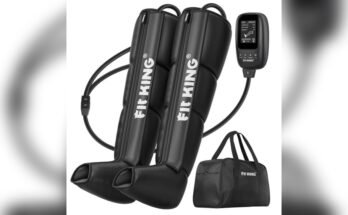
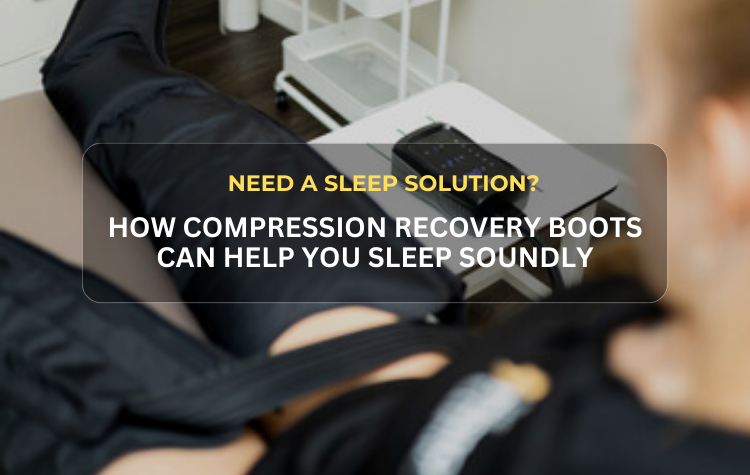
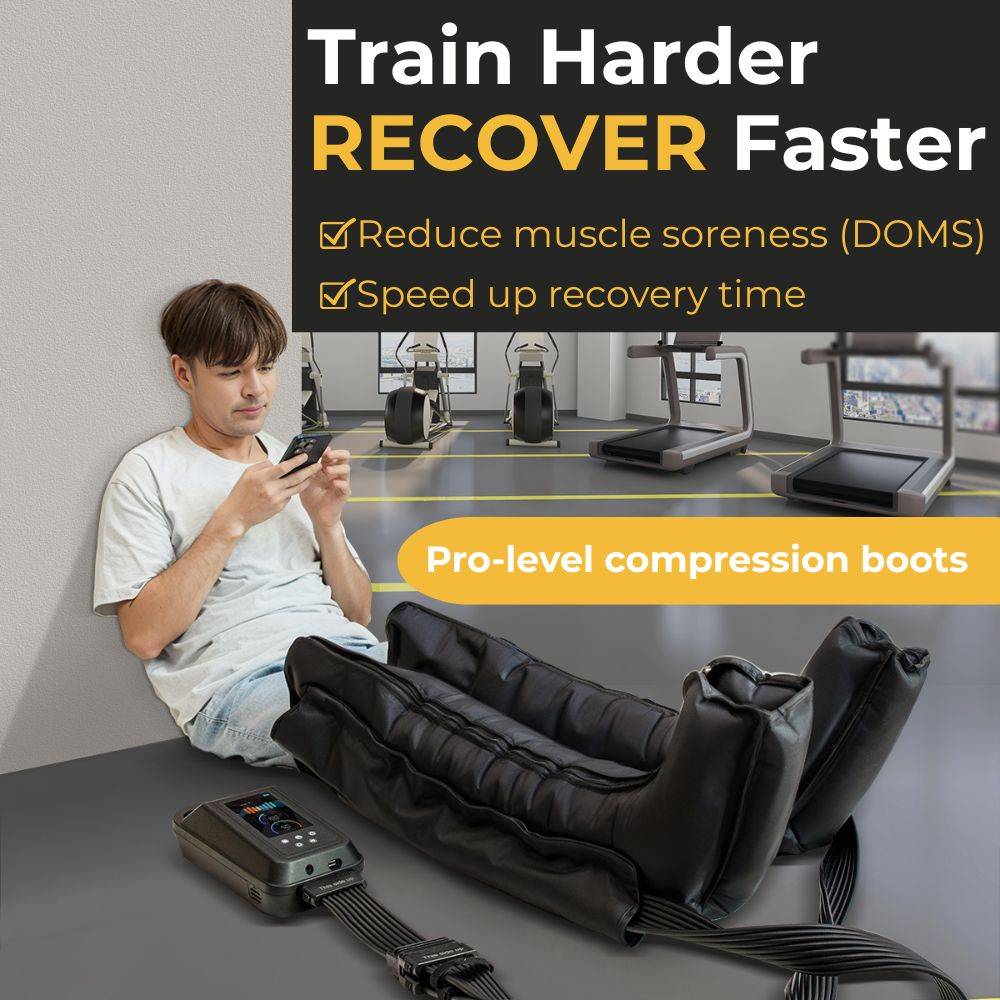
Recovery boots are inflatable sleeves for your legs. When you wear them, they use air compression to squeeze and release pressure along your legs, usually from your feet up to your thighs. This pressure moves in cycles, imitating a gentle massage or the natural pumping of your muscles.
Most recovery boots are made from durable materials and have a control unit that lets you adjust the intensity and duration of each session. Many models allow you to target specific areas, like your calves or thighs. You’ll often see these boots in gyms, physical therapy offices, and even at home with professional and amateur athletes.
How Do Recovery Boots Claim To Reduce Soreness?
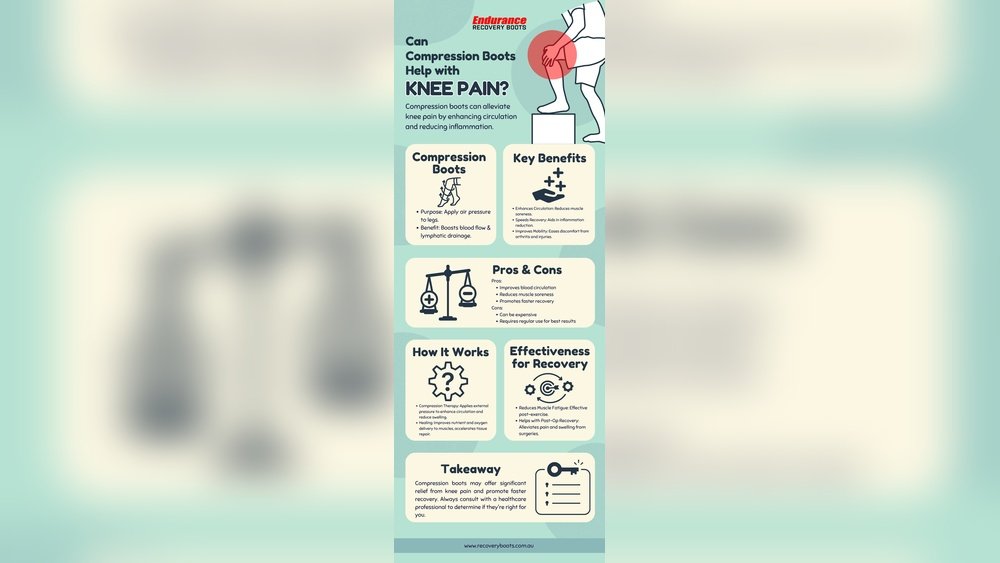
The main idea behind recovery boots is to improve blood circulation and help your body clear out waste products like lactic acid after exercise. Here’s how they are supposed to work:
- Compression cycles: The boots inflate and deflate in patterns, pushing blood and fluids up your legs.
- Lymphatic drainage: The pressure may stimulate the lymphatic system, helping to remove waste and reduce swelling.
- Reduced muscle vibration: Some believe the steady pressure keeps muscles stable, which may reduce post-exercise microtrauma.
The hope is that by using recovery boots after exercise, you’ll experience less delayed onset muscle soreness (DOMS), recover faster, and perform better in your next workout.
The Science Behind Recovery Boots And Soreness
There’s growing interest in how effective recovery boots actually are. Several studies have looked at their benefits for muscle soreness, recovery, and performance.
What Research Shows
- A 2020 study published in the Journal of Strength and Conditioning Research tested intermittent pneumatic compression (the technology used in recovery boots) on athletes after intense exercise. Results showed a small but significant reduction in muscle soreness 24 to 48 hours after use, compared to no treatment.
- Another study from 2018 in the European Journal of Applied Physiology found that athletes who used compression boots after a marathon reported less perceived soreness but showed no difference in actual muscle damage markers in their blood.
- Some research highlights that the placebo effect can play a role. Athletes may feel better simply because they expect to recover faster.
| Study | Participants | Recovery Boot Effect | Notes |
|---|---|---|---|
| Journal of Strength & Conditioning Research (2020) | 24 athletes | Reduced soreness by 15% after 24 hours | Used after HIIT session |
| European J. of Applied Physiology (2018) | 15 marathon runners | Lower soreness reports, no change in blood markers | Tested over 48 hours |
| Medicine & Science in Sports & Exercise (2017) | 20 cyclists | No significant difference in power recovery | Compared with passive rest |
Key insight: While recovery boots can help some people feel less sore, the effect is often moderate and can vary between individuals. The science is promising, but it’s not a miracle cure.
How Recovery Boots Compare To Other Recovery Methods
With so many recovery options available, it’s smart to ask how recovery boots stack up. Popular alternatives include foam rolling, massage, and cold baths.
| Method | Cost | Time Needed | Effect on Soreness | Ease of Use |
|---|---|---|---|---|
| Recovery Boots | High | 20-30 min | Moderate | Very easy |
| Foam Rolling | Low | 10-20 min | Moderate | Requires effort |
| Massage | High | 30-60 min | High | Passive |
| Cold Bath | Low | 10-15 min | Moderate | Uncomfortable |
Non-obvious insight: Recovery boots offer a hands-free option—you can relax or multitask during a session. Foam rolling or stretching, in contrast, requires active effort and correct technique.
Who Can Benefit Most From Recovery Boots?
Recovery boots are not just for elite athletes. Many people can benefit, but some groups will likely see more noticeable results:
- Endurance athletes: Runners, cyclists, and triathletes often train daily and struggle with leg soreness.
- Team sport players: Soccer, basketball, and hockey players have intense games and practices.
- Older adults: As we age, our bodies take longer to recover from physical activity. Compression can help blood flow and reduce swelling.
- People with circulation issues: Some studies suggest that intermittent compression helps people with mild circulation problems or swelling.
When Are Recovery Boots Less Effective?
If you only exercise lightly or infrequently, you might not notice a big difference. Also, if you have certain health conditions (like deep vein thrombosis or severe heart problems), you should avoid using recovery boots without talking to a doctor.
How To Use Recovery Boots For Maximum Benefit
Using recovery boots is simple, but a few tips can make your sessions more effective:
- Start soon after exercise. The first 2 hours after a tough workout is the best time to use recovery boots.
- Wear them for 20–30 minutes. Most research suggests this is the ideal session length. Longer does not always mean better.
- Adjust the pressure. Start with a lower setting if you’re new. Too much pressure can be uncomfortable and is not necessary for results.
- Stay hydrated. Better circulation can move more waste products, so drink water to help your body clear them out.
- Combine with other recovery tools. Stretching, sleep, and a healthy diet all work together with compression.
Example Routine
Let’s say you just finished a long run. Here’s a simple way to use recovery boots:
- Cool down with 5–10 minutes of easy walking.
- Drink a glass of water.
- Put on the recovery boots and relax for 25 minutes.
- Afterward, stretch your legs gently and eat a balanced meal.
Common Mistakes To Avoid
Many beginners make these errors when using recovery boots:
- Setting pressure too high: More compression is not always better. High pressure can cause discomfort or numbness.
- Using for too long: Sessions longer than 30–45 minutes usually do not add extra benefits.
- Ignoring other recovery needs: Compression helps, but won’t replace sleep, nutrition, or rest days.
- Wearing boots over dirty skin or clothing: This can cause skin irritation or damage the boots.
- Not cleaning the boots: Sweat and bacteria can build up, so wipe them down after each use.
User Experiences: What Do Real People Say?
Many people who use recovery boots regularly say they feel less sore and more ready for workouts. Here are a few examples:
- Runners: Some marathoners report being able to do back-to-back hard runs with less discomfort.
- Weekend warriors: Gym-goers who try recovery boots after tough leg workouts often notice less stiffness the next day.
- Older adults: Users with mild swelling from standing or traveling find their legs feel lighter and less tired.
However, not everyone feels dramatic results. Some users say the boots are relaxing but don’t see a huge change in muscle soreness. This shows how individual recovery can be.

Are Recovery Boots Safe?
For most healthy people, recovery boots are safe when used as directed. But some people should take extra care:
- Pregnant women: Always ask a doctor first.
- People with blood clot risk: Compression may increase risk if you have a history of clots.
- Severe heart or vascular conditions: Compression can strain the circulatory system in rare cases.
If you feel pain, numbness, or swelling after using recovery boots, stop and consult a medical professional.
How To Choose The Right Recovery Boots
There are many brands and models on the market. Here’s what to look for:
- Adjustable pressure levels: Not everyone needs the same intensity.
- Multiple chamber zones: Boots with 4 or more chambers allow more even, targeted compression.
- Portability: If you travel or compete often, look for lightweight, rechargeable units.
- Easy controls: Some models have touch screens or phone apps.
- Durability and warranty: Quality materials and a good warranty save money in the long run.
Direct Comparison: Key Features
| Feature | Entry Level Boots | Premium Boots |
|---|---|---|
| Pressure Levels | 1–3 | 5–8 |
| Chambers | 2–4 | 4–8 |
| Session Timer | Manual | Digital/App |
| Portability | Bulky | Lightweight |
| Price Range | $300–$600 | $900–$2000 |
Non-obvious insight: The number of compression chambers makes a bigger difference than most people think. More chambers mean a smoother, more effective massage effect.
Cost Vs. Value: Are Recovery Boots Worth It?
Recovery boots are not cheap. Entry-level models can cost several hundred dollars, and premium versions often go over $1000. Here’s how to judge if they’re worth the investment:
- How often do you train? If you train hard 4+ days per week, recovery boots offer more value.
- Do you struggle with leg soreness? If DOMS slows your training, the boots may help you recover faster.
- Will you use them regularly? Like any tool, they only work if you use them consistently.
For occasional gym-goers, the price might not be justified. Renting or trying them at a gym before buying can help decide.
Real-world Example: A Week With Recovery Boots
Imagine two athletes: Jane and Mike. Both run 5 times a week.
- Jane skips recovery boots and relies on stretching and rest. After a tough interval session, she feels stiff for 2 days and shortens her next run.
- Mike uses recovery boots for 25 minutes after his workout. He reports less soreness and completes his next run as planned.
While this example is simple, it shows how recovery boots may help maintain training schedules and reduce disruptions from soreness.
What Recovery Boots Can And Cannot Do
It’s important to be realistic. Recovery boots can:
- Help reduce perceived muscle soreness after tough workouts
- Encourage better circulation and support the lymphatic system
- Provide a relaxing, hands-free recovery tool
But they cannot:
- Replace proper sleep, nutrition, or rest
- Completely prevent muscle soreness, especially after new or intense exercise
- Treat serious injuries or medical conditions
Expert tip: If you’re new to recovery boots, combine them with proven basics like sleep and balanced meals for best results.
Where To Find More Information
If you want to read peer-reviewed studies or learn more about compression recovery, check out resources like the Wikipedia page on Intermittent Pneumatic Compression. This provides technical details and links to medical research.
Frequently Asked Questions
Do Recovery Boots Really Reduce Soreness?
Yes, recovery boots can reduce perceived muscle soreness for many people, especially athletes after hard workouts. The effect is usually moderate, and individual results vary. Some studies show a 10–20% reduction in soreness compared to no treatment.
How Long Should I Use Recovery Boots After Exercise?
Most experts recommend 20–30 minutes per session. Using the boots within 2 hours after exercise gives the best results. Longer sessions are not usually more effective and can sometimes cause discomfort.
Are There Any Risks Or Side Effects?
Recovery boots are safe for most people, but avoid using them if you have circulatory disorders, blood clot risks, or severe heart problems. Always follow manufacturer instructions and stop use if you feel pain, numbness, or swelling.
Can Recovery Boots Replace Stretching Or Massage?
No, recovery boots are best used alongside other recovery methods like stretching, sleep, and proper nutrition. They offer a convenient, passive recovery tool but do not replace the benefits of active recovery or professional massage.
How Do I Choose The Best Recovery Boots For Me?
Look for adjustable pressure, multiple chambers, easy controls, and good durability. Consider your budget and how often you’ll use them. Trying different models at a gym or clinic can help you find the best fit for your needs.
Recovery boots are a useful tool for reducing soreness and speeding up recovery, but they are not magic. When used as part of a balanced recovery routine, they can help you feel better and train harder. Make sure to combine them with the basics—good sleep, nutrition, and rest—to get the best results for your body and your goals.