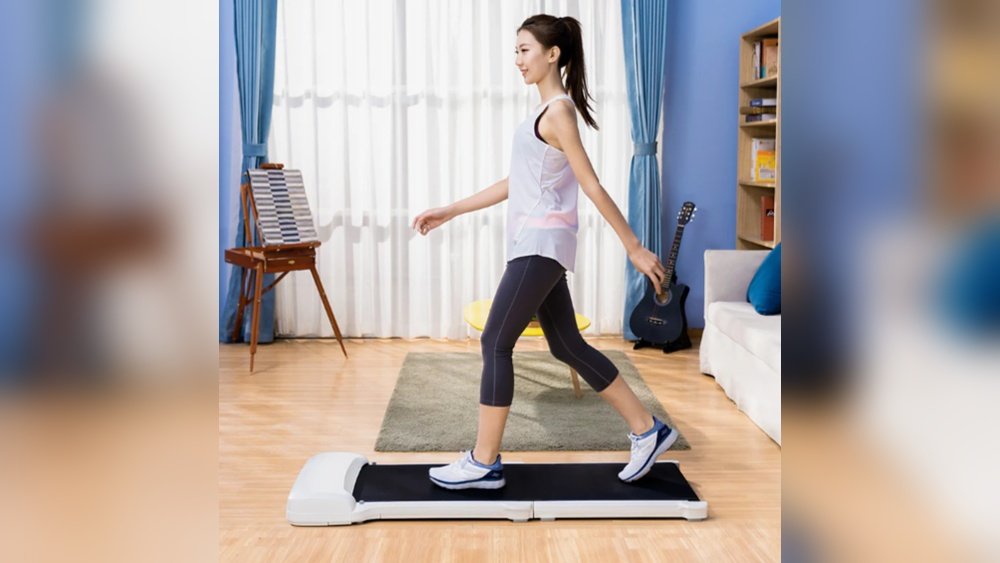
Are you thinking about using a walking pad but wondering if it will work well on your carpet? You’re not alone.
Many people want to stay active at home but worry about how their flooring might affect their new exercise gear. The good news is, understanding how walking pads interact with carpets can help you make the best choice for your space and fitness goals.
Keep reading to find out what you need to know before stepping onto your walking pad—and your carpet.

Walking Pads And Carpet Compatibility
Walking pads offer a convenient way to stay active indoors. Many wonder if these devices work well on carpeted floors. The answer depends on the carpet type and the walking pad design. Understanding this helps you use your walking pad safely and effectively on carpet.
Types Of Carpets And Their Impact
Carpets vary in thickness and texture. Thin, low-pile carpets provide a stable surface. Thick, high-pile carpets can cause instability. Dense carpets may slow down the walking pad’s belt. Soft carpets absorb some of the walking pad’s vibration. This can reduce noise but may affect performance. Knowing your carpet type helps choose the right walking pad.
Walking Pad Designs For Carpet Use
Some walking pads are built for carpet use. They have stronger motors to handle resistance. Wider belts offer better balance on soft surfaces. Non-slip feet prevent the pad from sliding. Lightweight models may struggle on thick carpets. Heavy-duty frames provide more stability. Look for walking pads with adjustable speed settings for carpets. Proper design ensures safe and smooth walking on carpet.
Challenges Of Using Walking Pads On Carpets
Using walking pads on carpets presents unique challenges. Carpets vary in thickness and texture, which can affect the pad’s performance. Some issues may impact safety and the longevity of both the carpet and the walking pad.
Stability And Balance Issues
Walking pads may wobble on soft or thick carpets. This instability can cause balance problems during use. Uneven surfaces make it harder to maintain steady walking. Users risk slipping or falling due to poor footing.
Wear And Tear On Carpet And Pad
Continuous movement can damage carpet fibers. The walking pad’s base may also wear out faster. Friction between the pad and carpet causes both to degrade. This reduces the lifespan of the equipment and the floor covering.
Noise And Vibration Concerns
Walking pads often create more noise on carpets. Vibrations transfer through the carpet, making sounds louder. This can disturb others in the home or building. Noise levels may rise, especially in apartments or shared spaces.
Choosing The Right Walking Pad For Carpets
Choosing the right walking pad for carpets can make a big difference. Not all walking pads work well on carpeted floors. Some models may slip, overheat, or not perform as expected. Knowing what features to check helps you pick a walking pad that fits your carpet type and walking style.
Motor Power And Speed Settings
A strong motor handles carpet resistance better. Carpets create more friction than hard floors. A motor with at least 1.5 horsepower is a good start. Speed settings help adjust your pace safely. Lower speeds suit thick or plush carpets well. Adjustable speeds keep your workout smooth and controlled.
Belt Material And Texture
The belt must grip the carpet without slipping. Look for belts made with textured or rubber surfaces. These provide better traction on soft surfaces. A thicker belt helps reduce wear and tear. It also cushions your steps, making walking more comfortable on carpet.
Weight And Frame Considerations
A heavy frame adds stability on carpet. Lightweight pads may move or wobble during use. Check the walking pad’s weight and build quality. A solid frame keeps the pad steady and safe. Also, some pads have adjustable feet to level uneven carpets.
Setup Tips For Carpet Use
Setting up a walking pad on carpet needs careful steps. Carpets can affect the device’s stability and performance. Follow these tips to create a safe and smooth workout space.
Surface Preparation And Padding
Clear the carpet area of dust and loose fibers. Vacuum well to avoid dirt buildup under the walking pad. Place a thin, firm mat or rubber padding under the walking pad. This helps protect the carpet and keeps the pad steady. Avoid thick padding that can make the walking pad uneven.
Placement And Space Requirements
Choose a flat, open spot on the carpet. Make sure there is enough room around the walking pad for easy access. Keep the walking pad away from walls and furniture. This space helps with balance and allows safe movement. Measure the area to ensure the walking pad fits well without crowding.
Safety Precautions
Check the walking pad regularly for any slips or shifts on the carpet. Use non-slip mats if the walking pad moves too much. Avoid placing the device on very thick or plush carpets. These can cause wobbling and may damage the machine. Always wear proper shoes for better grip and safety.
Maintenance And Care On Carpets
Using a walking pad on carpets requires special care to keep both the pad and carpet in good shape. Regular maintenance helps the walking pad work smoothly and prevents damage to your carpet fibers. This section covers important steps to clean the walking pad, care for your carpet, and inspect both regularly.
Cleaning The Walking Pad
Dust and dirt can build up on the walking pad’s surface and motor area. Wipe the walking pad with a soft, damp cloth after each use. Avoid using harsh chemicals that can damage the pad’s material. Check the walking belt for debris and remove any stuck particles gently. Keep the pad dry to prevent rust or electrical issues.
Carpet Care Tips
Carpets can flatten or wear out under the walking pad’s weight. Use a protective mat under the walking pad to reduce carpet damage. Vacuum the carpet regularly to remove dust and dirt that can get trapped. Rotate the walking pad’s position on the carpet to avoid creating permanent indentations. Keep the carpet clean and dry to extend its life.
Regular Inspections
Check the walking pad for loose screws, worn belts, or unusual noises weekly. Inspect the carpet area under the pad for signs of wear or damage. Early detection of problems helps prevent costly repairs. Tighten any loose parts on the walking pad to keep it stable. Replace worn-out components promptly to maintain safety and performance.

Alternatives To Walking Pads On Carpets
Walking pads may not work well on carpets. The soft surface can cause balance issues and damage. Many people want to exercise indoors but face this problem. Luckily, there are good alternatives to walking pads for carpeted spaces. These options help keep your workout safe and effective. They also protect your floors and equipment.
Using Mats And Protective Layers
Placing a firm mat under your walking pad can help. Mats keep the walking pad stable on soft carpet. They also protect the carpet from wear and dirt. Look for thick, non-slip mats made for exercise machines. Rubber or foam mats work well. These mats reduce noise too, making your workout quieter. A protective layer can extend your equipment’s life.
Other Exercise Equipment Options
Some machines work better on carpets than walking pads. Elliptical trainers and stationary bikes are good choices. They stay stable on soft surfaces and provide low-impact exercise. Resistance bands and bodyweight exercises need no equipment. They offer flexibility and do not damage carpets. Choose equipment based on space and fitness goals.
Frequently Asked Questions
Can Walking Pads Damage Carpet Fibers?
Walking pads can cause minor wear on carpets due to pressure and movement. Using a protective mat underneath can prevent damage and extend carpet life.
Are Walking Pads Stable On Carpets?
Walking pads may be less stable on thick or plush carpets. Firm, low-pile carpets offer better stability and safer use.
How Does Carpet Thickness Affect Walking Pad Use?
Thicker carpets can reduce walking pad performance and stability. Thin, flat carpets work best for smooth and safe operation.
Can Walking Pads Overheat On Carpets?
Carpets may trap heat, causing walking pads to overheat. Ensure proper ventilation and avoid extended continuous use to prevent this.
Conclusion
Walking pads can work on carpets, but results may vary. Thick or soft carpets might reduce the pad’s stability. Thin or low-pile carpets usually offer better support. Placing a mat under the walking pad helps protect both carpet and device.
Regular checks keep the pad safe and functional. Choose a walking pad that matches your carpet type. This ensures comfort and durability during use. Small adjustments can make a big difference. Try these tips to enjoy walking pads on carpets easily.