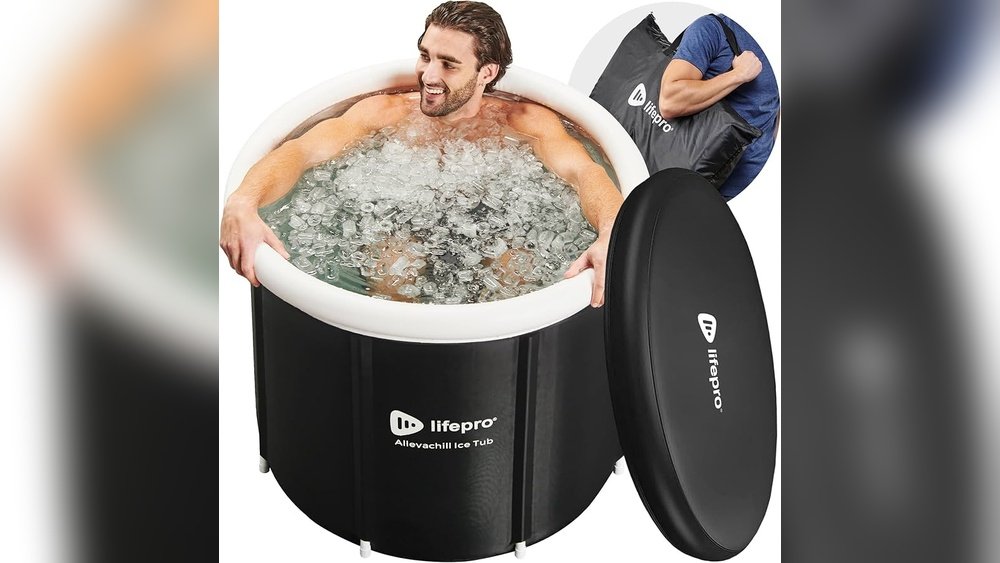
Traveling with portable ice bath tubs is an idea that has caught the attention of athletes, wellness enthusiasts, and people who enjoy cold therapy. But is it really possible? Does it make sense to bring an ice bath tub on your journey?
If you have ever used an ice bath, you probably know how effective it can be for recovery, reducing muscle soreness, and improving well-being. However, the thought of carrying a tub, finding ice, and setting up everything away from home might seem a bit much.
Still, portable designs are changing the game, making it easier than ever to enjoy an ice bath almost anywhere.
Let’s take a deep dive into what it means to travel with a portable ice bath tub. We’ll discuss the types, what to look for, practical challenges, and real solutions. You’ll learn not just if it can be done, but how to do it well, what to expect, and how to get the most out of your portable ice bath experience when you’re on the move.
Understanding Portable Ice Bath Tubs
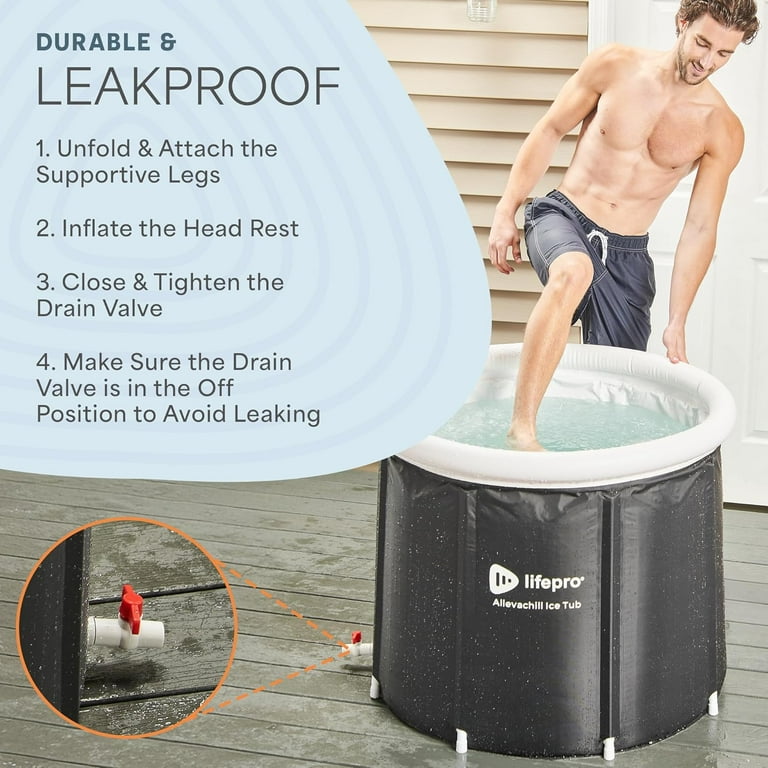
A portable ice bath tub is designed for mobility and easy use. Unlike traditional fixed tubs, these can be folded, deflated, or collapsed, making them much easier to carry. They are typically made from strong materials that can handle cold temperatures and the weight of water and ice.
Key Features Of Portable Ice Bath Tubs
- Lightweight materials: Most are made from PVC, nylon, or similar synthetic fabrics.
- Collapsible design: You can fold or roll them up to fit in a bag or suitcase.
- Quick setup: Many can be assembled in less than 10 minutes.
- Variety of sizes: Options range from single-person tubs to larger models that fit two people.
- Insulation: Some models have double or triple layers to keep the water cold longer.
Main Types Of Portable Ice Bath Tubs
- Inflatable tubs: Use air to get shape and can be deflated for travel.
- Foldable tubs: Have a structure that folds flat but pops open for use.
- Rigid collapsible tubs: Use panels or frames that collapse together.
Each type has its own advantages and drawbacks when it comes to travel, setup, and durability.
Why Travel With A Portable Ice Bath Tub?
People have different reasons for wanting an ice bath on the go. Here are some of the most common:
- Athletes: Need recovery tools during competitions or training camps.
- Fitness trainers: Want to offer clients cold therapy even when away from their main facility.
- Travelers with health routines: Maintain their therapy routine wherever they go.
- Biohackers: Seek the benefits of cold exposure for energy and mood, even on business trips.
- Outdoor adventurers: Use cold plunges after hiking, trail running, or climbing.
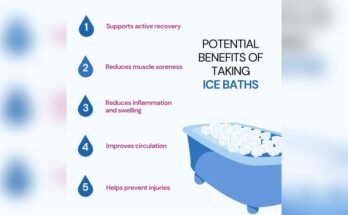
The benefits are not just physical. Regular cold plunges can help with sleep, stress, and mental sharpness, which many people want to keep up even while traveling.
Practical Challenges Of Traveling With An Ice Bath Tub
Before you pack your tub, it’s important to consider what’s involved. Traveling with a portable ice bath isn’t as simple as tossing it in your bag.
1. Size And Weight
Even the lightest tub can add extra weight and take up space in your luggage. Some fold down to the size of a thick book, while others are bulkier. The average portable tub weighs between 2–10 kg (4–22 lbs).
2. Access To Ice
Having a tub is only part of the equation. You need ice—often a lot of it. For a full-body soak, you may need 10–20 kg (22–44 lbs) of ice, depending on the tub size and starting water temperature.
3. Water Source And Drainage
You’ll need a place to fill the tub and a way to empty it safely. Not all hotels or rentals allow large amounts of water or have easy access to drains.
4. Privacy And Setup Space
Setting up a tub in a hotel bathroom, Airbnb, or outdoors requires privacy and enough room. Some locations may not allow it at all.
5. Drying And Packing After Use
Packing a wet tub is a hassle. It needs to be dried, or at least packed in a way that won’t damage your other belongings.
Comparing Portable Ice Bath Tubs For Travel
To help you understand which tub might suit your travel needs, here’s a comparison of three popular portable tub types:
| Type | Weight (kg) | Packed Size | Setup Time | Best For |
|---|---|---|---|---|
| Inflatable | 3–8 | Medium | 5–10 min | Hotels, Airbnbs |
| Foldable | 2–5 | Small | 2–5 min | Outdoor, Camping |
| Rigid Collapsible | 7–10 | Large | 10–15 min | Longer stays, Car travel |
As you can see, foldable tubs are usually the lightest and quickest to set up, but inflatable tubs often provide more comfort.

How To Choose The Right Portable Ice Bath Tub For Travel
Picking the right tub depends on your travel style, space, and how you plan to use it.
1. Check The Weight And Packed Size
If you’re flying, every kilogram counts. Make sure the tub will fit in your suitcase with your other essentials.
2. Consider The Setup And Takedown Time
Look for models that can be set up quickly, especially if you expect to use the tub in different places.
3. Durability Matters
Travel can be rough on gear. Choose a tub with reinforced seams, strong valves, and reliable materials.
4. Insulation
Some tubs have extra insulation, making them better for use in hot climates or when you want the water to stay cold for longer.
5. Ease Of Cleaning
A tub that is easy to clean and dry will save you time and effort, especially if you’re moving frequently.
6. Accessories
Some brands include covers, pumps, or carrying bags. These extras can make transport and setup much easier.
7. Price
Prices range from $50 to over $500. Higher-priced tubs often offer better build quality and insulation, but not everyone needs the most expensive option.
Traveling With A Portable Ice Bath Tub: Step-by-step Guide
It’s one thing to own a portable ice bath, but using it on the road is another story. Here’s a practical guide to make your experience easier.
Step 1: Plan Ahead
- Check your accommodation’s policy. Some hotels or rentals don’t allow large tubs or extra water use.
- Find out where you’ll get water and ice. Supermarkets, gas stations, or hotel ice machines are common options.
Step 2: Packing
- Dry the tub completely before packing to prevent mold or odors.
- Use a waterproof bag to protect other items in your luggage.
- Pack accessories such as a pump (for inflatables), repair kit, and cleaning cloth.
Step 3: Setup
- Choose a spot with a waterproof floor and access to a drain. Bathrooms are best, but balconies or patios work if allowed.
- Inflate or unfold the tub according to the instructions.
- Fill with cold water, then add ice. For best results, add ice gradually and stir to spread the cold.
Step 4: Using The Tub
- Limit soaks to 10–15 minutes to avoid cold-related risks.
- Use a timer if you’re new to ice baths.
- Wear a swimsuit and have a towel and warm clothes ready.
Step 5: Cleanup And Packing
- Empty the tub carefully, using a drain hose if available.
- Wipe dry or air out the tub to prevent moisture buildup.
- Fold and pack once completely dry.
How Much Ice Do You Really Need?
A common mistake is underestimating the amount of ice needed for a true cold plunge. For a standard 100-liter (26-gallon) tub, you’ll need about 10–20 kg (22–44 lbs) of ice to reach 10–15°C (50–59°F), depending on starting water temperature.
Here’s a quick reference:
| Water Volume (liters) | Starting Temp (°C) | Target Temp (°C) | Ice Needed (kg) |
|---|---|---|---|
| 80 | 20 | 15 | 8–10 |
| 100 | 24 | 12 | 15–18 |
| 150 | 22 | 10 | 20–25 |
Pro tip: Sometimes, you can use frozen water bottles instead of buying ice. They’re reusable and less messy.
Real-world Examples: Travelers And Their Portable Ice Baths
Many traveling athletes and wellness coaches use portable ice baths. For example, professional triathletes often pack a foldable tub for race weeks. They use hotel ice machines or buy ice from nearby stores. A fitness influencer who travels frequently reports bringing a PVC tub in her checked luggage, using it after long flights to reduce jet lag and muscle stiffness.
A unique insight: Some travelers use bathtubs in hotels as a backup if their portable tub is not practical. They fill the tub with cold water and ice, but portable tubs are still preferred for hygiene and privacy.
Mistakes To Avoid When Traveling With An Ice Bath Tub
- Forgetting to ask about water use: Some places have strict rules. Always check before you fill up.
- Not drying the tub before packing: This causes mold and odors.
- Bringing a tub that’s too large: It may not fit in small hotel rooms or apartments.
- Underestimating ice needs: Not enough ice makes the bath less effective.
- Ignoring the floor material: Water can damage carpets or wood floors.
- Skipping a repair kit: A small leak can ruin your plans.
- Not considering local weather: Hot climates melt ice faster; cold places may make ice easier to find.
Alternatives To Traveling With A Portable Ice Bath Tub
If bringing a tub is not practical, there are other ways to get cold exposure while traveling:
- Use hotel bathtubs with ice.
- Take cold showers. Not as intense, but still helpful.
- Find local spas with cold plunge pools.
- Natural water sources: Lakes, rivers, or ocean dips (check safety and permissions).
- Cryotherapy centers: Offer short, intense cold exposure sessions.

Benefits And Drawbacks Of Traveling With A Portable Ice Bath Tub
It’s important to weigh the pros and cons before making your decision.
Benefits
- Consistent recovery routine: Maintain your habits wherever you are.
- Hygiene: Your own tub is cleaner than public baths or hotel tubs.
- Flexibility: Use it indoors or outdoors.
- Privacy: No need to share with strangers.
Drawbacks
- Extra luggage: Takes up space and adds weight.
- Logistics: Finding enough ice and a water source can be hard.
- Setup time: Takes planning and effort.
- Possible restrictions: Some accommodations don’t allow them.
Health And Safety Tips For Traveling With Ice Baths
- Check your health status: Ice baths are not for everyone. People with circulation or heart problems should avoid them.
- Acclimate slowly: If you’re new, start with shorter sessions.
- Have a buddy: If possible, don’t ice bathe alone, especially in unfamiliar places.
- Warm up after: Always get warm and dry after your bath.
- Watch for signs of hypothermia: Shivering, dizziness, or numbness are danger signs.
Environmental Impact: Using Water And Ice Responsibly
Travelers sometimes overlook the environmental impact of frequent ice baths. Filling a tub with water and using large amounts of ice can use a lot of resources, especially in areas with water shortages or limited ice supply.
- Reuse water: If possible, use the same water for several sessions (as long as it stays clean).
- Dispose of water properly: Don’t dump water where it can damage property or plants.
- Be mindful of local conditions: In drought areas, skip the ice bath or use a cold shower instead.
Cost Comparison: Renting Vs. Bringing Your Own
Renting ice bath sessions in gyms or spas can be expensive. Bringing your own portable tub is usually cheaper in the long run if you travel often.
| Option | Cost Per Session (USD) | Pros | Cons |
|---|---|---|---|
| Portable tub (over 20 sessions) | $5–$10 | Low cost, consistent | Requires setup, transport |
| Spa or gym session | $20–$50 | No setup, professional | High cost, public |
| Hotel bathtub + ice | $10–$20 | Convenient, private | Not always available, less cold |
Expert Advice For Traveling With Portable Ice Bath Tubs
- Test your tub at home before your first trip. Make sure you know how to set it up, fill, and drain it quickly.
- Research ice sources near your destination ahead of time. Don’t rely on hotel ice machines for large amounts.
- Travel with a waterproof mat to protect floors.
- Choose accommodations with balconies or patios for outdoor setups.
- Consider a tub with a lid or cover to keep water cold longer.
Some experts also recommend using a digital thermometer to check water temperature, so you can adjust ice amounts more accurately.
Who Should Travel With A Portable Ice Bath Tub?
You might benefit if you:
- Compete in sports and need regular cold therapy.
- Travel for long periods and want to keep up your wellness routine.
- Are sensitive to public or shared facilities.
- Want to experiment with cold exposure as part of your lifestyle.
On the other hand, if you travel rarely or don’t need ice baths regularly, it may be simpler to use available facilities or alternatives.
Where To Buy And What Brands To Consider
Popular brands for portable ice bath tubs include:
- The Cold Plunge
- PLUNGE
- Ice Barrel
- Sun Home Saunas
- Inergize Health
- Nurecover
You can find these online or in specialty fitness stores. Look for models with good reviews, strong customer service, and clear warranty terms. For more details, check out this comprehensive overview of ice baths.
Frequently Asked Questions
What Is The Best Type Of Portable Ice Bath Tub For Travel?
Foldable tubs are usually the most travel-friendly. They are light, pack small, and set up quickly. Inflatable tubs offer more comfort but take longer to set up and require a pump.
How Do I Find Enough Ice When Traveling?
Check local supermarkets, convenience stores, or gas stations. Some hotels have large ice machines, but you may need to ask permission to take a lot of ice. In warm climates, plan ahead as ice can be in high demand.
Is It Safe To Use A Portable Ice Bath Tub In A Hotel Room?
Yes, if you follow hotel rules and protect the floors. Always use a waterproof mat and be careful with water and ice to avoid spills. Check with the hotel before using the tub.
How Do I Dry My Portable Ice Bath Tub After Use?
Wipe it down with a towel and let it air dry as much as possible. If you’re moving quickly, pack it in a waterproof bag and dry it fully at your next stop.
Can I Use My Portable Ice Bath Tub Outdoors While Traveling?
Yes, but be mindful of privacy and local rules. Patios, balconies, or campsites can work well. Always make sure to dispose of water safely and respect the environment.
Traveling with a portable ice bath tub is possible, but it requires planning and flexibility. For many, the benefits—better recovery, routine, and wellness—make the extra effort worthwhile. If you’re ready to bring your ice bath on the road, with the right tub and smart preparation, you can enjoy cold therapy almost anywhere your journey takes you.