Can You Use Ice Bath Tubs Indoors?
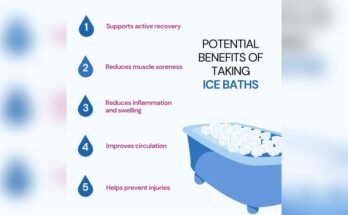
Many people love the idea of using an ice bath tub at home. The benefits are well known: faster muscle recovery, reduced inflammation, and even a mood boost. But a common question comes up—can you actually use ice bath tubs indoors? It sounds easy, but there are important things to think about before you bring cold therapy inside your house or apartment.
Let’s look at what you need to know about indoor ice bath tubs. We will cover the benefits, risks, setup steps, safety tips, and how to choose the right tub. You’ll also see real-life examples and expert advice. Whether you are an athlete, a fitness fan, or just curious about cold therapy, this guide will help you decide if an indoor ice bath tub is right for you.
Understanding Ice Bath Tubs
An ice bath tub is a container—often portable or inflatable—filled with cold water and ice. People use it for a process called “cold water immersion.” This practice helps speed up recovery after sports, reduces muscle pain, and can boost your energy.
There are different types of ice bath tubs:
- Simple plastic bins or barrels
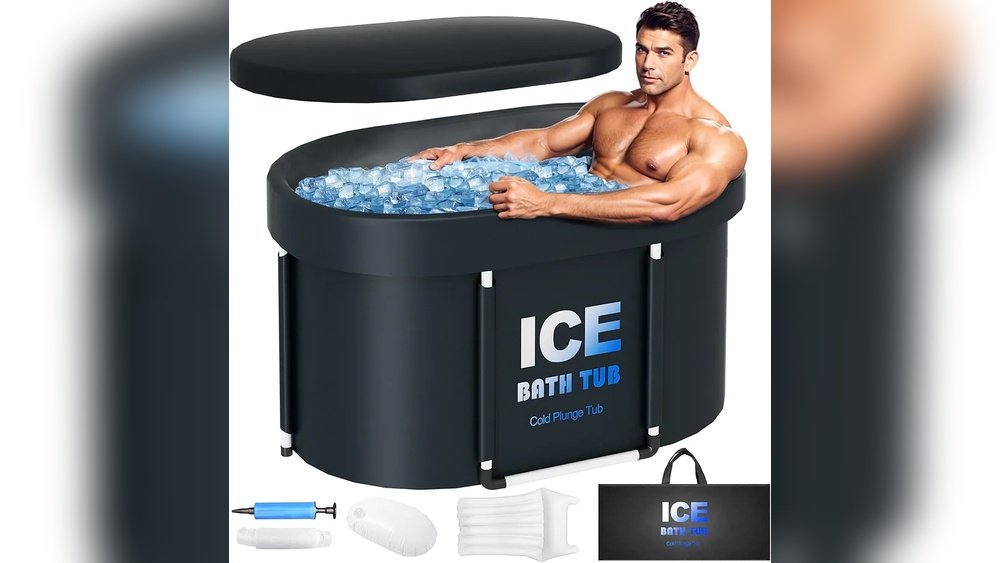
- Inflatable tubs
- Freestanding spa-style tubs
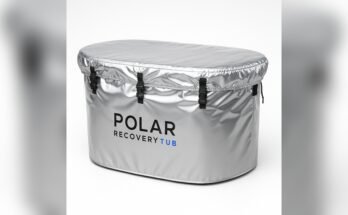
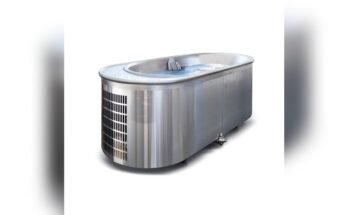
- Special ice bath units with temperature controls
Some are made for outdoor use, while others are designed for inside the home. The right choice depends on your space, budget, and needs.
Why People Want To Use Ice Bath Tubs Indoors
Many people prefer using ice bath tubs indoors for a few reasons:
- Privacy – You can recover in your own space, away from neighbors or passersby.
- Comfort – Indoor spaces are warmer, so you do not step out into the cold after your bath.
- Convenience – You can use the bath any time, even during bad weather.
- Better control – Indoor water access and temperature are easier to manage.
But, using an ice bath tub inside is not as simple as moving a tub indoors. There are important challenges to consider.
Key Challenges Of Indoor Ice Bath Tubs
Before you bring an ice bath tub inside, think about these main challenges:
1. Water Spillage
Ice bath tubs can hold 100 to 200 liters of water (sometimes more). Water can spill during filling, use, or draining. Even a small leak can damage floors, carpets, or walls.
2. Drainage
Draining a full tub inside is not easy. Lifting and dumping outside is not possible. You need a safe way to empty the water into a drain, shower, or bathtub.
3. Floor Strength
Water is heavy. For example, a tub with 150 liters of water weighs over 150 kg (plus your own weight). Not all floors can safely support this, especially in older homes or upstairs rooms.
4. Humidity And Mold
Frequent use can add moisture to your home. Bathrooms have ventilation, but living rooms or bedrooms do not. This can lead to humidity problems, which may cause mold or mildew.
5. Temperature Control
Keeping water cold indoors can be harder, especially in warm climates. You may need more ice or a tub with a built-in cooler.
6. Space Requirements
An ice bath tub needs space—not just for the tub, but for moving around, adding ice, and draining. Small apartments may not have enough room.
Many beginners overlook these challenges. They often focus on the benefits and ignore the setup and safety issues.
Where Can You Place An Ice Bath Tub Indoors?
Choosing the right location is critical. Some popular options include:
Bathroom
Best for:
- Easy access to water and drainage
- Waterproof floors and walls
Limitations:
- Small bathrooms may not fit a large tub
- Limited space for moving or storing ice
Laundry Room
Benefits:
- Often has a floor drain
- Hard flooring that resists water damage
Drawbacks:
- Space may be tight
- May need to move appliances
Basement
Advantages:
- Concrete floors are strong
- Cooler temperatures help keep water cold
Risks:
- Poor ventilation can cause humidity issues
- Draining water can be difficult without a floor drain
Garage
Pros:
- Room for a larger tub
- Easy clean-up in case of spills
Cons:
- Not truly “indoors” (can be cold or hot)
- May not have easy water access
Home Gym
Benefits:
- Near your workout area
- Convenient for regular recovery
Challenges:
- Many home gyms have carpet or wood floors (not water-resistant)
- May require extra effort to protect the floor
Comparing Indoor And Outdoor Ice Bath Tubs
Here’s a quick look at the differences:
| Feature | Indoor | Outdoor |
|---|---|---|
| Privacy | High | Low to Medium |
| Weather Control | Full | Limited |
| Drainage | Challenging | Easy (dump outside) |
| Setup Difficulty | Higher | Lower |
| Risk of Home Damage | High | Low |
| Year-round Use | Yes | No (in cold regions) |
How To Safely Use Ice Bath Tubs Indoors
If you want to use an ice bath tub indoors, follow these steps for safety and success.
1. Choose The Right Tub
Look for features that help with indoor use:
- Inflatable tubs are lighter and less likely to scratch floors.
- Tubs with drain hoses make emptying easier.
- Insulated tubs keep water cold longer, using less ice.
Check the size. Make sure it fits your space and can hold enough water for full body immersion.
2. Protect Your Floor
Always place the tub on a waterproof mat or thick plastic sheet. This protects against leaks or spills. Avoid placing the tub on carpet or wood. If you have only carpet, use double layers of waterproof material.
3. Plan For Drainage
Know exactly how you will empty the tub. Here are some options:
- Use a drain hose to direct water to a shower or floor drain.
- Use a portable water pump (small, affordable pumps are available online).
- Some people use a large bucket, but this is slow and heavy.
Never dump water down sinks that are not designed for large volumes, as this can cause clogs.
4. Ventilate The Room
Open windows or use a dehumidifier. This reduces humidity, stops mold, and keeps the air fresh. Bathrooms usually have fans, but laundry rooms or basements may need extra help.
5. Monitor Water Temperature
Keep water between 10°C and 15°C (50°F and 59°F) for safe cold therapy. Use a thermometer to check. Too cold can be dangerous, and too warm will not give the full benefits.
6. Limit Bath Time
Start with 5-8 minutes. Most people do not need more than 10-15 minutes in an ice bath. Long sessions increase the risk of hypothermia, especially indoors where the air is warmer.
7. Clean And Dry After Use
Always empty and dry the tub fully after each use. This prevents bacteria, mold, and bad smells. Wash the tub with mild soap every week if you use it often.
Common Mistakes When Using Ice Bath Tubs Indoors
Many people make avoidable mistakes when they set up their ice bath tubs inside. Here are some to avoid:
- Ignoring floor protection – Water damage is expensive and hard to fix.
- Draining into wrong pipes – Overloading household drains can cause backups.
- Not checking tub weight – Weak floors can crack or sag under heavy tubs.
- Skipping ventilation – Humidity can lead to mold, even if you do not see it right away.
- Using too much ice – Extremely cold water is not more effective and can be unsafe.
- Leaving water in the tub – Standing water breeds bacteria quickly.
What Features Matter Most When Choosing An Indoor Ice Bath Tub?
Picking the right tub is about more than just the price. Here are the key features that matter for indoor use:
| Feature | Why It Matters |
|---|---|
| Size | Must fit your space and your body |
| Weight (when full) | Should not exceed floor strength |
| Drainage system | Makes emptying water safe and easy |
| Material | Should be strong, leak-proof, and easy to clean |
| Insulation | Keeps water cold longer, saves ice |
| Handles or wheels | Helpful for moving the tub before or after use |
| Cover/lid | Reduces heat loss, keeps dirt out |

Best Practices For Setting Up An Indoor Ice Bath Tub
1. Measure Your Space
Before you buy, measure the floor area and ceiling height. Remember to leave space around the tub for easy entry and exit.
2. Use A Floor Protector
Invest in a high-quality floor mat made for gyms or wet environments. Some people use thick yoga mats with a waterproof sheet on top.
3. Test Drainage Before Filling
Do a test run. Pour a bucket of water into the tub and drain it. Make sure water goes where you want and does not leak or spill.
4. Store Ice Nearby
If you use ice from your freezer, store it in a cooler close to the tub. This makes filling faster and reduces mess.
5. Keep Towels And Warm Clothes Ready
After your bath, you will be cold and wet. Have towels and warm clothes within reach.
6. Tell Housemates Or Family
Let others know when you plan to use the ice bath. This avoids surprises and keeps everyone safe.
Indoor Ice Bath Tubs: Who Should (and Should Not) Use Them?
Ice bath tubs are popular with:
- Athletes (runners, cyclists, football players)
- Fitness fans after hard workouts
- People with chronic pain (with doctor approval)
- Those wanting a mental or energy boost
However, some people should be careful or avoid ice baths:
- People with heart conditions (cold water can stress the heart)
- Those with poor circulation or Raynaud’s disease
- Children or elderly (unless a doctor agrees)
- Anyone with open wounds or skin infections
Always check with your doctor if you have health concerns.
How Much Does It Cost To Use An Ice Bath Tub Indoors?
The cost depends on your choices:
- Basic plastic tub: $50-$150
- Inflatable or spa-style tub: $200-$1,000+
- Ice: About $5-$10 per session (if you buy it)
- Water usage: 100-200 liters per use, similar to a long bath
- Floor protection and accessories: $20-$100
Special electric ice bath units can cost over $3,000, but most people do not need these. The main ongoing cost is ice, especially if you use the tub often.
Real-life Examples: Indoor Ice Bath Setups
Here are two common indoor setups:
Example 1: Bathroom Setup
- Location: Guest bathroom
- Tub: Inflatable model (fits in shower area)
- Floor: Towel + plastic sheet under tub
- Drainage: Direct hose into shower drain
- Ice: Stored in a cooler beside the tub
- Result: Easy clean-up, no lasting moisture issues
Example 2: Basement Setup
- Location: Unfinished basement
- Tub: Large plastic stock tank (holds 180 liters)
- Floor: Concrete, with rubber mat for comfort
- Drainage: Small water pump to basement drain
- Ice: Bought in bulk and stored in a chest freezer nearby
- Result: Affordable and convenient, but needs a dehumidifier to avoid humidity buildup
Expert Tips For Success
- Always check for leaks before filling the tub fully.
- Use a thermometer to avoid water that is too cold.
- Change water often, especially if the tub is not drained after each use.
- Wear swimwear or light clothing to avoid skin irritation.
- Stay alert for signs of numbness or dizziness—get out if you feel unwell.
- Dry the tub fully before storing to prevent mold.
Health And Safety Considerations
Ice baths offer health benefits, but risks exist, especially indoors. Here’s what to keep in mind:
- Hypothermia: Watch for shivering, confusion, or slow speech. End the bath if these happen.
- Heart stress: Cold water makes your heart work harder. Stop if you feel chest pain or shortness of breath.
- Slipping: Wet floors are slippery. Use non-slip mats and move carefully.
- Infection: Clean the tub regularly to avoid bacteria.
- Mold: Use a dehumidifier if you notice musty smells or see black spots.
For more on cold therapy risks, see this article on Mayo Clinic.

Alternatives To Indoor Ice Bath Tubs
If you cannot safely use an ice bath tub indoors, consider these options:
- Cold showers: Easier to set up, but less effective for full body recovery.
- Cryotherapy centers: Professional facilities with controlled temperatures.
- Portable cold packs: Good for small areas, not full-body recovery.
- Outdoor tubs: If you have a yard or patio, these are usually easier to drain and manage.
Environmental Concerns
Frequent ice baths use a lot of water and ice. To reduce your impact:
- Reuse water for plants (if clean)
- Limit baths to days when recovery is needed, not daily
- Choose energy-efficient ways to chill water (like pre-chilling in winter)
Final Thoughts
Indoor ice bath tubs are possible, but they require careful planning and setup. If you are willing to protect your floors, manage drainage, and control humidity, you can enjoy all the benefits of cold therapy at home. But skipping these steps can lead to expensive damage and health risks.
Take your time, invest in good equipment, and always put safety first. With the right approach, an indoor ice bath tub can become a valuable part of your recovery routine.
Frequently Asked Questions
Can I Use Any Bathtub As An Ice Bath Tub Indoors?
Yes, a regular bathtub can work if it is large enough for your body and you can add ice safely. However, standard bathtubs are not insulated, so water will warm quickly. You may need more ice to keep the water cold, and the setup is less flexible than a portable ice bath tub.
How Often Should I Change The Water In My Indoor Ice Bath Tub?
Change the water after every use if possible. Standing water quickly grows bacteria, even if it looks clean. If you must reuse water, add a small amount of bleach and check for cloudiness or odor. Always empty and dry the tub fully once a week.
How Cold Should The Water Be In An Indoor Ice Bath?
The safe and effective range is 10°C to 15°C (50°F to 59°F). Colder water increases risk without extra benefits, and warmer water is less effective. Use a thermometer to check before each session.
Is It Safe To Use Ice Bath Tubs Indoors In An Apartment?
Yes, but only with strong floor protection and a safe drainage plan. Apartments with weak floors, carpet, or no drains nearby are not ideal. Check with your landlord before using a large tub, as water damage may violate your lease.
What Should I Do If I Spill Water While Using My Indoor Ice Bath Tub?
Quickly mop up spills with towels. Use a fan or dehumidifier to dry the area fully. Check for water under the tub, as hidden moisture can cause mold. If a major spill occurs, check the ceiling below (if upstairs) for leaks, and fix any damage right away to prevent long-term problems.