Many athletes swear by ice bath tubs after intense workouts or competitions. You may have seen football players sitting in cold water, shivering but smiling, or fitness influencers sharing their post-training ice bath routines on social media. But do ice bath tubs help with recovery time, or is it just another trend? With more people interested in optimizing recovery, understanding the real effects of ice baths is essential.
This article looks at what happens to your body during and after an ice bath, what science says about recovery, how to use ice baths safely, and common mistakes to avoid. Whether you are a serious athlete, a weekend runner, or just curious about recovery methods, you will find clear answers and practical tips here.
What Are Ice Bath Tubs?
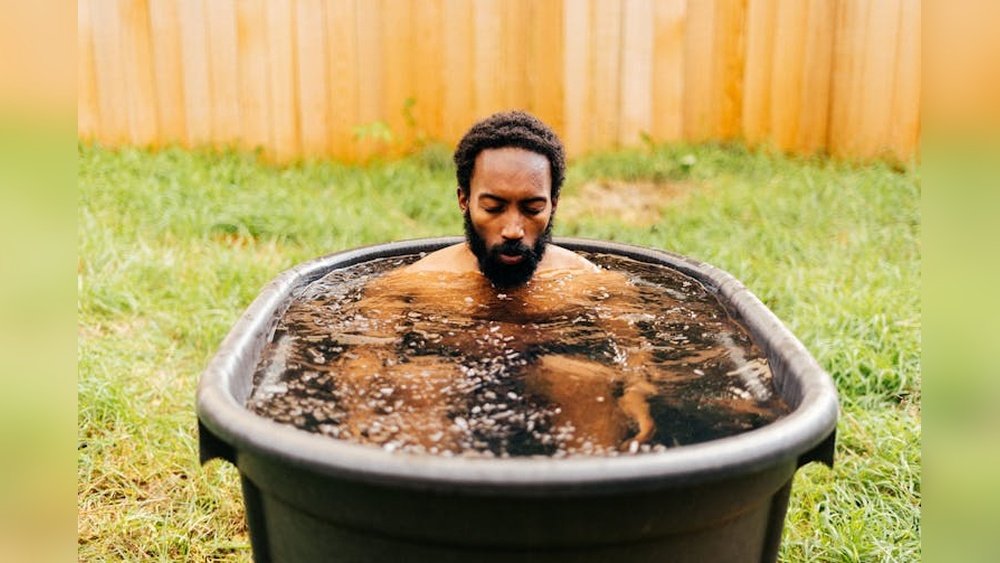
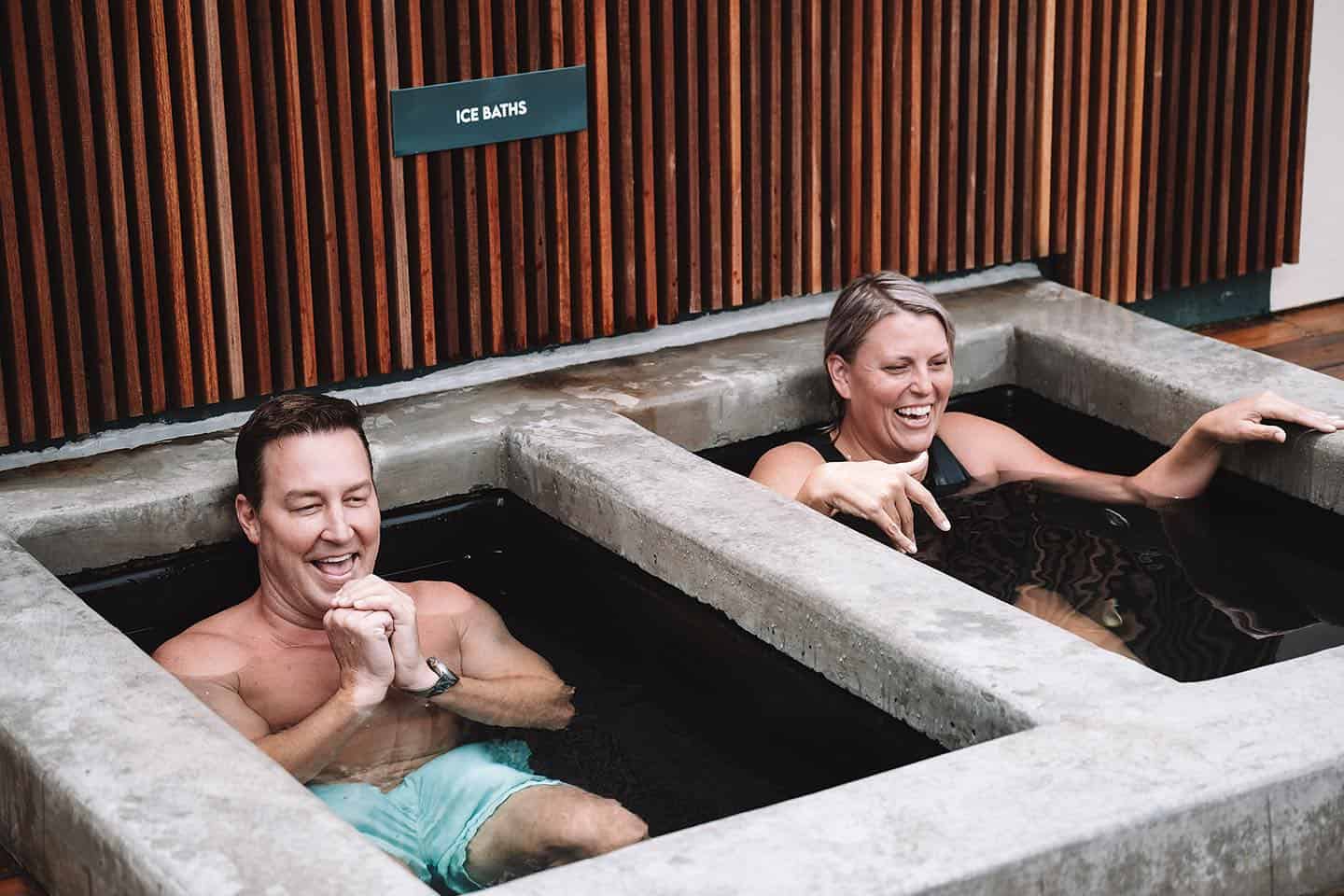
Ice bath tubs are large containers filled with cold water and ice, usually kept between 10°C to 15°C (50°F to 59°F). Athletes sit or lie in the tub for a set period, often 5 to 20 minutes. The main purpose is to cool the muscles and reduce inflammation after hard exercise.
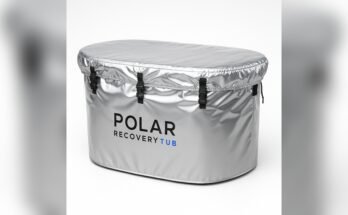
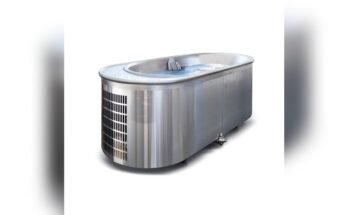
These tubs can be simple (a bathtub or a large barrel with ice) or more advanced (portable tubs with built-in temperature controls). Some gyms and recovery centers offer professional ice bath facilities. The process is also called cold water immersion.
How Do Ice Baths Work?
When you enter an ice bath, your body reacts to the sudden cold:
- Blood vessels constrict (get smaller), which reduces blood flow to the muscles.
- This helps reduce swelling and inflammation caused by tiny tears in muscle fibers during exercise.
- When you leave the ice bath, your blood vessels open up again. This increases blood flow and helps flush out waste products from the muscles.
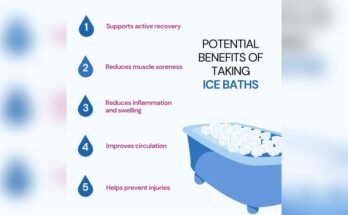
The main idea is that ice baths help the body recover faster by reducing muscle damage and soreness.
What Happens In Your Body During Recovery?
After exercise, especially high-intensity or long sessions, the body needs to repair muscle fibers, clear out lactic acid, and reduce swelling. This natural process can take anywhere from a few hours to several days, depending on exercise intensity.
Common signs of muscle recovery include:
- Reduced soreness: Muscles feel less painful
- Decreased swelling: Less puffiness and tightness
- Restored strength: Muscles regain their power and flexibility
Anything that speeds up these steps can be considered as “helping recovery time. ”
The Science Behind Ice Baths And Recovery
Research on ice baths is mixed, but several studies provide useful insights.
A 2017 review in the *Journal of Physiology* found that cold water immersion reduced muscle soreness after exercise. However, the effect on actual muscle recovery—measured by strength, power, or performance—was small.
Another 2020 review in *Sports Medicine* showed that ice baths can reduce feelings of soreness up to 24-48 hours after exercise. But when researchers tested muscle strength and power, the benefits were less clear.
Here’s a comparison of what studies found:
| Ice Bath Effect | Muscle Soreness | Muscle Strength/Power | Inflammation Markers |
|---|---|---|---|
| Short-Term | Reduced | Little to none | Slightly reduced |
| Long-Term | No strong effect | No strong effect | No strong effect |
Key insight: Ice baths help you feel less sore, but they may not actually help your muscles heal faster or grow stronger.
Benefits Of Ice Bath Tubs For Recovery
Even if the effect on muscle power is small, ice baths offer some real benefits:
- Less muscle soreness: Many people report reduced pain 1-2 days after intense workouts.
- Lower inflammation: Cold reduces swelling, especially useful after injuries or tough training.
- Faster return to training: If you feel less sore, you may be able to train again sooner.
- Mental refreshment: The cold shock can make you feel mentally sharp and more awake.
When Are Ice Baths Most Useful?
Ice baths are not needed after every workout. They are most helpful when:
- You compete in tournaments with several games in one day
- You do back-to-back training sessions with little rest
- You have muscle injuries or swelling
- You want to recover quickly between events
For light exercise, stretching or gentle walking can be just as effective.
Who Should Avoid Ice Baths?
While many people can try ice baths, some should be careful or avoid them:
- People with heart problems: Cold water can stress the heart.
- Those with circulation issues: Cold can make circulation worse.
- Young children or elderly: Their bodies are more sensitive to extreme temperatures.
- People with Raynaud’s disease: Cold can trigger symptoms.
If you are unsure, talk to a doctor before trying an ice bath.
How To Use An Ice Bath Tub Safely
If you want to try ice baths, follow these steps for safety and effectiveness:
- Temperature: Keep the water between 10°C–15°C (50°F–59°F).
- Time: Stay in the tub for 5–15 minutes. Start at 5 minutes if you are new.
- Clothing: Wear a swimsuit or shorts. Some people wear socks to protect toes.
- Supervision: Always have someone nearby, especially for your first time.
- Warm up afterward: Dry off and put on warm clothes as soon as you finish.
- Hydrate: Drink water before and after to prevent dehydration.
Step-by-step Example
After a hard football match:
- Fill a tub with cold water and add ice until it’s between 10°C–15°C.
- Sit in the tub so your legs and hips are under water.
- Set a timer for 10 minutes.
- Breathe calmly. If you feel dizzy or numb, get out right away.
- After the bath, dry off and change into warm clothes.
Comparing Ice Baths To Other Recovery Methods
Ice baths are just one way to recover after exercise. Here’s how they compare to other common methods:
| Recovery Method | Main Benefit | Best For | Downside |
|---|---|---|---|
| Ice Bath | Reduces soreness & swelling | Hard workouts, injuries | Uncomfortable, not for everyone |
| Massage | Relaxes muscles, improves blood flow | All exercise levels | Can be expensive |
| Active Recovery (walking, cycling) | Boosts blood flow, gentle movement | Everyday recovery | May not reduce soreness quickly |
| Compression Garments | Reduces swelling, supports muscles | Running, endurance sports | Less effect on soreness |
| Stretching | Improves flexibility | All workouts | Does not reduce swelling |
Non-obvious insight: Some athletes combine ice baths with other methods, such as light stretching and hydration, for better results.
Common Mistakes When Using Ice Bath Tubs
Many beginners make the same errors. Avoid these to get the most benefit:
- Water is too cold: Below 10°C can be dangerous and uncomfortable.
- Staying in too long: More than 15 minutes can increase risk of hypothermia or numbness.
- Not drying off quickly: Staying wet and cold can lead to chills or illness.
- Using after every light workout: Overuse can slow down muscle adaptation.
- Ignoring health conditions: People with medical issues should check with a doctor first.
Ice Baths And Long-term Muscle Growth
A surprise for many is that regular ice baths after every workout may actually slow muscle growth. Some studies show that cold water immersion can decrease the signals your body uses to build muscle after strength training. This means if your main goal is to get stronger or build muscle, ice baths should be used only when really needed (such as tournaments or double training days), not after every gym session.
What Do Top Athletes And Coaches Say?
Many professional athletes use ice baths, but their approaches differ:
- NBA and NFL players often use ice baths after games, but not always after every practice.
- Olympic runners and swimmers use ice baths during competitions with back-to-back races.
- Some coaches recommend using ice baths only during tournament season, not during “off season” training.
Non-obvious tip: Top athletes often adjust their ice bath use based on their training goals. If building muscle is the focus, they use ice baths less often.
Myths And Misunderstandings
There are several myths about ice baths. Here’s what you should know:
- Myth: Ice baths always speed up healing.
- Reality: They help with soreness, not always with actual muscle repair.
- Myth: Colder is better.
- Reality: Water below 10°C is risky and does not bring extra benefits.
- Myth: You must use an expensive ice bath tub.
- Reality: A regular bathtub or clean garbage bin with ice works fine.
- Myth: Ice baths are only for professionals.
- Reality: Anyone can use them, but safety comes first.
How To Build An Ice Bath Routine
If you want to include ice baths in your recovery plan, here’s how:
- Identify your needs: Use ice baths only after very hard workouts, tournaments, or when you feel sore.
- Plan your sessions: 1–2 ice baths per week is enough for most people.
- Combine with other methods: Stretch, hydrate, and eat well for best results.
- Track your recovery: Notice how your body feels after each session. Adjust as needed.
Example Routine
After two soccer matches in one day:
- Take an ice bath for 10 minutes.
- Stretch gently after drying off.
- Eat a balanced meal with protein and carbs.
- Drink water or a sports drink.
This mixed approach helps speed up recovery without overusing ice baths.
Are There Risks To Ice Bath Tubs?
While ice baths are safe for most healthy people, some risks exist:
- Hypothermia: Staying too long or using very cold water can drop body temperature dangerously.
- Numbness or tingling: Especially in fingers, toes, or skin.
- Infection: If the tub is not clean, bacteria can enter through small skin cuts.
- Heart stress: Cold shocks the heart and blood pressure.
To reduce risks:
- Use clean water and ice.
- Do not use alone if you have a health condition.
- Start with shorter times and warmer water.
When To Avoid Ice Baths
There are times when ice baths are not a good idea:
- When you have open wounds or skin infections.
- Right after eating a heavy meal.
- If you are shivering uncontrollably.
- If you feel dizzy, weak, or very uncomfortable.
Always listen to your body.
Ice Bath Tubs Vs. Cryotherapy Chambers
Recently, cryotherapy chambers (very cold air chambers) became popular. Are they better than ice baths? Studies show that both methods can reduce soreness, but ice baths are cheaper and easier to access.
| Method | Temperature | Cost | Availability | Main Effect |
|---|---|---|---|---|
| Ice Bath Tub | 10°C–15°C (50°F–59°F) | Low | Home/gym | Reduces soreness |
| Cryotherapy Chamber | -110°C to -140°C (-166°F to -220°F) | High | Special clinics | Reduces soreness |
For most people, ice bath tubs are the more practical choice.
Do Ice Baths Help With Recovery Time? The Final Answer
So, do ice bath tubs help with recovery time? The answer is: yes, but with limits. They can make you feel less sore and ready to move sooner after tough workouts or competitions. However, they do not speed up true muscle healing or growth for everyone. Used correctly, ice baths are a useful tool in your recovery toolbox—but they are not a magic fix.
If you want to try them, do so safely, and use them only when your body really needs them. Combine ice baths with good nutrition, rest, and other recovery methods for the best results.
For more on the science of ice baths, you can visit this research article from the National Institutes of Health.
Frequently Asked Questions
How Cold Should An Ice Bath Be For Recovery?
The best temperature is 10°C–15°C (50°F–59°F). Colder water does not improve results and increases risk. Always use a thermometer to check.
How Long Should I Stay In An Ice Bath Tub?
5–15 minutes is enough. Beginners should start with 5 minutes. Do not go over 15 minutes to avoid risks like hypothermia or numbness.
Can I Take An Ice Bath After Every Workout?
No. Ice baths are best for hard workouts, competitions, or when you are very sore. Using them after every light workout may slow muscle growth.
Do Ice Baths Help With Injuries?
Ice baths can reduce swelling after injuries, but are not a treatment for serious injuries. Always check with a doctor if you have a bad injury.
Is It Safe To Use Ice Bath Tubs At Home?
Yes, if you follow safety rules: use the right temperature, limit time, and have someone nearby if possible. Clean the tub before and after each use.
Taking control of your recovery with the right methods, including ice baths when needed, can make a big difference in how you feel and perform. Listen to your body, and don’t be afraid to adjust your routine as you learn what works best for you.