Many athletes, fitness lovers, and even casual gym-goers talk about ice baths. You see pictures of professionals sitting in cold water after games or hard workouts. But do ice baths actually help muscle recovery, or are they just a trend?
This question matters, especially if you want to get results and avoid injury. Understanding what really happens when you take an ice bath can help you decide if it’s worth your time (and the shivers). Let’s explore the science, benefits, risks, and practical tips so you can make a smart choice.
What Are Ice Baths?
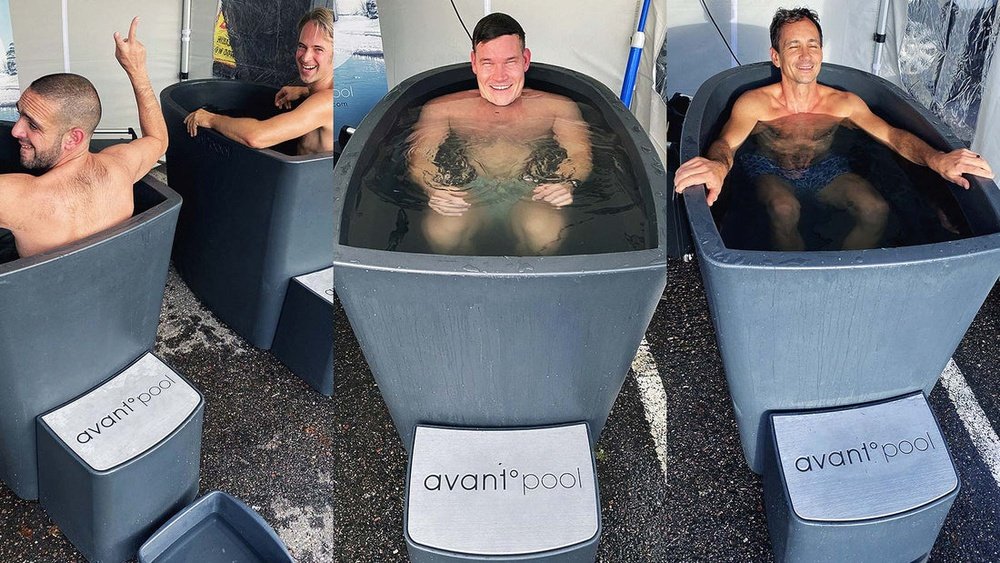
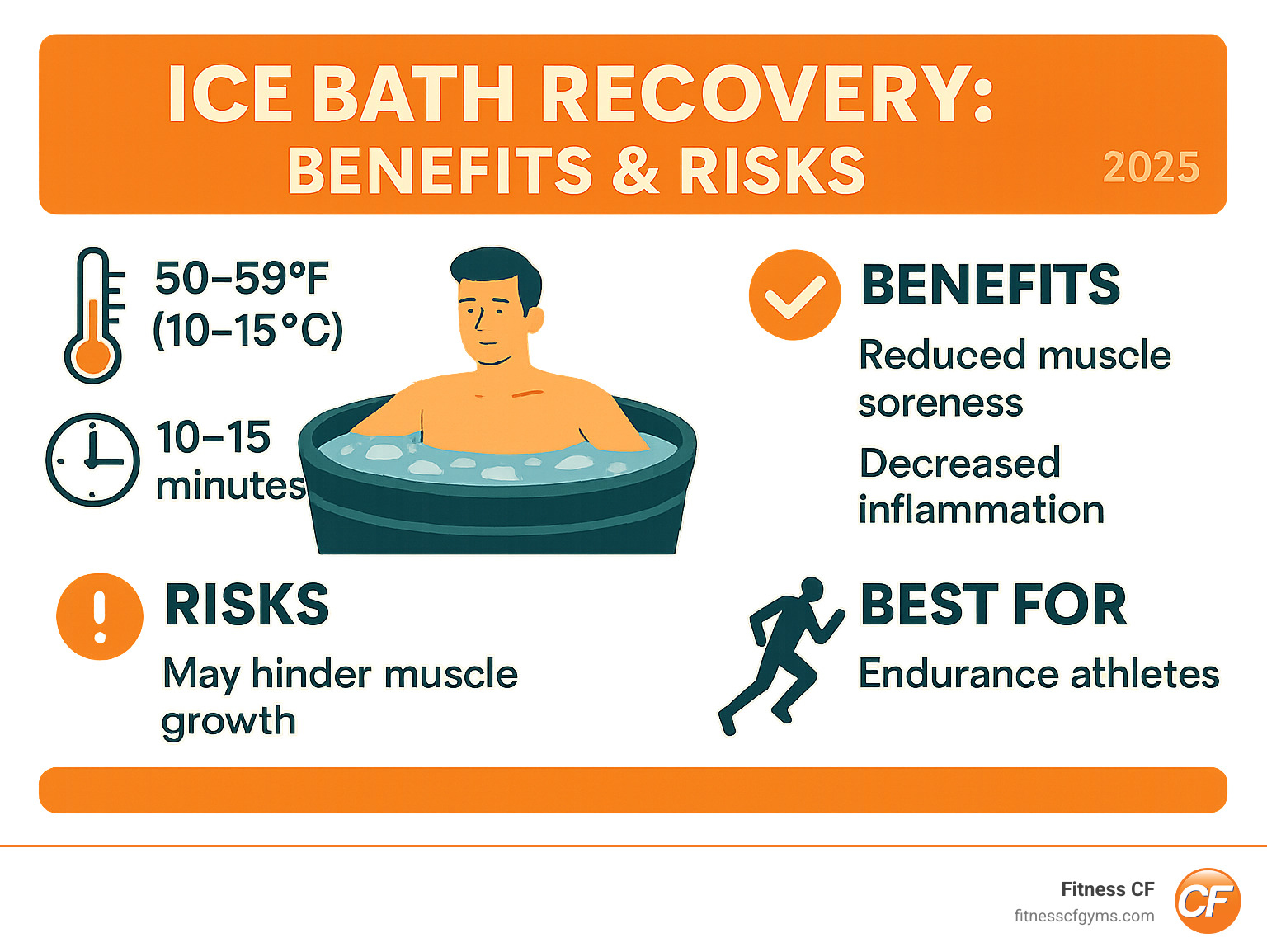
An ice bath is when you immerse your body—usually from the waist down or sometimes the whole body—in cold water, typically between 10°C to 15°C (50°F to 59°F), for about 10 to 15 minutes. Some people add ice cubes to make the water colder. Others use a bath, tub, or even a large bucket. The main idea is to expose your muscles to cold temperatures right after intense exercise.
Ice baths are a type of cold water immersion (CWI). This method is different from just taking a cold shower. In an ice bath, the temperature is much lower, and the water stays cold for a longer period.
Why Do People Use Ice Baths?
Athletes and trainers believe ice baths can help with muscle soreness, inflammation, and faster recovery. The thinking is simple: hard exercise creates small muscle tears and swelling. Cold water might reduce this swelling, numb the pain, and help muscles heal faster.
Some common reasons people try ice baths:
- Reduce muscle pain after a tough workout or game
- Limit muscle swelling and inflammation
- Feel refreshed and less tired after training
- Speed up recovery to train more often or play again soon
But do these beliefs match what science says? Let’s dig deeper.
How Do Ice Baths Work? The Science Explained
When you sit in an ice bath, the cold water causes your blood vessels to shrink (vasoconstriction). This means less blood flows to your muscles for a short time. When you get out, the vessels quickly open again (vasodilation), and fresh blood rushes in. This process may help flush out waste products, like lactic acid, which builds up during exercise and can cause soreness.
Here’s what happens step by step:
- Muscles cool down – Cold water drops the temperature of your skin and muscles.
- Blood flow slows – Shrinking blood vessels limit swelling and fluid build-up.
- Nerves are numbed – Cold water reduces pain signals, so you feel less sore.
- Fresh blood returns – After the bath, warm blood brings nutrients that help repair muscle damage.
Some experts say this process might help muscles heal faster. But there are also debates and doubts, so it’s important to look at real evidence.
The Evidence: What Studies Say About Ice Baths And Muscle Recovery
Research on ice baths shows mixed results. Some studies report benefits, while others find little or no effect. It’s important to know both sides.
Studies Showing Benefits
- A review in the Journal of Sports Medicine looked at 17 studies and found that cold water immersion reduced muscle soreness up to 20% in the first 24 to 96 hours after exercise.
- Another study with rugby players found that those who took ice baths had less muscle pain and felt ready to train again sooner than those who did not.
- Some research shows ice baths may help athletes recover quickly between competitions, especially in sports with many matches in a short time.
Studies Showing No Effect Or Risks
- A 2017 study in the Journal of Physiology found that ice baths did not improve long-term muscle strength or growth after weight training. In fact, regular ice baths might reduce muscle gains.
- Research on marathon runners showed that cold water immersion did not reduce injury rates or speed up true muscle healing.
- Some scientists warn that numbing pain is not the same as real recovery. If you feel less sore, you might push too hard and risk further injury.
Key Takeaway
The evidence suggests that ice baths might help reduce short-term soreness, especially after tough or repeated workouts. However, the effects on muscle growth, strength, and injury prevention are less clear. Not everyone responds the same way, and the timing and method matter.
How Ice Baths Compare With Other Recovery Methods
Ice baths are not the only way to recover after exercise. People also use active recovery, stretching, massage, compression, and more. Here’s how ice baths stack up against other common methods:
| Method | Main Benefit | Best For | Drawbacks |
|---|---|---|---|
| Ice Bath | Reduces soreness, numbs pain | After intense or repeated workouts | Can be uncomfortable, not for everyone |
| Active Recovery (light exercise) | Boosts blood flow, prevents stiffness | General muscle recovery | Not as fast for pain relief |
| Massage | Relieves tension, improves mood | Muscle tightness, stress | Can be costly, needs a trained person |
| Stretching | Improves flexibility, reduces cramps | After workouts, daily use | Does not reduce swelling quickly |
| Compression Garments | Reduces swelling, supports muscles | After running, long exercise | Mixed research results |
Non-obvious insight: Some studies show that active recovery (like walking or cycling slowly) can be just as good as ice baths for reducing soreness, but with less discomfort. However, ice baths may be better if you need very fast relief or have to play again within a day.
Ice Bath Protocol: How To Do It Safely
If you want to try ice baths, doing them the right way is key. Too cold, too long, or too often can do more harm than good.
Step-by-step Guide
- Fill your tub or container with cold water. Add ice until the temperature is between 10°C and 15°C (50°F to 59°F).
- Get in slowly. Start with your legs, then lower your body. Avoid sudden jumps—this can shock your system.
- Stay in for 10–15 minutes. Do not go longer, especially your first time.
- Dry off and warm up after the bath. Put on dry clothes and move around to restore normal body temperature.
- Drink water to stay hydrated. Cold can make your body lose fluids.
- Limit ice baths to no more than three times per week unless advised by a professional.
Who Should Not Use Ice Baths?
- People with heart problems or high blood pressure
- Those with nerve issues or poor blood flow
- People who are very young, elderly, or have certain health conditions
If you are unsure, always ask your doctor first.
Common Mistakes When Using Ice Baths
Beginners often make small errors that can reduce benefits or even cause harm. Here are mistakes to avoid:
- Staying too long. More than 15 minutes increases the risk of hypothermia and skin injury.
- Water too cold. Below 10°C (50°F) can be dangerous and is not more effective.
- Not warming up after. Shivering is a sign you need to get warm.
- Using ice baths for every small ache. Save ice baths for very hard or repeated exercise—not everyday soreness.
- Ignoring health warnings. If you feel dizzy, numb, or have chest pain, get out immediately.
Non-obvious insight: The timing of the ice bath matters. Taking an ice bath immediately after every workout, especially strength training, may actually slow down muscle growth. Some coaches now recommend waiting a few hours after resistance exercise before using cold immersion.
Who Benefits Most From Ice Baths?
Ice baths are not a magic tool for everyone. Some people gain more than others.
Best Candidates
- Professional athletes with back-to-back games or tournaments
- Endurance athletes (runners, cyclists) after long races or training
- Team sports players who need to recover fast for the next match
- People doing high-intensity interval training (HIIT)
Less Useful For
- Beginners just starting light exercise
- People training mainly for muscle size and strength
- Anyone with health issues affected by cold
Ice Baths And Delayed Onset Muscle Soreness (doms)
Delayed onset muscle soreness (DOMS) is the pain you feel 24–72 hours after new or tough exercise. It’s caused by tiny tears in muscle fibers and inflammation. Many people use ice baths to fight DOMS.
What Research Says
- Cold water immersion can reduce the feeling of soreness by 20–30% in the first two days after exercise.
- However, DOMS is a natural part of muscle adaptation. Some soreness means your body is getting stronger.
- Reducing soreness does not always mean muscles heal faster. Sometimes, ice baths only mask pain.
Practical Tip
If DOMS is stopping you from regular life or training, ice baths can help for short-term relief. But if you want long-term strength or muscle growth, use them only when truly needed.
Myths And Facts About Ice Baths
There are many strong opinions about ice baths. Let’s sort out some common myths and facts.
Myth 1: Ice Baths Speed Up All Muscle Healing
Fact: They can reduce pain and swelling, but do not speed up muscle repair for all types of exercise. In some cases, they may even slow down growth.
Myth 2: The Colder, The Better
Fact: Extremely cold water does not give better results. It only increases the risk of harm.
Myth 3: Everyone Should Use Ice Baths
Fact: Not everyone needs or benefits from them. For many, other recovery methods work just as well.
Myth 4: Ice Baths Prevent All Injuries
Fact: They may help with soreness but do not protect against serious injuries like muscle tears or joint problems.
Myth 5: Ice Baths Work Instantly
Fact: Relief comes within hours, but real muscle recovery still takes time.
How Do Ice Baths Affect Muscle Growth?
Some people worry that using ice baths too often might limit muscle size or strength. Is this true?
What The Research Shows
- Several studies (including a 2015 study in the Journal of Physiology) found that regular ice baths after weight training reduced muscle growth by up to 12% compared to no cold exposure.
- The cold seems to reduce signals that help muscles build new fibers.
- However, using ice baths only after very tough workouts or competitions does not seem to hurt long-term gains.
Practical Guidance
If your main goal is muscle size or strength, avoid ice baths right after every session. Save them for special cases, like competitions or extreme soreness.
When Are Ice Baths Most Useful?
Timing matters for recovery. Here are times when ice baths may be a good choice:
- After back-to-back games or events. Quick recovery is crucial.
- During tournaments or training camps. Many sessions in a short time.
- After endurance races. Marathons, triathlons, or long rides.
- When soreness is severe. If pain affects daily life or future training.
Risks And Side Effects Of Ice Baths
While usually safe for healthy people, ice baths are not risk-free.
Possible Side Effects
- Hypothermia: Body temperature drops too low.
- Frostbite: Damage to skin, especially if water is too cold.
- Heart problems: Cold can stress the heart, especially in those with heart disease.
- Numbness or tingling: Usually mild, but can be serious in some cases.
Safety Tips
- Never use ice baths alone. Have someone nearby in case you feel faint.
- Always check the water temperature with a thermometer.
- If you feel dizzy, weak, or have chest pain, get out right away.
Real-world Examples: Athletes And Ice Baths
Many famous athletes use ice baths as part of their recovery routine.
- LeBron James (NBA): Often shares photos using ice baths after games.
- Mo Farah (Olympic runner): Uses cold water immersion after races.
- Cristiano Ronaldo (soccer): Known for using ice and cold therapy.
But even these stars combine ice baths with other recovery methods like massage, stretching, and good sleep.
Comparing Ice Baths, Cryotherapy, And Contrast Baths
There are other cold-based recovery methods. How do they compare with ice baths?
| Method | Temperature | Exposure Time | Main Use | Cost/Ease |
|---|---|---|---|---|
| Ice Bath | 10°C–15°C (50°F–59°F) | 10–15 min | Muscle soreness | Low cost, easy at home |
| Cryotherapy Chamber | -110°C to -140°C (very cold air) | 2–3 min | Pain, inflammation | Expensive, needs a clinic |
| Contrast Bath | Hot and cold water | 1–2 min each, repeat | Blood flow, joint pain | Medium cost, needs setup |
Non-obvious insight: Cryotherapy chambers are popular but not more effective than ice baths for muscle recovery. They are also much more expensive and less accessible.
Practical Tips For Getting The Most From Ice Baths
If you decide to use ice baths, follow these tips for the best results:
- Use a timer. Never guess how long you’ve been in.
- Start slow. Begin with shorter times and warmer water, then build up.
- Don’t do ice baths daily. Give your body time to adapt and recover naturally.
- Combine with other methods. Use stretching, good sleep, and nutrition for full recovery.
- Listen to your body. If you feel worse, stop and try something else.
Ice Baths And Mental Recovery
Besides muscle effects, ice baths can also affect your mind. Many users report feeling more alert, refreshed, and positive after a cold soak. The shock of cold water releases endorphins, which can boost mood. Some athletes use ice baths as a mental reset after tough games.
However, if you find ice baths stressful or unpleasant, it’s okay to skip them. There are many other ways to recover.
Alternatives To Ice Baths
If you don’t like ice baths or can’t use them, try these methods:
- Foam rolling: Helps loosen tight muscles.
- Gentle yoga or stretching: Reduces soreness and improves flexibility.
- Warm baths: Relax muscles and mind.
- Proper hydration and nutrition: Vital for repair and growth.
- Rest and sleep: The most important part of recovery.
Summary: Do Ice Baths Help Muscle Recovery?
Ice baths can help reduce muscle soreness and swelling after hard or repeated workouts, especially for athletes who need to recover quickly. They are less helpful for muscle growth or for casual exercisers. Ice baths are not a must for everyone, and other recovery methods can work just as well for most people. If you use ice baths, do so safely, and combine them with good sleep, nutrition, and active recovery.
For more details, you can check research from the National Institutes of Health.
Frequently Asked Questions
What Is The Ideal Temperature For An Ice Bath?
The best temperature for an ice bath is 10°C to 15°C (50°F to 59°F). This range is cold enough to help with muscle recovery but not so cold as to be unsafe. Always use a thermometer to check before getting in.
How Long Should I Stay In An Ice Bath?
Aim for 10 to 15 minutes. Staying longer does not increase benefits and can raise the risk of hypothermia. Beginners should start with shorter times and increase slowly.
Can I Use Ice Baths After Every Workout?
No, you should not use ice baths after every workout. For most people, 1–3 times per week is enough. Too many ice baths may slow down muscle growth and adaptation.
Are There Any Risks To Using Ice Baths?
Yes, risks include hypothermia, skin damage, and heart problems. People with certain health conditions should avoid ice baths. Always consult your doctor if unsure.
Are Ice Baths Better Than Cryotherapy?
Ice baths and cryotherapy both use cold for recovery, but research shows ice baths are just as effective for muscle soreness. Cryotherapy is more expensive and less accessible.
Ice baths can be a useful tool for some, but they are not a magic fix. Use them wisely and always listen to your body. If you have special health needs or want to maximize muscle growth, talk to a fitness or health professional before starting regular ice baths.