Do Ice Baths Help With Soreness?
Anyone who exercises regularly or plays sports has probably heard about ice baths. You see athletes sitting in big tubs filled with cold water and ice after a hard game or workout. The idea is simple: sitting in cold water helps your muscles recover faster and reduces the pain you feel the next day. But do ice baths really work for soreness? Is it just a trend, or is there solid science behind this chilly recovery method?
Let’s take a detailed look at what happens to your body during and after an ice bath, the evidence for and against using them for muscle soreness, and how to use them safely if you decide to give it a try.
We’ll also look at common mistakes, who should avoid ice baths, and answer the most frequent questions people have about this popular recovery tool.
What Happens To Your Muscles After Exercise
When you exercise hard—running, weight lifting, or playing sports—your muscles do more work than usual. This causes tiny tears in your muscle fibers. Your body repairs these tears, making your muscles stronger over time. However, the process also causes soreness, which many people feel 24 to 48 hours after exercise. This is called delayed onset muscle soreness (DOMS).
DOMS happens because of:
- Microscopic muscle damage
- Inflammation in the muscle
- Buildup of metabolic waste products like lactic acid
This soreness is a normal part of getting stronger, but it can be uncomfortable and sometimes limit your next workout.
What Is An Ice Bath?
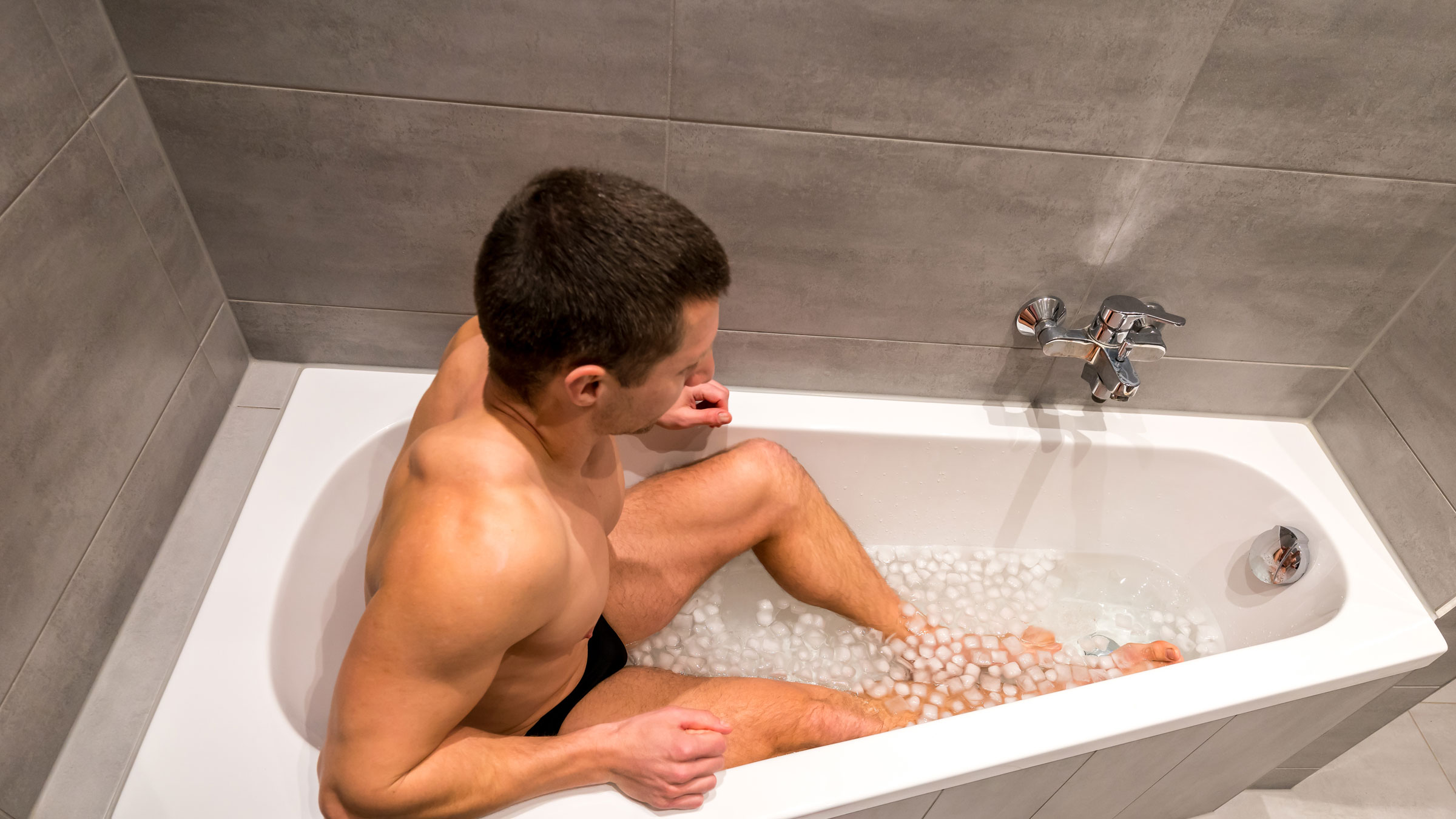
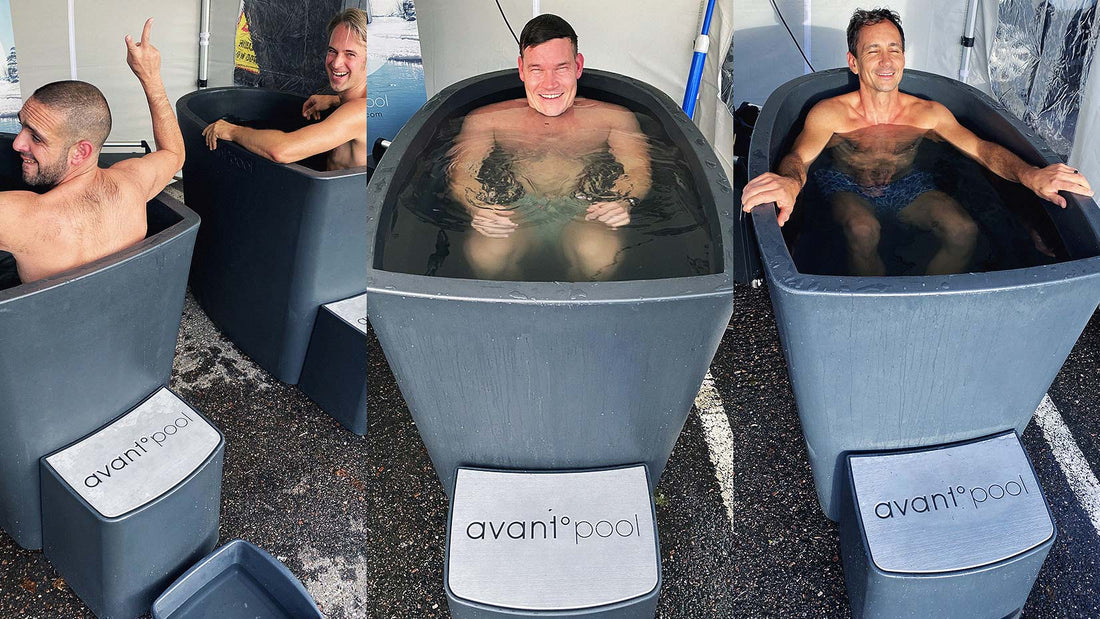
An ice bath is a form of cold water immersion therapy. You fill a tub with cold water (usually between 10–15°C or 50–59°F) and add ice. People sit in the bath—often waist-deep or up to the chest—for about 10 to 15 minutes after intense exercise.
The main reasons people use ice baths are:
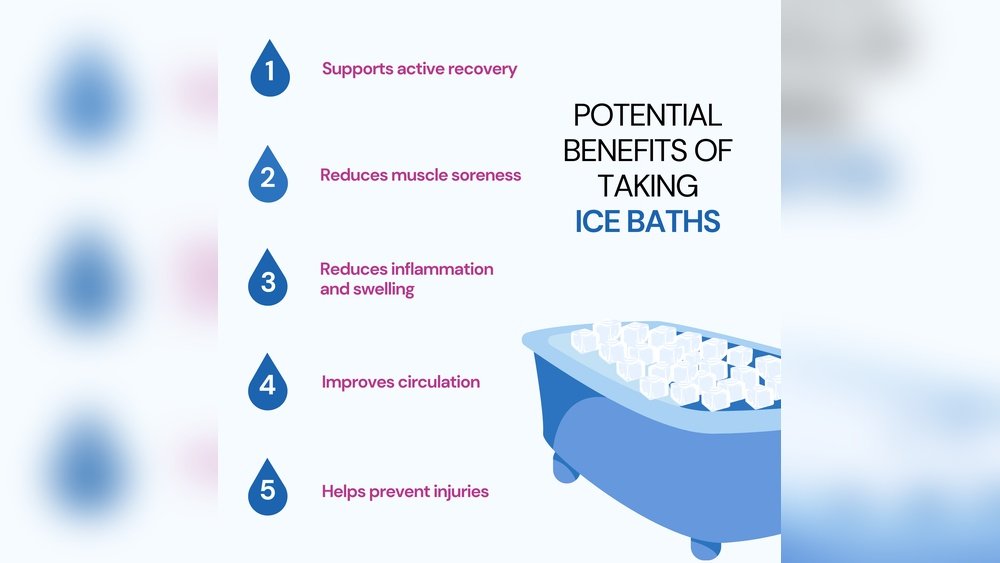
- To speed up recovery after exercise
- To reduce muscle soreness and pain
- To limit swelling and inflammation
But how does sitting in cold water actually help your body?
How Ice Baths Work: The Science
The key idea behind ice baths is that cold exposure causes your blood vessels to narrow (vasoconstriction). This can temporarily reduce blood flow to the muscles. When you get out of the ice bath, your vessels open up again (vasodilation), which increases blood flow. Supporters believe this process:
- Flushes out waste products from the muscles
- Reduces inflammation and swelling
- Numbs nerve endings to reduce pain
Cold also slows down nerve signals, which can make you feel less pain right after the bath.
What Happens In The Body
- Blood Vessels Tighten: The cold makes your blood vessels smaller, which reduces blood flow and swelling.
- Less Inflammation: Lower temperature slows down inflammation, a key source of soreness.
- Pain Signals Blocked: The cold numbs nerves and can block pain signals for a short time.
- Increased Circulation After: When you warm up, blood flow increases, which may help repair muscle tissue.
But does this process actually reduce soreness? And how much does it help, if at all?
What Does The Research Say About Ice Baths And Soreness?
Many studies have looked at ice baths, but the results are mixed. Some research shows clear benefits, while others find only small or temporary effects. To understand the big picture, let’s look at the evidence.
Evidence For Ice Baths
- A review in the British Journal of Sports Medicine found that ice baths can reduce muscle soreness for up to 24–48 hours after exercise. People who used ice baths felt less soreness than those who did nothing or just rested.
- Some studies show that ice baths can help athletes recover faster between competitions or intense training sessions. They may feel less tired and more ready to perform again sooner.
- Elite sports teams often use ice baths as part of their regular recovery routines. Many athletes say they feel better after an ice bath.
Evidence Against Ice Baths
- Other research finds that the difference in soreness is small. For example, a study published in the Journal of Physiology found that ice baths reduced soreness only slightly compared to just resting.
- Some scientists say that ice baths can slow down muscle growth if used too often. This is because inflammation, while uncomfortable, is part of the muscle-building process.
- Not all studies agree on the best temperature, time, or method for ice baths, which makes the results harder to compare.
Comparing Ice Baths To Other Recovery Methods
How do ice baths compare to other common ways to manage soreness? Here’s a quick look:
| Recovery Method | Effect on Soreness | Other Benefits |
|---|---|---|
| Ice Baths | Moderate reduction (24–48h) | Reduces swelling, numbs pain |
| Active Recovery (light exercise) | Small reduction | Improves blood flow, keeps muscles moving |
| Massage | Moderate reduction | Relaxes muscles, reduces stiffness |
| Stretching | Little to no effect on DOMS | Improves flexibility, may prevent injury |
| Compression Garments | Small reduction | Reduces swelling, improves comfort |
Key Benefits Of Ice Baths For Soreness
Let’s break down the real benefits you can expect from ice baths.
1. Short-term Relief From Soreness
Ice baths can make your muscles feel less sore in the 24–48 hours after hard exercise. This can help you get back to training or stay more active without as much pain.
2. Reduced Swelling And Inflammation
The cold water limits blood flow and reduces swelling in muscles and joints. This is especially helpful after activities that cause a lot of impact or stress, like running or playing sports.
3. Numbing Effect For Pain
Cold water numbs the skin and nerves. This gives a temporary pain relief, which can make you feel better even if the soreness isn’t gone for good.
4. Mental Boost
There’s also a psychological benefit. Many athletes say ice baths make them feel tough and disciplined. The shock of cold water can also wake you up, boost mood, and give a strong sense of recovery.
5. May Help With Sleep
Some people find they sleep better after an ice bath. The cold exposure can help lower your body temperature, which is linked to falling asleep faster.
What Ice Baths Cannot Do
Despite their popularity, ice baths are not a magic solution. Here are some things to keep in mind:
- They do not remove all soreness. You may still feel muscle pain, just less than without the bath.
- Ice baths do not prevent muscle damage—they only help manage the symptoms.
- They are not a cure for injuries like sprains, strains, or serious muscle tears. Ice baths are for recovery, not for treatment of major injuries.
Non-obvious Insights About Ice Baths And Soreness
Many beginners miss these important facts about ice baths:
- Timing matters: Using ice baths right after every workout may slow muscle growth. If your goal is to build bigger muscles, use ice baths only after the hardest sessions, not every day.
- Your body adapts: If you use ice baths too often, your body can get used to the cold. The effect on soreness may get smaller over time. Reserve ice baths for when you really need them, such as after competitions or very hard workouts.
Who Should Use Ice Baths?
Ice baths can help many people, but they are not for everyone. You may benefit from ice baths if:
- You are an athlete or serious exerciser doing high-intensity or long sessions
- You compete in sports with games or events on back-to-back days
- You have a lot of swelling or feel very sore after training
But if your exercise is moderate or you recover well with rest, you may not need ice baths.
People with certain health issues—like heart problems, high blood pressure, or poor circulation—should avoid ice baths or talk to a doctor before using them.
How To Take An Ice Bath Safely
If you decide to try ice baths for soreness, here’s how to do it safely and effectively:
Steps For A Safe Ice Bath
- Fill a tub with cold water (10–15°C or 50–59°F). Use a thermometer for accuracy.
- Add ice until you reach the target temperature. Usually, 5–10 kg (10–20 lbs) of ice for a standard bathtub.
- Wear swimwear and consider a t-shirt to reduce the shock.
- Get in slowly. Start with your feet, then sit down. Go waist-deep or up to your chest.
- Stay in for 10–15 minutes. Do not exceed 20 minutes to avoid risks like hypothermia.
- Get out carefully. Dry off and put on warm clothes right away.
Practical Tips
- Have a towel and warm drink ready for after your bath.
- Do not use ice baths if you are already cold or shivering before you start.
- Never take an ice bath alone—the cold can cause dizziness or even fainting.
- If you feel numbness, tingling, or chest pain, get out immediately.
Common Mistakes With Ice Baths
Many people make errors when using ice baths. Here are some mistakes to avoid:
- Water too cold: Temperatures below 10°C (50°F) increase risk of skin and nerve damage.
- Staying in too long: More time does not equal better results. 10–15 minutes is enough.
- Using after every workout: This can slow muscle growth. Save ice baths for the hardest sessions.
- Not warming up after: Always rewarm your body slowly after an ice bath.
- Ignoring health risks: People with certain conditions should avoid cold exposure or check with a doctor first.

Who Should Not Use Ice Baths
Ice baths are not safe for everyone. Avoid them if you:
- Have heart disease or high blood pressure
- Have nerve problems or poor circulation
- Are sensitive to cold or have Raynaud’s disease
- Are pregnant
- Have open wounds or skin infections
If you are unsure, ask a healthcare provider before trying ice baths.
Comparing Ice Baths With Other Recovery Tools
Let’s look more closely at how ice baths stack up against other popular recovery methods:
| Recovery Tool | Best For | When to Use | Drawbacks |
|---|---|---|---|
| Ice Baths | Reducing severe soreness, swelling | After very intense workouts | Uncomfortable, may slow muscle growth |
| Massage | Relaxing tight muscles | Any time after exercise | Can be expensive, time-consuming |
| Active Recovery | Light soreness, stiffness | Day after hard workout | Not enough for major soreness |
| Stretching | Improving flexibility | Before or after exercise | Does not reduce soreness much |
| Foam Rolling | Muscle tightness, “knots” | Any time | Can be painful, not for everyone |
The Role Of Placebo: Mind Over Soreness?
One non-obvious factor is the placebo effect. This means that if you believe an ice bath will help you, you may actually feel less sore—just because you expect a benefit. Some researchers believe that the mental side of recovery is as important as the physical effect of cold water. If you enjoy ice baths and believe in them, you may get even more benefit.
How Often Should You Use Ice Baths?
This depends on your goals:
- If you want to build muscle, use ice baths only after the hardest workouts, not every day.
- For athletes with back-to-back events, ice baths can be used more often to speed up recovery.
- For general fitness, ice baths are not necessary unless you feel very sore.
More is not always better. Overusing ice baths can reduce training gains.
Real-world Examples
Professional rugby teams often use ice baths after games to recover for the next match. In contrast, many bodybuilders avoid ice baths because they want to maximize muscle growth.
A 2017 study found that soccer players who used ice baths after matches reported less soreness and better performance in games played within 2–3 days. However, their muscle strength gains over the season were not higher than those who did not use ice baths.
Are There Any Risks?
While ice baths are generally safe for healthy people, there are some risks:
- Hypothermia: If you stay in too long or the water is too cold, your body temperature can drop dangerously.
- Heart stress: Cold water makes the heart work harder. This is risky for people with heart problems.
- Skin and nerve injury: Ice can damage skin and nerves if used improperly.
Always follow safe guidelines and listen to your body.
Alternatives To Ice Baths For Soreness
If you don’t like cold water or have health concerns, try these options:
- Active recovery: Gentle movement like walking or cycling
- Warm baths: Can relax muscles and improve comfort
- Foam rolling: Helps release muscle tightness
- Compression sleeves: Reduce swelling and improve blood flow
- Proper nutrition and hydration: Help your body repair itself
Expert Opinions
Most sports doctors and trainers agree that ice baths can reduce soreness, but they are not essential for everyone. Many recommend saving ice baths for the hardest sessions or when you need to recover quickly for another event.
Some experts, including the American College of Sports Medicine, say that ice baths are safe for healthy people but should not be used as the only recovery tool.
For more in-depth reading, see this summary by the National Institutes of Health.
Frequently Asked Questions
How Cold Should An Ice Bath Be?
The best temperature for an ice bath is 10–15°C (50–59°F). Water colder than this increases the risk of hypothermia or skin damage, while warmer water may not give the same benefit for soreness.
How Long Should I Stay In An Ice Bath?
The recommended time is 10 to 15 minutes. Going longer does not improve recovery and can be dangerous. Always monitor how your body feels and get out if you feel too cold or uncomfortable.
Are Ice Baths Better Than Hot Baths For Soreness?
Ice baths reduce inflammation and swelling, which is helpful right after intense exercise. Hot baths relax muscles and may help with general stiffness. Some people use both: ice bath first, then a warm bath later. The best choice depends on your needs and comfort.
Can Ice Baths Help Prevent Injuries?
Ice baths can help reduce swelling and pain after exercise, but they do not prevent injuries. Good technique, proper warm-up, and not overtraining are more important for injury prevention.
Is It Safe For Everyone To Use Ice Baths?
No. People with heart disease, high blood pressure, poor circulation, nerve problems, or who are pregnant should avoid ice baths. Always check with a doctor if you have health concerns.
Final Thoughts
Ice baths are a popular tool for reducing muscle soreness and speeding up recovery after hard exercise. The cold water can give short-term pain relief, reduce swelling, and help athletes bounce back faster. However, ice baths are not magic—they do not erase soreness completely or replace good training and rest.
For most people, ice baths are best used after the toughest workouts, not every day. Always use safe methods, listen to your body, and consider other recovery tools as well.
Whether you are an elite athlete or just starting your fitness journey, understanding how ice baths work helps you make smarter choices for your recovery and long-term health.