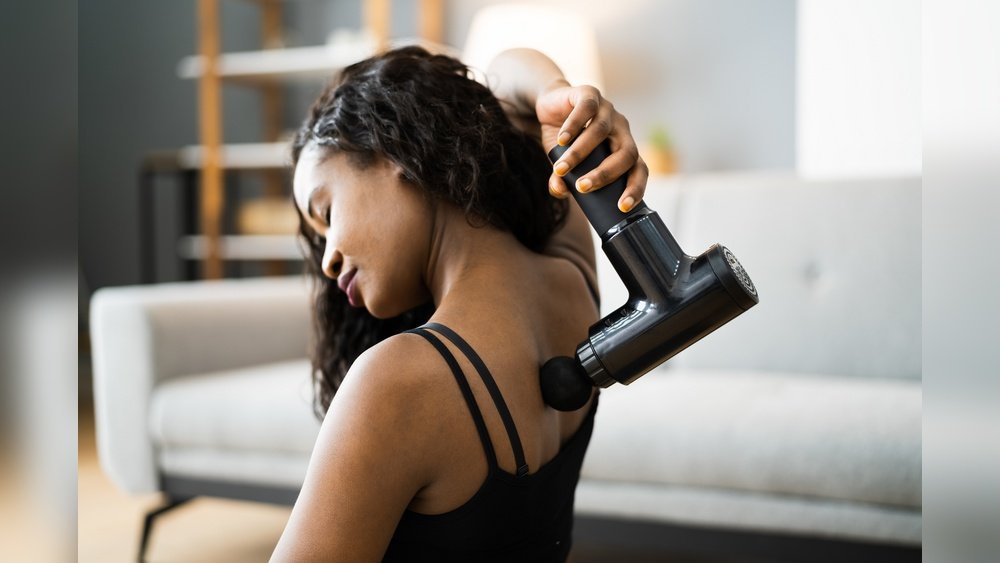
Muscle pain can stop you from enjoying your day. Whether it’s from a tough workout, sitting too long at a desk, or a chronic condition, pain slows you down. In the last few years, massage guns have become very popular for self-care. You see them in gyms, sports stores, and fitness influencers’ hands everywhere. The big promise: these devices help you recover, reduce pain, and get back to your life faster. But do they really work? Are they safe and effective for everyone, or just another fitness fad?
Let’s take a deep look at what science, experts, and real users say about massage guns. We’ll explore how they work, the benefits and limits, the best ways to use them, and what you should know before buying or using one for pain relief.
What Are Massage Guns?
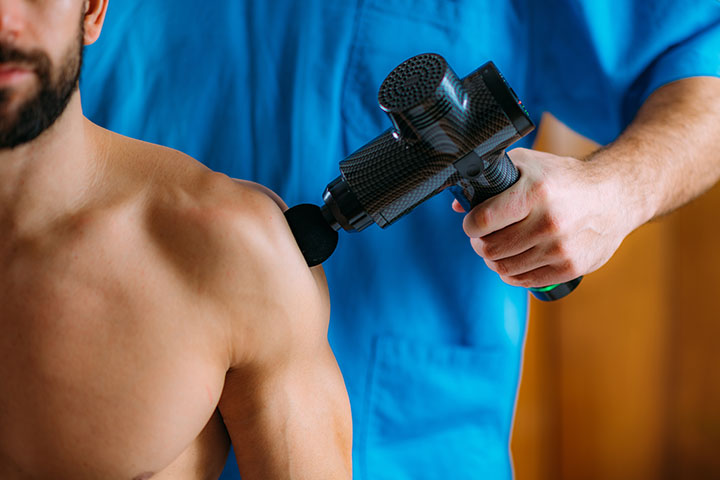
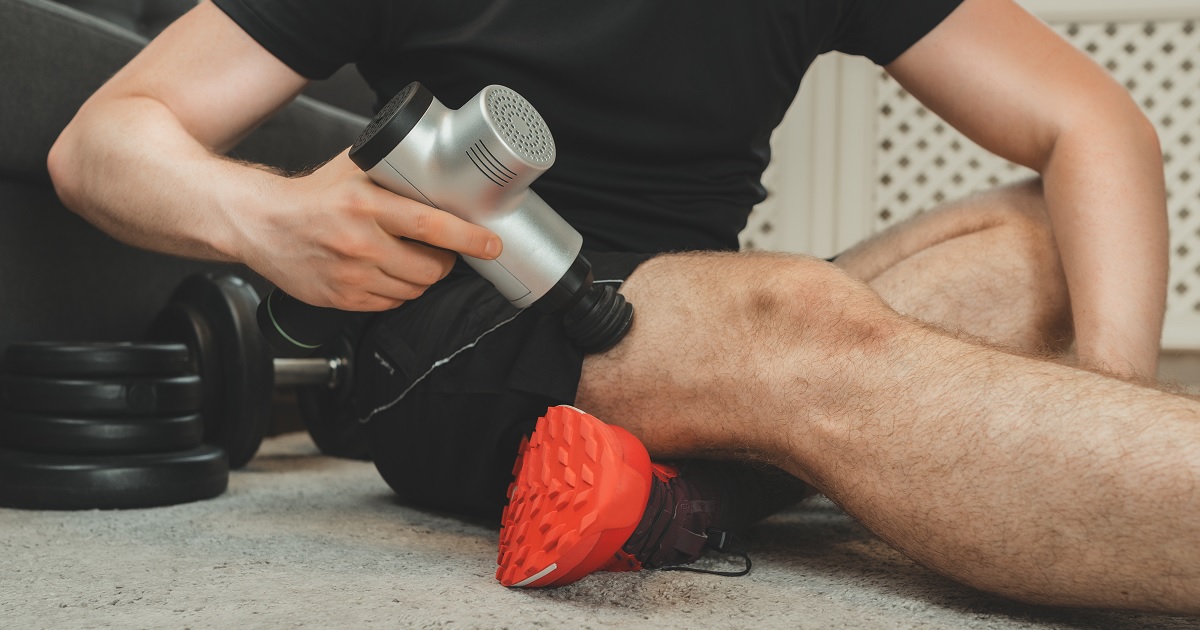
Massage guns, also called percussive therapy devices, are handheld tools that deliver fast, repetitive pulses to your muscles. The head moves back and forth quickly, pressing into the tissue. This motion is meant to mimic techniques used by massage therapists, but with more speed and force.
Most massage guns have different speed levels, attachments for different body parts, and features like heat or vibration. They’re powered by rechargeable batteries and are easy to use at home or on the go.
How Do Massage Guns Work?
The main idea is to use percussion therapy. The gun’s head “punches” the muscle rapidly, causing the tissue to move and shake. This movement increases blood flow, warms the muscle, and may help relax tight spots. It’s a type of mechanical stimulation—like a very fast, targeted massage.
Some research suggests that this can:
- Improve circulation
- Reduce muscle stiffness
- Help break up “knots” (trigger points)
- Lower the feeling of pain
But the effects depend on how and why you use the device.
Scientific Evidence: Do Massage Guns Really Relieve Pain?
People often ask if massage guns truly help or if it’s just a “placebo effect. ” Here’s what current science says.
What Studies Show
- A 2020 study in the Journal of Clinical Medicine found that percussive therapy helped reduce muscle soreness (DOMS) after intense exercise, and improved range of motion.
- Another research in Frontiers in Physiology (2021) showed massage guns could lower the perception of pain and speed up recovery after hard workouts.
- Some clinical trials found that massage guns may be as effective as traditional massage for certain types of muscle pain.
However, most studies are small and only look at short-term effects. There is less information about long-term safety or how they work for chronic pain.
How Massage Guns Compare With Other Methods
Here is a comparison between massage guns and other common pain relief methods:
| Method | Main Benefit | Speed of Relief | Ease of Use | Cost |
|---|---|---|---|---|
| Massage Gun | Targeted muscle relief, increased blood flow | Fast (minutes) | Easy at home | Medium-high ($50–$400) |
| Foam Roller | Broad muscle release, flexibility | Moderate | Easy at home | Low ($10–$50) |
| Traditional Massage | Full body relaxation, stress reduction | Moderate | Needs therapist | High ($50+ per session) |
| Ice/Heat Therapy | Reduce swelling or muscle tension | Fast | Very easy | Low |
Massage guns are not the only choice, but they offer a unique mix of speed, convenience, and deep muscle targeting.
How Massage Guns Can Help Relieve Pain
Many people use massage guns for pain, but what exactly do they help with?
Types Of Pain Massage Guns May Help
1. Muscle Soreness After Exercise
After tough workouts, muscles often feel sore due to tiny tears and inflammation. This is called delayed onset muscle soreness (DOMS). Massage guns can help by increasing blood flow and relaxing the area, which may speed up healing.
2. Muscle Knots And Tightness
If you have a spot that feels hard or painful, it could be a “knot” or trigger point. Percussive therapy can loosen these spots, making movement easier and less painful.
3. Back And Neck Stiffness
Sitting at a desk, carrying heavy bags, or bad posture can cause tightness in the neck and back. A massage gun can target these areas, reducing tension.
4. Minor Sports Injuries
For mild strains or overuse injuries, massage guns can ease pain and prevent further stiffness. However, they should not be used on serious injuries or broken skin.
5. Chronic Pain Conditions
Some people with chronic muscle pain (like fibromyalgia) use massage guns for relief. The results are mixed—some feel better, others don’t notice much change.
How Does It Actually Reduce Pain?
The main ways massage guns may help with pain:
- Gate Control Theory: The rapid tapping sends signals through the nerves that can “block” pain messages from reaching the brain.
- Increased Blood Flow: Better circulation means more oxygen and nutrients reach the muscle, helping it heal.
- Release of Endorphins: The stimulation can cause your body to release natural painkillers (endorphins).
- Muscle Relaxation: The repetitive motion helps muscles loosen, reducing tension that can cause pain.
Real-world Example
An amateur runner named Sarah used to get very sore calves after long runs. She started using a massage gun for five minutes on each leg right after her runs. Over several weeks, she noticed less pain and could run more often.
This is a common story among athletes and active people.
When Massage Guns May Not Help
Massage guns are not magic. There are times when they may not work or could even be risky.
Not For All Types Of Pain
- Joint Pain: Massage guns work best on muscles, not joints. If you have arthritis or joint pain, they may not help much.
- Inflamed or Injured Areas: Never use a massage gun on swollen, bruised, or recently injured areas. It can make the problem worse.
- Chronic Illness or Nerve Pain: For pain caused by nerve problems or certain health conditions (like diabetes neuropathy), massage guns may not be effective.
- Deep Injuries: If pain is deep inside (like a herniated disc), the gun may not reach the source of the problem.
Medical Conditions And Contraindications
People with certain conditions should avoid using massage guns, or ask a doctor first:
- Blood clotting disorders
- Varicose veins
- Heart problems or pacemakers
- Pregnancy (especially on the abdomen or lower back)
- Osteoporosis or fragile bones
- Recent surgery
If you’re unsure, always check with a healthcare provider.
How To Use A Massage Gun Safely And Effectively
Using a massage gun the right way is important for safety and best results. Here’s how to get the most out of your device.
Basic Steps
- Start Low: Begin with the lowest speed and softest attachment. Test it on your forearm to get used to the sensation.
- Target the Muscle, Not the Bone: Only use the gun on large muscles—never press hard on bones, joints, or your spine.
- Keep It Moving: Glide the gun slowly over the muscle (about 1 inch per second). Don’t hold it in one spot for too long.
- Limit Your Time: Spend about 1–2 minutes on each muscle group. For sore spots, 15–30 seconds is enough.
- Stay Relaxed: Try to relax the muscle while you use the gun. Don’t tense up or fight the motion.
- Hydrate After: Drink water to help your body flush out waste products released during massage.
Pro Tips Most Beginners Miss
- Don’t Use on Bare Skin: Always use the device over clothes or a thin towel to avoid skin irritation.
- Listen to Your Body: If the massage feels painful or uncomfortable, stop right away. You should feel relief, not pain.
- Warm Up First: Use the gun after a short warm-up or light stretching for better results.
- Switch Attachments: Use the round head for big muscles, the fork for the neck or spine (alongside, not on the bone), and the bullet for trigger points.
Common Mistakes To Avoid
- Using the gun on injuries, wounds, or swollen areas
- Pressing too hard (light to moderate pressure is best)
- Going too fast (slow, steady movement is more effective)
- Ignoring the user manual
Choosing The Right Massage Gun For Pain Relief
Not all massage guns are the same. Here’s what matters when picking one for pain relief:
Key Features To Look For
| Feature | Why It Matters | What to Look For |
|---|---|---|
| Speed Settings | Allows you to adjust intensity for comfort | At least 3–5 speeds |
| Attachments | Different heads for various muscles | Round, flat, bullet, fork |
| Battery Life | Longer use without charging | At least 2 hours per charge |
| Noise Level | Quieter devices are more comfortable to use | Under 60 dB preferred |
| Weight | Lightweight is easier to handle | Under 2.5 lbs (1.1 kg) |
Price Vs. Quality
- Budget models ($50–$100): Basic functions, fewer attachments, shorter battery life
- Mid-range ($100–$250): More speeds, better build, quieter motors
- High-end ($250–$400+): Advanced features (Bluetooth, app control), professional-grade power, very quiet
Paying more doesn’t always mean better pain relief. The right choice depends on your needs and how often you plan to use it.
Mistakes To Avoid When Buying
- Choosing the most powerful model thinking it’s “better”—sometimes less intensity is more comfortable.
- Ignoring warranty or return policies.
- Overpaying for extra features you won’t use (like smartphone connectivity).
- Not checking user reviews for reliability and real-world results.
Benefits Beyond Pain Relief
Massage guns offer more than just pain relief. They can improve your overall wellbeing if used wisely.
Extra Benefits
- Faster Recovery: By boosting blood flow, massage guns can help muscles recover faster after exercise.
- Better Flexibility: Regular use can increase range of motion in joints and muscles.
- Reduced Stress: The massage effect helps lower tension, which can improve mood and sleep.
- Warm-Up Aid: Using a massage gun before exercise can help prepare muscles, possibly preventing injuries.
Surprising Insights
- Improved Sleep Quality: Some users report better sleep after using a massage gun in the evening, as muscle relaxation reduces restlessness.
- Scar Tissue Softening: Gentle, regular use may help soften old scar tissue, improving comfort and movement.
Risks And Side Effects
Massage guns are generally safe, but there are some risks if used incorrectly.
Possible Side Effects
- Bruising: Too much pressure or staying in one spot too long can cause bruising.
- Soreness: Overuse can make muscles more sore, not less.
- Nerve Damage: Rare, but possible if used on the wrong areas (like directly over nerves).
- Injury Worsening: Using the device on fresh injuries can slow healing.
How To Stay Safe
- Start slow, use light pressure
- Avoid bony areas, joints, and the head/face
- Stop if you feel sharp or unusual pain
- Keep sessions short (no more than 15 minutes total per day)
If you have any medical conditions, check with your doctor before using a massage gun.
Who Should (and Shouldn’t) Use Massage Guns?
Massage guns can be helpful for many people, but not for everyone.
Good Candidates
- Athletes and fitness enthusiasts
- People with muscle tension from work or daily life
- Individuals with mild muscle soreness or stiffness
Who Should Avoid
- Children under 16 (unless directed by a doctor)
- Pregnant women (especially on belly or lower back)
- People with blood disorders or on blood thinners
- Anyone with nerve, bone, or joint injuries
If you’re unsure, consult a healthcare professional.
Tips For Getting The Best Results
If you want to use a massage gun for pain relief, these tips can help you maximize the benefits:
- Use after exercise, not before sleep, to avoid overstimulation
- Combine with stretching for better flexibility
- Keep muscles relaxed during use
- Don’t use on the same area more than 2-3 times per day
- Try different attachments and speeds for each muscle group
Consistency is key—using the massage gun regularly (but not too much) brings the best results.
What Experts Say
Physical therapists, sports doctors, and trainers have mixed views on massage guns. Most agree they are useful when used correctly but should not replace medical care or traditional therapy for serious pain.
Dr. Michael Fredericson, a sports medicine professor at Stanford, says, “Massage guns are helpful for muscle soreness and recovery, but they’re not a cure-all. Use them as part of a balanced program with stretching, exercise, and rest. ”
A recent review in the *British Journal of Sports Medicine* found that percussive therapy is promising but called for more long-term research.
For more in-depth reading, see this review on percussive therapy from the National Institutes of Health.
Frequently Asked Questions
Do Massage Guns Work For All Types Of Pain?
Massage guns are most effective for muscle soreness and tightness. They are less helpful for joint pain, nerve pain, or injuries like broken bones. Always check with a doctor for chronic or severe pain.
Can I Use A Massage Gun Every Day?
Yes, most people can use massage guns daily, but limit each session to 10–15 minutes. Overuse can cause soreness or bruising. Listen to your body and give sore areas time to recover.
Are Massage Guns Safe For Older Adults?
Massage guns can be safe for older adults with healthy muscles, but it’s important to use low speed and gentle pressure. Avoid using on areas with osteoporosis, fragile skin, or varicose veins.
What Is The Best Time To Use A Massage Gun?
The best time is after exercise or during recovery from daily activities. Using a massage gun before a workout can help warm up muscles, while using it before sleep may help relax you, but avoid overstimulation.
Can Massage Guns Replace Professional Massage Therapy?
Massage guns are a great self-care tool, but they don’t replace the skill and judgment of a professional therapist. They work best as a supplement to other recovery methods, not as the only solution.
Muscle pain is a common part of life, but you don’t have to suffer in silence. Massage guns offer a practical, fast way to ease muscle soreness and speed up recovery. While they’re not a magic fix for every kind of pain, they’re a valuable tool for many people—especially when used correctly and safely. Remember to choose the right device, follow safe practices, and always listen to your body. If pain continues or gets worse, reach out to a health professional for advice. With the right approach, you can enjoy the benefits of massage guns and keep moving forward, pain-free.