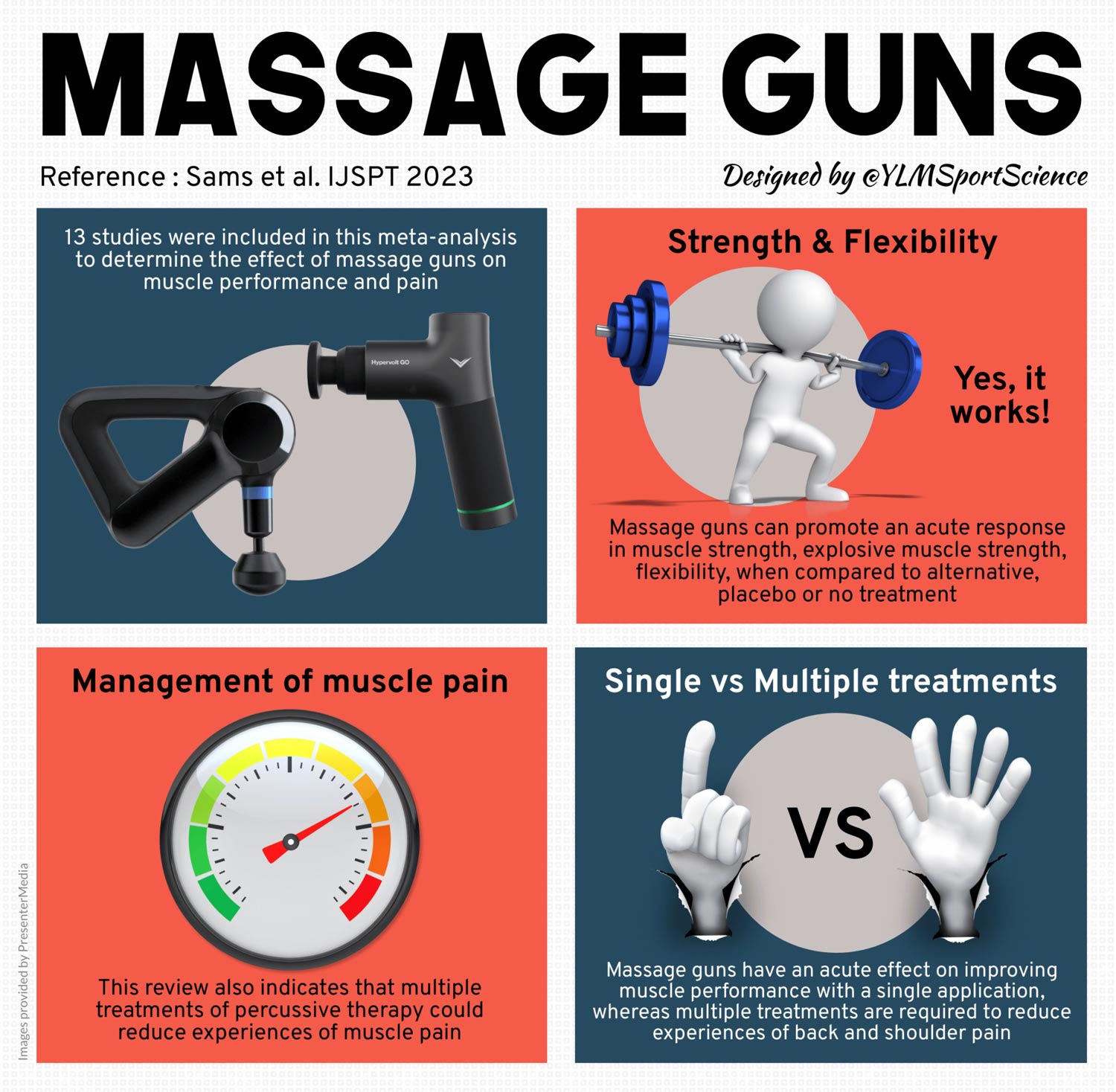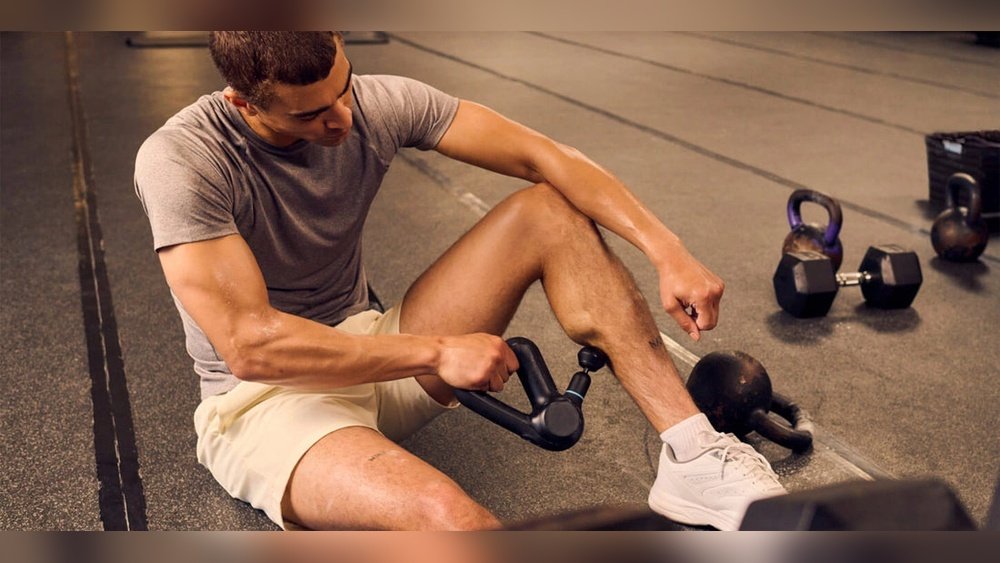
Many people want to improve their flexibility. Whether you are an athlete, a weekend runner, or just trying to move better in daily life, flexibility is important. In recent years, massage guns have become a popular tool for people looking to enhance their recovery, reduce muscle soreness, and possibly increase flexibility. But do massage guns really help with flexibility? Or are they just another fitness trend with little real benefit?
Let’s dive into the science, expert opinions, and real-world experiences to see if massage guns can help you become more flexible, and what you should know before using one.
What Is Flexibility And Why Does It Matter?
Flexibility means how much your muscles and joints can move without pain or restriction. It allows you to perform everyday activities with ease, like bending down to tie your shoes or reaching for something on a high shelf. For athletes, good flexibility helps prevent injuries and improves performance.
When you are flexible, your muscles and connective tissues (like tendons and fascia) can stretch and move smoothly. If your muscles are tight, you might feel stiff, have poor posture, and even experience pain.
Several factors affect flexibility:
- Genetics: Some people are naturally more flexible.
- Age: Flexibility often decreases as we get older.
- Activity level: Regular movement and stretching keep muscles loose.
- Injuries: Old injuries can cause tightness.
Improving flexibility is not just about being able to do the splits. It’s about making your body work better and feel better.
What Are Massage Guns And How Do They Work?
Massage guns are handheld devices that create rapid, repetitive pulses. When you press the massage gun head against your muscles, it delivers quick bursts of pressure (called percussive therapy or vibration therapy).
Most massage guns have:
- Multiple speed settings (for light or strong pulses)
- Different attachment heads (for various muscle groups)
- Rechargeable batteries
When used, the gun vibrates or “punches” the muscle many times per second. This action is supposed to relax the muscle, increase blood flow, and help recovery.
Many people use massage guns to:
- Reduce muscle soreness after exercise
- Warm up before activity
- Relieve tension and knots
But Do These Effects Translate Into Better Flexibility?
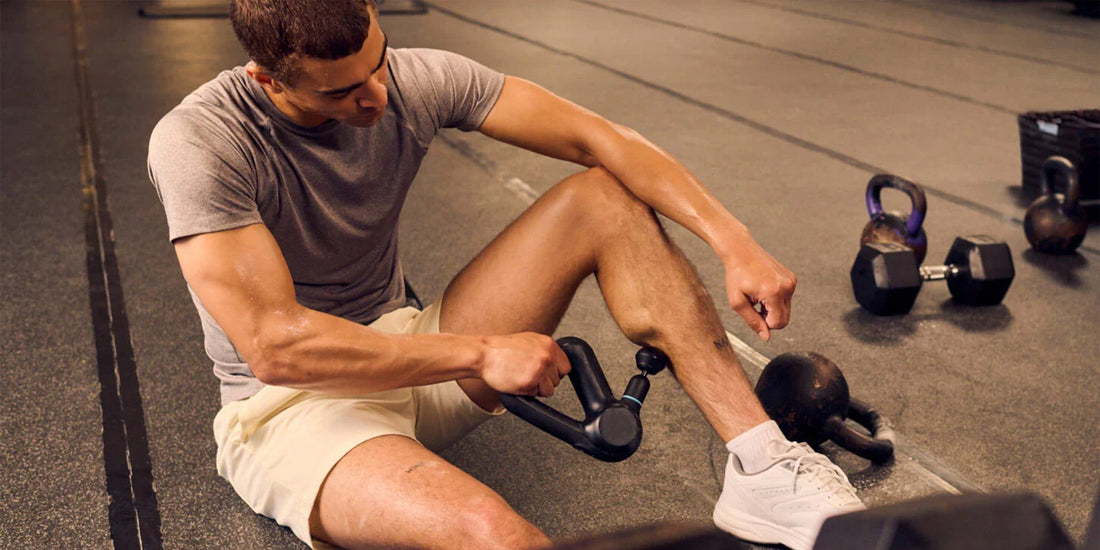
The Science: Do Massage Guns Increase Flexibility?
Research on massage guns is still new, but there are some studies and expert opinions about their impact on flexibility.
What The Research Says
A few studies have looked at how percussive or vibration therapy affects flexibility:
- Increased Range of Motion: Some research shows that using a massage gun for just a few minutes can increase joint range of motion right away. For example, a 2020 study found that vibration therapy increased hamstring flexibility in healthy adults.
- Short-Term Effects: The boost in flexibility often lasts for a short time—usually 30 minutes to an hour after use. This is similar to what you get from static stretching or foam rolling.
- Comparison With Other Methods: Studies comparing massage guns to stretching or foam rolling show that all three can improve flexibility, but none is clearly superior in every case.
- Blood Flow and Muscle Warmth: Massage guns increase blood flow and muscle temperature, which may help muscles stretch further without pain.
- Pain Reduction: The rapid pulses may help reduce pain signals in the brain, making it easier to stretch further.
What Experts Say
Physical therapists and trainers often say that massage guns are useful, but they’re not magic. They recommend using them as part of a bigger flexibility routine that includes stretching and movement.
Key insight: Massage guns can make it easier to stretch by temporarily relaxing tight muscles, but they do not make permanent changes to muscle length or joint structure on their own.
How Massage Guns Can Help With Flexibility
Massage guns may help flexibility in several ways, especially when used correctly and combined with other techniques.
1. Relieving Muscle Tightness
When a muscle is tight, it feels like a rubber band that’s stretched too far. Massage guns work by sending pulses deep into the muscle, helping it relax. This makes it easier to stretch and move.
2. Preparing For Stretching
Many people use massage guns as a warm-up tool. By increasing blood flow and making the muscle warmer, they help prepare the body for stretching. This can reduce the risk of injury and allow you to stretch further.
3. Breaking Up Knots And Adhesions
Knots, also called trigger points, are small, tight areas in the muscle. They can limit movement and cause pain. Massage guns target these spots, helping break up knots and improving mobility.
4. Reducing Soreness After Stretching
If you feel sore after a stretching session, a massage gun can help reduce muscle pain. This can encourage you to stretch more regularly, which is key for better flexibility.
5. Improving Mind-muscle Connection
Massage guns help you become more aware of your body. When you feel a tight spot, you can use the gun to focus on that area, then stretch it. This combination often works better than stretching alone.
Non-obvious insight: Massage guns can also help people who have difficulty relaxing their muscles because of stress or anxiety. The rhythmic pulses can signal the nervous system to “let go,” making stretching easier.
How To Use A Massage Gun For Flexibility
Using a massage gun is simple, but there are a few tips to get the most benefit for flexibility.
Step-by-step Guide
- Choose the Right Attachment: Use a large, soft head for big muscles (like thighs) and a small, pointed head for knots or small muscles.
- Start With Low Speed: Begin with the lowest setting to avoid discomfort, then increase if needed.
- Target Tight Muscles: Focus on the muscle groups you want to stretch. Common areas include hamstrings, calves, quads, glutes, and shoulders.
- Move Slowly: Glide the gun over the muscle at a slow pace—about an inch per second.
- Spend 30-60 Seconds Per Area: This is enough to relax the muscle without causing irritation.
- Stretch After: Right after using the massage gun, do gentle static or dynamic stretching. The muscle should feel warmer and looser.
- Listen to Your Body: If you feel pain or discomfort, stop. The goal is to relax, not to hurt yourself.
Example Routine
Suppose you want to improve hamstring flexibility:
- Use the massage gun on the back of your thigh for 60 seconds.
- Stand up and try to touch your toes.
- Repeat for 2-3 rounds, then hold a hamstring stretch for 30 seconds.
This approach uses the massage gun to “prime” the muscle, then stretches it while it’s relaxed.
Pro tip: Use the massage gun after exercise, when your muscles are warm, for the best results.
Massage Guns Vs. Other Flexibility Tools
How do massage guns compare to other common tools for flexibility, like foam rollers and stretching?
Here’s a side-by-side look:
| Tool | How It Works | Main Benefits | Limitations |
|---|---|---|---|
| Massage Gun | Percussive pulses to relax muscles | Quick, easy to use, targets deep muscles | Expensive, noisy, not for everyone |
| Foam Roller | Self-massage by rolling on foam | Inexpensive, covers large areas, proven results | Can be painful, awkward for some areas |
| Static Stretching | Holding a muscle in a stretched position | Improves flexibility, no equipment needed | Takes time, less effective if muscles are cold |
| Dynamic Stretching | Active movements through range of motion | Warms up muscles, improves movement | Needs space, not always specific |
Massage guns are quick and effective for targeted muscle work, but they are best used with stretching and movement, not as a replacement.
Who Should (and Shouldn’t) Use Massage Guns For Flexibility?
Most healthy adults can use a massage gun safely, but there are some important points to consider.
Good Candidates
- Athletes: Especially those in sports that require flexibility, like gymnastics, martial arts, or dance.
- Active Adults: Anyone who feels stiff from sitting or daily life.
- Fitness Enthusiasts: People who want a simple tool for warm-up or recovery.
People Who Should Avoid
- Those With Blood Clotting Issues: Pulses can loosen clots, which is dangerous.
- Recent Surgeries or Injuries: Wait until healed, unless a doctor says it’s safe.
- Nerve Problems: Such as neuropathy or severe diabetes; nerves may be more sensitive.
- Pregnant Women: Always ask a doctor before using on the lower body.
If you are unsure, check with a healthcare provider before using a massage gun.
Common Mistakes When Using Massage Guns
Even though massage guns are simple, many people make mistakes that limit their results or cause problems.
1. Using Too Much Pressure
Pressing the gun too hard can bruise muscles or irritate nerves. Use gentle pressure—let the gun do the work.
2. Staying Too Long In One Spot
Spending more than a minute on a single area can cause soreness or injury. Move the gun slowly over the muscle.
3. Skipping Stretching
Massage guns are not a substitute for stretching. Use them to prepare your muscles, but always follow with a good stretch.
4. Using On Injured Areas
Avoid using on fresh injuries, open wounds, or swollen areas. Massage guns should only be used on healthy tissue.
5. Ignoring Pain Signals
If you feel sharp or shooting pain, stop immediately. Pain means something is wrong.
Non-obvious insight: Many beginners use massage guns at the highest speed, thinking it’s more effective. In reality, low to medium speed is usually best for relaxation and flexibility.
How Massage Guns Fit Into A Flexibility Routine
The most effective flexibility routines include a mix of methods. Here’s how to combine massage guns with other practices for best results:
- Warm Up: Start with light aerobic movement (like brisk walking or cycling) for 5-10 minutes.
- Massage Gun: Use on tight or sore muscles for 1-2 minutes per area.
- Stretching: Perform static or dynamic stretches for the muscles you just treated.
- Cool Down: End with gentle movement or breathing exercises.
This routine can be done before a workout, after a workout, or at any time you feel tight.
Sample Weekly Plan
| Day | Massage Gun | Stretching | Notes |
|---|---|---|---|
| Monday | Hamstrings, calves | Hamstring, calf stretches | After running |
| Wednesday | Shoulders, upper back | Shoulder, chest stretches | After desk work |
| Friday | Quads, glutes | Quad, glute stretches | Before gym workout |
Tip: Consistency is more important than intensity. Regular use, even for a few minutes, brings better results than an occasional long session.
Real-world Examples And User Experiences
Many athletes and fitness enthusiasts have shared their experiences with massage guns and flexibility.
- Dancers report that using a massage gun before stretching allows them to reach deeper positions and hold stretches longer.
- Yoga practitioners often use massage guns on tight spots before class, making it easier to achieve poses.
- Weightlifters find that regular use reduces stiffness in the hips and shoulders, improving form and range of motion.
- Office workers use massage guns on neck and upper back muscles to relieve tightness caused by sitting, which helps prevent chronic stiffness.
One competitive runner shared, “After using a massage gun on my calves and hamstrings, I found I could touch my toes more easily, and post-run soreness was much less. ”
These experiences suggest that massage guns can be a valuable part of a flexibility routine, especially when combined with other techniques.
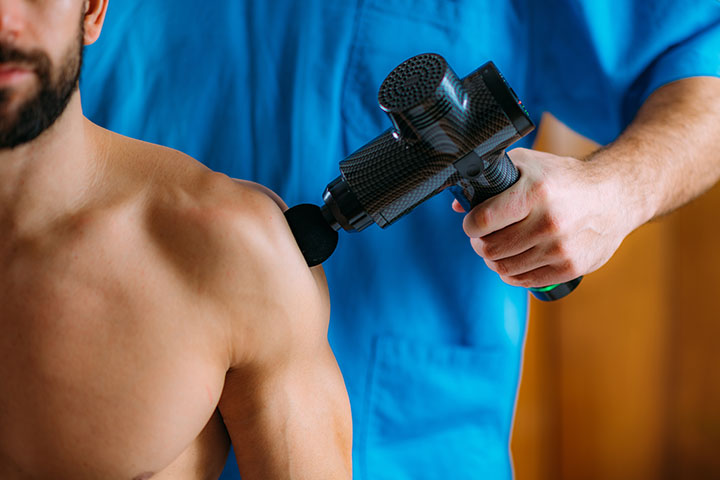
Limitations And What Massage Guns Can’t Do
While massage guns offer many benefits, it’s important to know their limits.
- Not a Permanent Solution: The increase in flexibility is temporary. Without regular stretching and movement, the effects fade.
- Cannot Fix Structural Problems: If you have a joint or bone issue limiting movement, a massage gun won’t change that.
- Not a Substitute for Medical Care: If you have severe tightness, pain, or injury, see a doctor or physical therapist.
- Results Vary: Some people respond better than others. Age, health, and genetics all play a role.
Massage guns are a helpful tool, but not a cure-all. Use them as part of a balanced approach.
Buying A Massage Gun: What To Look For
If you decide to buy a massage gun to help your flexibility, consider these factors:
- Speed and Power Settings: Look for a gun with adjustable speeds for different needs.
- Attachments: More heads allow you to target different muscles.
- Battery Life: A longer battery means less charging.
- Noise Level: Some guns are very loud, which can be annoying.
- Size and Weight: Choose one that is comfortable to hold and easy to use.
- Price: Good massage guns range from $80 to $400. More expensive is not always better.
Warning: Many cheap models on the market break easily or have weak motors. Read reviews before buying.
For more information on how percussive therapy works, see this article from the Harvard Health Blog.
Frequently Asked Questions
What Is The Best Way To Use A Massage Gun For Flexibility?
Use the massage gun on the muscle group you want to stretch for about 30-60 seconds. Move the gun slowly, don’t press too hard, and follow with static or dynamic stretching for best results.
Can Massage Guns Replace Stretching?
No, massage guns should not replace stretching. They help relax the muscle and increase blood flow, making stretching more effective, but do not lengthen muscles on their own.
How Often Should I Use A Massage Gun For Flexibility?
You can use a massage gun daily on healthy muscles. Many people use it 3-5 times per week as part of their flexibility routine. Avoid using on sore or injured areas until healed.
Are Massage Guns Safe For Everyone?
Most healthy adults can use massage guns safely. However, people with blood clots, nerve problems, recent injuries, or who are pregnant should talk to a doctor first.
Do Massage Guns Help With Chronic Tightness Or Just After Exercise?
Massage guns can help relieve both chronic muscle tightness and post-exercise soreness. For chronic tightness, consistency is important, and combining massage gun use with regular stretching and movement brings the best results.
Final Thoughts
Massage guns are more than a fitness trend—they are a useful tool to support flexibility for many people. They work by relaxing muscles, increasing blood flow, and making stretching easier and more comfortable. However, they are most effective when used together with other flexibility techniques, like stretching and movement.
If you want to improve your flexibility, consider adding a massage gun to your routine, but remember: it’s just one piece of the puzzle. Listen to your body, use good technique, and stay consistent. With the right approach, you’ll move better and feel better—both now and in the future.