Many athletes and fitness lovers want to recover faster after hard workouts. Muscle soreness can slow down training and even daily life. In recent years, recovery boots—those large, inflatable boots you see on athletes—have become very popular. People say they help muscles recover quickly and reduce pain. But do recovery boots really work, or are they just another fitness trend? Let’s explore how recovery boots work, what science says, and if they are worth your money.
What Are Recovery Boots?
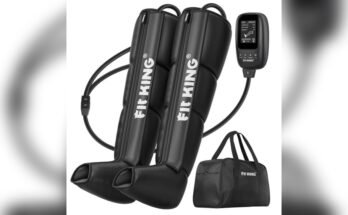
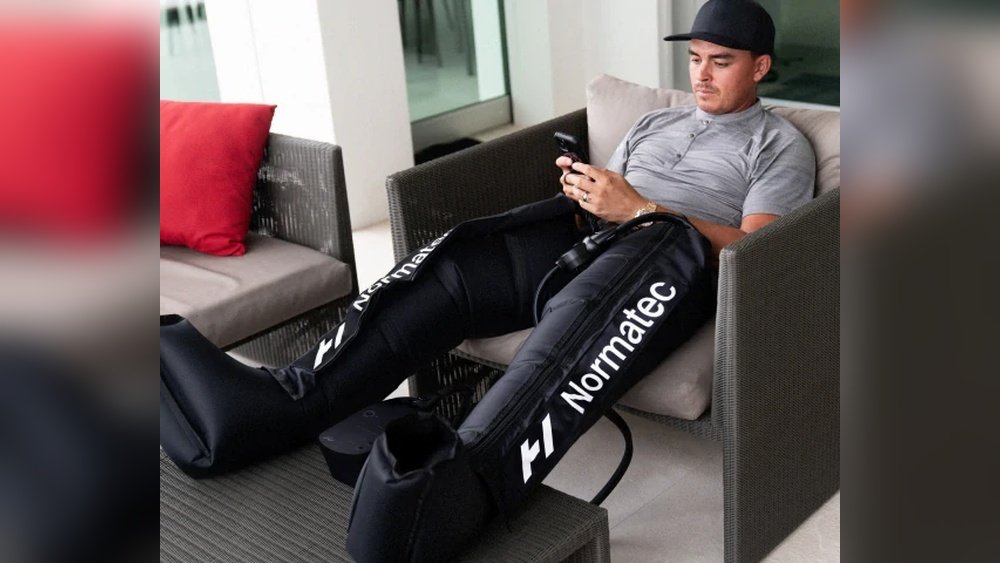
Recovery boots, also called compression boots, are long, air-filled sleeves that cover your legs—usually from feet to thighs. These boots connect to a small machine that pumps air in and out. As the air fills the chambers in the boots, they squeeze your muscles in a pattern, then release.
This squeezing is called dynamic compression. It’s different from static compression, like wearing tight socks. Dynamic compression means the pressure moves and changes, pushing fluids in your legs toward your heart. You can control the pressure level and massage pattern on most devices.
Some popular recovery boot brands include Normatec, Rapid Reboot, and Air Relax. You may see these boots at gyms, physical therapy clinics, or pro sports teams. Many people now buy them to use at home.
How Do Recovery Boots Claim To Work?
Manufacturers say recovery boots help muscles recover by:
- Increasing blood flow – The squeezing action pushes blood and fluids out of your legs, then lets new blood flow back in.
- Reducing swelling – By moving extra fluid (like lymph) out of your legs, boots may reduce swelling after exercise.
- Decreasing muscle soreness – Better blood flow and less swelling may mean less soreness.
- Helping remove waste products – Hard exercise creates waste, like lactic acid, that can build up in muscles. Boots may help clear these out faster.
In short, the main idea is to help your body clean up waste and bring in fresh nutrients—speeding up recovery.
What Does Science Say About Recovery Boots?
Research on recovery boots is still new, but several studies have looked at their effects on muscle recovery.
One study in the Journal of Strength and Conditioning Research found that athletes using pneumatic compression (like recovery boots) after exercise had less muscle soreness than those who did nothing. Another study showed small improvements in flexibility and strength recovery.
However, not all studies agree. Some research found no big difference in muscle soreness or performance when using recovery boots compared to simple rest. Scientists say more high-quality studies are needed. Most agree that while recovery boots may help some people, they are not a magic solution.
It’s also important to know that recovery boots seem most helpful for reducing swelling and feelings of tired legs after long or intense exercise. Their effects on real muscle repair or future performance are less clear.
How Recovery Boots Compare To Other Recovery Methods
Many people ask if recovery boots are better than other recovery tools. Let’s look at how they stack up.
| Method | What It Does | Pros | Cons |
|---|---|---|---|
| Recovery Boots | Dynamic compression | Hands-free, adjustable, covers large area | Expensive, needs power |
| Foam Rolling | Self-massage | Cheap, easy to use | Can be painful, limited area |
| Massage | Manual muscle work | Personalized, relaxing | Costly, needs a therapist |
| Ice Bath | Cold therapy | Reduces swelling, easy at home | Uncomfortable, messy |
| Active Recovery | Light exercise | Improves blood flow, no equipment | Requires time, may not suit everyone |
As you can see, each method has its strengths. Recovery boots are convenient and can cover both legs at once, but they are expensive and need electricity. Foam rolling or stretching may be more affordable.
Who Uses Recovery Boots?
You might think only pro athletes use recovery boots, but that’s changing. Many groups now use these devices:
- Elite athletes – In sports like football, cycling, and running, boots are common after games or races.
- Fitness lovers – People training for marathons or working out hard at the gym use boots to recover faster.
- People with leg swelling – Some with health problems like lymphedema or poor circulation use recovery boots for relief (but always check with a doctor first).
- Older adults – Some older people use them for tired, heavy legs.
Most users say boots make their legs feel lighter and reduce next-day soreness. However, some people feel little to no difference.
Benefits Of Recovery Boots
1. Faster Recovery Between Workouts
Using recovery boots after hard exercise can help you feel ready for your next session sooner. The pressure helps move fluids, which may reduce swelling and soreness. If you train often, this can be a big advantage.
2. Less Muscle Soreness
Many users notice less delayed onset muscle soreness (DOMS) after using recovery boots. DOMS is the achy pain that starts a day or two after new or hard exercises. While boots may not prevent all soreness, they often make it milder.
3. Improved Circulation
Dynamic compression can help blood flow in your legs, especially if you sit or stand for long periods. Better circulation brings more nutrients to muscles and helps remove waste.
4. Convenience
You can use recovery boots at home while watching TV, reading, or relaxing. No need to visit a therapist or spend extra time at the gym.
5. Mental Relaxation
Using the boots can feel like a massage. This can help you relax, reduce stress, and improve sleep quality.

Potential Downsides And Limitations
1. High Cost
Recovery boots are not cheap. A good pair can cost from $500 to over $1,500. This makes them a big investment compared to other recovery tools.
2. Not A Cure-all
Boots can help with soreness and swelling, but they do not replace good sleep, nutrition, or rest days. Relying only on boots may slow real recovery.
3. Power And Portability
Most boots need to be plugged in. Some have battery packs, but they are heavier and cost more. If you travel often, they may be hard to carry.
4. Not For Everyone
People with certain medical conditions (like deep vein thrombosis, severe varicose veins, or infections) should not use recovery boots without talking to a doctor. There is also a risk of discomfort or numbness if you use too much pressure.
5. Limited Proof
While many users and some studies report benefits, research is still limited. Results can vary widely between people.
How To Use Recovery Boots For Best Results
To get the most from recovery boots, follow these steps:
- Use soon after exercise – Most experts suggest using boots within 1-2 hours after your workout.
- Start with low pressure – Try lower settings first to avoid discomfort. You can increase pressure as you get used to the feeling.
- Session length – Most sessions last 20-30 minutes. You can use them longer, but more is not always better.
- Stay hydrated – Compression moves fluids, so drink water before and after.
- Relax during use – Sit or lie down and avoid moving your legs during the session.
- Listen to your body – If you feel pain, tingling, or numbness, stop using the boots and lower the pressure next time.
Common Mistakes To Avoid
Many beginners make errors that reduce the benefits of recovery boots. Here are some mistakes and how to avoid them:
1. Using Too Much Pressure
Some think higher pressure means better results. This can cause pain or numbness. Start low and increase slowly. Your legs should feel squeezed but not hurt.
2. Skipping Other Recovery Steps
Recovery boots are just one part of a good routine. You still need sleep, healthy food, stretching, and rest. Don’t use boots as an excuse to overtrain.
3. Not Cleaning Boots
Sweat and dirt can build up inside the sleeves. Clean them as the manual says to prevent smells or skin problems.
4. Ignoring Medical Conditions
If you have circulation problems, blood clots, or any leg injuries, talk to your doctor before using recovery boots.
5. Using Boots Too Long
Longer sessions do not always give better results. Stick to 20-30 minutes unless advised by a health professional.
How To Choose The Right Recovery Boots
If you want to buy recovery boots, think about these points:
1. Size And Fit
Check the size chart to make sure the boots fit your legs. Too tight or too loose will not work well.
2. Number Of Chambers
More air chambers mean more even pressure and better massage. Most good boots have 4 to 8 chambers.
3. Portability
If you travel, look for boots with a battery pack. Most home models need a wall outlet.
4. Control Features
Some boots have simple on/off switches. Others let you choose pressure, time, and massage patterns. More features usually cost more.
5. Noise
Some pumps are loud. If you want to relax while using your boots, check reviews about noise levels.
6. Warranty And Support
Choose brands with good customer support and a clear warranty. Repairs can be expensive if something breaks.
7. Price
Prices range widely. Expensive does not always mean better. Decide what features matter most to you.
Alternatives To Recovery Boots
If recovery boots are too costly, there are other ways to help muscle recovery:
- Foam rollers – Help massage muscles and break up tight spots.
- Compression socks – Give light, steady pressure for daily wear.
- Massage guns – Offer deep muscle vibrations and are easy to use at home.
- Stretching and yoga – Improve flexibility and blood flow.
- Active recovery – Light cycling, walking, or swimming can help reduce soreness.
- Cold water immersion – Taking a cold bath can decrease swelling.
These tools and techniques are often much cheaper but may not offer the same full-leg coverage as recovery boots.
What Beginners Often Miss About Recovery Boots
1. Recovery Is More Than Just Boots
Recovery boots are helpful, but they are not the only answer. Beginners often think buying expensive gear will fix all soreness. The truth is, sleep, hydration, and nutrition are even more important. Without these, no tool can make you recover well.
2. Feeling Better Isn’t Always Real Recovery
Boots can make your legs feel lighter and less sore, but this does not always mean your muscles are fully healed. Feeling good is great, but don’t rush back to hard workouts just because you feel less pain. Give your body enough time to rebuild.

Real-life Experiences: What Users Say
Many athletes and gym-goers share their experiences online. Most agree that recovery boots help them feel less sore, especially after long runs, hard bike rides, or heavy leg workouts. They often use boots while watching TV at night. Some users say they sleep better after using the boots.
However, not everyone is impressed. Some say the boots feel nice but do not notice much change in muscle soreness or performance. Others complain about the high price or bulky design.
One non-obvious insight: Many users find recovery boots most useful during heavy training periods or competitions, not during light training. If you only exercise lightly, the benefits may be small compared to the cost.
What Experts Recommend
Physical therapists and sports doctors often see recovery boots as a useful tool—but not essential. They say boots are safe for most healthy people and can help with tired legs and swelling. However, they advise using them as part of a full recovery plan, not as a replacement for rest, sleep, and good habits.
Experts also warn that boots are not for everyone. People with certain health problems should avoid them or only use them with medical advice. Using the boots correctly is important for safety and results.
Cost Vs. Benefit: Are Recovery Boots Worth It?
Let’s look at the value for money.
| Feature | Recovery Boots | Other Methods |
|---|---|---|
| Initial Cost | $500-$1,500 | $10-$100 |
| Ongoing Cost | Low (electricity only) | Low to moderate (massage sessions, new rollers, etc.) |
| Time per Session | 20-30 min, hands-free | Varies, some need active effort |
| Coverage | Both legs at once | Usually one area at a time |
| Evidence | Some support, more research needed | Proven for stretching, massage, etc. |
| Suitability | Best for heavy training | Good for most exercisers |
If you train hard, often, and want the most comfortable, hands-off way to recover, boots may be a good investment. If you exercise lightly or have a small budget, other methods work well too.
Safety Tips For Using Recovery Boots
- Start slow – Short, low-pressure sessions are best at first.
- Watch for numbness – If feet tingle or go numb, stop and adjust settings.
- Do not use on injuries – Avoid using boots over open wounds, infections, or fresh injuries.
- Check with your doctor – If you have any medical conditions, get advice before using recovery boots.
- Follow instructions – Always use the boots as the manual describes.

Where To Learn More
For those who want more details about the science behind recovery boots, or want to see reviews and comparisons, check out this page from the Wikipedia: Compression Therapy.
Final Thoughts
Recovery boots can help with muscle soreness, swelling, and tired legs—especially if you train hard and often. They are convenient and easy to use at home. However, they are expensive, not a magic fix, and work best as part of a full recovery routine.
If you choose to buy them, use them wisely, follow safety tips, and keep up with other recovery basics. For many people, simple methods like foam rolling, stretching, or active recovery can work just as well. Always listen to your body and use what works best for you.
Frequently Asked Questions
What Are Recovery Boots Used For?
Recovery boots are used to help reduce muscle soreness and swelling after exercise. They use dynamic air compression to improve blood flow and help your legs feel less tired. Athletes and fitness fans use them to recover faster between workouts.
How Often Should You Use Recovery Boots?
Most people use recovery boots after hard workouts, usually for 20-30 minutes at a time. It’s safe to use them daily if you train hard. For light exercisers, 2-3 times a week may be enough.
Can Recovery Boots Replace Stretching Or Foam Rolling?
No, recovery boots should not replace stretching or foam rolling. They are best used as an extra tool. Stretching improves flexibility, and foam rolling helps release tight spots. For best results, combine all three.
Are Recovery Boots Safe For Everyone?
Recovery boots are safe for most healthy people. But if you have circulation problems, blood clots, or certain medical conditions, talk to your doctor before use. Avoid using them over injuries or infections.
Do Recovery Boots Really Speed Up Muscle Recovery?
Recovery boots can help reduce swelling and soreness, making you feel better faster. Some studies support these benefits, but they are not a miracle solution. Real recovery also depends on good sleep, nutrition, and rest. Results vary between people.