Do Recovery Boots Improve Circulation?
Muscle soreness and tired legs are common for athletes, fitness lovers, and even people who spend long hours standing. In recent years, recovery boots—those tall, puffy sleeves you see inflating around athletes’ legs—have become a popular tool for speeding up recovery. Many brands claim these boots “boost circulation” and “help your body recover faster.” But do recovery boots really improve circulation? Or is this just clever marketing?
This article explores how recovery boots work, what “improving circulation” means, scientific evidence, who can benefit, and what to consider before buying. You’ll get clear answers, real data, and practical advice, whether you’re a runner, a gym-goer, or simply curious about new recovery tools.
What Are Recovery Boots?
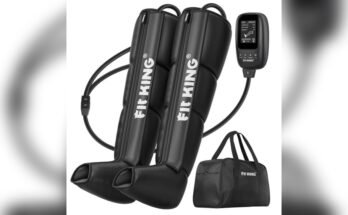
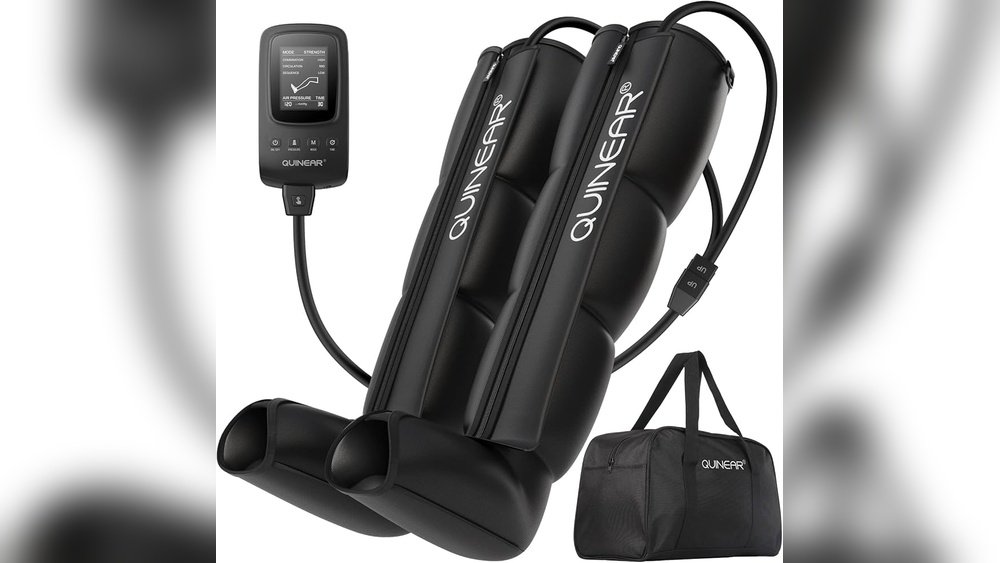
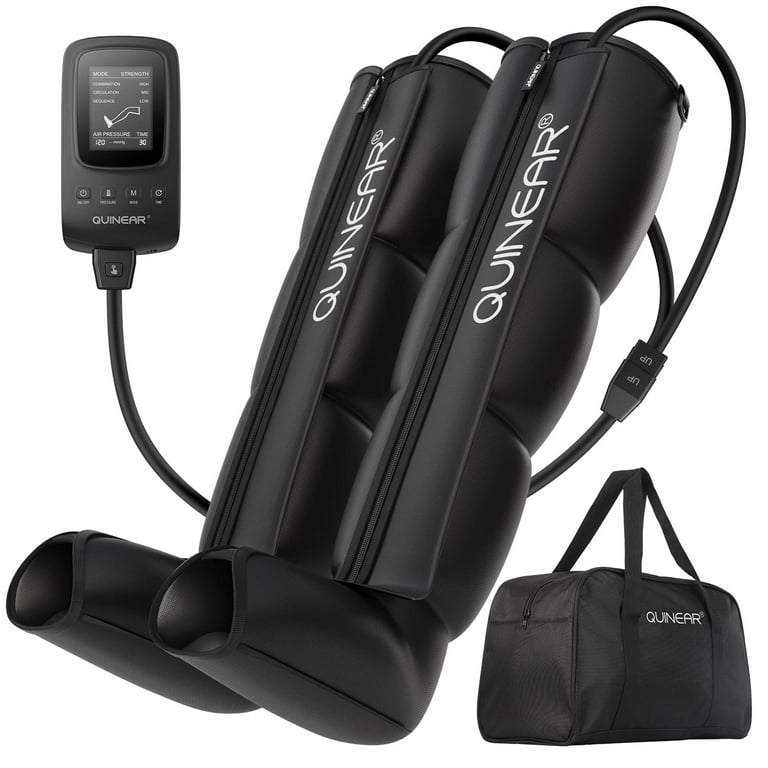
Recovery boots are devices that use air compression to squeeze and relax your legs in a controlled way. They look like oversized boots or sleeves that cover your feet, calves, and sometimes up to your thighs. Once you zip yourself in and start the machine, air fills different chambers inside the boots. These chambers squeeze your leg muscles in a pattern, then release.
Most recovery boots use sequential compression. This means the boots inflate in sections, starting at your feet and moving up your leg. Some models let you control the pressure and session length with an app or a simple control unit.
Common Uses
- Helping athletes recover after hard training
- Reducing swelling after long flights or standing all day
- Managing some medical conditions (with a doctor’s advice)
Brands You Might See
Some popular brands are NormaTec, Rapid Reboot, Air Relax, and Therabody. Although features and prices vary, all use the same basic principle: controlled air compression.
Understanding Circulation And Why It Matters
Blood circulation means the movement of blood through your arteries and veins. Good circulation delivers oxygen and nutrients to your muscles and organs, and it helps remove waste products like carbon dioxide and lactic acid.
When blood flow is poor, you might feel:
- Tired, heavy, or swollen legs
- Numbness or tingling
- Slower recovery after exercise
For athletes, better circulation means muscles get what they need faster and waste is cleared away more quickly. For everyone, good circulation helps your legs feel lighter and healthier.
How Do Recovery Boots Claim To Improve Circulation?
Recovery boots use intermittent pneumatic compression (IPC). Here’s how the process is supposed to work:
- The boots inflate around your feet and lower legs.
- The pressure moves up your legs in waves, like a gentle squeeze.
- This squeezing action pushes blood and fluids up toward your heart.
- When the boots deflate, your blood vessels open wider, and new blood rushes in.
Manufacturers claim this process helps:
- Increase blood flow: By pushing blood out of the legs, then letting fresh blood return.
- Reduce swelling: By moving extra fluid out of tissues.
- Speed up recovery: By clearing out waste products from muscles.
But how much of this is backed by real science? Let’s look closer.
What Does The Science Say?
Scientific studies on recovery boots have grown in recent years, but not all research is equal. Some studies are small, only last a few days, or use different types of boots. However, there are some consistent findings.
Studies On Circulation
A 2018 study in the *Journal of Strength and Conditioning Research* tested athletes using recovery boots after intense exercise. The researchers found increased blood flow in the legs during and after boot sessions compared to sitting still. The effect was strongest in the lower legs and feet.
Another study, published in *Frontiers in Physiology* in 2020, measured changes in blood flow and muscle oxygen levels in cyclists. They found that intermittent compression increased venous blood flow (blood returning to the heart) and improved removal of metabolic waste. However, the boost in circulation was temporary—mainly during and right after using the boots.
Swelling And Fluid Movement
Research on people with swelling (edema) after injury or surgery shows that compression devices can help move excess fluid out of the legs. This is why doctors sometimes use similar machines for patients after surgery.
Muscle Recovery
A 2017 review of multiple studies found that athletes using recovery boots reported less muscle soreness and slightly faster return to normal power. The effect was small but consistent.
What’s Not Proven
- Recovery boots do not increase your heart’s pumping power.
- They do not create long-term changes in your blood vessels or permanently “fix” poor circulation.
Key Takeaway
Most research shows that recovery boots temporarily improve circulation in your legs by squeezing blood and fluids upward. The effect lasts for the session and a short time after—not all day.
How Do Recovery Boots Compare To Other Methods?
People have used different ways to boost circulation for decades. How do recovery boots stack up against these methods?
| Method | How It Works | Effectiveness | Best For |
|---|---|---|---|
| Recovery Boots | Sequential air compression | Temporary boost during use | Post-exercise, swelling |
| Foam Rolling | Manual muscle pressure | Short-term boost, less consistent | Muscle tension, flexibility |
| Walking/Light Exercise | Muscle pump from movement | Natural, ongoing effect | General health, daily use |
| Compression Socks | Constant mild pressure | Helps prevent swelling | Travel, standing jobs |
| Massage | Hands-on muscle work | Boosts blood flow, reduces tightness | Relaxation, deep tissue work |
Recovery boots are unique because they give strong, rhythmic compression over a large area. They work well when you want a noticeable boost in blood movement after exercise, or if you can’t walk (for example, after injury).
Who Can Benefit Most From Recovery Boots?
Recovery boots aren’t just for elite athletes. They can help a variety of people:
- Endurance athletes: Runners, cyclists, and triathletes use them after long sessions to speed up recovery.
- Team sport players: Soccer, basketball, and football players use them between games or training.
- People with swelling: Those who get swollen feet or legs after travel, standing, or injury may find relief.
- Older adults: Some seniors with mild circulation issues use them (with a doctor’s advice).
- Anyone with muscle fatigue: Gym-goers or workers on their feet all day.
Non-obvious insight: Many people use recovery boots as a “forced rest” period. Sitting still for 20–30 minutes while the boots work can help you relax, which also supports recovery.
How To Use Recovery Boots For Best Circulation Results
To get the most from recovery boots, follow these steps:
1. Choose Proper Pressure
Most machines let you adjust pressure. Start at a moderate setting. Too much pressure can be uncomfortable and even slow circulation if it presses too hard.
2. Use For 15–30 Minutes
Most studies use sessions of 20–30 minutes. Longer use is not always better.
3. Position Legs Correctly
Sit or recline with your legs at heart level. This helps blood move upward more easily.
4. Stay Hydrated
Drink water before and after. Compression moves fluids, and hydration helps your body process waste.
5. Avoid On Open Wounds Or Deep Vein Thrombosis
Do not use recovery boots if you have open sores, infections, or blood clots. Always check with your doctor if you have health concerns.
6. Consistency Matters
Using boots after every hard workout or long day is better than using them only once in a while. However, don’t overdo it—daily use is enough for most people.
Non-obvious insight: The biggest mistake new users make is using the highest pressure right away. Start low and increase only as you get comfortable.
Real-world Examples: Who Uses Recovery Boots And Why
Elite Athletes
Olympic runners and pro sports teams use recovery boots as part of their post-game routine. For example, the NBA’s Los Angeles Lakers include air compression boots in their recovery room. Athletes say they feel less heavy-legged and ready for the next workout.
Fitness Enthusiasts
Amateur marathon runners and CrossFit athletes often use recovery boots after intense training. They report less soreness and better sleep.
Office Workers
Some people who stand all day—like nurses, teachers, or factory workers—use recovery boots to reduce swelling and aching feet.
Older Adults
Some older adults with mild leg swelling use recovery boots (with medical guidance) to help with circulation and comfort.
Are There Any Risks Or Side Effects?
Recovery boots are generally safe for healthy people, but there are situations where you should be careful.
Possible Side Effects
- Mild discomfort from high pressure
- Temporary redness or “pins and needles” feeling in legs
- Rare: Dizziness if you stand up too quickly after a session
Who Should Avoid Them
- People with deep vein thrombosis (DVT)
- Those with severe artery disease
- People with heart failure or uncontrolled high blood pressure
- Anyone with open wounds or skin infections
If you have any medical conditions, always ask your doctor before using recovery boots.
Pro tip: If you feel pain, numbness, or unusual discomfort, stop using the boots immediately.
Key Features To Consider Before Buying Recovery Boots
If you’re thinking about buying recovery boots, focus on these important features.
| Feature | Why It Matters | What to Look For |
|---|---|---|
| Pressure Range | Comfort and effectiveness depend on the right pressure | Adjustable settings from 30–100 mmHg |
| Number of Chambers | More chambers = smoother compression | 4–8 chambers for best results |
| Boot Length | Covers more of the leg for better results | Full-leg boots if possible |
| Portability | Easy to use at home or travel | Lightweight, compact pump |
| Noise Level | Quiet machines allow relaxation | Under 60 decibels preferred |
| Warranty and Support | Peace of mind for long-term use | At least 1-year warranty, good reviews |
Common Buyer Mistakes
- Choosing a model with only 2–3 chambers (less effective)
- Picking boots with only one pressure setting
- Ignoring return policies or warranties
- Forgetting to check boot size for leg length
Tip: Don’t be fooled by just the brand name. Compare features and read user reviews.
How Do Recovery Boots Feel In Real Use?
Most people describe the feeling as a “strong, rhythmic squeeze” up and down the legs. At first, the sensation can feel strange but not painful. As you relax, the boots often feel like a gentle massage.
Some users notice a warm, tingling feeling as blood flow increases. After the session, legs may feel lighter and less tired. However, if you use too much pressure, you might feel sore or numb. Always adjust settings until you find what’s comfortable.
What About Long-term Results?
Recovery boots give their strongest circulation benefits during and right after use. There is no strong evidence that using boots for months will create permanent changes in your veins or arteries. However, regular use can help you recover faster, feel less sore, and keep swelling down if you’re active or on your feet a lot.
For Athletes
Regular use can help support a busy training schedule. Many athletes say they bounce back faster between hard workouts.
For Non-athletes
People who travel often, stand for long hours, or get swollen legs may notice less discomfort and better energy in their legs.
How Much Do Recovery Boots Cost?
Prices can range from $300 to $1500 or more, depending on features and brand. The average set for home use costs around $600–$900.
- Basic models: Fewer chambers, less control, $300–$500
- Mid-range: More chambers, app control, quieter, $600–$900
- High-end: Full-leg, pro settings, $1000+
Insurance usually does not cover recovery boots for home use unless prescribed for a medical condition.
Are There Alternatives To Recovery Boots?
If recovery boots are outside your budget or not right for you, there are other ways to help circulation:
- Walking or gentle stretching: Simple, natural, and free.
- Compression socks: Cheaper and good for mild swelling.
- Massage: Either self-massage or with a therapist.
- Elevating your legs: Lie down and raise your legs above heart level for 10–20 minutes.
None of these replace the strong, rhythmic pressure of recovery boots, but they can help support healthy blood flow.

Recovery Boots: Myths Vs. Facts
There’s a lot of hype around recovery boots. Let’s clear up some common myths:
- Myth: Recovery boots permanently fix poor circulation.
Fact: They offer a temporary boost, not a cure.
- Myth: More pressure is always better.
Fact: Too much pressure can slow blood flow or cause discomfort.
- Myth: Only elite athletes benefit.
Fact: Anyone with tired, swollen, or sore legs can benefit—if used correctly.
- Myth: You’ll recover instantly.
Fact: You may feel better, but recovery still takes time and good habits.
- Myth: All boots are the same.
Fact: Chamber number, pressure control, and fit matter a lot.
What The Experts Say
Many sports doctors and physiotherapists support recovery boots as a useful tool, especially after tough workouts. According to the American College of Sports Medicine, intermittent pneumatic compression can help speed up the clearance of waste products and reduce swelling. However, they remind users: boots are one part of a healthy recovery plan, not a miracle cure.
For more on the science behind compression therapy, see this Wikipedia article.
Frequently Asked Questions
Do Recovery Boots Really Improve Circulation?
Yes, recovery boots temporarily boost circulation in your legs by squeezing blood and fluid upward, then letting fresh blood flow back in. This effect is strongest during use and shortly after.
Can Anyone Use Recovery Boots For Circulation?
Most healthy adults can use recovery boots, but people with certain medical conditions—like blood clots, severe artery disease, or skin infections—should avoid them unless a doctor says it’s safe.
How Long Should I Use Recovery Boots For Best Results?
Typical sessions last 20–30 minutes. Most people use them after exercise or at the end of a long day. Using them regularly gives the best results, but more is not always better.
Are Recovery Boots Better Than Compression Socks?
Recovery boots give stronger, adjustable, and rhythmic pressure, which boosts circulation more than regular socks. However, compression socks are cheaper, easier to use daily, and helpful for mild cases.
Do Recovery Boots Help With Medical Circulation Problems?
They can help with some mild swelling or poor circulation, but they are not a treatment for serious medical conditions. Always ask your doctor before using recovery boots if you have health concerns.
Final Thoughts
Recovery boots offer a real, science-backed way to temporarily improve circulation in your legs. They use strong, rhythmic compression to move blood and fluid, helping you feel lighter and recover faster after exercise or long days standing. While not a magic cure, they are a valuable tool for athletes, fitness fans, and anyone with tired or swollen legs.
Choose boots with good features, start with low pressure, and use them consistently for the best results. Remember, healthy habits—like staying active, eating well, and listening to your body—are always the foundation for good circulation. Recovery boots are a helpful addition, not a replacement, for overall wellness.