If you’ve heard about ice baths—those cold water dips athletes swear by—you might wonder, “How cold should an ice bath be?” It’s not just about filling a tub with ice and hoping for the best. The temperature you choose can change your results, comfort, and safety. Whether you’re a runner, gym-goer, or someone curious about recovery trends, finding the right cold level matters. Let’s dive into the science, practical tips, and expert advice to help you get the most from your next ice bath.
What Is An Ice Bath?
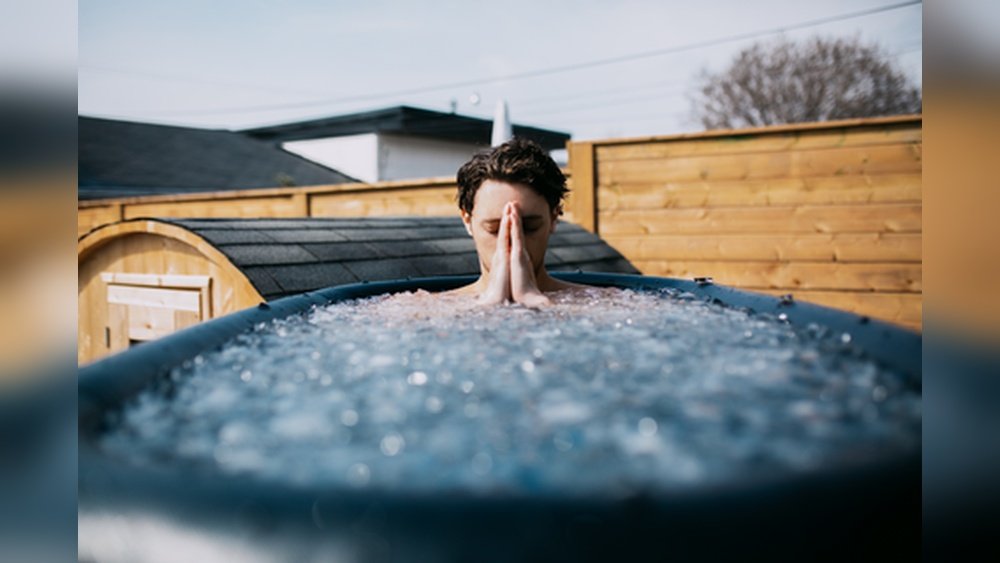
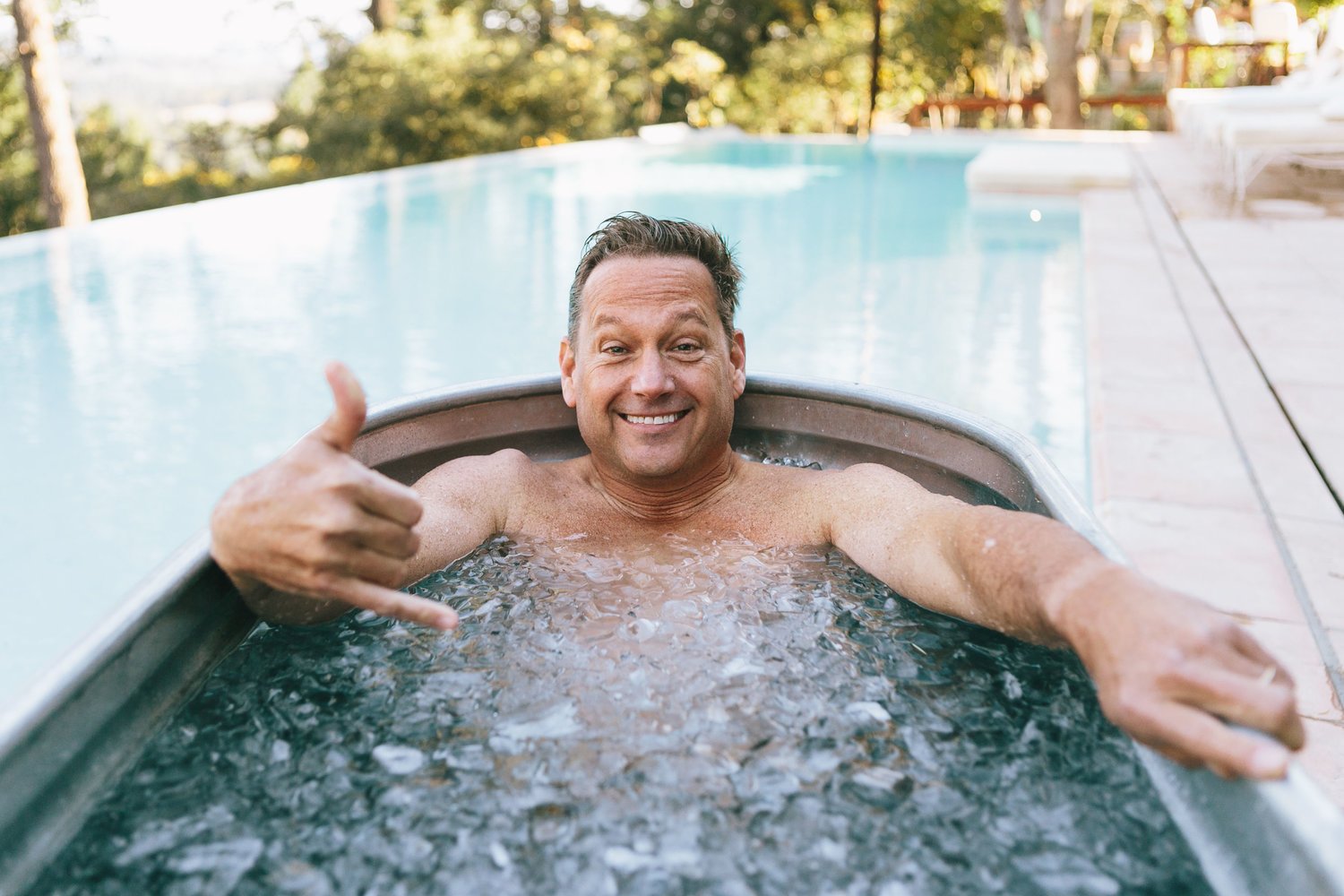
An ice bath is a cold water immersion, usually with ice added to bring the temperature down. People use ice baths after exercise to reduce soreness, speed recovery, or simply feel refreshed. While the idea sounds simple—just cold water—it’s actually a carefully managed process, especially for athletes.
The typical ice bath involves sitting in a tub filled with water cooled to a specific range, often between 8°C and 15°C (46°F to 59°F). Some baths are colder, but there are risks if you go too low.
Ice baths are not just for professionals. Many amateur athletes and even office workers try them to help reduce muscle pain or stress.
Why Temperature Matters In Ice Baths
The temperature of your ice bath is the most important factor for safety and effectiveness. If it’s too warm, you won’t get the benefits. If it’s too cold, you risk health issues like hypothermia or frostbite.
The Science Behind Cold Immersion
When you immerse your body in cold water, blood vessels constrict, which can reduce inflammation. This process helps flush out waste products from muscles, decreasing soreness. Research shows that colder water improves these effects, but only to a point.
Studies have found that the ideal temperature for muscle recovery is not the same as the coldest temperature your body can handle. There’s a balance between comfort, safety, and results.
Risks Of Extreme Cold
Water below 7°C (44°F) increases the risk of hypothermia. Even short exposure can be dangerous for people with heart issues or low body fat. Frostbite can occur if you stay in cold water too long.
On the other hand, water above 15°C (59°F) may feel cold, but it doesn’t deliver the same recovery benefits.
Ideal Ice Bath Temperature: What Do Experts Say?
Most experts recommend an ice bath temperature between 10°C and 15°C (50°F and 59°F). This range offers benefits without high risk. Let’s look at what different sources suggest:
| Expert Source | Recommended Temperature | Reason |
|---|---|---|
| American College of Sports Medicine | 10°C–15°C (50°F–59°F) | Balances safety and recovery |
| European Journal of Applied Physiology | 8°C–12°C (46°F–54°F) | Best for reducing soreness |
| Physical Therapists (common practice) | 12°C–15°C (54°F–59°F) | Comfort with effective results |
While some athletes go colder, the majority find these ranges ideal. If you’re new to ice baths, start at the warmer end and work your way colder if needed.
How To Set Up An Ice Bath At Home
Getting the right temperature is easier than you think. Here’s a step-by-step guide:
- Choose a tub: Use your bathtub or a large container. Make sure you can sit comfortably.
- Fill with cool water: Start with cold tap water. Measure the temperature using a thermometer.
- Add ice: Add ice slowly, mixing and checking the temperature. For a standard bathtub, 8–12 kg (18–26 lbs) of ice is enough.
- Reach target temperature: Aim for 10°C–15°C (50°F–59°F). Don’t rush—adding too much ice can make it dangerously cold.
- Check again: Before getting in, check the temperature once more.
Practical Example
Imagine you have a bathtub that holds about 100 liters (26 gallons) of water. Your tap water is 18°C (64°F). To cool it to 12°C (54°F), you need about 10 kg (22 lbs) of ice. Always add ice gradually and mix well.

How Long Should You Stay In An Ice Bath?
Even with the right temperature, timing matters. Most experts recommend 10 to 15 minutes for an ice bath. Longer soaks can increase health risks.
| Duration | Effect | Risks |
|---|---|---|
| 5–10 minutes | Good for beginners, gentle recovery | Low risk |
| 10–15 minutes | Strong recovery, reduces soreness | Moderate risk if too cold |
| 15+ minutes | Possible extra benefit, but risk rises | Hypothermia, numbness, discomfort |
For your first ice bath, start with 5–8 minutes. If you feel numb or shivering, exit immediately.
Who Should Use Ice Baths?
Ice baths are popular with athletes, but not everyone should use them. Here’s who benefits most:
- Runners: After long runs, cold immersion can reduce soreness.
- Weightlifters: Helps control muscle inflammation.
- Team sports players: Football, basketball, and soccer players use ice baths after intense games.
- People with minor injuries: Swelling or bruises can improve.
Some people should avoid ice baths:
- Those with heart problems
- People with circulation issues
- Children and elderly without supervision
Always check with your doctor if you have health concerns.
Benefits Of Ice Baths
Ice baths have several proven and possible benefits. Let’s break them down:
Reduced Muscle Soreness
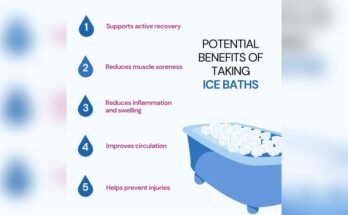
Cold water slows down inflammation, which makes muscles feel less sore after exercise. Studies show that people who use ice baths recover faster and feel less pain.
Faster Recovery
By improving blood flow after leaving the bath, your body removes waste products quickly. This helps athletes return to training sooner.
Improved Mental Toughness
Taking an ice bath is uncomfortable. Over time, regular cold exposure builds mental strength and resilience.
Better Sleep
Some people report that ice baths help them sleep better after hard workouts. The cold can calm the nervous system.
Reduced Swelling
For minor injuries, ice baths can reduce swelling and speed up healing.
Common Mistakes With Ice Baths
If you’re new to ice baths, you might make mistakes that reduce the benefits or cause discomfort.
- Making the water too cold: Water below 8°C (46°F) is risky and doesn’t improve recovery much.
- Staying in too long: Longer than 15 minutes can cause numbness or hypothermia.
- Ignoring health warnings: People with heart issues should skip ice baths.
- Not measuring temperature: Always use a thermometer, not just a guess.
- Jumping in after eating: It’s better to wait at least 30 minutes after a meal.
How To Measure Ice Bath Temperature
Using a thermometer is the best way to check water temperature. Here’s how:
- Digital thermometers: Fast and accurate. Place in water before and during the bath.
- Glass thermometers: Cheap but slower. Avoid breaking.
- Infrared thermometers: Point and check, but less accurate with water.
Try to keep the thermometer near your legs, as this is where most cooling happens.
Cold Vs. Contrast Baths: Which Is Better?
Some people use contrast baths—alternating cold and warm water—for recovery. Let’s compare:
| Method | Temperature | Duration | Benefits |
|---|---|---|---|
| Ice Bath | 10°C–15°C (50°F–59°F) | 10–15 minutes | Reduces soreness, swelling |
| Contrast Bath | Cold: 10°C–15°C (50°F–59°F) Warm: 38°C–40°C (100°F–104°F) |
1–2 minutes cold, 1–2 minutes warm, repeat | Improves blood flow, may help flexibility |
Contrast baths may be better for joint pain or flexibility, while pure ice baths focus on muscle recovery.
Adjusting Ice Bath Temperature For Different Needs
Not everyone needs the same cold level. Adjust the temperature based on your goals:
- General recovery: 12°C–15°C (54°F–59°F) is comfortable and safe.
- Intense soreness: 10°C–12°C (50°F–54°F) provides stronger effects.
- Mental training: 8°C–10°C (46°F–50°F) builds toughness, but only for experienced people.
If you’re using ice baths for injury recovery, ask your doctor for advice.
What Happens If Your Ice Bath Is Too Cold?
Water below 7°C (44°F) can cause problems fast. Here’s what you might experience:
- Shivering: Your body loses heat faster than it can produce.
- Numbness: Nerves stop working properly.
- Slow heart rate: Dangerous for people with heart issues.
- Confusion: Severe cold can affect your mind.
If you feel any of these, leave the bath immediately and warm up.

How To Make Ice Baths More Comfortable
Ice baths aren’t easy, but you can improve the experience:
- Wear shorts and a t-shirt: This protects skin and reduces shock.
- Listen to music: Distracts from discomfort.
- Invite a friend: Encouragement helps.
- Focus on breathing: Slow, deep breaths reduce panic.
- Warm up afterwards: Have a towel and warm drink ready.
Ice Bath Alternatives
If ice baths aren’t for you, try these options:
- Cold showers: Easier to control, less intense.
- Cold packs: Directly on sore muscles.
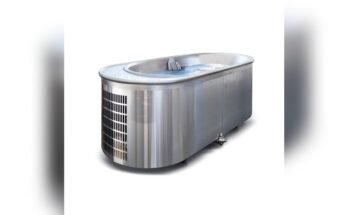
- Cryotherapy chambers: Special machines for quick cold exposure.
- Contrast baths: As described earlier.
Each method has different benefits and risks. Choose what fits your needs.
What Does Research Say About Ice Bath Temperatures?
Many studies support ice baths, but results vary. A 2017 review in the *Journal of Strength and Conditioning Research* found best results at 10°C–12°C (50°F–54°F) for 10–15 minutes.
Another study in 2021 showed that colder water (below 8°C) did not improve recovery, but increased discomfort. The key is to avoid extremes.
If you want more detail, check the Wikipedia page on cold water immersion.
Cold Water Immersion For Beginners
If you’re new to ice baths, start slow:
- Use water at 15°C (59°F) for 5–6 minutes
- Increase time and coldness as you feel comfortable
- Never force yourself—listen to your body
Many beginners don’t realize that the first 30 seconds are the hardest. After that, your body adjusts.
Safety Tips For Ice Baths
Always keep safety first:
- Use a thermometer every time
- Have someone nearby if you’re alone
- Avoid ice baths if you’re sick or have health issues
- Get out immediately if you feel dizzy, numb, or confused
- Warm up slowly after the bath
Comparing Ice Bath Temperatures: Athlete Examples
Different sports use different cold levels. Here’s how:
| Sport | Typical Ice Bath Temperature | Duration | Purpose |
|---|---|---|---|
| Running | 10°C–12°C (50°F–54°F) | 10–15 minutes | Reduce muscle soreness |
| Weightlifting | 12°C–15°C (54°F–59°F) | 10 minutes | Control inflammation |
| Football (Soccer) | 10°C–15°C (50°F–59°F) | 12 minutes | Recover from intense play |
These numbers come from team trainers and sports science research.
Two Insights Beginners Usually Miss
- Smaller people chill faster: If you have less body fat or are smaller in size, you’ll feel cold sooner. Adjust your bath time and temperature for your body type.
- Ice isn’t always needed: Sometimes, cold tap water is enough, especially in winter or in cooler climates. Always measure temperature before adding ice.
Troubleshooting Common Problems
If your ice bath feels wrong, here’s what to check:
- Too cold: Add warm water or remove ice.
- Too warm: Add more ice slowly, mix well.
- Can’t reach target temperature: Use smaller tubs, or chill water before filling.
- Thermometer isn’t working: Try a digital cooking thermometer.
Frequently Asked Questions
How Cold Should An Ice Bath Be For Muscle Recovery?
The best temperature for muscle recovery is 10°C–15°C (50°F–59°F). This range reduces soreness while keeping you safe. If you’re new, start at 15°C and work colder as you get used to it.
Is Colder Water Better For Ice Baths?
No, colder is not always better. Water below 8°C (46°F) can be dangerous and doesn’t improve recovery much. It’s safer to stay within the recommended range.
How Much Ice Do I Need For An Ice Bath?
For a standard bathtub, you’ll need about 8–12 kg (18–26 lbs) of ice to cool water to 10°C–15°C. The amount depends on starting water temperature and tub size. Always measure with a thermometer.
Can I Use Cold Showers Instead Of Ice Baths?
Cold showers are a good alternative. They’re easier to control and less intense, but may not deliver the same muscle recovery benefits as full immersion. Try both to see what works for you.
Who Should Avoid Ice Baths?
People with heart problems, circulation issues, or those who are sick should avoid ice baths. Children and elderly should only use ice baths with supervision. Always ask your doctor if you have any health concerns.
Final Thoughts
Choosing the right temperature for your ice bath is about balancing comfort, safety, and effectiveness. The sweet spot is 10°C–15°C (50°F–59°F), which helps reduce soreness and speed up recovery. Always use a thermometer, start with shorter times, and listen to your body. Ice baths aren’t for everyone, but they offer real benefits if used wisely. Whether you’re an athlete or just want to feel better after exercise, a well-managed ice bath can make a big difference.