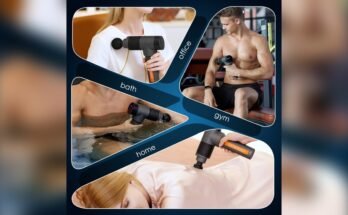
Shopping for a massage gun today can feel overwhelming. Just a few years ago, these devices were mostly for athletes or physical therapists. Now, you see them everywhere—from gyms to living rooms. But not all massage guns are the same.
Some are powerful, quiet, and easy to use. Others are noisy, heavy, or offer weak performance. If you want real relief from muscle pain or tension, you need to choose carefully. This guide will help you make smart decisions, even if you are new to massage guns.
You’ll learn which features matter, how to compare models, and what mistakes to avoid. By the end, you’ll know exactly how to pick the best massage gun for your needs.
Understanding Massage Guns
Massage guns, also known as percussion massagers, use rapid pulses to target deep muscle tissue. This action helps increase blood flow, release knots, and speed up recovery after workouts. Many people use them for back pain, tight shoulders, or even after a long day of sitting. But with so many models, how do you separate good devices from the bad?
A good massage gun should feel comfortable in your hand, hit deep enough to relax tight muscles, and not sound like a power drill. It should also fit your budget. But that’s just the start. Let’s look at the real factors that should drive your choice.
Key Factors To Consider
Choosing the best massage gun is not about picking the most expensive or the one with the most settings. Instead, focus on features that match your needs. Here are the most important points to check:
1. Stall Force
Stall force means how much pressure the massage gun can handle before it stops. If you want deep tissue massage, a higher stall force is better. Some cheap models stall with just a little push, which is frustrating. Top massage guns can handle 30–60 pounds of pressure. Think about how much force you actually need. If you have bigger muscles or want a powerful massage, look for a higher stall force.
2. Percussion Speed And Amplitude
Percussion speed is how many times the massage head hits your muscles per minute (measured in percussions per minute or PPM). Most good massage guns offer 1,800–3,200 PPM. Lower speeds are good for sensitive areas. Higher speeds are better for large muscle groups.
Amplitude is how far the massage head moves with each hit. A higher amplitude (12–16 mm) reaches deeper into the muscle. Some brands advertise high speeds but only have short amplitude, so the massage feels surface-level. Always check both numbers together.
3. Attachments
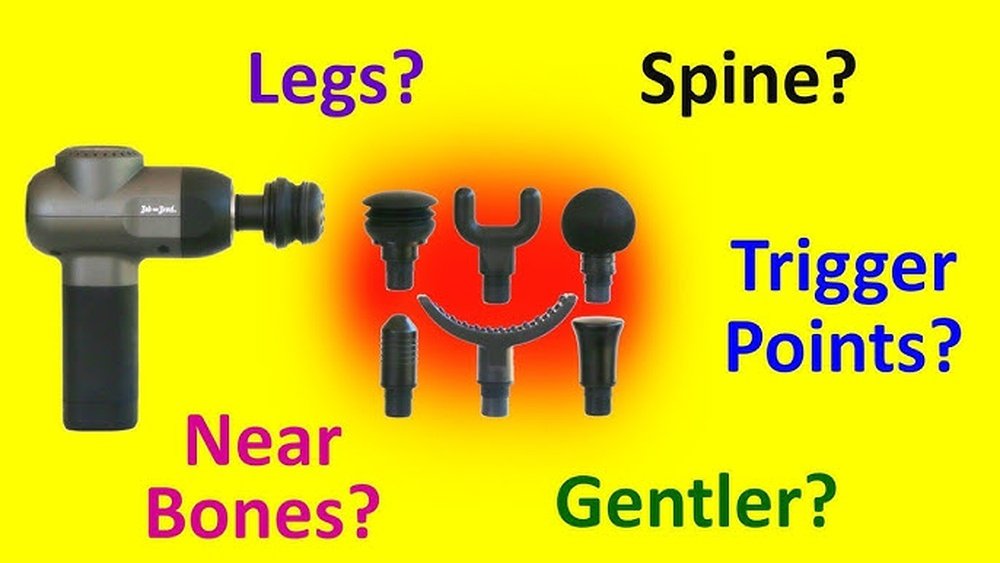
Attachments change the way the massage gun feels. Most devices come with 3–6 heads. The ball head is for large muscles, the bullet head targets knots, and the fork head fits along the spine. More attachments give you flexibility, but focus on quality over quantity.
Some cheap heads can feel rough or even scratch the skin.
4. Battery Life
No one wants a massage gun that dies in the middle of a session. Good models last 2–6 hours per charge, depending on speed and pressure. Removable batteries are useful if you want longer use, but built-in batteries are more common.
Always check the charging time too—some take just an hour, others need several hours.
5. Noise Level
If you plan to use your massage gun while watching TV or before bed, noise matters. Older models were loud, but new ones are much quieter. Look for devices that run below 60 decibels (dB). Some brands use brushless motors to cut down noise.
6. Weight And Ergonomics
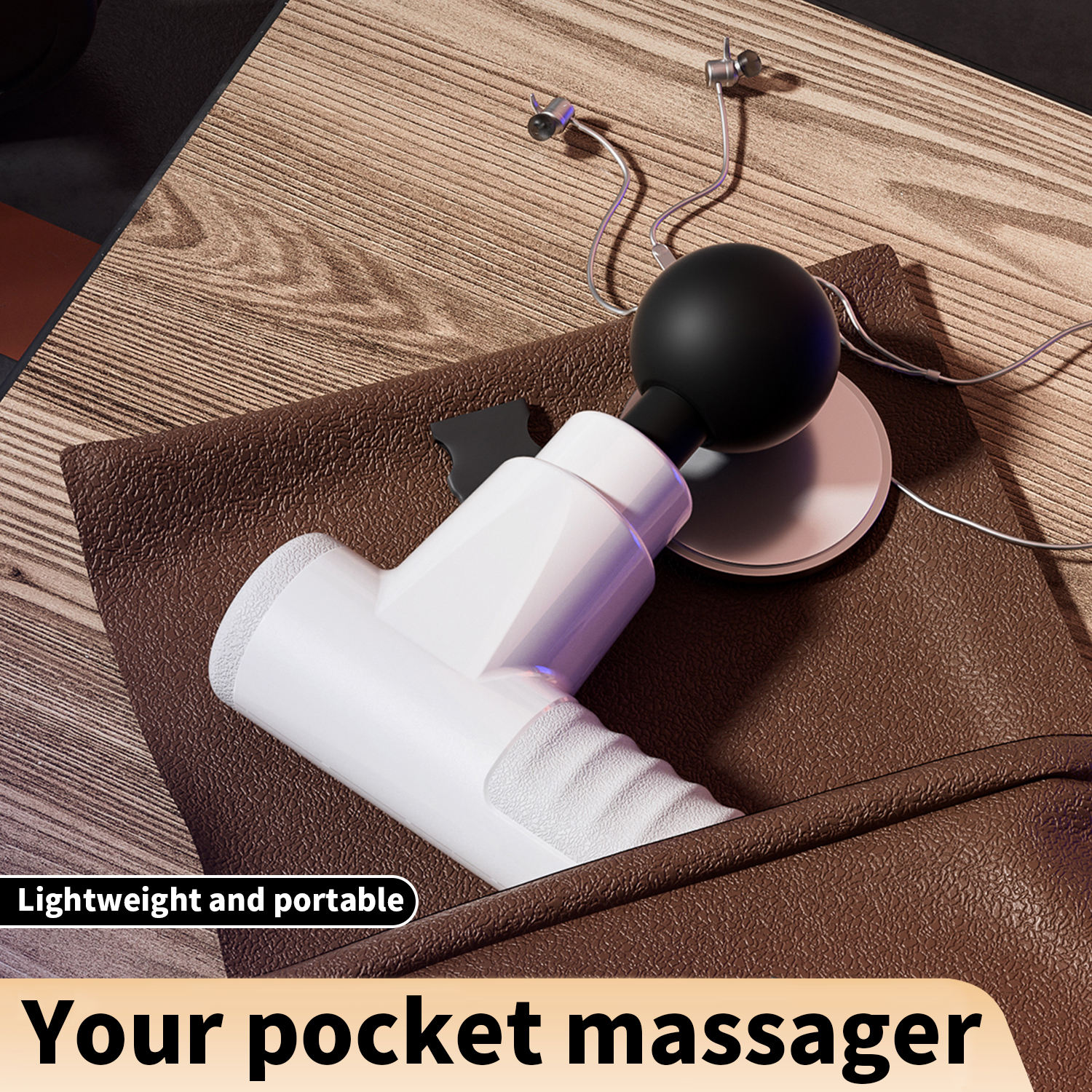
A heavy massage gun is tiring to use, especially for longer sessions or if you have wrist issues. Most models weigh 1–3 pounds. Lighter devices are easier to hold, but heavier ones may feel more solid. Also, check the handle design.
Rubber grips and angled handles help you reach hard-to-get spots like your lower back.
7. Build Quality And Durability
You want your massage gun to last. Look for strong materials, like high-quality plastic or metal. Seams should feel tight, and attachments should click in securely. Some cheap models break after just a few drops. Read reviews about long-term durability, not just first impressions.
8. Price And Warranty
Massage guns range from $50 to $600. Higher price does not always mean better quality. Find a model with the right features for your budget. Also, check the warranty. One year is common, but some brands offer two years or more.
A good warranty shows the company stands behind its product.
Comparing Popular Massage Gun Models
It can be tough to tell which models are truly the best. Here’s a practical comparison of three well-known massage guns to help you see how the key features stack up:
| Model | Stall Force | Amplitude | Battery Life | Noise Level | Attachments | Price Range (USD) |
|---|---|---|---|---|---|---|
| Theragun PRO | 60 lbs | 16 mm | 2.5 hrs | 65 dB | 6 | $599 |
| Hypervolt 2 | 40 lbs | 12 mm | 3 hrs | 55 dB | 5 | $299 |
| RENPHO R3 Mini | 30 lbs | 10 mm | 6 hrs | 45 dB | 5 | $99 |
This table shows that bigger is not always better. The Theragun PRO is powerful, but also expensive and a bit louder. The RENPHO R3 Mini is much quieter and lighter, but not as deep or strong. Think about which features you need most.
Matching A Massage Gun To Your Needs
Not everyone needs the same massage gun. A professional athlete, an office worker, and a senior all have different needs. Here’s how to pick the right model for your situation:
For Athletes
Athletes need a massage gun with high stall force and deep amplitude. This helps with muscle recovery and breaking up tough knots. Look for models with multiple speeds and strong build quality. Attachments for large muscle groups are useful.
For Office Workers
If you have neck or back pain from sitting, you might want a lighter, quieter massage gun. Good battery life and easy-to-use controls are important. Look for models with a soft head for sensitive areas.
For Seniors
Seniors often need a gentle massage. Choose a device with low-speed options and lightweight design. Easy-to-hold handles are important. A quiet motor makes it less stressful to use.
For Travelers
If you travel often, pick a compact, lightweight massage gun. Look for USB charging and a carrying case. Shorter amplitude and lower stall force are usually fine for travel use.
Comparing Massage Gun Features
Let’s look at a second comparison—this time focusing on features that affect everyday use.
| Feature | Why It Matters | What to Look For |
|---|---|---|
| Speed Settings | Customizes intensity for different muscles | 3–5 speeds is ideal |
| Charging Method | Determines where and how you can recharge | USB-C or removable battery |
| Auto Shutoff | Prevents overheating and saves battery | 10–15 minute cycle |
| Case/Bag | Makes storage and travel easier | Sturdy, fits all parts |
Some people focus only on the motor or speed, but these smaller features can make daily use much more comfortable.
Common Buyer Mistakes
Many first-time buyers make choices they regret. Here are mistakes to avoid:
- Chasing high power only: Some think the strongest massage gun is always best, but too much power can cause pain, bruising, or make it hard to use on sensitive spots.
- Ignoring noise level: If you want to use your device at night, a loud gun will disturb others or stress you out.
- Not checking weight: A heavy gun is tiring to use, especially if you have wrist or shoulder pain.
- Overpaying for features you won’t use: Some premium models have Bluetooth or app support, but most users never need these extras.
- Buying from unknown brands: Cheap, no-name massage guns might break quickly or have poor customer support.
Practical Tips For Testing Massage Guns
If possible, try out a massage gun before buying. Here’s how to make a smart test:
- Hold it for several minutes. Make sure it feels balanced and not too heavy.
- Test all speeds. High speed should not shake your hand too much.
- Check attachments. Switch them in and out to see if they fit tightly.
- Listen to the noise. Use it in a quiet room and see if it’s comfortable.
- Read reviews from real users. Focus on long-term feedback, not just first impressions.
Real-world Examples
Let’s look at two people with different needs:
Case 1: Maria is a yoga teacher. She wants a massage gun for sore legs and lower back. She chooses a mid-range device with medium stall force (about 35 lbs), good battery life, and soft attachments for sensitive areas. She skips models with high amplitude because she doesn’t need very deep tissue work.
Case 2: John is a cyclist. He uses his massage gun every day after training. He buys a high-end model with strong stall force (over 50 lbs), 16 mm amplitude, and multiple head choices. He invests more because he relies on recovery for his performance.
Both made the right choice for their body and routine.
How To Use Your Massage Gun Safely
Even the best massage gun can cause problems if used incorrectly. Here are safe usage tips:
- Start slow. Begin with the lowest speed, then increase as your muscles warm up.
- Avoid bones and joints. Only use on muscle, not directly on bones, neck vertebrae, or joints.
- Limit session length. Use each muscle for 1–2 minutes at a time. Don’t go over 15 minutes per session.
- Don’t use on injuries. Avoid using a massage gun on bruises, wounds, or recent surgeries unless your doctor says it’s okay.
- Keep it moving. Don’t hold the gun still on one spot for too long.
Who Should Not Use A Massage Gun?
Massage guns are safe for most people, but there are exceptions. Do not use a massage gun if you:
- Have blood clotting disorders
- Use a pacemaker or other implants
- Are pregnant (especially on lower back and abdomen)
- Have skin infections or open wounds
If you have any health concerns, ask your doctor before using a massage gun.
Advanced Insights Most Beginners Miss
There are a few things many first-time buyers don’t realize:
- Amplitude matters more than speed for deep massage. Some guns advertise high speed but have very short amplitude. This means lots of surface vibration, but not deep muscle work. Always check amplitude if you want true deep tissue massage.
- Long-term comfort is about ergonomics, not just weight. A well-shaped handle with a slight angle is easier to use for 10–15 minutes than a perfectly straight, lighter handle. Try holding the gun as you would in a real session.
- Battery life is affected by how hard you press. If you use a gun on high speed and press hard, the battery drains much faster than the maximum claimed time. Always check reviews about real battery performance.
The Role Of Brand Reputation And Customer Support
When comparing massage guns, don’t ignore the value of brand reputation and customer support. Well-known brands often offer better warranties, clearer instructions, and helpful customer service. If something goes wrong, it’s easier to get a replacement or repair. Unknown brands may disappear, leaving you without support.
Also, many top brands have online guides and videos to help you use your device safely. This can make a big difference, especially if you are new to self-massage.

Environmental And Health Considerations
Some massage guns use recyclable materials or energy-efficient batteries. If you care about the environment, look for brands that mention these features. Also, check for certifications like CE or FDA approval, which show the device meets certain safety standards.
How To Care For Your Massage Gun
A massage gun can last for years if you take care of it. Here’s how:
- Clean attachments after each use. Wipe with a damp cloth and mild soap.
- Store in the case. This prevents dust, moisture, or damage if dropped.
- Charge as recommended. Don’t overcharge the battery or leave it plugged in all the time.
- Check for loose parts. If you hear rattling or see cracks, stop using the device and contact support.

The Bottom Line: Making The Right Choice
Choosing the best massage gun is personal. Focus on the features that really matter for your body, lifestyle, and budget. Don’t be swayed by marketing claims or unnecessary extras. Test devices if you can, and read honest reviews. Remember, the right massage gun should make you feel better, not add stress.
With the right choice, you can enjoy faster recovery, less pain, and better well-being.
For more detailed research about percussion therapy, you can check this Wikipedia page on percussive therapy.
Frequently Asked Questions
What Is The Ideal Stall Force For A Massage Gun?
For most people, a stall force of 30–40 lbs is enough for everyday use. Athletes or people who want a very deep massage might prefer 50 lbs or more. Beginners should start with lower stall force to avoid pain or bruising.
How Many Attachments Do I Really Need?
You only need 3–4 good attachments for most uses: a ball head for large muscles, a bullet head for knots, a fork for the spine, and a flat head for general use. More attachments are nice, but not essential.
Are Massage Guns Safe To Use Every Day?
Yes, massage guns are generally safe for daily use if you follow safety tips: don’t use for too long on one area, avoid bones and injuries, and start with low speed. Always listen to your body.
Can Massage Guns Help With Chronic Pain?
Massage guns can help with muscle tension and some types of chronic pain, but they are not a cure for medical conditions. For long-term or severe pain, talk to a doctor or physical therapist before using a massage gun.
What’s The Difference Between Percussion And Vibration Massage Guns?
Percussion massage guns have higher amplitude and go deeper into muscle tissue. Vibration massage guns have faster but shorter strokes, so they mostly affect the surface. Percussion guns are better for deep knots and muscle recovery.
Choosing the best massage gun is easier when you know what features matter. Use the advice above to find a device that matches your real needs, and you’ll get the most benefit—without wasting money or time.