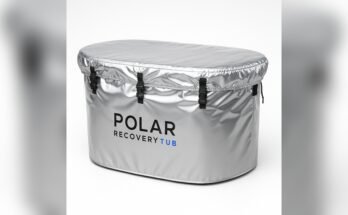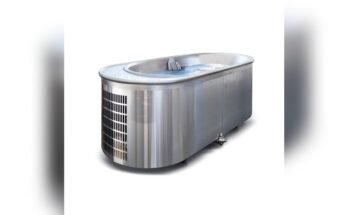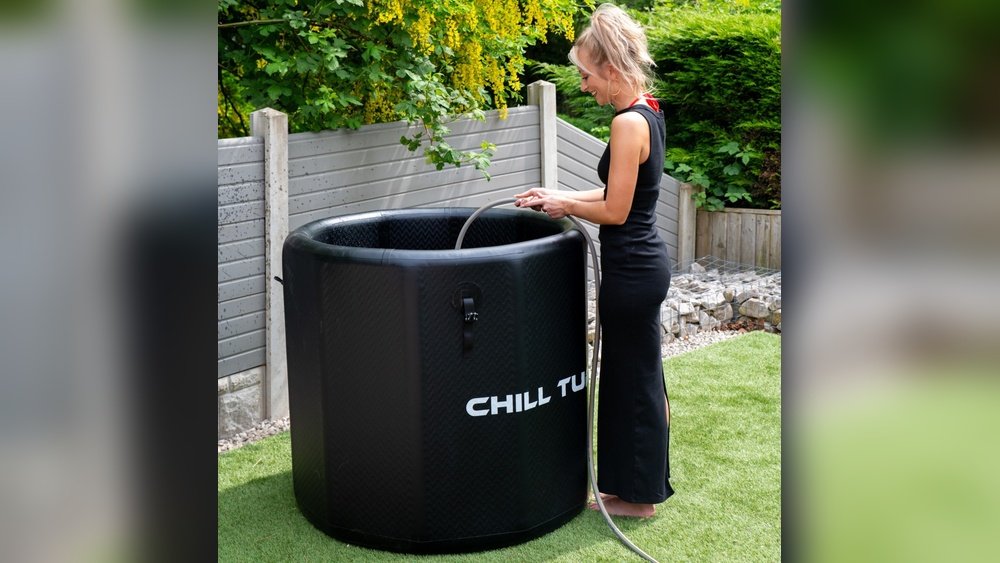
Keeping your ice bath tub clean is not just about appearance—it’s about hygiene, safety, and getting the most benefit from your cold therapy sessions. Many people enjoy the muscle recovery, reduced inflammation, and mental boost from ice baths, but few realize how quickly bacteria, mold, and grime can build up in the tub. Whether you use a high-end commercial ice bath, a converted chest freezer, or a simple stock tank, cleaning routines and methods matter. Neglecting these can lead to skin irritations, unpleasant odors, or even infections. This guide will walk you through every step of cleaning an ice bath tub, from daily habits to deep cleans, and offer practical tips to keep your tub fresh and safe for every plunge.
Why Cleaning Your Ice Bath Tub Matters
Ice baths are often shared among athletes, friends, or family. Each user brings sweat, body oils, and sometimes dirt. Cold water slows bacteria growth, but it does not stop it. After a few uses, you may notice slippery surfaces, cloudy water, or an odd smell. These are signs that your tub needs more attention.
A dirty ice bath can cause:
- Skin infections like folliculitis or athlete’s foot
- Increased risk of cross-contamination if used by multiple people
- Unpleasant odors that make the experience less enjoyable
- Shortened lifespan of the tub or its filtration equipment
Cleaning also helps preserve your investment, whether you have a $50 plastic tub or a $5,000 commercial system.
Types Of Ice Bath Tubs And How Cleaning Differs
Not all ice bath tubs are the same. The cleaning process can change depending on your setup. Here’s a quick look:
| Type of Tub | Main Material | Cleaning Challenge |
|---|---|---|
| Portable Inflatable | PVC or Vinyl | Punctures, mold in seams |
| Plastic Stock Tank | HDPE Plastic | Biofilm, surface scratches |
| Metal Barrel | Galvanized Steel | Rust, mineral deposits |
| Chest Freezer | Painted Steel, Plastic | Electrical safety, insulation issues |
| Commercial Ice Bath | Fiberglass, Acrylic | Filter maintenance, chemical balance |
Key Insight: Even if your tub has a filter, physical cleaning is still essential. Filters can miss body oils and slimy biofilms that stick to surfaces.
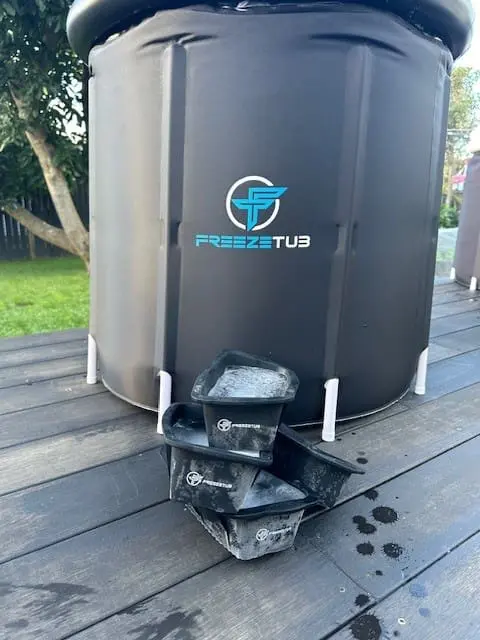
Supplies You’ll Need
Before you start, gather the right supplies. Using the wrong products can damage your tub or leave harmful residues. Here’s what most people need:
- Soft-bristle brush or sponge (non-abrasive)
- Mild detergent (dish soap or tub cleaner)
- White vinegar or hydrogen peroxide (for natural disinfecting)
- Bleach (use sparingly and rinse well)
- Bucket or large measuring cup
- Clean towels or microfiber cloths
- Gloves (especially for bleach)
- Spray bottle (for spot cleaning)
- Garden hose (for rinsing, if outdoors)
- Water test strips (if you add chemicals or use filters)
- Pump or siphon (to empty water from larger tubs)
Pro Tip: Never mix vinegar and bleach. This creates dangerous fumes.
Step-by-step Routine: How To Clean An Ice Bath Tub
Cleaning can be broken down into daily, weekly, and monthly routines. Sticking to these schedules keeps your tub clean with less effort.
Daily Cleaning (after Each Use)
- Remove Debris: Use a skimmer or your hand to take out any leaves, hair, or other floating debris. This prevents clogging and keeps water clear.
- Wipe Down Surfaces: Use a clean, damp cloth to wipe the inner walls of the tub. This removes oils before they build up.
- Check for Slippery Areas: If you feel any sliminess, scrub gently with your brush and a little soap.
- Cover the Tub: Always put on the lid or cover. This keeps out dust, bugs, and sunlight, which can promote algae.
Insight: Covering the tub reduces cleaning needs by more than 50%.
Weekly Cleaning
- Drain the Water: Use a pump or drain plug to empty the tub. Do not leave water sitting for more than 7 days, even if it looks clean.
- Scrub the Tub: Mix mild soap with warm water. Use a soft brush to scrub all surfaces, paying extra attention to corners and seams.
- Disinfect: For a deeper clean, spray a solution of 1 part vinegar to 4 parts water. Let it sit for 5 minutes, then rinse well.
- Rinse Thoroughly: Use a hose or buckets of clean water to rinse all soap and vinegar. Residue can cause skin irritation.
- Dry Completely: Wipe the tub with towels or let it air dry before refilling.
Non-obvious Insight: Always clean the outer rim and handles. These often get missed but are touched often.
Monthly Deep Clean
- Remove Filters (if any): Take out and clean or replace any filters. Soak in vinegar for 30 minutes, then rinse.
- Inspect for Damage: Look for cracks, rust, or mold. Fix small issues before they become big problems.
- Disinfect with Bleach: If you want a strong disinfect, fill the tub with water and add 1/4 cup of bleach per gallon. Let it sit for 10 minutes, then drain and rinse at least twice.
- Check Drains and Pumps: Flush these with clean water to prevent buildup.
- Let Everything Dry: A dry tub is less likely to grow bacteria or mold.
Practical Example: Many chest freezer users line the inside with a waterproof liner. Remove and clean this at least once per month.

How To Clean Different Types Of Ice Bath Tubs
Portable Inflatable Tubs
- Deflate and clean outside if possible.
- Focus on seams—mold loves these hidden areas.
- Never use strong chemicals that can weaken the material.
- Dry fully before storing to prevent mildew.
Plastic Stock Tanks
- Scratches can trap bacteria—scrub gently.
- Avoid abrasive brushes or pads.
- If using outdoors, check for algae or green slime during hot months.
Metal Barrels
- Use vinegar to remove rust stains.
- Dry thoroughly to prevent new rust.
- Never let bleach sit too long, as it can corrode metal.
Chest Freezers
- Unplug before cleaning for safety.
- Do not splash water near the electrical parts.
- Use only soft cloths to avoid damaging the liner.
- Check for condensation or mold in insulation areas.
Commercial Ice Bath Units
- Always follow manufacturer cleaning instructions.
- Clean filters and check chemical levels if using ozone or chlorine.
- Service pumps and UV sterilizers as recommended.
| Cleaning Step | Inflatable | Stock Tank | Chest Freezer | Commercial Unit |
|---|---|---|---|---|
| Daily Wipe | Yes | Yes | Yes | Yes |
| Weekly Drain | Yes | Yes | Yes | Check manual |
| Bleach Use | No | Yes | Only liner | Check manual |
| Filter Cleaning | No | Optional | Optional | Yes |
Water Maintenance: Chemicals, Filtration, And Alternatives
Some users want to keep water for a week or more. This requires managing bacteria and algae. Here are the main options:
Chlorine Or Bromine
- Use pool or spa tablets, but in very low doses.
- Test water regularly with strips.
- Safe levels: Chlorine 1-3 ppm, Bromine 3-5 ppm.
- Never mix both chemicals.
Hydrogen Peroxide
- Food-grade hydrogen peroxide (35%) is a natural sanitizer.
- Add 1-2 cups per 100 gallons after each use.
- Check levels with test strips.
Ozone Or Uv Filtration
- Some high-end tubs use ozone or UV to kill germs.
- Maintenance is lower, but still requires cleaning surfaces.
Filtration Systems
- Simple filters remove particles, not bacteria.
- Clean or replace filter media every 1-2 weeks.
Mistake to Avoid: Do not use pool chemicals in a tub without understanding correct doses. Overuse can cause skin irritation or damage the tub.
How Often Should You Change Ice Bath Water?
The answer depends on how many people use the tub, how dirty they are, and whether you use chemicals or a filter.
- No chemicals/filtration: Change water every 1-2 days.
- With chemicals/filtration: You may stretch to 5-7 days, but always test and inspect the water.
- Any sign of cloudiness, odor, or slime: Change water immediately.
Expert Tip: Even with perfect water, always scrub the tub at least once per week.
Common Cleaning Mistakes And How To Avoid Them
1. Using Harsh Cleaners
Products like strong bleach or bathroom sprays can damage the tub and leave residues. Always rinse thoroughly and use mild detergents.
2. Forgetting Hidden Areas
Handles, drains, seams, and under removable seats are easy to miss. These are prime spots for bacteria growth.
3. Not Drying Completely
Moisture left in corners or under covers can breed mold. Always towel dry or air out the tub after cleaning.
4. Mixing Chemicals
Never mix chlorine and vinegar or ammonia. Dangerous gases can form.
5. Neglecting Filters
Dirty filters reduce water quality and can spread bacteria. Clean or replace as directed by your manufacturer.

How To Deal With Mold, Mildew, And Algae
If you notice black spots, musty smells, or green slime, you need to act fast.
- Drain the tub completely.
- Scrub affected areas with a mix of vinegar and water, or hydrogen peroxide.
- For stubborn mold, use a diluted bleach solution (1 tablespoon per gallon of water). Let sit for 10 minutes, then rinse.
- Dry thoroughly before refilling.
Advanced Tip: If mold keeps returning, check for leaks or poor ventilation near the tub.
Cleaning And Maintaining Accessories
Ice bath tubs often come with accessories like lids, steps, cup holders, or thermometers. These need attention too.
- Lids/covers: Wipe weekly with mild soap. Dry completely.
- Steps/benches: Scrub and rinse, especially if placed in water.
- Ice scoops or baskets: Clean after each use.
- Thermometers: Wipe with alcohol or hydrogen peroxide.
Reality Check: Accessories are often the source of strange smells because they are cleaned less often.
Safe Storage And Off-season Cleaning
If you only use your ice bath tub seasonally, storage matters.
- Clean and dry thoroughly before storage.
- Deflate or cover inflatable tubs to avoid dust and bugs.
- Store indoors if possible, especially in humid climates.
- Check for pests before refilling after storage.
Troubleshooting: If Your Ice Bath Tub Still Smells Or Looks Dirty
If you’ve cleaned your tub but still have issues:
- Inspect for hidden mold in seams or under liners.
- Check water source—tap water with high iron or minerals can cause smells and stains.
- Consider upgrading your filter or adding a UV sanitizer.
- If the tub is very old and keeps smelling, it may be time to replace it.
Real-world Example: Cleaning Routine For A Shared Ice Bath
Let’s say you and three friends share a plastic stock tank for ice baths, using it daily.
- After each use: Skim out debris, wipe down, and cover.
- Every 3 days: Drain, scrub with soap and vinegar, rinse, and refill.
- Once per week: Inspect for damage, deep clean with hydrogen peroxide, clean accessories.
- Monthly: Remove and soak filter (if any), check for algae or mold, air dry in sun.
This routine keeps the tub safe, pleasant, and ready for every session.
Environmental Considerations
- Choose non-toxic cleaners like vinegar or hydrogen peroxide when possible.
- Dispose of water responsibly—do not drain into storm sewers or natural water sources.
- Use minimal chemicals to protect skin and environment.
- Recycle old tubs if replacing.
Professional Cleaning Services: When To Consider Them
For commercial gyms or teams, professional cleaning can ensure high standards. Services may include:
- Deep disinfection
- Filter replacement
- Water testing and balancing
- Mold remediation
Costs vary but can save time and prevent health issues in high-use settings.
Comparing Cleaning Frequency And Time Commitment
Here’s a quick look at how much time you’ll spend on cleaning depending on your tub and routines:
| Cleaning Type | Frequency | Average Time Needed |
|---|---|---|
| Daily Wipe | After each use | 2-5 minutes |
| Weekly Scrub | Once per week | 15-20 minutes |
| Monthly Deep Clean | Once per month | 30-40 minutes |
| Accessory Cleaning | As needed | 5-10 minutes |
Time-Saving Tip: Doing small daily tasks makes deep cleaning much faster.
Frequently Asked Questions
How Often Should I Clean My Ice Bath Tub?
You should wipe down the tub after every use and do a full scrub at least once per week. If you share the tub or use it outdoors, you may need to clean more often. Always change water at the first sign of cloudiness or odor.
Can I Use Regular Household Cleaners In My Ice Bath Tub?
It’s best to use mild detergents like dish soap or dedicated tub cleaners. Avoid harsh chemicals, as they can damage the tub or cause skin irritation. Always rinse well after cleaning.
What Is The Safest Way To Disinfect My Ice Bath?
Vinegar or hydrogen peroxide are safe, natural disinfectants. For a stronger clean, a diluted bleach solution works, but rinse thoroughly. Never mix vinegar and bleach.
Do I Need To Clean The Tub If I Use Chemicals Or A Filter?
Yes. Filters and chemicals help keep water clear but do not remove all bacteria or oils from the tub’s surface. Physical cleaning is still necessary to prevent slime, mold, and odors.
Where Can I Learn More About Safe Cleaning For Cold Therapy Equipment?
You can find detailed, science-based guidance on sites like CDC Healthy Water, which covers safe cleaning and water maintenance for pools and tubs.
Keeping your ice bath tub clean isn’t hard, but it does require regular attention and the right methods. With a smart routine and a little effort, you’ll enjoy safer, more effective cold therapy every time you take the plunge.