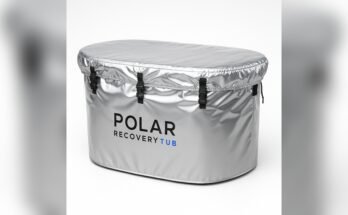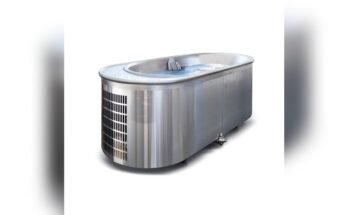
An ice bath tub can be a life-changing addition to your recovery or wellness routine. Whether you’re an athlete, fitness enthusiast, or just looking for new ways to relax and recover, ice baths offer powerful benefits. But there’s a detail that many people overlook: proper storage. Storing your ice bath tub the right way isn’t just about saving space. It protects your investment, keeps the tub clean, and ensures it’s always ready for safe use. But how do you store an ice bath tub correctly, especially as they come in various shapes, sizes, and materials? Let’s explore everything you need to know to keep your tub in top condition—no matter where you live or how often you use it.
Why Proper Storage Matters
Many people think storing an ice bath tub is simple—just drain it and put it away. But skipping important steps can lead to problems. Moisture left behind can cause mold or bacteria to grow. Sunlight can damage some materials, making the tub less durable. Storing it in a poor spot can also cause leaks, cracks, or make the tub unusable.
Proper storage can:
- Extend the lifespan of your tub
- Prevent unpleasant smells or stains
- Save you money on repairs or replacements
- Keep your tub safe for you and your family
Understanding these reasons helps you appreciate why it’s worth spending a few extra minutes storing your tub the right way.
Types Of Ice Bath Tubs And Their Storage Needs
Before learning how to store your tub, you need to know what kind you have. Different tubs have different requirements. Here’s a quick overview:
| Type | Material | Storage Difficulty | Special Concerns |
|---|---|---|---|
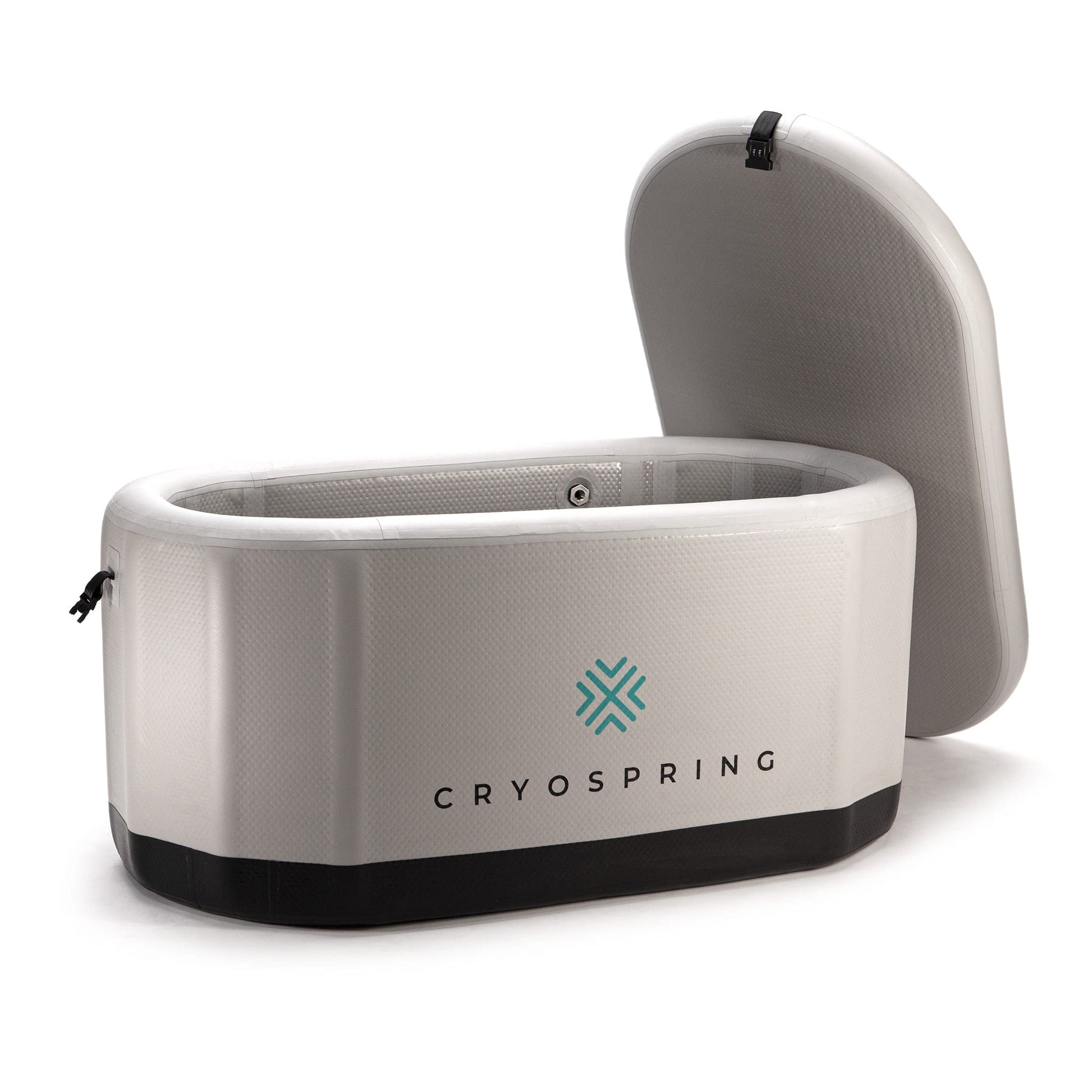
| Inflatable | PVC, Vinyl | Easy | Punctures, Creasing |
| Rigid Plastic | HDPE, Polypropylene | Medium | Sunlight, Warping |
| Metal | Stainless Steel, Aluminum | Medium | Rust, Dents |
| Portable Foldable | Oxford Cloth, Composite | Easy | Mold, Fabric Tearing |
| Permanent/Fixed | Fiberglass, Concrete | Hard | Outdoor Exposure |
Knowing your tub’s material and design helps you follow the right storage method.
Step-by-step Guide To Storing Your Ice Bath Tub
Let’s break down the process into simple steps. Each step is important, no matter which type of tub you have.
1. Drain All Water Completely
Never leave water sitting in your tub. Even a small amount encourages bacteria and mold growth, and can cause damage in cold weather.
- Use the built-in drain or tip the tub carefully.
- For larger tubs, a wet/dry vacuum can help remove leftover water.
- Always check corners and seams for hidden moisture.
2. Clean And Disinfect Thoroughly
After draining, clean your tub with mild soap or a specialized cleaner. This removes sweat, body oils, and any residues.
- For inflatable or plastic tubs, use a soft sponge to avoid scratches.
- For metal tubs, dry quickly to prevent rust.
- Avoid strong chemicals like bleach unless recommended by the manufacturer.
Disinfecting is an extra step many miss. Use a 70% isopropyl alcohol solution or a gentle disinfectant spray. Let it air dry before moving to the next step.
3. Dry Every Surface
Even small drops of water can cause trouble. Use a clean towel to wipe the tub, paying attention to seams, valves, and hard-to-reach spots.
- Leave the tub open and let it air dry for several hours.
- For foldable or fabric tubs, hang them if possible to ensure all water evaporates.
4. Inspect For Damage
Before storing, check your tub for:
- Cracks or holes (especially in inflatables)
- Signs of mold or mildew
- Worn out valves or seals
- Rust spots (metal tubs)
Fix any issues now. Small repairs are easier before storing than after months of neglect.
5. Choose The Right Storage Location
Where you store your tub is as important as how you store it.
Ideal storage spots:
- Dry (no excess moisture)
- Cool (avoid heat, which can warp or damage materials)
- Dark or shaded (sunlight can fade and weaken plastic, vinyl, and fabric)
- Rodent-free (mice and insects can chew through soft tubs or insulation)
Common options include garages, basements, closets, or outdoor sheds (if weatherproof).
6. Store According To Tub Type
Now, tailor your storage technique based on your tub’s design.
Inflatable Tubs
- Fully deflate using the pump or valves.
- Fold loosely (do not crease sharply, which can weaken material).
- Place in the original box or a cloth bag.
- Store off the floor if possible, to avoid pests and dampness.
Rigid Plastic Tubs
- Stackable tubs can be nested.
- Avoid placing heavy items on top to prevent warping.
- Cover with a breathable cloth to keep dust out.
- Store upright in a corner for stability.
Metal Tubs
- Apply a thin coat of food-safe oil to prevent rust (for steel or aluminum).
- Avoid direct contact with concrete, which can cause corrosion.
- Cover to protect from dust and moisture.
Portable Foldable Tubs
- Fold according to the manufacturer’s instructions.
- Do not over-bend the frame.
- Place in a bag or box.
- Store in a dry, elevated spot.
Permanent/fixed Tubs
- Outdoor tubs: Cover with a heavy-duty tarp or fitted cover.
- Consider seasonal draining if not in use for months.
- Indoor tubs: Keep clean and dry between uses.
7. Use Protective Covers
Covers are more than just dust shields. They protect against UV rays, animals, and dirt. For outdoor tubs, choose a cover that is waterproof and fits tightly. For indoor tubs, a simple sheet or cloth can prevent dust.
Some covers have lockable features to keep children or pets safe.
8. Label And Organize Accessories
Don’t forget hoses, pumps, thermometers, or cleaning brushes. Store these in a labeled box nearby. This keeps everything together and saves time for your next session.
9. Check Regularly
If your tub is in storage for months, check it every 4-6 weeks. Look for signs of pests, dampness, or damage. Air it out if needed.
10. Prepare For Next Use
Before using the tub again, repeat the cleaning and inspection steps. This ensures you start every session fresh and safe.
Common Mistakes People Make When Storing Ice Bath Tubs
It’s easy to slip up, especially if you’re in a hurry. Here are mistakes to avoid:
- Storing the tub wet: This is the top cause of mold and mildew.
- Leaving tubs in sunlight: UV rays break down plastic and fabric fast.
- Folding or creasing in the same spot every time: Weakens material, causing leaks.
- Stacking heavy objects: Can crush or warp the tub’s shape.
- Ignoring accessories: Dirty hoses or pumps can spread bacteria.
- Not checking storage area: Leaky basements or sheds can damage the tub.
- Skipping regular checks: Small issues can become big problems after months.
Seasonal Storage: Extra Steps For Winter And Summer
Depending on where you live, you might need to adjust your storage method based on the season.
Winter Storage
- Never leave water in the tub if temperatures drop below freezing—it can crack the material.
- For outdoor tubs, bring them inside or use a heavy insulated cover.
- Add silica gel packs to the storage bag to absorb moisture.
Summer Storage
- Keep tubs out of direct sunlight.
- Store in a spot with good airflow to prevent heat buildup.
- Check for insects or spiders before next use.
Storage Solutions For Small Spaces
Not everyone has a big garage or storage room. Here’s how to store your ice bath tub in small homes or apartments:
- Choose a foldable or inflatable tub for easy storage under beds or in closets.
- Use vertical space—store in a tall cabinet or on a high shelf.
- Invest in multi-purpose furniture (a storage bench, for example).
A common beginner mistake is buying a large rigid tub for a small apartment. Always measure your storage space before purchasing.

How Storage Affects Tub Lifespan
Proper storage can double or even triple the life of your ice bath tub. For example, inflatable tubs stored dry and in the shade can last 3-5 years. Those left wet or in the sun often fail within a year.
Metal tubs kept rust-free may last decades.
Here’s a quick comparison:
| Storage Quality | Expected Lifespan (Inflatable) | Expected Lifespan (Rigid Plastic) | Expected Lifespan (Metal) |
|---|---|---|---|
| Poor (wet, sunny, dirty) | 6-12 months | 1-2 years | 2-4 years |
| Good (clean, dry, shaded) | 3-5 years | 5-8 years | 10+ years |
Ice Bath Tub Storage Vs. Traditional Bathtubs
You might wonder, “Can’t I just store it like a regular bathtub?” The answer is no. Traditional bathtubs are built in and rarely move, while ice bath tubs are designed for portability and outdoor use.
Key differences:
- Ice bath tubs are more sensitive to sunlight, moisture, and pressure.
- They have more joints, valves, and moving parts that need care.
- Many are built from softer materials that can tear or puncture.
Understanding these differences helps you avoid treating your ice bath tub like just another household fixture.
Cleaning And Maintenance Products: What Works Best?
Not all cleaning products are safe for every ice bath tub. Here are some tips:
- Mild dish soap is safe for most plastics and fabrics.
- White vinegar diluted with water helps remove odors and stains.
- Isopropyl alcohol (70%) is a good disinfectant, especially for seams and valves.
- Avoid abrasive scrubbers or strong bleach unless your manufacturer says it’s okay.
- For metal tubs, a food-safe mineral oil keeps rust away.
Choose products based on your tub’s material, and always rinse well after cleaning.
Should You Store Your Tub Indoors Or Outdoors?
Indoor storage is usually better. It offers:
- Stable temperatures
- Less risk of UV damage
- Protection from animals and weather
Outdoor storage is possible if you have a waterproof, insulated cover and the tub is designed for outdoor use. Always raise the tub off the ground to prevent contact with wet surfaces.
Accessories That Make Storage Easier
A few simple accessories can make a big difference:
- Storage bags: Custom-fit bags keep your tub clean and organized.
- Dehumidifier packs: Help control moisture in closed spaces.
- Tub stands or racks: Keep the tub off the floor and away from dirt or water.
- Protective covers: A must for outdoor or garage storage.
Investing in these items can prevent many common problems.
What To Do If Mold Or Odor Develops During Storage
Sometimes, even with care, you’ll find mold or a bad smell when you unpack your tub. Here’s what to do:
- Move the tub outdoors or to a well-ventilated area.
- Scrub with a mixture of white vinegar and water (1: 1 ratio).
- Rinse thoroughly and dry in the sun if possible.
- For stubborn odors, sprinkle baking soda, let sit, then rinse.
If mold is severe, especially in fabric tubs, replacement may be safer.
Creative Storage Ideas From Real Users
Many ice bath fans have found clever solutions:
- Hanging foldable tubs from garage hooks.
- Sliding inflatable tubs into large plastic storage bins.
- Using vacuum storage bags for deflated tubs (just make sure they’re dry).
- Building a small rack in a shed or closet specifically for the tub.
These ideas can help if you have limited space or need to keep your tub away from kids and pets.
Environmental Impact: How Storage Choices Affect Longevity
Storing your tub correctly means less waste. A well-kept tub doesn’t end up in a landfill after one season. If you store it well, you use fewer resources and save money. Plus, good storage means fewer chemicals and less cleaning, which is better for the planet.
When Should You Replace Your Ice Bath Tub?
Even with perfect care, no tub lasts forever. Replace your ice bath tub if:
- You notice cracks, leaks, or tears that can’t be repaired.
- Mold or odor won’t go away after cleaning.
- The material feels soft or sticky (a sign of plastic breakdown).
- Valves or seams fail repeatedly.
Most users find they need a new tub every 3-7 years, depending on use and storage.
Real-world Example: Athlete’s Storage Routine
Consider an amateur triathlete living in a small apartment. She uses a foldable ice bath tub three times a week, then:
- Drains and wipes it dry after every use.
- Leaves it open in the bathroom to air out for two hours.
- Folds and stores it in a breathable bag under her bed.
- Once a month, she inspects seams and cleans with vinegar.
- In winter, she adds a few silica gel packets to the bag.
After three years, her tub is still in excellent condition. Her simple but regular storage routine saves her money and keeps her recovery safe.
:max_bytes(150000):strip_icc()/spr-cold-pools-test-plunge-michelle-parente-22-7f9270fc9b7c4644bc5b9497e8dc2add.jpeg)
Frequently Asked Questions
How Long Can I Leave Water In My Ice Bath Tub Before Storing?
Never leave water in your ice bath tub longer than 24 hours. Even a few hours can lead to bacteria or algae growth, especially in warm weather. Always drain and dry your tub as soon as possible after use.
Can I Store My Ice Bath Tub Outdoors Year-round?
It’s possible, but not ideal. Outdoor storage exposes your tub to sun, rain, and temperature changes. If you must store outside, use a waterproof, UV-resistant cover and raise the tub off the ground. Check regularly for signs of damage.
What’s The Best Way To Prevent Mold During Storage?
The key is to store your tub completely dry. Wipe all surfaces, air dry, and use moisture-absorbing packs like silica gel if you live in a humid area. Store in a cool, dry place with good airflow.
Should I Use Special Cleaners For My Tub?
Most ice bath tubs only need mild soap and water. For deeper cleaning, use white vinegar or isopropyl alcohol. Avoid harsh chemicals unless your tub’s manufacturer recommends them. Always rinse thoroughly after cleaning.
What Should I Do If My Tub Develops A Bad Smell After Storage?
First, clean with a mixture of white vinegar and water. Let it air dry in the sun, which helps remove odors. For stubborn smells, sprinkle baking soda inside, leave for a few hours, then rinse. If odors remain, the material may be damaged and need replacing.
For more tips and research on ice bath use and maintenance, you can visit the Wikipedia page on cold water immersion.
Storing your ice bath tub well is the best way to protect your investment and keep every session safe and refreshing. With a little care, you’ll enjoy the benefits for years to come.