A massage gun looks simple on the outside, but inside, it uses smart technology to help your muscles feel better. If you have ever seen someone use one at the gym or at home, you might wonder: what is really happening under the surface? Why does this device help with soreness and tight muscles? Understanding how a massage gun works can help you use it better, avoid mistakes, and get the results you want. Whether you’re an athlete, a busy worker, or just someone who wants to relax, this guide will give you clear answers using simple English.
What Is A Massage Gun?
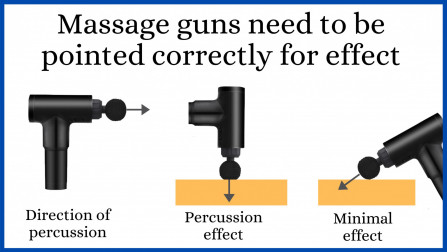
A massage gun is a handheld device shaped a bit like a power drill. It has a handle, a moving head, and usually several different attachments. When you turn it on, the head moves back and forth very fast, pressing into your muscles. Some people call this a percussion massager or percussive therapy device.
Most massage guns are made from lightweight plastic and have a rechargeable battery inside. The key feature is their rapid movement. Instead of slow rubbing, the massage gun gives short, strong pushes into the muscle, many times per second. This is very different from traditional hand massage.
The Science Behind Massage Guns
Massage guns work by using percussive therapy, also called vibration therapy. This means they use quick, repeated pressure to affect your muscles and tissues. The fast movement sends shockwaves through your skin and deep into your muscles. But why does this help?
How Percussive Therapy Affects The Body
- Increases Blood Flow: The tapping action makes blood move faster to the area. More blood brings more oxygen and nutrients, which helps muscles heal and recover.
- Breaks Up Knots: Sometimes, muscles get tight or form “knots.” The strong, quick movements help loosen these tight spots.
- Reduces Soreness: After exercise, your muscles can feel sore. Percussive therapy helps reduce this soreness by moving fluids and breaking down waste products like lactic acid.
- Activates Nerves: The movement also sends signals to your nerves, which can help block pain signals and make you feel better.
Why Vibration And Percussion Matter
The main difference between a massage gun and a simple vibrating device is the depth and speed. Massage guns can push 10-16 millimeters into the muscle at a rate of up to 2,400–3,200 strokes per minute. This is much deeper and faster than typical vibration, making it more effective for larger muscles and serious tightness.
How Does A Massage Gun Actually Work?
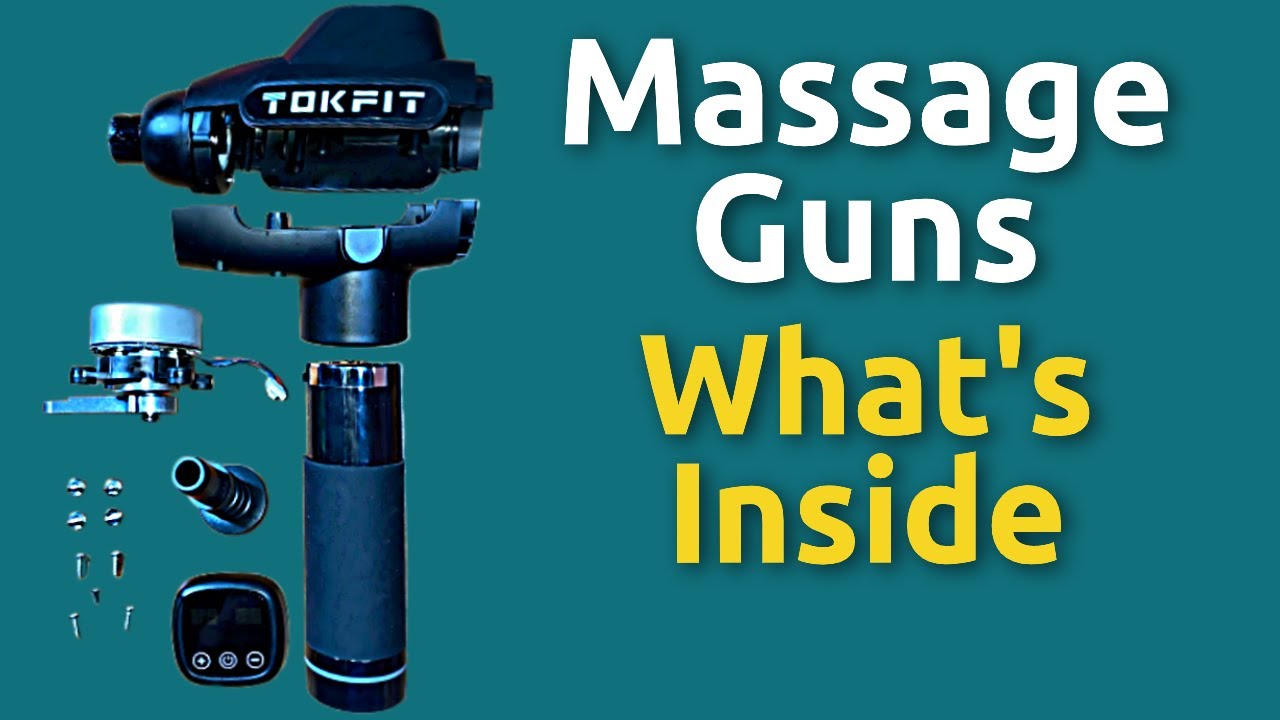
To understand how a massage gun works, you need to look at the parts inside and how they create movement.
Key Parts Of A Massage Gun
- Motor: The heart of the device. It creates the fast back-and-forth movement.
- Cam or Crank Mechanism: This changes the spinning motion from the motor into a “punching” motion.
- Attachment Head: The part that touches your skin. Different heads are shaped for different uses.
- Battery: Usually rechargeable, so you can use the gun without a cord.
- Control Panel: Lets you change speed, force, and sometimes heat or other settings.
Step-by-step: What Happens When You Use A Massage Gun?
- You turn it on and choose a speed.
- The battery sends power to the motor.
- The motor turns a small wheel or crank inside.
- This wheel pushes the attachment head forward, then pulls it back, very quickly.
- The head hits your muscle again and again, sending pulses deep into the tissue.
This cycle repeats hundreds or thousands of times per minute. The result is a strong, deep massage that you control.
Main Features And Settings
Massage guns are not all the same. Modern devices have different features that let you get the most from your massage.
Speed And Intensity
Most massage guns allow you to choose from 3–6 speed settings. The higher the speed, the more times the head strikes your muscle per minute. Some models can go up to 3,200 percussions per minute. Beginners often start with lower speeds and work up as they get used to the feeling.
Stall Force
Stall force is the amount of pressure you can apply before the motor stops. Higher stall force means you can press harder without the gun stopping. Stronger devices have stall forces of 40–60 pounds, while lighter models may stop at 20–30 pounds.
Amplitude
This is how far the head moves in and out. Typical amplitude is 10–16 millimeters. A higher amplitude means the massage goes deeper into the muscle, which is better for big, tight muscles.
Attachment Heads
Most massage guns come with several heads:
- Ball head: Good for large muscles, general use.
- Flat head: For flat areas like the back.
- Bullet head: For deep knots or trigger points.
- Fork head: For areas around the spine or Achilles tendon.
Choosing the right head helps you target the right area and get the best results.
Battery Life
A good massage gun lasts 2–6 hours on one charge, depending on the speed and force you use. Some models have removable batteries, so you can swap them out if needed.
Noise Level
Better models use quiet motors, so you can use them without disturbing others. Cheaper models may be loud, which can be annoying.
Benefits Of Using A Massage Gun
People use massage guns for many reasons, and research shows they can really help.
Muscle Recovery
Athletes and fitness fans use massage guns after workouts to speed up recovery. The increased blood flow and muscle movement help remove waste products and bring fresh nutrients to the area.
Pain Relief
Percussive therapy can help with pain from tight muscles, backaches, or even some chronic problems. The action of the massage gun can block pain signals and help muscles relax.
Flexibility And Range Of Motion
Using a massage gun before stretching or exercise can help muscles warm up and move more easily. This can lower the risk of injury.
Stress Relief
Many people feel relaxed after using a massage gun. The rhythmic movement can lower stress and help you sleep better.
Convenience
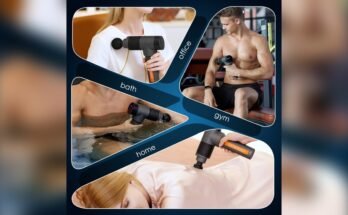
Massage guns are portable and easy to use at home, at the gym, or even at work. You don’t need to book a professional massage.
When Should You Use A Massage Gun?
Massage guns are helpful in many situations, but timing matters.
Before Exercise
A quick session can help “wake up” your muscles and get blood flowing. This can make your workout safer and more effective.
After Exercise
Using the massage gun within 2 hours after exercise helps reduce soreness and speed up recovery. Focus on the muscles you used the most.
When You Feel Tight Or Sore
If you feel a knot or tight spot, a short massage session can help loosen it. But avoid using it on injuries unless your doctor says it’s okay.
During Breaks
If you sit or stand for long periods, a massage gun can help prevent stiffness. Just a few minutes every couple of hours can make a big difference.
How To Use A Massage Gun Safely
Massage guns are powerful, but you must use them correctly to avoid problems.
Step-by-step Guide
- Charge the device fully before use.
- Choose the right head for your muscle group.
- Turn on the massage gun and pick a low speed.
- Start with gentle pressure. Let the gun float over your skin.
- Move slowly across the muscle (about 1 inch per second).
- Avoid bony areas and joints.
- Spend 15–60 seconds on each muscle group.
- Increase speed or pressure if comfortable, but never use pain as a guide.
- Turn off the gun before changing heads or moving to another area.
Common Mistakes To Avoid
- Using too much pressure: More force isn’t always better.
- Staying too long in one spot: This can cause bruising or irritation.
- Using on injuries: Avoid using the gun on sprains, broken bones, or swollen areas.
- Ignoring the instructions: Each device is different—always read the manual.
Who Should Not Use A Massage Gun?
Some people should be careful or avoid massage guns:
- Pregnant women (unless a doctor approves)
- People with blood clotting disorders or on blood thinners
- Anyone with nerve damage or severe diabetes
- People with skin infections, open wounds, or recent surgeries
If you’re not sure, talk to a healthcare professional first.
How Massage Guns Compare To Other Methods
You may wonder if a massage gun is better than traditional massage, foam rolling, or other self-care tools. Here’s a quick comparison:
| Method | Depth | Ease of Use | Best For |
|---|---|---|---|
| Massage Gun | Deep (10-16 mm) | Very easy | Quick relief, large muscles, knots |
| Foam Roller | Medium (5-8 mm) | Some skill needed | General muscle release, warmup |
| Hand Massage | Variable | Needs therapist | Personalized care, small muscles |
| Vibrating Pad | Shallow (2-4 mm) | Easy | Surface relaxation, sensitive areas |
Massage guns are often the best choice for deep, quick muscle relief, especially for athletes or people with tight muscles.
Real-world Examples And Data
Massage guns are not just a trend. Recent studies and user reports support their benefits.
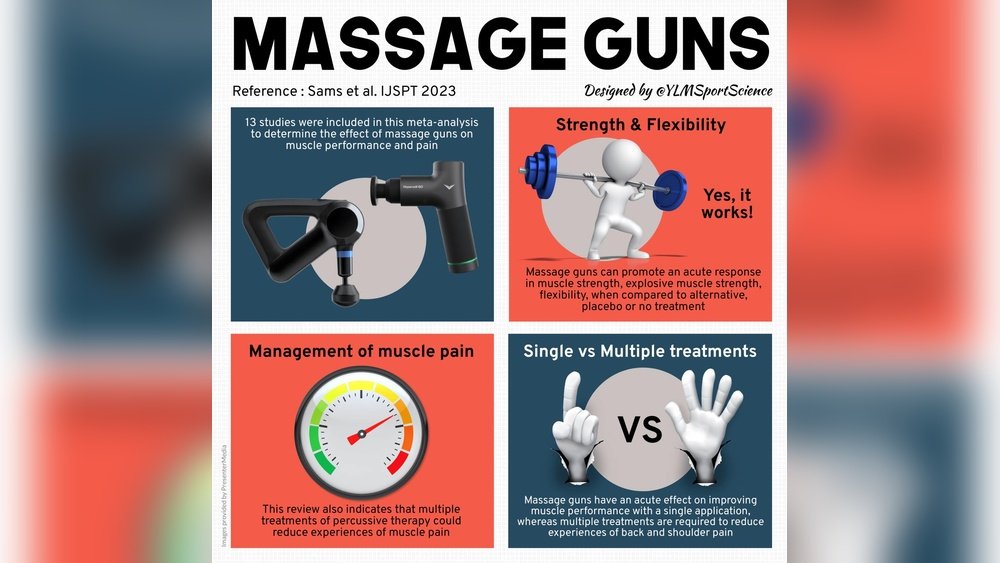
- A 2020 study in the Journal of Clinical Medicine found that percussive therapy can reduce muscle soreness and improve range of motion after exercise.
- Top sports teams, like those in the NBA and NFL, use massage guns for player recovery.
- Surveys show that 85% of regular users report less muscle pain and faster recovery when using a massage gun versus other methods.
Here is a comparison of average user satisfaction between massage guns and other recovery tools:
| Device | User Satisfaction (1-10) | Reported Pain Reduction (%) |
|---|---|---|
| Massage Gun | 9.1 | 78% |
| Foam Roller | 7.5 | 62% |
| Massage Ball | 7.0 | 58% |
| Manual Massage | 8.0 | 70% |
These numbers show that most users find massage guns highly effective, especially when used regularly and properly.
Advanced Features In Modern Massage Guns
Today’s massage guns come with features that make them even more useful:
- Smart sensors: Some models adjust speed and force automatically based on how hard you press.
- App control: A few devices connect to your phone, giving you guided routines and reminders.
- Heat therapy: Certain massage guns add heat, which helps relax muscles even more.
- Multiple batteries: For pros or therapists, swapping batteries lets you use the device all day.
- Travel cases: Make it easy to carry and protect your massage gun.
These features are useful but not always necessary. The most important thing is a strong motor, good battery, and comfortable design.
What Beginners Often Miss
Many new users make mistakes or miss important details when starting with a massage gun:
- Not warming up the area: Using the gun on cold, tight muscles can be uncomfortable. Try light stretching or a warm towel first.
- Ignoring smaller muscles: Most people focus only on big muscles like the thighs or back, but smaller muscles (like forearms or calves) benefit too.
- Using the wrong attachment: The right head makes a big difference in comfort and results. For example, use the bullet head for knots, not the ball head.
- Not cleaning attachments: Sweat and skin oils build up on the heads. Clean them after every use to avoid skin irritation or infection.
Paying attention to these details can help you get the most from your device.
How To Choose The Right Massage Gun
With many brands and models, picking the right massage gun can be confusing. Here’s what to look for:
What Matters Most
- Motor strength: Look for a device with at least 30 lbs stall force.
- Battery life: At least 2 hours of use per charge is good.
- Amplitude: 10–16 mm is best for deep massage.
- Noise level: Under 60 decibels is comfortable for home use.
- Attachments: At least 3-4 heads for different needs.
- Weight and grip: Make sure you can hold it easily.
Common Buyer Mistakes
- Choosing based on price alone: Cheap massage guns often have weak motors and short battery life.
- Ignoring weight: Heavy devices can be hard to use on yourself.
- Buying without a warranty: Good brands offer at least a 1-year warranty.
If you need more detailed comparisons or reviews, websites like Consumer Reports offer trusted advice.
Practical Tips For Getting The Most Out Of Your Massage Gun
- Start slow: Begin with the lowest speed and work up as you get used to the feeling.
- Stay relaxed: Keep your muscles loose during use for best results.
- Hydrate: Drink water before and after to help flush toxins from your muscles.
- Use regularly: A few minutes every day is better than one long session once a week.
- Track your results: Note which settings and heads work best for you.
By following these tips, you’ll notice better recovery, less pain, and more flexibility over time.
Frequently Asked Questions
How Long Should I Use A Massage Gun On Each Muscle?
Most experts recommend 15–60 seconds per muscle group. For larger muscles like the thighs or back, up to 2 minutes can be safe. Avoid pressing too long in one spot to prevent irritation.
Can I Use A Massage Gun Every Day?
Yes, daily use is usually safe for healthy people. But always listen to your body. If you feel pain or notice bruising, take a break.
Are Massage Guns Safe For Everyone?
Massage guns are safe for most people, but not for everyone. Avoid use if you have blood clots, open wounds, or nerve damage. Pregnant women and people with certain health conditions should ask a doctor first.
Can A Massage Gun Help With Back Pain?
Massage guns can help with muscular back pain, especially from tightness or knots. Avoid using it directly on the spine or if you have a slipped disc or serious injury.
What Is The Difference Between A Massage Gun And A Foam Roller?
A massage gun uses deep, rapid pulses for targeted relief, while a foam roller works by rolling pressure over larger areas. Massage guns are better for deep knots and quick sessions; foam rollers are good for warm-ups and general muscle release.
A massage gun is a powerful tool for muscle care, recovery, and relaxation. By understanding how it works and using it the right way, you can enjoy less pain, faster recovery, and a more active life. Always use your massage gun safely, choose the right model for your needs, and enjoy the benefits of modern muscle therapy.