Stepping into an ice bath tub might look simple—just add cold water and ice, then sit down. But behind this basic idea is a smart process that makes ice baths powerful for recovery, health, and even mental strength. Whether you’re a professional athlete, a weekend runner, or just curious about cold therapy, understanding how an ice bath tub works can help you use it safely and get the most benefits.
This article explores the science, design, and practical use of ice bath tubs. You’ll learn what really happens to your body, the features that matter, and how to use them correctly. Even if you’ve never tried cold plunges before, you’ll discover insights that go far beyond “just get cold.
”
What Is An Ice Bath Tub?
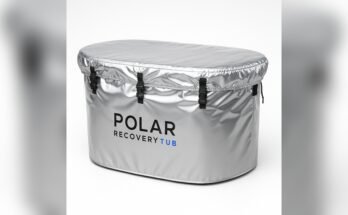
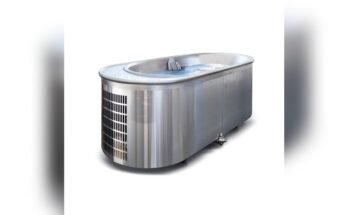
An ice bath tub is a specially designed container for full-body or partial immersion in cold water, often mixed with ice. Unlike a regular bathtub, an ice bath tub is built to make cold therapy easier, cleaner, and more effective. Some are simple, portable tubs made from durable plastic or rubber. Others are advanced, with built-in cooling systems, temperature controls, and even filtration.
The main goal of using an ice bath tub is to lower your body temperature quickly and safely. This activates several biological responses, which can help with muscle recovery, reduce inflammation, and support overall wellness. Ice bath tubs are popular with athletes, fitness fans, and people interested in wellness trends like contrast therapy or the Wim Hof Method.
The Science Behind Ice Baths
When you plunge into an ice bath, your body reacts instantly. Understanding these reactions explains why ice baths are more than just a cold shock.
Cold Exposure And The Human Body
When your skin touches cold water (usually below 15°C or 59°F), your blood vessels narrow—a process called vasoconstriction. This reduces blood flow to your arms and legs, helping prevent heat loss. Your heart rate may rise, breathing gets faster, and your body releases hormones like norepinephrine, which wakes you up and increases alertness.
Muscle Recovery And Inflammation
After intense exercise, tiny tears and swelling can happen in your muscles. The cold water in an ice bath helps slow down metabolic activity and reduces swelling. When you get out, your blood vessels expand again (vasodilation), which helps flush away waste products and brings fresh nutrients to your muscles. This is why athletes often use ice baths after heavy workouts or competitions.
Pain Relief And Nervous System Effects
Cold water can numb nerve endings in your skin and muscles, giving quick pain relief. It also triggers the release of endorphins—your body’s natural painkillers—which can improve your mood and help with sleep.
Hormonal And Immune System Changes
Research shows regular cold exposure can increase levels of brown fat, which helps your body burn calories to stay warm. Some studies even suggest that ice baths may boost your immune system. For example, a 2016 study found that people who took cold showers were 29% less likely to call in sick for work.
Key Parts Of An Ice Bath Tub
Not all ice bath tubs are the same. Their design can affect comfort, safety, and how well they work. Here are the main features you’ll find in modern ice bath tubs:
Material
- Plastic or Vinyl: Lightweight, affordable, and portable. Good for home or travel.
- Fiberglass: Stronger and more durable. Holds temperature well.
- Stainless Steel: Used in high-end tubs. Easy to clean and keeps water cold for longer.
- Insulated Walls: Some tubs have thick insulation to keep water cold and reduce the need for extra ice.
Size And Shape
- Single-Person Tubs: Compact, designed for one person to sit with legs bent or straight.
- Full-Body Tubs: Deeper, allowing full submersion up to your neck.
- Inflatable Tubs: Easy to store and set up. Popular for people with limited space.
- Group Tubs: Large enough for multiple users, common in sports facilities.
Cooling System
- Manual (Ice + Water): Add your own ice and cold water. Cheapest but needs more effort.
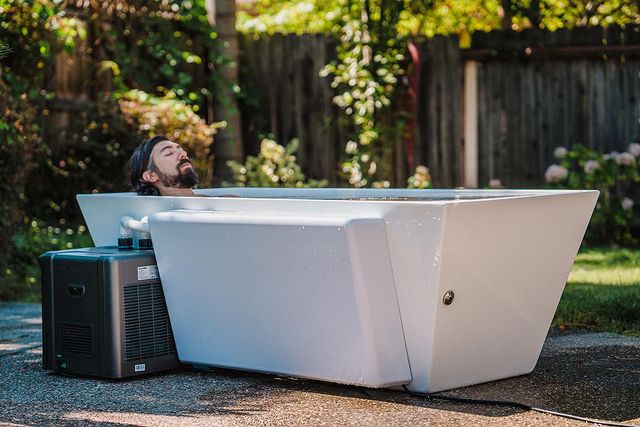
- Built-in Chiller: Advanced tubs have electric cooling units. Set your desired temperature, and the tub keeps it steady.
- Filtration and Ozone: Some tubs have filters or ozone systems to keep water clean without constant draining.
Drainage And Cleaning
Most ice bath tubs have a drain valve for easy emptying. Some are designed with smooth, non-porous surfaces so they don’t hold bacteria or odors. This is important for hygiene, especially if the tub is used often or shared.
Portability
Portable tubs are popular because you can move them indoors or outdoors, fill and empty them quickly, and store them away when not in use.
Accessories
- Lids or Covers: Help keep debris out and reduce ice melting.
- Steps or Ladders: For safer entry and exit.
- Thermometers: To monitor water temperature.
- Seats or Mats: For extra comfort.
How An Ice Bath Tub Works: Step By Step
It’s easy to think “just add ice,” but using an ice bath tub properly involves several steps.
1. Filling The Tub
You start by filling the tub with cold water, usually from a hose or tap. For home tubs, the water is often at room temperature (about 20°C or 68°F).
2. Adding Ice
Next, you add ice to bring the temperature down. The target is usually between 10°C and 15°C (50°F to 59°F). For a standard tub (about 100–150 liters or 26–40 gallons), you may need 10–20 kg (22–44 lbs) of ice, depending on the starting water temperature and room conditions.
3. Mixing And Measuring
Stir the water to mix the ice evenly. Use a thermometer to check the temperature. Some people like it colder, but most research shows that 10–15°C is effective and safer for most users.
4. Getting In
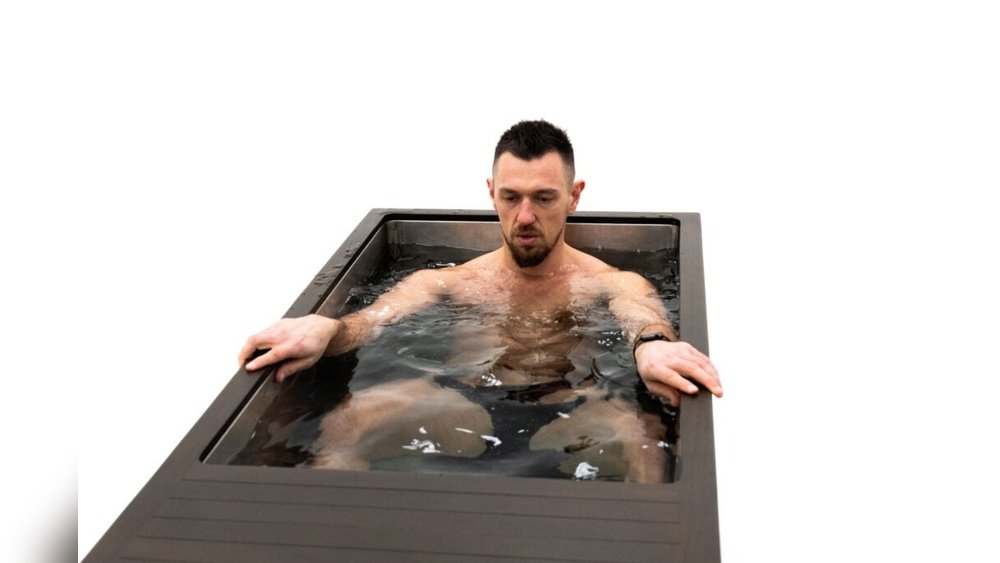
Step in slowly. Your body will feel the shock, especially your legs and feet. Sit down and gradually submerge yourself. Most people stay in for 5–15 minutes. Beginners should start with shorter times (2–5 minutes) and increase as they get used to the cold.
5. The Cold Shock Response
As you enter, your breathing will speed up. This is normal. Focus on slow, deep breaths to stay calm. Your skin may tingle, and your body will shiver as it tries to stay warm.
6. After The Bath
When you finish, get out slowly—your muscles may feel a bit numb. Dry off and warm up with a towel, warm drink, or gentle movement. Do not jump straight into a hot shower, as this can cause dizziness.
Example: How Much Ice Do You Need?
Here’s a quick reference for ice amounts:
| Water Volume | Starting Temp | Target Temp | Ice Needed |
|---|---|---|---|
| 100 L (26 gal) | 20°C (68°F) | 12°C (54°F) | 10 kg (22 lbs) |
| 150 L (40 gal) | 22°C (72°F) | 10°C (50°F) | 18 kg (40 lbs) |
| 200 L (53 gal) | 24°C (75°F) | 10°C (50°F) | 25 kg (55 lbs) |
Types Of Ice Bath Tubs
Choosing the right ice bath tub depends on your space, budget, and how often you’ll use it. Here are common types you’ll see:
1. Basic Inflatable Tubs
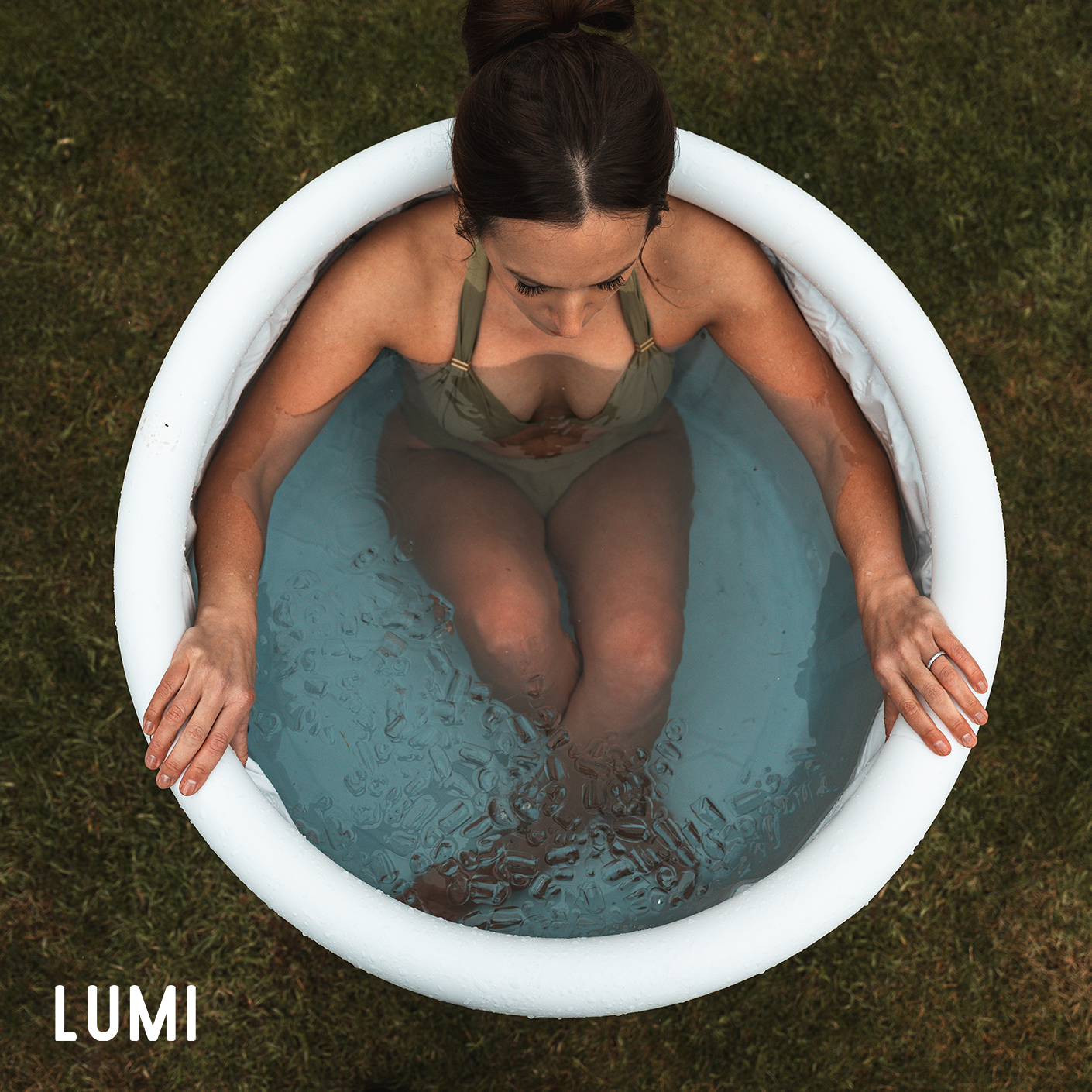
These are affordable and portable. They inflate like a small pool, hold 1 person, and are easy to fill and drain. Great for beginners or small spaces.
2. Rigid Plastic Tubs
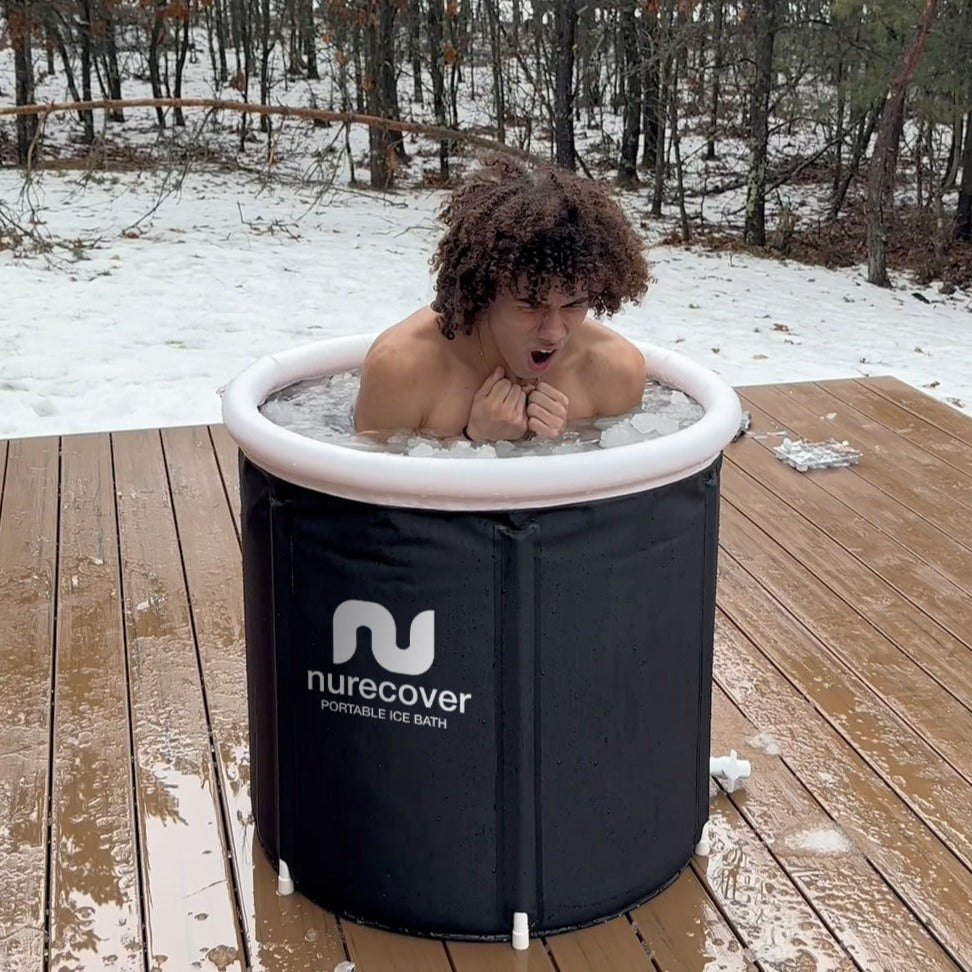
Stronger than inflatables, these are made from tough plastic. They can hold more water, keep their shape, and last longer. Some are designed for indoor or outdoor use.
3. Professional-grade Tubs
Often found in gyms or sports centers, these are large, insulated, and may fit 2–4 people. They’re made from fiberglass or stainless steel and can be quite expensive.
4. Electric Chiller Tubs
These are the most advanced. They have built-in chillers that keep water at a set temperature—no need to buy ice. Some have Wi-Fi controls, ozone cleaning, and digital thermometers.
5. Diy And Repurposed Tubs
Some people use old bathtubs, horse troughs, or large coolers as budget-friendly ice bath tubs. These work but may not be as comfortable or efficient.
Comparing Ice Bath Tub Types
Here’s a comparison of key features:
| Type | Price Range | Portability | Durability | Temperature Control |
|---|---|---|---|---|
| Inflatable | $50–$200 | High | Low–Medium | Manual (Ice) |
| Plastic | $100–$500 | Medium | Medium–High | Manual (Ice) |
| Professional | $800–$5000 | Low | High | Manual or Electric |
| Electric Chiller | $1000–$6000 | Medium | High | Automatic |
| DIY | $0–$100 | Medium | Low–Medium | Manual (Ice) |
Benefits Of Using An Ice Bath Tub
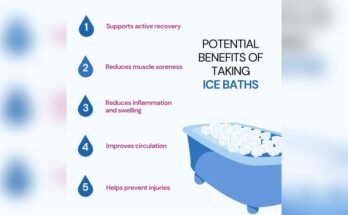
The popularity of ice bath tubs has grown because the benefits are real and supported by science. Here are some of the main advantages:
Faster Muscle Recovery
After intense exercise, ice baths help reduce muscle soreness and speed up recovery. This is why professional athletes use them after games, races, or hard training sessions.
Reduced Inflammation
Cold water limits swelling and controls inflammation by narrowing blood vessels. This can help with sprains, strains, or overuse injuries.
Pain Relief
The numbing effect of cold water offers fast pain relief, especially for sore muscles or joints.
Improved Circulation
When you leave the ice bath and warm up, your blood vessels open wide. This increased blood flow helps flush out waste and deliver nutrients.
Mental Toughness
Regular cold exposure builds mental resilience. Sitting in icy water is uncomfortable, so learning to stay calm can improve your stress response in daily life.
Better Sleep
Some users report deeper, more restful sleep after ice baths, likely because of the calming effect on the nervous system.
Possible Immune Boost
Early research suggests cold therapy may strengthen the immune system, making you more resistant to illness.
Calorie Burning
Cold exposure activates brown fat, which burns calories to generate heat. While this effect is small, it’s a bonus for people looking to boost metabolism.
Risks And Safety Tips
Ice baths are powerful, but they’re not for everyone. Here’s how to stay safe:
Who Should Avoid Ice Baths?
- People with heart conditions: The cold can stress your heart.
- Those with high blood pressure: Cold water can raise blood pressure.
- Anyone with Raynaud’s disease or circulation problems.
- If you’re pregnant or have a chronic illness, always ask your doctor first.
How To Use An Ice Bath Tub Safely
- Start Slow: Begin with short exposures (2–5 minutes). Increase time as you get used to the cold.
- Check Temperature: Stay in the safe range (10–15°C). Never go below 8°C (46°F) without medical advice.
- Don’t Go Alone: Especially if you’re new, have someone nearby in case you feel dizzy.
- Warm Up After: Dry off and warm up gently. Do not jump into a hot shower, which can cause your blood pressure to drop suddenly.
- Avoid Alcohol: Don’t use ice baths after drinking—your body may not handle the cold as well.
Signs To Exit The Bath
Leave the ice bath if you feel:
- Numbness or tingling that won’t go away
- Confusion or dizziness
- Chest pain or trouble breathing
Common Mistakes Beginners Make
- Adding too much ice, making the water dangerously cold
- Staying in too long (over 20 minutes)
- Not mixing the water, leading to uneven temperatures
- Skipping the thermometer—guessing is risky
How To Clean And Maintain Your Ice Bath Tub
Keeping your ice bath tub clean is essential for hygiene and long life.
Basic Cleaning Steps
- Drain water after each use, unless your tub has a filter.
- Rinse with clean water to remove sweat, dirt, and bacteria.
- Use mild soap or a non-toxic disinfectant weekly.
- Wipe dry to prevent mold or mildew.
For Electric And High-end Tubs
- Follow the manufacturer’s cleaning guide.
- Change filters as needed.
- Use ozone or UV systems if your tub has them.
Example Cleaning Schedule
| Task | Frequency | Details |
|---|---|---|
| Drain & Rinse | Every Use | Remove all water, rinse interior surfaces |
| Deep Clean | Weekly | Use mild soap or disinfectant, scrub surfaces |
| Filter Change | Monthly | Replace or clean filter, check for debris |
| Inspect Seals | Monthly | Check for leaks or cracks |
Non-obvious Insights For Better Results
Many beginners miss these important details:
- Water Movement Matters: Still water can form “hot” and “cold” spots. Stir the water before you get in and halfway through your bath to keep the temperature even.
- Timing After Exercise: The best time for an ice bath is within 30 minutes of finishing exercise. Waiting too long can reduce the recovery effect.
- Contrast Therapy: Some athletes alternate between ice baths and hot tubs. This boosts circulation even more, but you must be careful—switch slowly to avoid shocking your body.
- Temperature Drops Fast: If you add ice to warm tap water, the temperature can drop quickly in the first 5 minutes, then slow down. Always check temperature before and after adding ice.
- Breathing Techniques: Using controlled breathing (like the Wim Hof Method) can make cold exposure easier and more comfortable.
Real-world Example: Ice Bath Use In Sports
Elite sports teams use ice bath tubs as part of their recovery routine. For example, after a soccer match, players may take 10-minute ice baths at 12°C to reduce muscle soreness. In the NBA, athletes use high-tech tubs with built-in chillers and massage jets.
Even many CrossFit gyms now offer portable ice bath tubs for members.
Alternatives To Ice Bath Tubs
If you don’t have an ice bath tub, there are other ways to get the benefits of cold therapy:
- Cold Showers: Easier to do at home but less intense.
- Cold Packs: For small injuries.
- Outdoor Water: Lakes or rivers are natural options, but check for safety and cleanliness.
- Cryotherapy Chambers: Use cold air, not water, to cool the body quickly. These are expensive but popular in some clinics.
Frequently Asked Questions
What Is The Ideal Temperature For An Ice Bath Tub?
The best temperature is 10–15°C (50–59°F). This range is safe for most people and supported by research for muscle recovery. Colder water can be dangerous without experience or medical advice.
How Long Should I Stay In An Ice Bath Tub?
Most people stay in 5–15 minutes. Beginners should start with 2–5 minutes and increase slowly. Never go over 20 minutes, as this increases risk of hypothermia or nerve damage.
How Much Ice Do I Need For My Ice Bath Tub?
For a standard home tub (100–150 liters), you’ll need 10–20 kg (22–44 lbs) of ice to reach the target temperature, depending on the starting water temperature and air temperature.
Are Ice Bath Tubs Safe For Everyone?
No. People with heart conditions, high blood pressure, circulation problems, or pregnancy should avoid ice baths or consult a doctor first. Always start slow and listen to your body.
Where Can I Find More Research On Ice Baths?
A good resource is the Wikipedia page on Cold Water Immersion, which lists scientific studies and references for further reading.
Ice bath tubs are much more than a trend—they are a proven tool for recovery, pain relief, and mental toughness. Understanding how an ice bath tub works helps you stay safe and get the most out of every session. From the science of cold exposure to the practical steps of filling, using, and cleaning your tub, every detail matters.
If you’re ready to try ice baths, start slow, respect your limits, and enjoy the unique power of cold therapy. With the right knowledge and a quality tub, you’ll unlock benefits that go far beyond just feeling cold.