Have you ever wondered how fast a walking pad can really go? Whether you want to boost your daily steps or sneak in some exercise while working, knowing the speed limits can help you make the most of your device.
You might be surprised by what these compact machines can do. Keep reading to discover how fast your walking pad can take you—and how that speed can fit perfectly into your lifestyle.
Walking Pad Basics
Understanding the basics of a walking pad helps you use it well. These devices blend technology with exercise. They allow walking indoors without taking much space. Knowing how they work and their common uses gives you a clearer view.
What Is A Walking Pad?
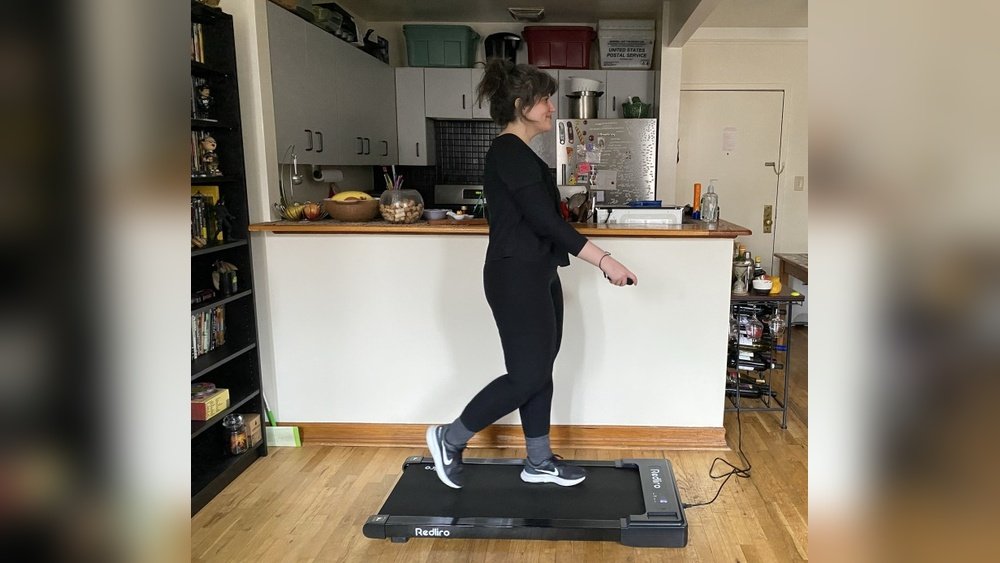
A walking pad is a small treadmill. It fits under your desk or in tight spaces. It lets you walk slowly while working or resting. The speed is lower than regular treadmills. It focuses on light exercise and movement.
Most walking pads fold easily for storage. They have simple controls for speed and start/stop. The belt is shorter and narrower than big treadmills. This makes them great for home or office use.
Common Uses
People use walking pads to stay active indoors. They help reduce sitting time during work hours. Many use them to improve health with light exercise. Some walk on them while watching TV or reading.
They are also popular for small apartments. The compact size fits places where full treadmills won’t. Walking pads support gentle movement without needing a gym.
Speed Range Of Walking Pads
Walking pads offer a range of speeds to fit different fitness levels and needs. They are designed to help users walk comfortably indoors. Understanding their speed range helps choose the right model. Speeds vary from slow walking to brisk walking paces. This section explains the minimum and maximum speeds of walking pads.
Minimum Speeds
Most walking pads start at a slow speed for warm-ups or light walking. The minimum speed usually ranges from 0.5 to 1 mile per hour. This pace suits beginners or those who prefer gentle exercise. Slow speeds allow users to focus on balance and posture. It is perfect for office workers who want to stay active without rushing.
Maximum Speeds
Walking pads can reach speeds up to 4 miles per hour. This speed supports fast walking or light jogging. It fits users aiming for more intense workouts. Some advanced models may go slightly faster. However, walking pads are not built for running. The maximum speed ensures safety and stable footing during use.
Factors Affecting Speed
The speed of a walking pad depends on several key factors. These elements work together to set the pace you can achieve. Understanding them helps you choose the right walking pad for your needs.
Each factor affects speed in different ways. Knowing these can improve your walking experience and safety.
Motor Power
The motor power controls how fast the walking pad can move. Stronger motors support higher speeds. Low-power motors usually limit the top speed. A motor with more watts can maintain speed even under load.
User Weight
Heavier users may notice slower speeds. The walking pad has to work harder to move more weight. This can reduce the maximum speed achievable. Staying within the weight limit helps maintain good speed.
Surface Type
The surface under the walking pad affects speed too. Smooth, hard floors allow faster movement. Carpet or uneven surfaces create more resistance. This can slow down the walking pad’s belt speed.
Top Walking Pads By Speed
Walking pads offer a convenient way to stay active indoors. Their speed varies by model and design. Choosing the right walking pad depends on your speed needs and budget. Here is a look at some top walking pads by speed.
High-speed Models
High-speed walking pads reach speeds up to 6 km/h or more. These models suit users who want a brisk walk or light jog. They often feature strong motors and stable frames. Brands like XREXS and WalkingPad offer popular high-speed options. These pads can handle longer sessions and more intense workouts.
High-speed pads sometimes include extra features. These include remote controls and digital displays. Such extras make tracking your speed and time easier. They tend to cost more but offer better performance.
Budget Options
Budget walking pads usually max out around 3 to 4 km/h. These are perfect for casual walkers and light exercise. They use smaller motors and simpler designs. Brands like Goplus and UREVO offer affordable models with decent speed.
Budget pads focus on portability and ease of use. They often fold easily and weigh less. These pads suit people who want basic walking without extra features. They provide good value for light daily movement.
Safety Tips For High Speeds
Using a walking pad at high speeds can be exciting but also risky. Safety matters most to avoid falls or injuries. Following simple tips helps keep you safe and comfortable.
Proper Footwear
Wear shoes with good grip and support. Avoid slippery soles or loose shoes. Proper footwear helps prevent slips on the walking pad. Choose lightweight shoes for better movement.
Maintaining Balance
Keep your eyes forward, not down. Stand straight and relax your body. Use handrails if the pad has them. Avoid sudden moves or sharp turns to stay steady. Practicing balance helps you stay safe at high speeds.

Speed Settings And Controls
Speed settings and controls define how you use a walking pad. They affect your comfort and safety. Knowing how these controls work helps you get the best experience. Some walking pads have simple controls, while others offer more features. The type of control can change how easy it is to adjust your speed.
Manual Vs. Automatic
Manual speed controls need you to change speed by pressing buttons. You decide when to speed up or slow down. This method gives you direct control over your pace. Automatic speed controls adjust speed based on your walking rhythm. The machine senses your movement and changes speed smoothly. This option feels natural and can be easier for beginners.
Remote Features
Many walking pads come with remote controls. Remotes let you change speed without stopping your walk. You can quickly increase or decrease speed from a distance. Some remotes show speed and time on a small screen. This feature helps you track your workout easily. Remote controls add convenience and improve user experience.
Comparing Walking Pads And Treadmills
Walking pads and treadmills offer different experiences for walking and light exercise. Both machines have unique features that suit various needs. Understanding these differences helps choose the right equipment for your space and fitness goals.
Speed Differences
Walking pads usually have lower top speeds than treadmills. Most walking pads reach speeds around 3 to 4 miles per hour. Treadmills often go faster, up to 10 miles per hour or more. This makes treadmills better for running or faster walking. Walking pads focus mainly on walking at a steady pace.
Portability
Walking pads are compact and lightweight. They fold easily and fit under a desk or bed. This makes them easy to move and store. Treadmills are larger and heavier. They need more space and are harder to move around. Walking pads work well in small homes or offices.

Frequently Asked Questions
How Fast Can A Walking Pad Typically Go?
Most walking pads reach speeds between 0. 5 to 6 mph. This range suits walking and light jogging. Higher-end models may offer faster speeds. They prioritize safety and comfort over sprinting capabilities.
Can Walking Pads Support Running Speeds?
Walking pads are mainly designed for walking. Some models allow light jogging up to 6 mph. Running at high speeds is not recommended due to limited cushioning and stability.
What Factors Affect A Walking Pad’s Speed?
Motor power, belt size, and device design impact speed. Stronger motors enable higher speeds. Compact belts limit stride length, affecting speed capacity.
Is Speed Adjustable On All Walking Pads?
Yes, most walking pads feature adjustable speed settings. Users can increase or decrease speed easily via controls. This customization enhances user experience and safety.
Conclusion
Walking pads usually move between 2 to 4 miles per hour. This speed is good for light exercise and staying active indoors. They help users walk comfortably without rushing. Safety and control are important for these devices. Choosing the right speed depends on your fitness level and goals.
Walking pads are great for daily movement and health. They fit well in small spaces and busy homes. Keep your pace steady for the best results. Simple and easy to use, walking pads suit many people.