Stepping into an ice bath can be a powerful way to recover, boost your mental strength, or just test your limits. But the question always comes up: How long should you stay in an ice bath? Too short, and you might not get the benefits. Too long, and you risk real harm. There’s a lot of advice out there, much of it confusing. Here, we’ll break down the science, expert opinions, and real-world advice so you can make the best choice for your body and goals.
Why People Use Ice Baths
Ice baths have become popular with athletes, fitness fans, and even people looking to improve mental health. The main reason is recovery. Cold exposure reduces muscle soreness, limits inflammation, and can speed up healing after tough workouts. Some people also use ice baths to help with mood, sleep, or just to push their comfort zone.
The basic idea is that cold water, usually between 10°C and 15°C (50°F to 59°F), causes your blood vessels to narrow. This helps reduce swelling and flush out waste products. After you get out, your vessels open again, which brings oxygen and nutrients to your muscles.
The Science Behind Ice Bath Timing
You might hear stories of athletes sitting in ice baths for 20, 30, or even 40 minutes. But more time is not always better. Research shows most benefits happen within a short window, and staying in too long can be dangerous.
A review in the *Journal of Strength and Conditioning Research* found that the ideal ice bath time for recovery is 10 to 15 minutes at 10–15°C. This window maximizes benefits and keeps risks low. Longer stays can cause numbness, skin damage, or even hypothermia.
Some studies suggest that even 5 to 10 minutes can be enough for beginners or those just seeking a boost in well-being. The key is to balance safety with results.
Factors That Affect How Long You Should Stay
There’s no single answer that works for everyone. How long you should stay depends on your goals, experience, and body.
1. Your Goal
- Muscle recovery: 10–15 minutes at 10–15°C is standard.
- Mood boost or mental resilience: 2–5 minutes can be enough, especially if the water is very cold.
- Reducing joint pain or swelling: 5–10 minutes is common.
2. Water Temperature
Colder water means you should stay in for less time. For example, 5°C (41°F) water is much harsher than 15°C (59°F).
3. Your Experience
First-timers should start with shorter sessions—even just 1–2 minutes. With practice, you can slowly add more time.
4. Body Fat And Size
People with lower body fat often feel the cold faster and may need to cut their session short. Larger people or those with more fat might handle cold longer but still need to be careful.
5. Health Conditions
If you have heart, blood pressure, or nerve issues, talk to a doctor before trying ice baths. These conditions can make cold exposure risky.
Typical Ice Bath Durations: What Experts Suggest
To see how advice varies, here’s a comparison of ice bath guidelines from top sources:
| Source | Recommended Time | Temperature |
|---|---|---|
| American College of Sports Medicine | 10–15 minutes | 10–15°C (50–59°F) |
| Wim Hof Method | 2–5 minutes (start slow) | As cold as possible |
| NSCA (Strength & Conditioning) | 5–15 minutes | 10–15°C (50–59°F) |
| British Journal of Sports Medicine | 10–15 minutes | 10–15°C (50–59°F) |
Most experts agree: 10–15 minutes is enough for muscle recovery. For other goals or very cold water, shorter sessions are best.
Safe Ice Bath Protocol: Step-by-step
If you want to try an ice bath, here’s how to do it safely:
- Prepare the bath: Fill your tub with cold water first, then add ice. Aim for 10–15°C (50–59°F). Use a thermometer.
- Set a timer: Never guess the time. Use a phone or clock.
- Get in slowly: Sit down gently. Your body will react strongly at first—this is normal.
- Focus on your breath: Take slow, deep breaths to help your body adjust.
- Start with short sessions: 1–2 minutes is fine for your first time.
- Increase time gradually: Add 1–2 minutes each session, but don’t go over 15 minutes.
- Have a support person: If you feel dizzy, weak, or numb, get out right away.
- Warm up after: Dry off, put on warm clothes, and move around to get your blood flowing.
Risks Of Staying Too Long In An Ice Bath
Ice baths are safe when done right, but there are real risks if you overdo it. The main dangers:
- Hypothermia: Your core temperature drops dangerously low. Signs include shivering, confusion, and weak pulse.
- Nerve damage: Very long exposure can hurt nerves or skin.
- Heart stress: Cold can trigger heart problems, especially in those with existing risks.
- Frostbite: Rare, but possible if ice touches skin directly or you stay in for too long.
To avoid these, always stick to recommended times and listen to your body. If you start to feel numb, dizzy, or can’t stop shivering, get out immediately.
How To Find Your Perfect Ice Bath Time
The best ice bath session is personal. Here’s how to discover what works for you:
Start Small And Build Up
Your body adapts to cold over time. Begin with 1–2 minutes in 10–15°C water. If you feel fine, add 1 minute next time.
Track Your Reactions
Notice how you feel during and after each bath. Are you more energized? Less sore? Or too cold and tired? Write it down.
Adjust For Your Activity
Heavy training may call for longer baths (up to 15 minutes), but for simple mood or health benefits, 2–5 minutes is enough.
Watch For Warning Signs
If you can’t control your breath, feel dizzy, or lose feeling in your limbs, cut your session short. Safety first.
Example Progression Plan
Here’s a simple week-by-week plan for a beginner:
| Week | Session Length | Notes |
|---|---|---|
| 1 | 1–2 minutes | Get used to the cold; focus on breathing |
| 2 | 3–4 minutes | Add time if you feel comfortable |
| 3 | 5–6 minutes | Notice recovery or mood changes |
| 4+ | Up to 10–15 minutes | Never go beyond 15 minutes |
This gradual plan helps you build confidence and stay safe.
Comparing Ice Baths To Other Cold Recovery Methods
Ice baths aren’t the only way to use cold for recovery. Here’s a quick look at how they compare:
| Method | Time Needed | Intensity | Best For |
|---|---|---|---|
| Ice Bath | 5–15 min | High | Deep muscle recovery, resilience training |
| Cold Shower | 2–5 min | Medium | Quick refresh, mood boost |
| Cryotherapy Chamber | 2–3 min | Very High | Elite sports, advanced users |
| Ice Pack | 10–20 min | Low | Targeted pain relief |
Ice baths are more intense than cold showers but less extreme than cryotherapy. Each method has its place, but for full-body recovery, ice baths are a top choice.
Advanced Tips For Safe And Effective Ice Baths
Anyone can fill a tub with ice and water, but a few extra tips can help you get more from your session.
Use A Thermometer
Guessing water temperature leads to mistakes. Use a water thermometer to check the exact number. Small changes in temperature make a big difference in how long you should stay.
Cover Hands And Feet
Your extremities lose heat fastest. Wearing neoprene gloves or socks can help you stay comfortable and avoid numbness.
Keep Your Core Safe
If you’re new or have health risks, keep your chest above water. Lowering your core temperature too quickly is dangerous.
Try Contrast Baths
Some athletes move between cold and warm water (contrast baths). For example, 3 minutes in cold, then 3 minutes in warm, repeated for 3 cycles. This can boost blood flow and reduce soreness.
Hydrate Before And After
Cold water makes you lose fluids. Drink water before and after your session to avoid dehydration.
Listen To Your Body
If you ever feel panic, confusion, or extreme cold, get out immediately. These are signs you’ve gone too far.
Common Mistakes In Ice Bath Timing
Many beginners make the same errors. Here’s how to avoid them:
- Staying in too long: Thinking “more is better” is a recipe for trouble. Stick to 10–15 minutes max.
- Water too cold: Below 10°C (50°F) is risky, especially for longer sessions.
- Jumping in unprepared: Not having a timer, support person, or warm clothes ready.
- Ignoring warning signs: Numbness, shivering, or dizziness are red flags.
- Not warming up after: Always get dry and move around to restore body temperature.
When To Avoid Ice Baths
Ice baths are not for everyone. You should skip them or talk to a doctor first if you have:
- Heart disease
- High or low blood pressure
- Poor circulation
- Nerve damage or neuropathy
- Open wounds or skin conditions
- Pregnancy (unless your doctor approves)
Also, don’t use ice baths right after a new injury unless your doctor says it’s okay. Sometimes, swelling is part of healing.
Who Should Use Shorter Ice Baths?
Some people need to limit their time, even if they’re used to cold:
- Older adults: Age slows how your body handles cold.
- Children/teens: Young people’s bodies lose heat faster.
- People new to ice baths: Tolerance builds over weeks.
- Anyone with thin or sensitive skin: Risk of skin damage is higher.
- People on medication: Some drugs change how your body handles cold.
If you’re in these groups, start slow, and never push yourself to the limit.
How To Tell If Your Ice Bath Was Too Long
After your session, check for these warning signs:
- Still shivering after 5–10 minutes
- Numbness or tingling that doesn’t go away
- Extreme tiredness
- Trouble thinking or confusion
If you notice any of these, your bath was probably too long. Next time, reduce your time and temperature.
The Ice Bath Experience: What To Expect
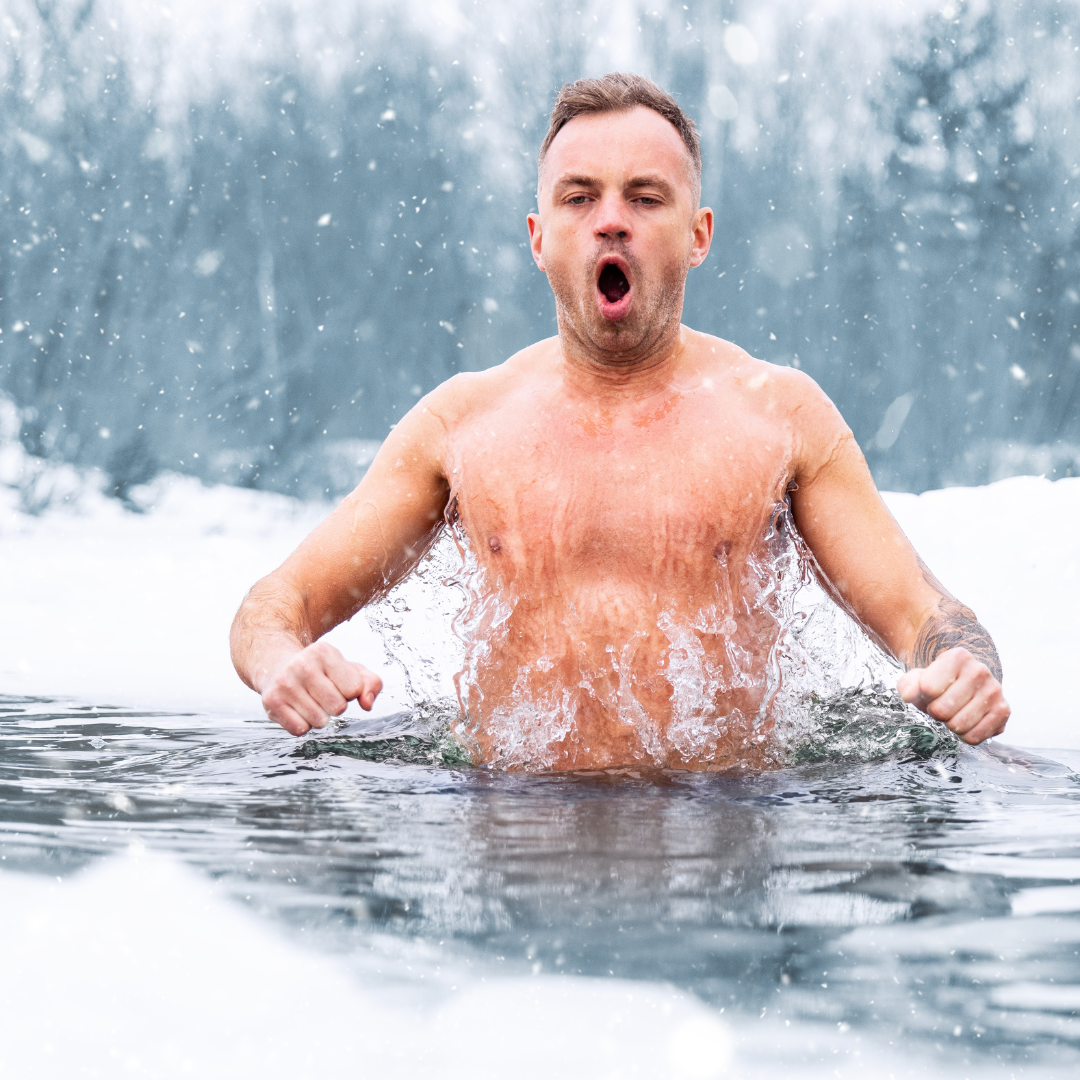
Many people are surprised by the mental challenge of an ice bath. The first minute is the hardest. You’ll feel a strong urge to get out. This is your body’s natural reaction. If you focus on deep, steady breathing, the feeling usually passes after 30–60 seconds.
After your session, you may feel energized and clear-headed. Some people sleep better or feel less sore. These benefits grow with regular practice.
But remember, there’s no “hero badge” for staying in longer. The goal is to recover—not to see how much you can suffer.
Real-world Examples
- Professional athletes: NBA and NFL teams often use 10–15 minute ice baths at 10–15°C after games or tough practices.
- Everyday fitness fans: Many use 2–5 minute baths for mood, stress, or energy, especially with colder water.
- Therapists: Physical therapists recommend 5–10 minutes for treating joint pain or swelling.
Each group tailors their time to their needs and experience. You should too.
Ice Bath Myths: Separating Fact From Fiction
- “Longer is better”: False. Research shows the main benefits come early. Longer sessions increase risk, not results.
- “You must go full body”: Not true. Even a partial bath (legs or lower body) offers strong benefits.
- “Ice baths only help athletes”: Anyone can benefit, from weekend joggers to people seeking stress relief.
How Often Should You Take Ice Baths?
Frequency matters, too. Most experts suggest 2–3 times per week for regular athletes, or after especially hard workouts. Daily ice baths may be too much, reducing your body’s natural ability to heal and adapt. Always give yourself time to recover.
Practical Advice For Home Ice Baths
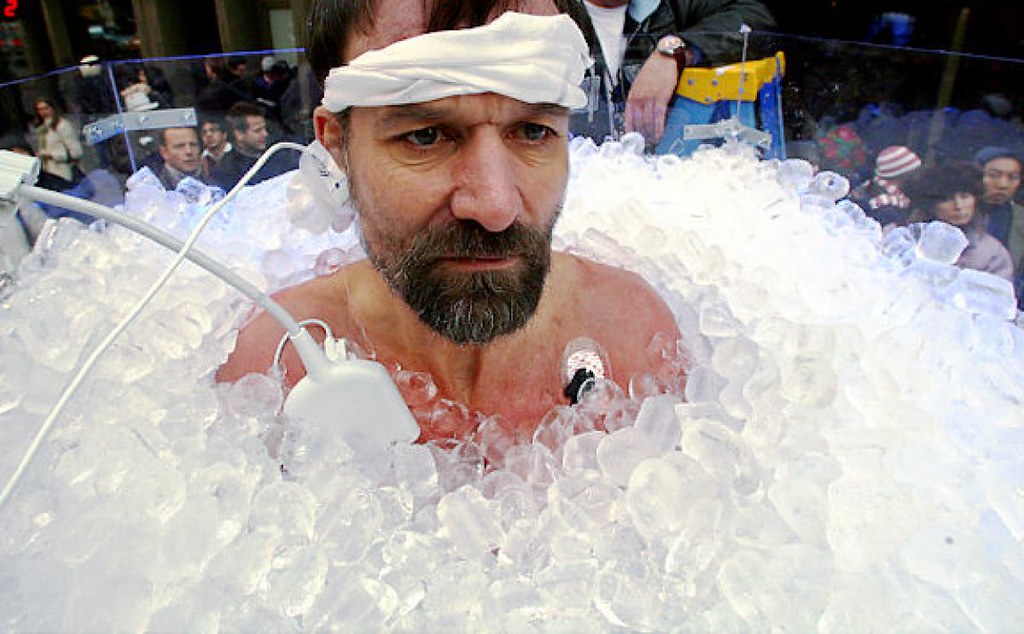
- Use bags of ice (about 2–3 per standard tub) to reach the right temperature.
- If you don’t have a tub, use a large plastic storage bin.
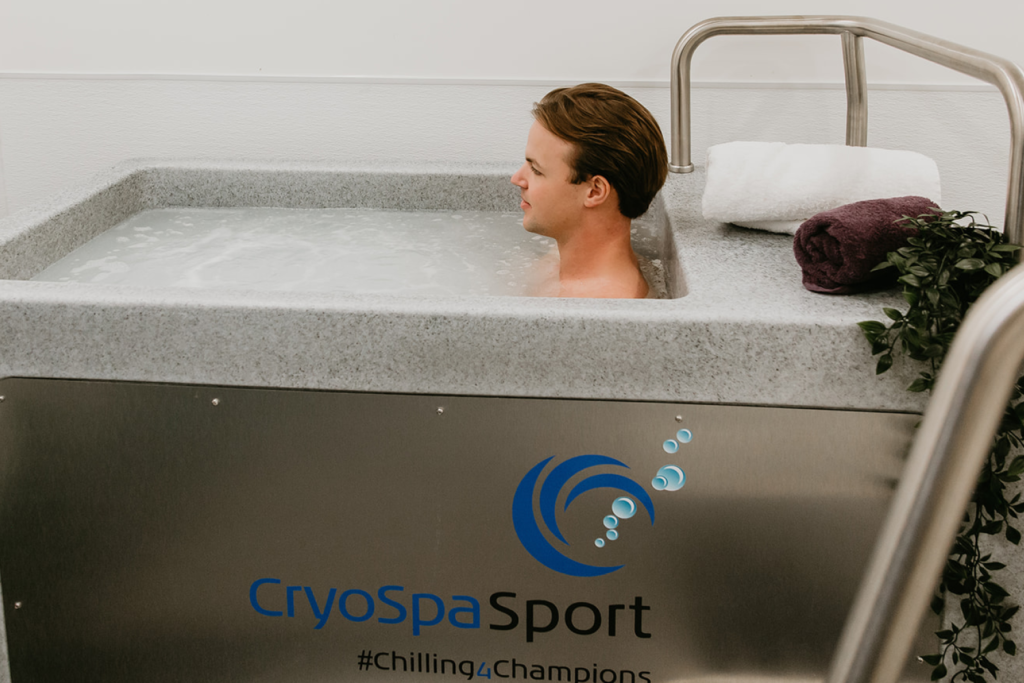
- Lay a towel on the tub edge for comfort.
- Keep a timer and a warm robe close by.
When To Seek Medical Help
If you ever experience:
- Chest pain or trouble breathing
- Loss of consciousness
- Ongoing numbness or weakness
Stop ice baths and see a doctor. These are signs of serious problems.
Where To Learn More
For deeper science, you can read the review on cold water immersion in the Wikipedia Cryotherapy article.
Frequently Asked Questions
How Cold Should The Water Be For An Ice Bath?
The best temperature for most people is 10–15°C (50–59°F). Colder than this increases risks and makes it harder to stay in safely. Use a thermometer for accuracy.
Is It Okay To Take Ice Baths Every Day?
Most people do well with 2–3 ice baths per week. Daily use can stress your body and slow down recovery. Always listen to your body and rest if you feel too cold or tired.
What Should I Do Right After An Ice Bath?
Dry off completely, put on warm clothes, and move around to help your body warm up. Drink water to rehydrate. Avoid jumping into a hot shower right away—give your body time to adjust.
Can Ice Baths Help With Mental Health?
Yes, many people report a mood boost and less anxiety after ice baths. The cold can trigger endorphins and help with focus. Start with short sessions and see how you feel.
Are Ice Baths Safe For Everyone?
No. People with heart conditions, poor circulation, or nerve issues should avoid ice baths or talk to a doctor first. Pregnant women and children also need extra care.
Finishing an ice bath is always an achievement, but knowing how long to stay is what keeps you safe and healthy. Short, smart sessions—guided by science and your own comfort—always beat “toughing it out. ” Your body will thank you.