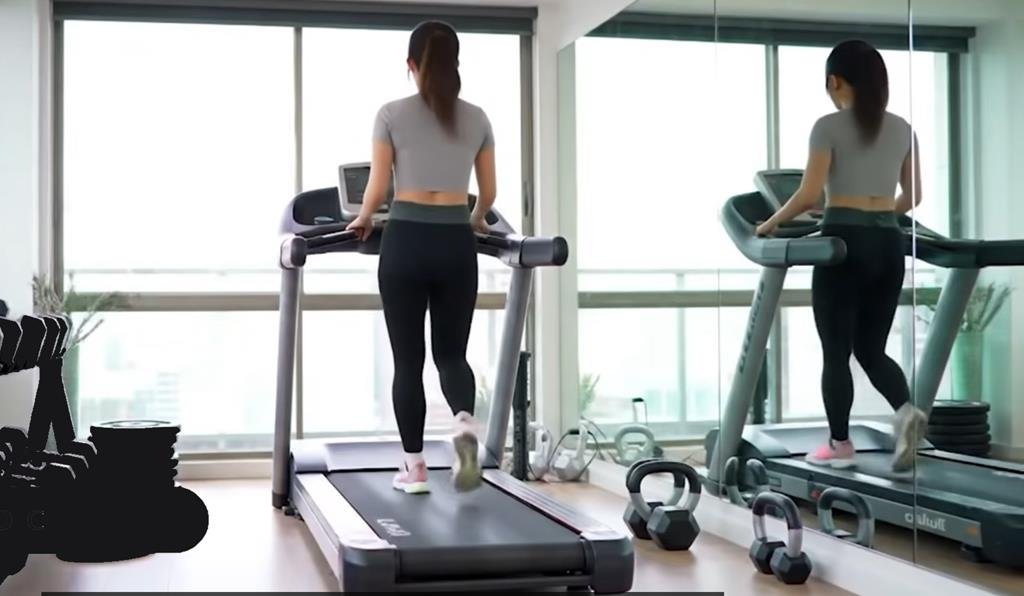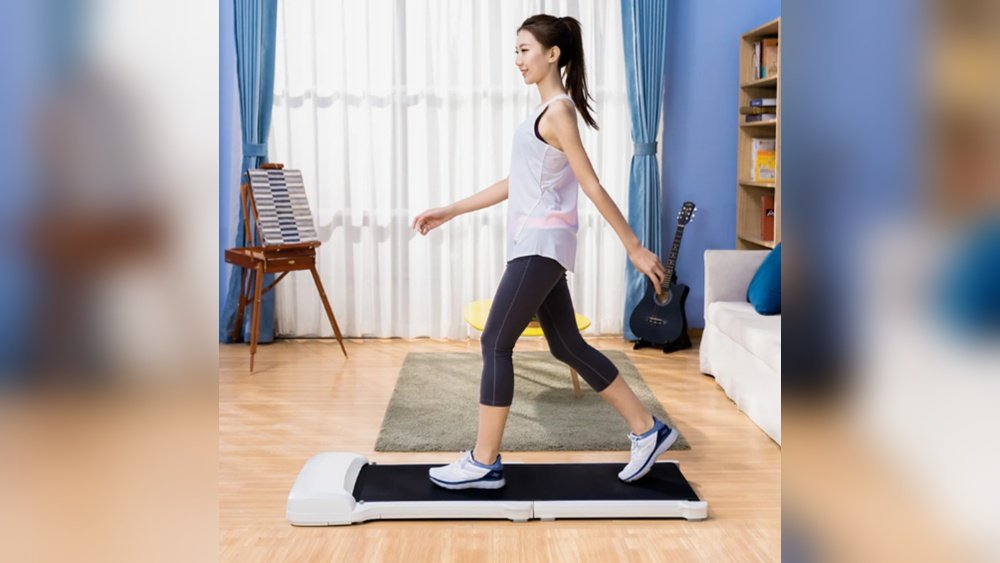
Are you thinking about adding a walking pad to your home but worried about the space it might take? You’re not alone.
Finding the right spot for your walking pad can be tricky, especially if your living area is limited. But how much room do you really need? Understanding the exact space a walking pad requires will help you make a smart choice that fits perfectly into your lifestyle.
Keep reading, and you’ll discover practical tips to measure your space and choose the best walking pad without any guesswork.
Walking Pad Dimensions
Understanding walking pad dimensions helps to decide where to place it. Space matters for comfort and safety during use. Walking pads come in various sizes to fit different rooms and needs.
Standard Sizes
Most walking pads measure about 40 inches long and 20 inches wide. The length suits an average walking stride. Width allows steady walking without feeling cramped. Some models offer slightly bigger or smaller decks for variety.
Folded Vs Unfolded Space
Walking pads fold to save space when not in use. Folded size is usually half the length but keeps the same width. This makes storage easier in closets or under beds. Unfolded, they need clear floor space to move safely.
Comparing Models
Different brands offer various sizes and thicknesses. Some are slimmer and lighter for easy carrying. Others focus on wider walking areas for more comfort. Check each model’s exact dimensions to match your room size.
Placement Options
Choosing the right place for your walking pad is important. The space it takes depends on where you plan to use it. Different rooms offer different benefits and challenges. Understanding these helps you make the best choice.
Living Room Setup
The living room often has enough space for a walking pad. You can place it near a TV or sofa. This makes workouts less boring. Keep a clear area around it for safety. Folding models save space when not in use.
Office Space Use
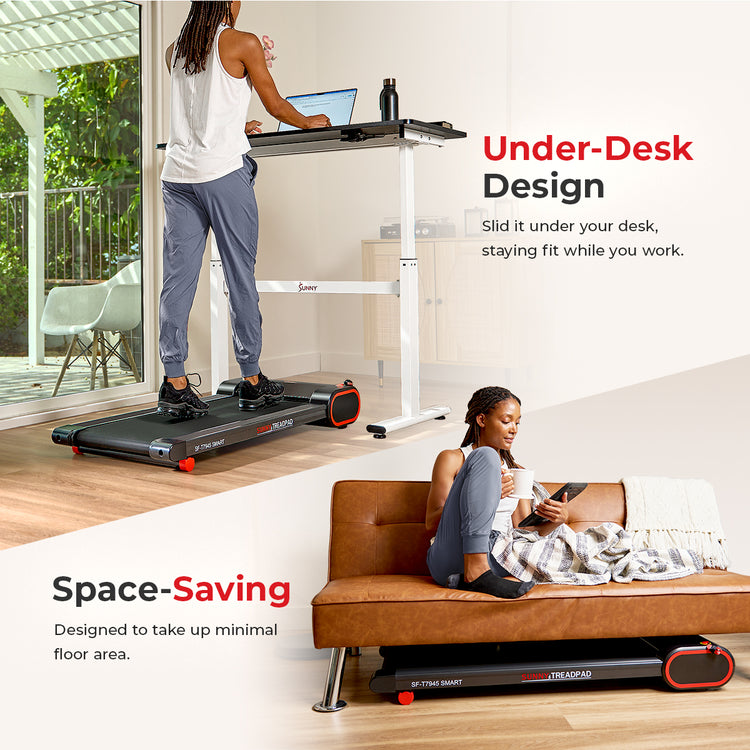
Using a walking pad in your office helps keep you active. Place it under or beside your desk. Make sure your desk height fits walking comfortably. A quiet model avoids disturbing others. It fits well in small home offices.
Bedroom Considerations
Bedrooms can be cozy spots for a walking pad. Choose a corner with enough room to walk freely. Fold and store it easily when not in use. Avoid blocking pathways or doors. This keeps the room safe and neat.
Storage Tips
Storing a walking pad properly saves space and keeps your area neat. Good storage methods help you use your room better. You can choose the best way to store your walking pad based on your space and needs.
Foldable Designs
Many walking pads come with foldable designs. These pads fold up into smaller shapes. They take less space when folded. This makes it easy to store them in closets or corners. Foldable pads are great for small apartments or offices.
Vertical Storage
Vertical storage uses the height of your room. You can stand the walking pad against a wall. This method saves floor space and keeps the pad ready to use. Use wall hooks or stands to keep it steady. Vertical storage fits well in narrow spaces.
Under Furniture Storage
Some walking pads are slim enough to fit under beds or sofas. This uses unused space and keeps the pad out of sight. Make sure there is enough room to slide it in and out easily. Under furniture storage works best for low-profile walking pads.
Room Size Requirements
Choosing the right room for a walking pad depends on space needs. This device fits in small areas but requires thoughtful planning. Understanding room size helps set up safely and comfortably. Knowing clearance and extra space needs avoids accidents and clutter.
Minimum Clearance Needed
A walking pad needs space beyond its length and width. Leave at least 2 feet of clearance on all sides. This space allows free movement and easy access. Without enough clearance, you might feel cramped or risk tripping.
Safe Walking Area
The walking surface should be flat and stable. Avoid placing the pad near stairs or sharp corners. A clear zone around the device helps prevent falls. Keep the floor dry and free of obstacles for safety.
Additional Space For Accessories
Some users want extra space for water bottles or phones. A small table or shelf nearby can hold these items. Make sure accessories do not block walking or cause distractions. Plan space to keep essentials within easy reach.
Impact On Home Layout
The space a walking pad takes can change your home layout. It affects where furniture sits and how people move around. Planning this well keeps your home comfortable and safe.
Furniture Rearrangement
A walking pad needs clear space. You might move sofas or tables to fit it in. Keep enough room so you can use the pad easily. This may mean shifting things from one side to another. Avoid clutter around the walking pad for safety.
Traffic Flow Changes
Walking pads can change how people walk through rooms. You may need new paths to avoid bumping into the pad. Think about daily movement in your home. Make sure the walking pad does not block doors or hallways. Clear paths help prevent accidents and keep life smooth.
Aesthetic Considerations
Walking pads add a new look to your space. Choose a spot that fits your room style. Some pads have a sleek design that blends well. Others might stand out more. Balance function with how your room feels. Keep your space tidy to make the pad look natural.
Measuring Your Space
Measuring your space is the first step before placing a walking pad. This helps ensure the device fits well and works safely in your home. Taking accurate measurements prevents surprises and saves time. Focus on the area where you want to use the walking pad.
Tools To Use
Use a tape measure for precise length and width. A ruler works for smaller areas. A notebook helps record measurements clearly. A level can check if the floor is flat. Use a smartphone app to double-check sizes.
Key Measurements
Measure the walking pad’s length and width. Add extra space around for easy access and safety. Measure ceiling height if using the pad in a low room. Check doorways to make sure the pad fits through.
Avoiding Common Mistakes
Don’t guess measurements; always use a tool. Avoid measuring only the walking pad without extra space. Check for obstacles like furniture or cords. Measure twice to avoid errors. Remember to consider walking pad storage space.
Choosing The Right Model
Choosing the right walking pad model depends on your space and needs. Some models fit small rooms better. Others offer easy movement and storage. Your choice should balance size, weight, and price. This helps you use the walking pad often without hassle.
Space-saving Features
Look for folding designs to save floor space. Some pads fold in half or roll up. Thin walking pads fit under desks or beds. Check the exact dimensions before buying. Small pads fit better in tight spaces.
Weight And Portability
Lighter walking pads move easily between rooms. Wheels add convenience for carrying or storing. Heavy models stay stable but are hard to move. Choose a model that matches your mobility needs. Portability is key for flexible use.
Budget-friendly Options
Affordable walking pads come in simple designs. They may lack extra features but serve well. Set a budget before shopping to narrow choices. Cheaper models often save space and weight. Balance cost with the size and features you want.


Frequently Asked Questions
How Much Floor Space Does A Walking Pad Require?
A walking pad typically needs around 20 to 25 square feet of floor space. This compact size fits well in small rooms and apartments. Its foldable design also saves space when not in use, making it ideal for limited spaces.
Can A Walking Pad Fit Under A Desk?
Yes, most walking pads are slim and low-profile. They easily slide under desks, allowing for walking while working. This feature promotes active lifestyles without needing extra room or interrupting your workspace setup.
What Are The Folded Dimensions Of A Walking Pad?
Folded walking pads measure roughly 30-40 inches in length and 15-20 inches in width. This compactness makes them easy to store in closets or under beds, saving valuable living space when not in use.
Is A Walking Pad Suitable For Small Apartments?
Absolutely. Walking pads are designed for minimal space usage. Their small footprint and foldability make them perfect for apartments where floor space is limited, providing convenient indoor exercise without clutter.
Conclusion
A walking pad takes up little space and fits in small rooms. It folds easily for storage under a bed or sofa. You can use it without moving big furniture. This makes it perfect for apartments or offices. Knowing its size helps you plan your space well.
A walking pad offers exercise without crowding your home. It suits many lifestyles and room sizes. Choose the right model to match your available area. Simple and compact. Great for staying active indoors.