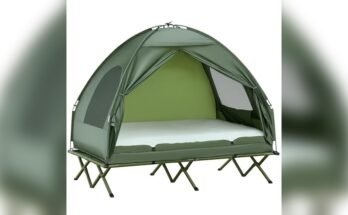
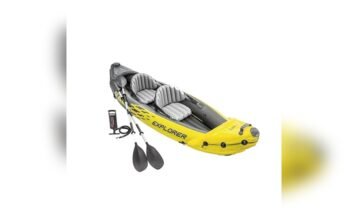
Camping near water can be one of the most relaxing and beautiful experiences you’ll enjoy. Imagine waking up to the sound of gentle waves or a flowing stream right outside your tent.
But, while it feels peaceful, camping close to water also brings certain risks you need to be aware of. If you want to keep yourself and your loved ones safe while making the most of nature’s beauty, this guide is for you.
Read on, and you’ll learn simple, practical tips that help you enjoy your water-side camping trip without worry. Your adventure starts here—safe, fun, and unforgettable.
Choosing The Right Campsite
Choosing the right campsite near water is key to a safe and enjoyable trip. Picking a good spot helps avoid dangers and makes your stay comfortable. Consider several factors before setting up your tent.
Distance From Water
Set your campsite at least 200 feet from the water’s edge. This distance reduces risks from rising water or waves. It also protects the environment near the water.
Too close means more bugs and damp ground. Keep a safe gap to stay dry and avoid insects.
Terrain And Elevation
Choose flat and firm ground for your tent. Avoid rocky, uneven, or soft soil that can cause discomfort or sinkage.
Higher elevation spots prevent water from pooling around your campsite. A slight slope is best for drainage during rain.
Avoiding Flood Zones
Check the area for signs of past floods or flooding risks. Avoid low-lying areas that flood easily during storms.
Look for water marks on trees or debris lines. These show where floods have reached before.
Water Safety Precautions
Camping near water is fun but needs careful attention. Water can be unpredictable and cause danger. Following clear safety steps helps keep everyone safe. This section covers key water safety precautions for a worry-free trip.
Swimming Guidelines
Always swim in designated areas. These spots are checked for safety. Avoid swimming alone to prevent accidents. Watch out for strong currents and cold water. Stop swimming at the first sign of tiredness. Never dive into unknown water. Check depth and hidden objects first.
Life Jackets And Safety Gear
Wear a life jacket near water, even if you swim well. Life jackets save lives in emergencies. Choose jackets that fit properly and are approved by safety standards. Carry a whistle or signaling device. It helps call for help if needed. Keep safety gear dry and easy to reach.
Supervising Children
Children need constant watch near water. Stay within arm’s reach at all times. Teach kids to respect water and rules. Avoid distractions like phones or books. Set clear boundaries about where they can go. Use child-sized life jackets for extra protection. Safety starts with careful adult supervision.
Wildlife Awareness
Camping near water offers a chance to enjoy nature up close. Wildlife often lives near lakes, rivers, and streams. Being aware of animals around you helps keep you safe. Respecting their space prevents accidents and protects nature.
Common Animals Near Water
Animals like deer, raccoons, and beavers often stay close to water. Birds such as ducks and herons are common visitors. Snakes and frogs live near the water’s edge. Some areas may have bears or coyotes. Knowing these animals helps you stay alert.
Preventing Encounters
Make noise while walking to avoid surprising animals. Stay on marked trails and avoid dense bushes. Keep a safe distance if you see wildlife. Do not approach or feed any animals. Use a flashlight at night to spot animals nearby.
Food Storage Tips
Store food in sealed containers or bear-proof boxes. Keep food away from your sleeping area. Clean up all food scraps and trash immediately. Avoid cooking near your tent to reduce smells. Proper storage reduces animals coming to your camp.
Campfire Safety Near Water
Camping near water offers a peaceful and refreshing experience. It also requires special care for campfires. Water can create a false sense of safety around fires. Flames can spread quickly if not managed well. Follow these simple tips to keep your campfire safe near water.
Safe Fire Setup
Choose a flat spot for your fire. Clear away leaves, sticks, and dry grass. Keep the fire at least 15 feet from the water’s edge. Build a fire ring with rocks to contain flames. Use small sticks and logs to control fire size. Avoid lighting fires on windy days near water.
Extinguishing Fires Properly
Pour water slowly over the fire. Stir ashes and embers with a stick. Add more water until no steam rises. Feel the ashes to check if they are cold. Never bury the fire; it can still burn underground. Make sure the fire is fully out before leaving.
Fire Regulations
Check local rules about fires near water. Some areas may ban campfires during dry seasons. Obtain permits if required before camping. Follow all posted signs and guidelines. Respect nature and keep the area clean. Always carry a bucket or water source nearby.
Weather And Environmental Hazards
Camping near water offers beautiful views and peaceful sounds. Yet, it also brings weather and environmental risks. Knowing how to face these dangers keeps your trip safe and fun.
Recognizing Storm Signs
Storms can come fast near lakes or rivers. Watch the sky for dark clouds or sudden wind changes. Listen for distant thunder or sharp temperature drops. These signs warn of bad weather approaching.
Act quickly to secure your tent and gear. Avoid camping under tall trees or on open water edges. Find higher ground if flooding is possible.
Preparing For Sudden Weather Changes
Weather near water can shift without warning. Carry waterproof clothing and extra blankets. Pack a reliable weather radio or check apps often. Plan your activities to finish before nightfall.
Keep your fire small and easy to put out. Clear the area of dry leaves and branches. Always have a safe shelter ready for heavy rain or cold winds.
Dealing With Insects
Water attracts many insects like mosquitoes and ticks. Use insect repellent and wear long sleeves and pants. Check your body and clothes for ticks regularly.
Keep food sealed to avoid attracting bugs. Set up your tent away from standing water. Use mosquito nets if needed to sleep without bites.
Water Purification Methods
Camping near water offers a great chance to enjoy nature. But water from lakes, rivers, or streams can carry harmful germs. Drinking unsafe water can cause illness. Purifying water is crucial for safe camping. Several methods can make water safe to drink. Choose a method that fits your gear and trip length.
Boiling And Filtering
Boiling water kills most germs and bacteria. Bring water to a rolling boil for at least one minute. At higher altitudes, boil for three minutes. Boiling does not remove dirt or chemicals. Use a cloth or coffee filter to strain large particles first. This method is simple and does not need special tools.
Using Purification Tablets
Purification tablets are small and easy to carry. They use chemicals like iodine or chlorine to kill germs. Drop tablets into water and wait the time on the package. Usually, it takes 30 minutes to 4 hours. These tablets work well for clear water. Avoid using tablets if you have allergies or thyroid problems.
Portable Water Filters
Portable water filters remove dirt, bacteria, and some viruses. They have a small pump or straw to push water through a filter. Filters vary in size and price. Some can filter many liters before replacing. They are fast and effective for most camping trips. Carry extra filters if your trip is long or water is murky.
Emergency Preparedness
Camping near water offers a beautiful experience but also carries risks. Being ready for emergencies can save lives and reduce stress. Preparing well helps you enjoy nature safely and calmly.
First Aid Essentials
Carry a basic first aid kit with bandages, antiseptic wipes, and pain relievers. Include items for treating cuts, insect bites, and minor burns. Know how to use each item. Practice basic first aid skills before your trip.
Communication Devices
Bring reliable communication tools like a fully charged mobile phone. A portable charger can extend battery life. Consider a whistle or signal mirror for attracting attention. Radios work well in areas without phone coverage.
Emergency Evacuation Plans
Plan how to leave quickly if danger arises. Identify safe routes and meeting points with your group. Share your plan with someone outside your camping party. Regularly review the plan during your trip.
Frequently Asked Questions
How Close Should I Camp To Water Safely?
Camp at least 200 feet away from water sources. This distance helps avoid flooding risks and protects wildlife habitats. It also reduces insect encounters and prevents water pollution from campsite activities.
What Safety Gear Is Essential Near Water Camping?
Always bring a life jacket, waterproof flashlight, and first aid kit. These items ensure safety during water activities and emergencies. Proper footwear with good grip is also important to prevent slips near wet surfaces.
How To Prevent Water Contamination While Camping?
Use biodegradable soap and wash dishes away from the water. Dispose of waste properly by burying it 200 feet from water. Avoid using harmful chemicals near water to keep it clean and safe for wildlife.
What Are Signs Of Dangerous Water Conditions?
Look for strong currents, murky water, and sudden depth changes. Avoid swimming in these areas to prevent accidents. Always check local weather and water condition reports before entering water.
Conclusion
Camping near water can be fun and safe with the right steps. Always choose a dry spot for your tent. Keep your food stored away from animals. Watch the weather and stay alert for changes. Never swim alone and avoid strong currents.
Clean up your trash to protect nature. Small actions keep you safe and help the environment. Enjoy your time outdoors but respect the water’s power. Stay smart and stay safe on your next camping trip.