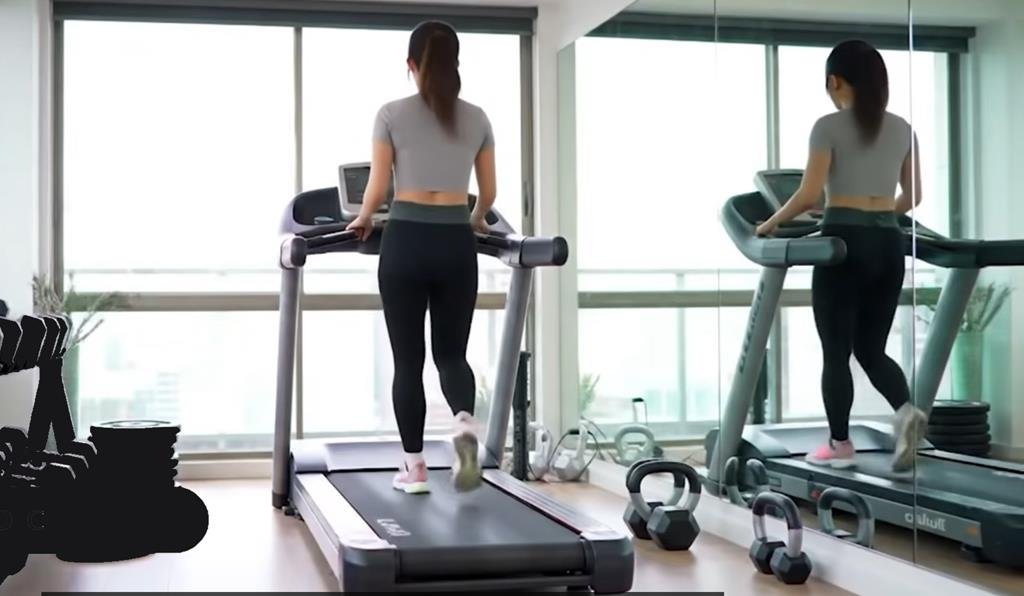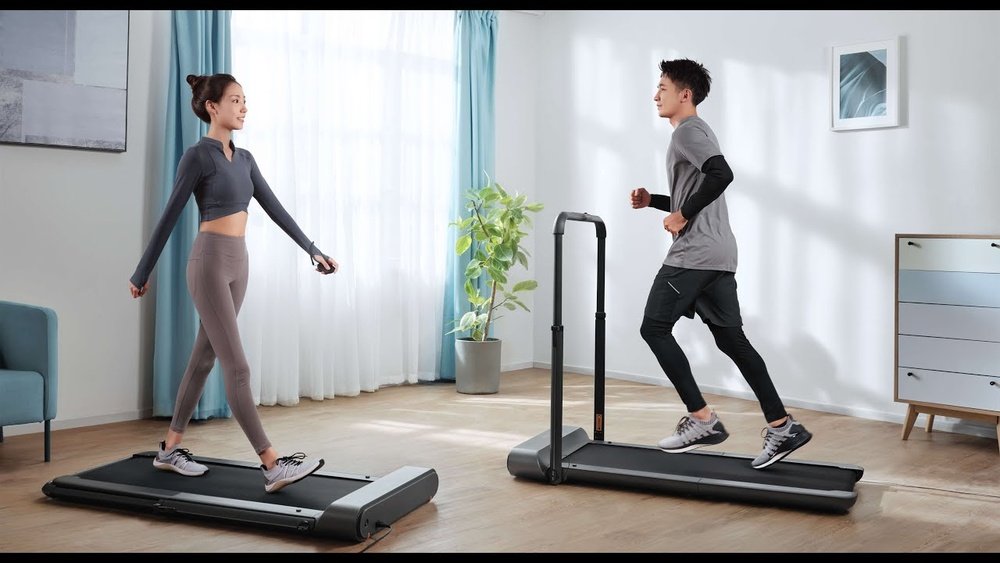
Are you ready to add more movement to your day but not sure where to start? A walking pad could be your perfect solution.
It’s simple, convenient, and fits right into your home or office. If you’ve never used one before, it might feel a bit confusing at first. But don’t worry—this guide will walk you through everything you need to know to get started easily and confidently.
By the end, you’ll see how a walking pad can help you stay active without disrupting your routine. Keep reading to discover how to take your first steps toward a healthier, more energetic you.
Choosing The Right Walking Pad
Choosing the right walking pad is the first step for beginners. It affects comfort, safety, and how much you enjoy walking at home. A good walking pad fits your space and meets your needs. Focus on important features to make a smart choice.
Key Features To Consider
Look for a walking pad with a smooth motor and quiet operation. Check the walking surface size to ensure enough room for your steps. Speed settings matter. Beginners should start slow but have options to increase speed. Folding design helps save space. Weight capacity must support your body safely.
Budget And Size Options
Set a budget before shopping. Walking pads range from affordable to expensive models. Smaller pads fit tight spaces but may limit movement. Larger pads offer more comfort but need more room. Choose a size that fits your home and budget without compromise.
Safety Certifications
Safety is crucial. Look for walking pads with certifications like CE or UL. These show the product meets safety and quality standards. Check for features like emergency stop buttons and non-slip surfaces. Safety ensures peace of mind while you walk indoors.

Setting Up Your Walking Pad
Setting up your walking pad is the first step toward regular, easy exercise at home. A proper setup helps you use the walking pad safely and comfortably. Follow simple steps to get started quickly and enjoy your new walking routine.
Assembly Tips
Unbox the walking pad carefully. Lay out all parts on a clean surface. Check the instruction manual for clear steps. Most walking pads come partly assembled. Attach the handles or safety bars firmly. Use the provided tools for tightening screws. Avoid over-tightening to prevent damage. Make sure the belt is aligned and moves smoothly. Test the folding mechanism if your model folds.
Placement In Your Space
Choose a flat, stable surface for your walking pad. Avoid placing it on thick carpets or uneven floors. Leave enough space around for safe use. A quiet corner or near a TV works well. Ensure good ventilation and lighting in the area. Keep the walking pad away from doorways to avoid accidents. Place it near a power outlet for easy charging.
Initial Safety Checks
Check the walking pad’s power cord for damage. Make sure the emergency stop button works. Test the speed settings at low speeds first. Confirm the walking belt moves without jerking. Wear proper shoes for walking on the pad. Keep children and pets away during use. Review safety instructions in the manual. Stop immediately if you hear unusual sounds or feel instability.
Starting Your Walking Routine
Starting your walking routine on a walking pad is easy and safe. Begin with simple steps to build good habits. A steady start helps your body get used to the new activity. You feel more comfortable and avoid injuries.
Focus on warming up, setting the right speed, and choosing how long and often you walk. These three parts make your routine effective and enjoyable.
Warm-up Exercises
Start with light stretching. Stretch your legs, calves, and hips for 3 to 5 minutes. Try ankle circles and toe taps to loosen your joints. This prepares your muscles for walking. Warm muscles reduce the chance of pain or injury.
Recommended Speed Settings
Begin at a slow speed, about 1 to 1.5 miles per hour. Walk at a pace where you can talk comfortably. Increase speed gradually as you feel stronger. Avoid fast speeds in the first sessions to stay safe.
Duration And Frequency
Start with 10 to 15 minutes per session. Walk three times a week to build consistency. Add 5 minutes each week to improve stamina. Regular walks help your body adapt and stay healthy.

Maintaining Motivation
Staying motivated is key to using a walking pad regularly. It helps you build a healthy habit and keeps your energy high. Motivation can fade, especially for beginners. Small steps make a big difference. Focus on simple ways to keep going.
Setting Realistic Goals
Start with easy goals. Walk for 5 to 10 minutes a day. Increase time slowly. Set goals that fit your schedule. Achieving small goals feels good. It pushes you to do more. Avoid goals that feel too hard. They can cause frustration and stop progress.
Tracking Progress
Write down your walking time each day. Use a notebook or an app. Seeing progress boosts motivation. It shows your effort is working. Tracking helps you stay focused. It makes walking feel like a game. Celebrate small wins to keep spirits high.
Incorporating Music And Entertainment
Music makes walking fun. Choose songs you enjoy. Upbeat tunes can raise your energy. Podcasts and audiobooks work well too. They keep your mind busy. Entertainment makes time pass quickly. This helps you walk longer without boredom.
Avoiding Common Mistakes
Starting with a walking pad is a great way to stay active indoors. Beginners often make simple mistakes that slow progress or cause discomfort. Avoiding these errors helps you enjoy walking safely and effectively. Focus on a steady pace and listen to your body for the best results.
Overexertion Risks
Walking too fast or too long can lead to fatigue and injury. Start with short sessions and increase time gradually. Pay attention to how your body feels during and after walking. Rest if you notice pain or extreme tiredness. Slow progress keeps your muscles healthy and energy steady.
Ignoring Proper Posture
Good posture improves comfort and walking efficiency. Stand tall with your shoulders relaxed and head up. Avoid leaning forward or looking down at your feet. Keep your arms moving naturally by your sides. Proper posture prevents back and neck pain.
Neglecting Rest Days
Rest days allow your muscles to recover and grow stronger. Skipping rest can cause soreness and reduce motivation. Plan at least one or two rest days each week. Use rest days for light stretching or gentle activities. Balanced rest keeps you consistent and injury-free.
Enhancing Your Walking Experience
Enhancing your walking experience on a Walking Pad makes your sessions more effective and enjoyable. Small changes can boost your fitness and keep you motivated. Simple tools and habits help you get better results and stay healthy.
Using Fitness Apps
Fitness apps track your steps, distance, and calories. They show your progress and set daily goals. Some apps give reminders to keep you moving. Choose one that is easy to use and fits your needs. Tracking your activity helps you stay focused and motivated.
Adding Strength Training
Strength training improves your walking performance. Exercises like squats and lunges build leg muscles. Strong muscles reduce injury risk and improve balance. You can do simple workouts at home after walking. This adds variety and helps your body become stronger.
Staying Hydrated
Drinking water before and after walking is important. Staying hydrated keeps your energy up and muscles working well. Carry a water bottle during your walk if possible. Avoid sugary drinks that can cause tiredness. Good hydration supports your overall health and fitness.
Frequently Asked Questions
What Is A Walking Pad And Who Should Use It?
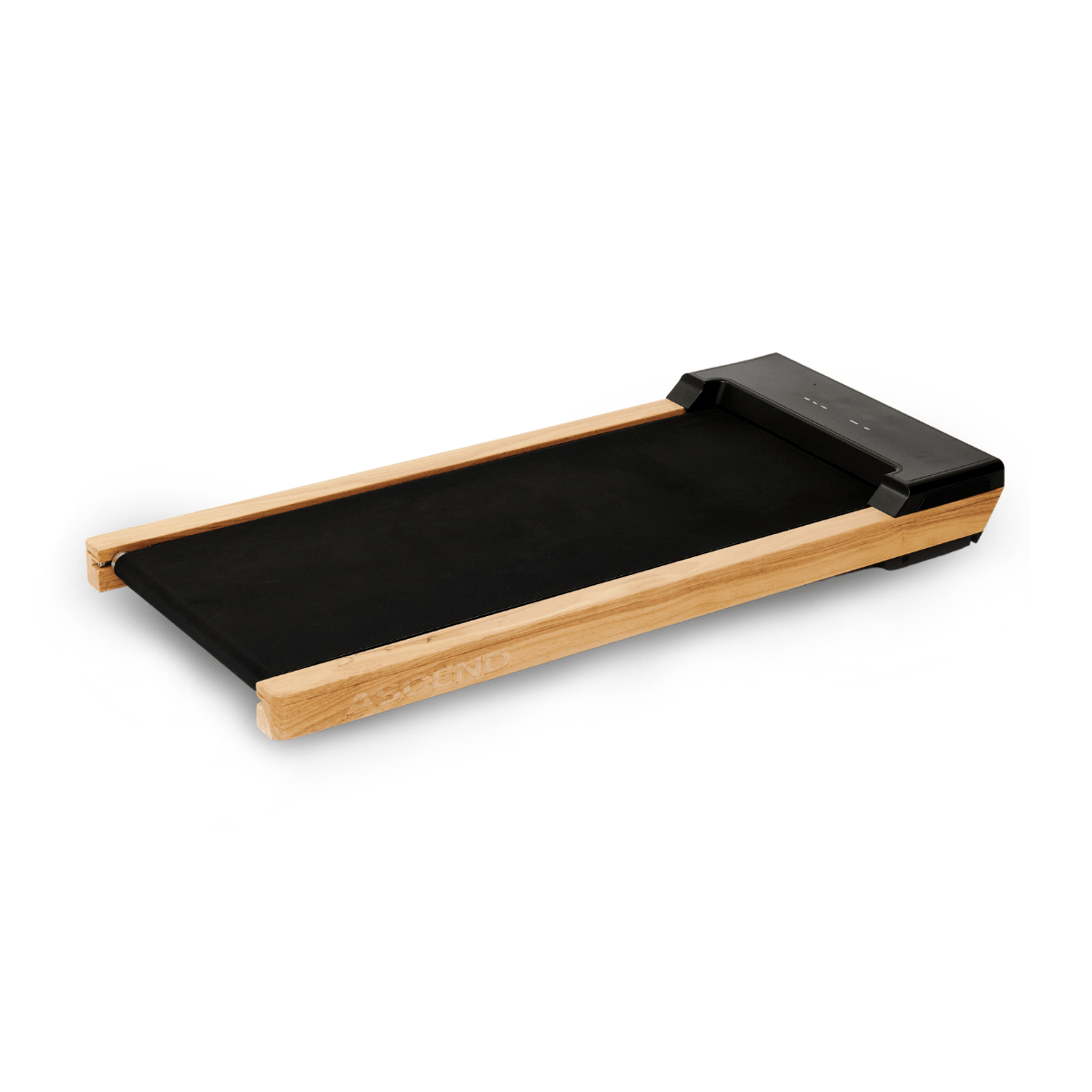
A walking pad is a compact treadmill ideal for home or office use. Beginners, seniors, and busy professionals benefit from its convenience and low-impact exercise.
How Do Beginners Start Using A Walking Pad Safely?
Start with slow speeds and short sessions. Wear comfortable shoes and maintain good posture. Gradually increase duration as your stamina improves.
How Often Should Beginners Walk On A Walking Pad?
Aim for 3-5 sessions per week, each lasting 15-30 minutes. Consistency helps build endurance and supports weight management effectively.
Can Walking Pads Help With Weight Loss?
Yes, regular walking on a pad burns calories and boosts metabolism. Combined with a healthy diet, it aids sustainable weight loss.
Conclusion
Starting with a walking pad can boost your daily activity easily. Begin slow, stay consistent, and listen to your body. Small steps lead to better health and more energy. Enjoy the process and celebrate each progress. Walking pads fit well in any home space.
Keep your goals clear and walk regularly. Your journey to a healthier lifestyle starts today. Simple habits make a big difference over time. Stay patient and keep moving forward.