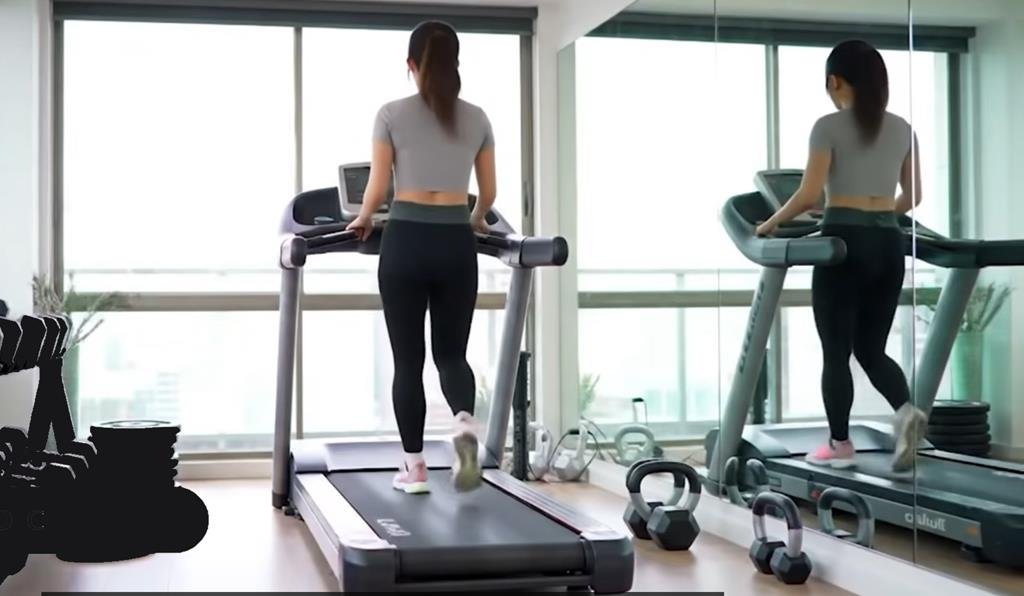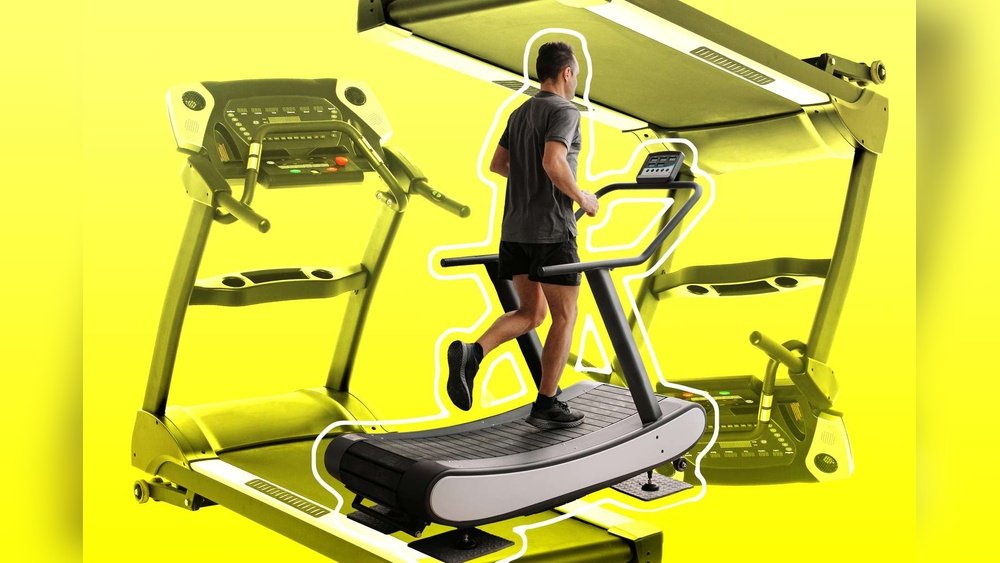
Are you looking for a simple way to stay active at home but feel stuck choosing between a walking pad and a manual treadmill? Both options promise to help you move more, burn calories, and boost your health.
But which one will fit your lifestyle better? This guide will break down the key differences, benefits, and drawbacks so you can make the smartest choice for your body and your space. Keep reading to discover what suits your needs—and start moving toward your fitness goals today.
Key Features Compared
Choosing between a walking pad and a manual treadmill depends on several key features. These features affect how easy and comfortable the exercise will be. Understanding the differences helps you pick the right machine for your needs.
Design And Portability
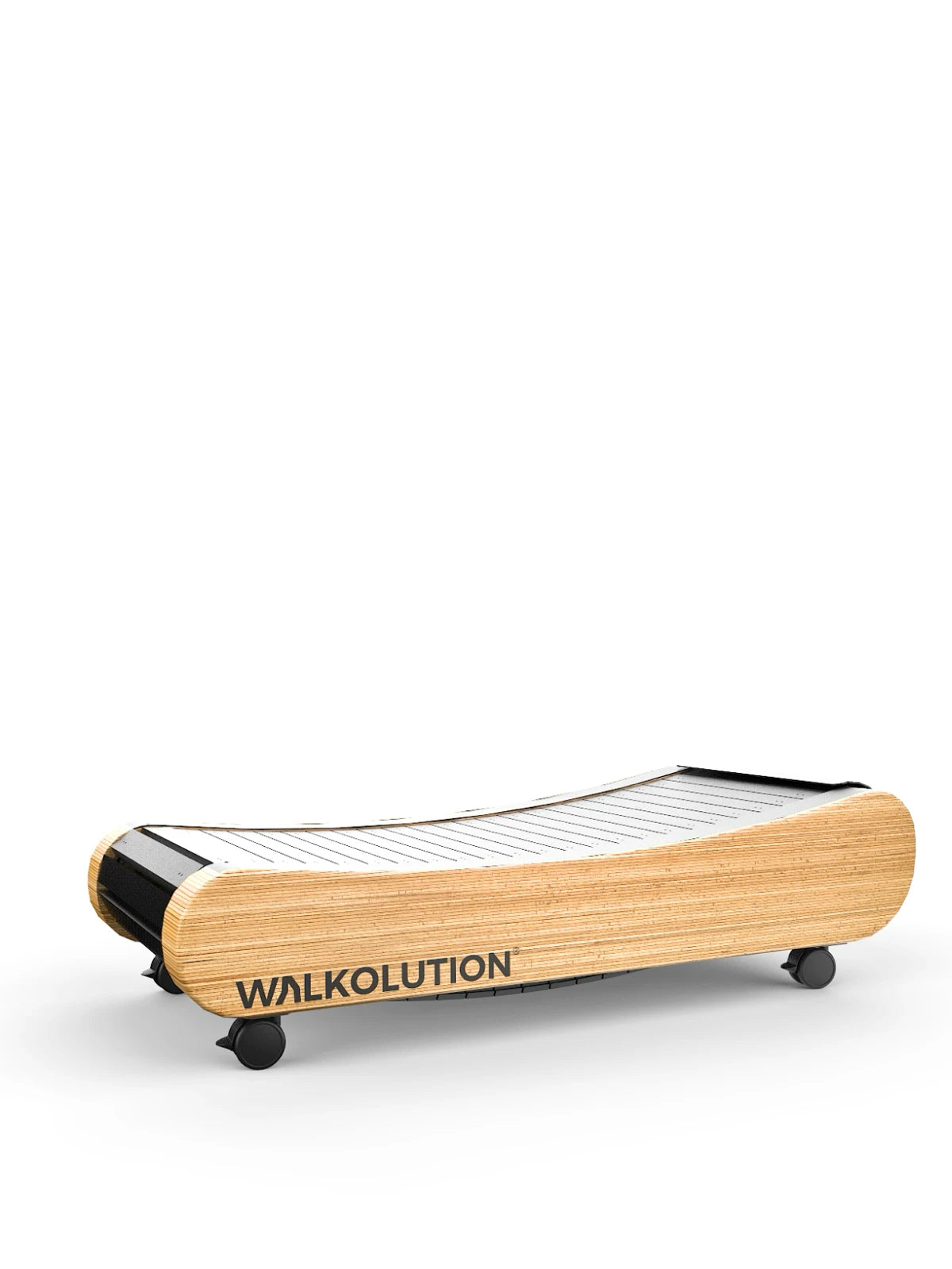
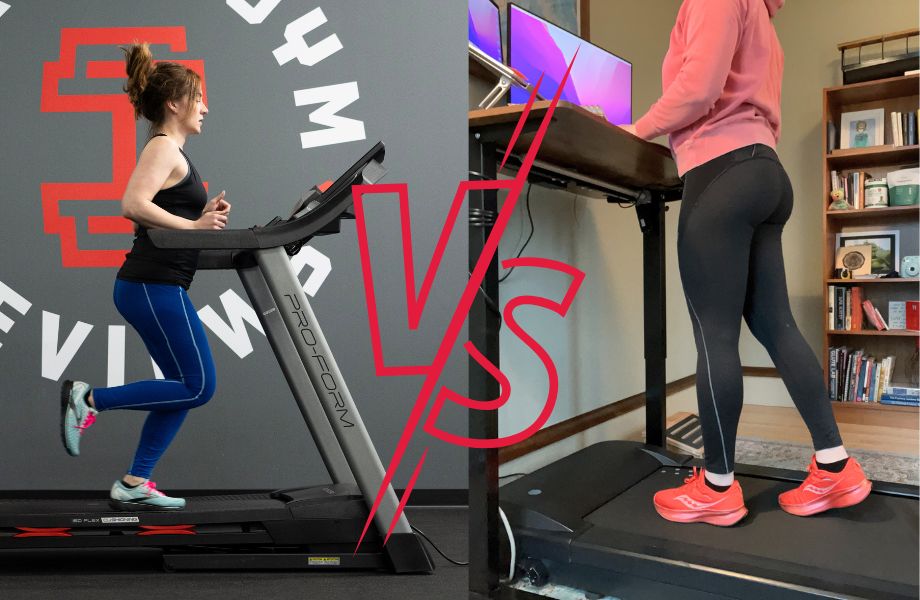
Walking pads have a slim, compact design. They fold easily for storage under a bed or sofa. This makes them perfect for small spaces.
Manual treadmills are bulkier and heavier. They do not fold as neatly. Moving them around can be harder.
Motorized Vs Manual Operation
Walking pads have a motor that drives the belt. This means the belt moves at a steady pace without effort from you.
Manual treadmills do not have motors. You move the belt with your own foot power. This can give a stronger workout.
Speed And Control Options
Walking pads offer preset speed settings. You can control speed easily with buttons or a remote.
Manual treadmills depend on your pace for speed. There are no speed controls. You decide how fast to go.
Health And Fitness Benefits
Choosing between a walking pad and a manual treadmill affects your health and fitness goals. Both machines offer ways to stay active indoors. Understanding their benefits helps you make the right choice. This section explores how each device impacts calorie burn, joint health, and fitness levels.
Calorie Burn And Workout Intensity
A walking pad provides steady, low-speed walking. It suits light exercise and daily movement. Calorie burn is moderate but consistent over time.
A manual treadmill offers more control over speed and effort. You can increase intensity by walking or running faster. This raises calorie burn and supports weight loss goals.
Impact On Joints
Walking pads have a gentle impact on joints. They use smooth surfaces that reduce stress on knees and ankles. Ideal for people with joint pain or arthritis.
Manual treadmills require more effort to move the belt. This can increase pressure on joints during intense workouts. Better for users with strong joints and good fitness.
Suitability For Different Fitness Levels
Walking pads fit beginners and those needing light exercise. Perfect for seniors or people recovering from injury.
Manual treadmills suit intermediate to advanced users. They allow varied speeds and more challenging workouts. Good for building endurance and strength.
Space And Convenience
Space and convenience play a big role in choosing between a walking pad and a manual treadmill. Both machines offer great exercise options, but they differ in how much room they need and how easy they are to use at home. Understanding these differences helps you pick the right fit for your space and lifestyle.
Storage And Size
Walking pads are compact and slim. They fit easily under desks or beds. You can store them in small spaces without hassle. Manual treadmills are bulkier and need more floor space. Folding options exist, but they still take up more room than walking pads. Small homes benefit more from walking pads due to their size.
Noise Levels
Walking pads run quietly because they have electric motors. This makes them good for apartments or shared spaces. Manual treadmills are quieter since they have no motor. Their noise comes only from foot steps on the belt. This means manual treadmills can be quieter but may cause more belt friction sounds. Both options work well in noise-sensitive areas.
Ease Of Use At Home
Walking pads are simple to start with a button. They often include speed controls and safety features. Manual treadmills need you to push the belt with your feet, so they require more effort. Walking pads feel like normal walking or light jogging. Both are easy to use, but walking pads offer more comfort and control for home use.
Durability And Maintenance
Durability and maintenance are key factors when choosing between a walking pad and a manual treadmill. These aspects affect how long the equipment lasts and how much effort you need to keep it working well. Understanding these points helps you pick the best option for your home or gym.
Build Quality
Walking pads are usually compact and made with lightweight materials. This design makes them easy to store but may reduce their strength. Manual treadmills often have heavier frames. They use solid metal parts that can handle more weight and pressure. This makes manual treadmills more stable during use.
Maintenance Requirements
Walking pads need less maintenance because they have fewer moving parts. Cleaning the surface and checking the motor works fine for most models. Manual treadmills require more care. You must regularly oil the belt and check for loose screws. This helps prevent damage and keeps the machine running smoothly.
Longevity
Manual treadmills tend to last longer due to stronger parts. Their simple design means fewer things can break. Walking pads may wear out faster, especially if used heavily. Choosing the right product depends on how often and hard you plan to use it.
Cost And Value
Cost and value play a big role in choosing between a Walking Pad and a Manual Treadmill. These options differ in price, features, and long-term benefits. Understanding these differences helps you decide which fits your budget and needs better.
Price Range Comparison
Walking Pads usually cost more than Manual Treadmills. Walking Pads can range from $300 to $700. Manual Treadmills often start around $100 and go up to $400. The price depends on size, brand, and quality. Manual Treadmills are cheaper but offer fewer features.
Features Vs Cost
Walking Pads come with features like speed control and digital displays. Some models include Bluetooth and app compatibility. These features add to the cost but improve user experience. Manual Treadmills are simpler with no electronic parts. This simplicity lowers the price but limits tracking and control options.
Long-term Investment
Walking Pads need electricity and occasional maintenance. This can add small costs over time. Manual Treadmills do not require power and have fewer parts to fix. They might last longer with less maintenance. Think about how often you will use the machine. Higher initial cost may be worth it if you want extra features.
User Experience
User experience plays a big role in choosing between a Walking Pad and a Manual Treadmill. Comfort, safety, and user feedback shape how people feel during workouts. Understanding who benefits most from each option helps pick the right device.
Comfort And Safety
Walking Pads offer smooth, motorized movement with adjustable speeds. They reduce strain on joints by providing steady pacing. Manual Treadmills need more effort, as users push the belt with their feet. This can cause uneven walking and extra stress on knees.
Both devices include safety features. Walking Pads often have automatic stop buttons. Manual Treadmills rely on user control and balance. The Walking Pad’s cushioning feels softer and absorbs shock better. Manual Treadmills tend to have harder surfaces, which might be less comfortable.
User Feedback And Reviews
Users praise Walking Pads for ease of use and quiet operation. Many enjoy the convenience of stepping on and starting immediately. Manual Treadmills get mixed reviews. Some like the extra workout challenge, while others find it tiring or tricky to balance.
Common complaints about manual models include noise and lack of speed control. Walking Pads receive positive remarks for compact design and smooth walking. Reviews show people value comfort and safety most in daily exercise equipment.
Ideal User Profiles
Walking Pads suit office workers, seniors, and those wanting gentle exercise. Their simple controls and steady pace fit beginners well. Manual Treadmills attract fitness enthusiasts who want more intense workouts. They are better for users who prefer self-paced walking or running.
People with joint problems often choose Walking Pads for less impact. Those looking to build strength might pick Manual Treadmills. Both devices serve different needs based on fitness goals and physical ability.
Choosing The Right Option
Choosing the right exercise equipment is important for consistent workouts. Both walking pads and manual treadmills offer benefits. Your choice depends on personal needs and habits. Consider your lifestyle, fitness goals, space, and budget before deciding.
Lifestyle Considerations
Think about your daily routine. A walking pad suits people who want light activity during work or TV time. It fits small breaks and low-impact exercise. Manual treadmills need more focus and effort. They work well for those who prefer steady walking or jogging sessions.
Fitness Goals Alignment
Match equipment with your fitness aims. Walking pads support gentle movement and calorie burning. Manual treadmills help build endurance and strength. They allow more speed control and incline options. Choose the one that helps reach your specific goals.
Space And Budget Constraints
Measure your available space before buying. Walking pads are compact and easy to store. Manual treadmills are bulkier and require a dedicated spot. Consider your budget too. Walking pads are usually more affordable. Manual treadmills might cost more but offer more features.
Frequently Asked Questions
What Are The Main Differences Between Walking Pad And Manual Treadmill?
Walking Pads are compact, motorized, and ideal for low-impact walking. Manual treadmills are non-motorized, rely on user effort, and offer more intense workouts. Walking Pads suit casual users, while manual treadmills are better for strength and endurance training.
Which Is Better For Home Use: Walking Pad Or Manual Treadmill?
Walking Pads are better for home use due to their compact size and quiet motor. Manual treadmills are bulkier and noisier but offer a more challenging workout. Choose based on space, noise preference, and workout goals.
How Does Calorie Burn Compare Between Walking Pad And Manual Treadmill?
Manual treadmills typically burn more calories due to higher effort required. Walking Pads provide moderate calorie burn with consistent pace and less strain. Your calorie burn depends on workout intensity and duration on either machine.
Are Walking Pads Or Manual Treadmills Easier To Maintain?
Walking Pads require less maintenance because of their motorized system and fewer moving parts. Manual treadmills need regular lubrication and belt adjustments. Overall, Walking Pads offer easier upkeep for casual users.
Conclusion
Choosing between a walking pad and a manual treadmill depends on your needs. Walking pads are compact and easy to store. Manual treadmills offer more control over speed and workout intensity. Both help you stay active indoors. Think about space, budget, and workout goals before deciding.
Either option can support a healthier lifestyle. Small steps lead to big changes. Keep moving, stay healthy.