People have used cold water for healing and recovery for centuries. Today, ice baths are no longer just for elite athletes. Fitness enthusiasts, wellness seekers, and even people looking to improve their health at home are trying ice baths. But what are the real benefits behind this icy practice? Are they just a trend, or do they offer proven results? Let’s dive deep into the science, the experiences, and what you need to know to decide if ice baths are right for you.
What Is An Ice Bath?
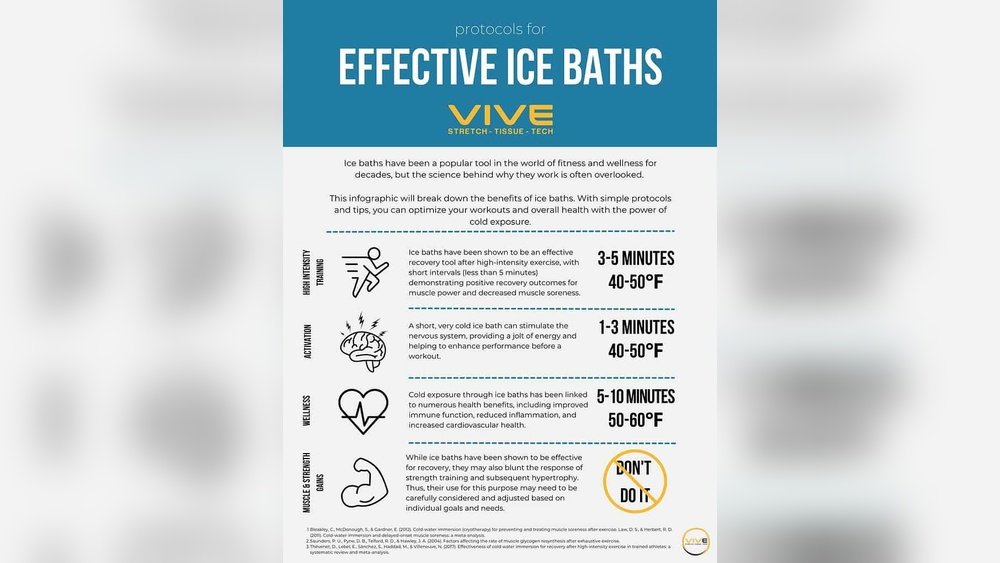
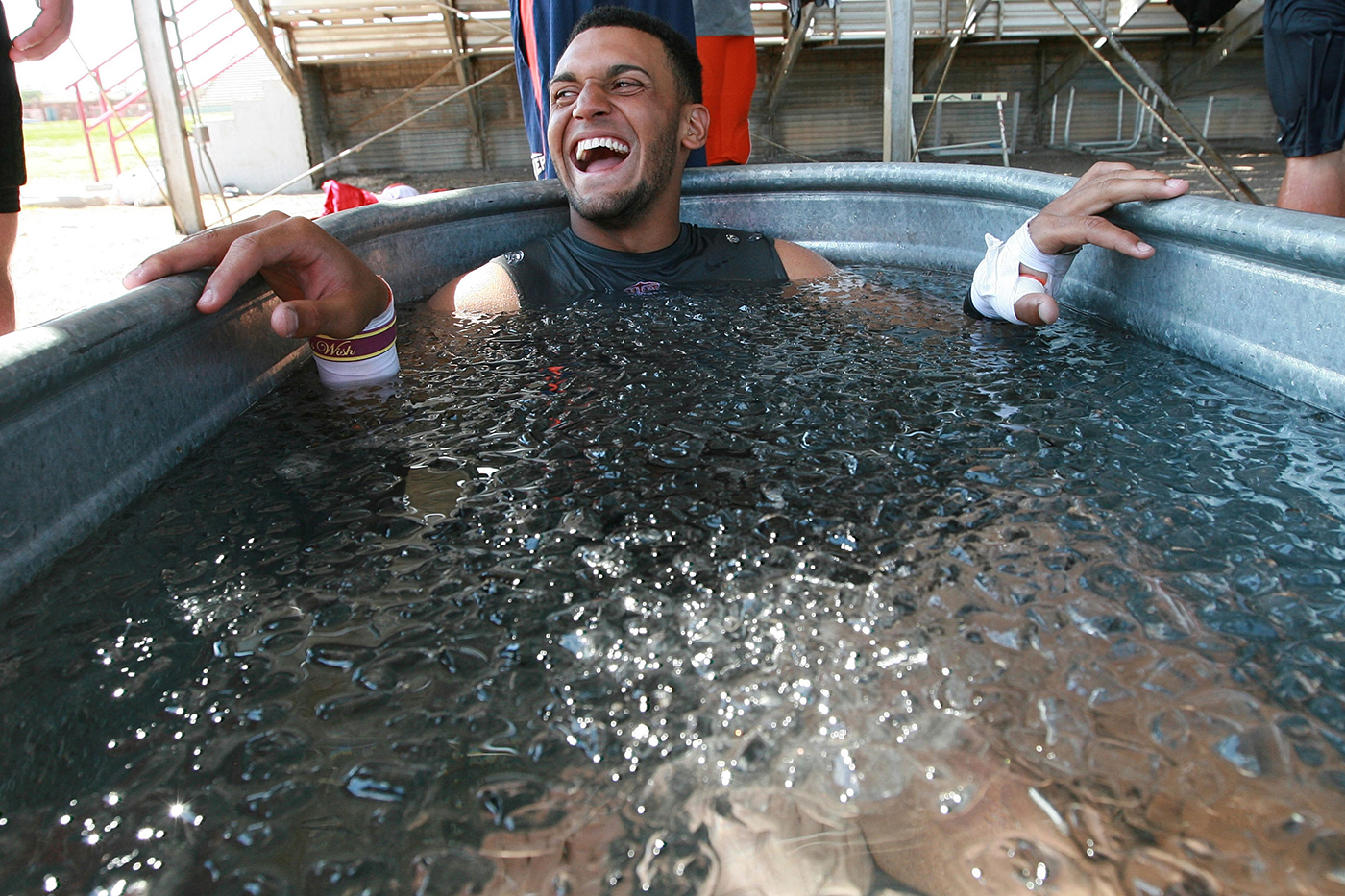
An ice bath is a type of cold water immersion. You fill a tub with cold water, add ice until the temperature drops to about 10–15°C (50–59°F), and then sit in it for several minutes—usually 5 to 15. The goal is to cool your body, especially your muscles, quickly and deeply. People often use ice baths after intense exercise, but some take them for general wellness.
How Do Ice Baths Work?
When you step into cold water, your body reacts fast. Blood vessels tighten (vasoconstriction), which reduces blood flow to your skin and muscles. This limits inflammation and swelling. After you get out, your blood vessels open up again (vasodilation). This rush of fresh blood may help clear waste products from muscles and deliver nutrients.
These effects combine to speed up recovery and may influence your mood, immune system, and even your brain.
Physical Recovery: The Most Popular Benefit
Reduces Muscle Soreness
One of the main reasons people use ice baths is to fight delayed onset muscle soreness (DOMS). After a tough workout, muscles often ache for 24 to 48 hours. Studies show that ice baths can reduce this pain, especially when taken within two hours after exercise. For example, a review in the *Journal of Sports Medicine* found that athletes who used cold water immersion felt less sore up to four days after training.
Speeds Up Muscle Recovery
By reducing inflammation and swelling, ice baths can help your muscles recover faster. This is important for athletes who need to train hard multiple days in a row. A 2017 study found that soccer players who took ice baths after matches had less muscle damage and could perform better in their next game.
Limits Swelling And Bruising
Physical activity can cause small tears in muscle fibers, leading to swelling. Ice baths help limit this by tightening blood vessels and reducing fluid buildup. If you play contact sports or do heavy lifting, ice baths may help you avoid large bruises and stay on your feet.
Mental Health And Mood Benefits
Boosts Alertness And Focus
When you plunge into cold water, you get a quick shock. This triggers the release of adrenaline and other stress hormones, making you feel more awake and alert. Many people report feeling mentally “reset” after an ice bath. It’s not just in your head—research shows that cold exposure can increase mental clarity, possibly by stimulating the nervous system.
Improves Mood
Ice baths can give you a rush of endorphins, the body’s natural “feel good” chemicals. This can help fight stress, anxiety, and even symptoms of mild depression. Some fans of ice baths use them as a tool to manage their mood, especially during difficult times. While more research is needed, early studies suggest that regular cold exposure can have positive effects on mental health.
Builds Mental Toughness
Sitting in icy water is not easy. It takes willpower and mental strength to stay calm and breathe slowly. Many people use ice baths to practice discipline and self-control. Over time, this can build mental resilience—the ability to handle stress in other parts of life.
:max_bytes(150000):strip_icc()/GettyImages-1595492534-60668d30d93d4022914f2de3d8da3747.jpg)
Immune System Support
Increases White Blood Cell Count
Some studies suggest that regular cold exposure can increase your white blood cells—the body’s main defense against illness. A 2016 study in the Netherlands found that people who took regular cold showers had fewer sick days. The theory is that the body responds to cold by making the immune system more active.
Reduces Inflammation
Chronic inflammation is linked to many diseases, from heart problems to arthritis. Ice baths fight inflammation both by tightening blood vessels and by activating the vagus nerve, which helps control immune response. While cold therapy is not a cure, it can be part of a healthy anti-inflammatory lifestyle.
Athletic Performance And Endurance
Helps With Back-to-back Training
Athletes often have to perform hard several days in a row. Ice baths may help them recover faster so they can train again with less pain. For example, basketball players who took ice baths after games reported feeling fresher and performing better during tournaments.
May Improve Endurance
Some research suggests that cold water immersion after training can help athletes adapt to endurance sports like running or cycling. By reducing muscle damage, athletes can train harder and longer without burning out. However, timing is important—too much cold exposure right after strength training might slow down muscle growth.
Sleep Quality
Promotes Deeper Sleep
After an ice bath, your body warms up again. This “rebound effect” can make you feel relaxed and sleepy. Some people find that taking an ice bath in the evening helps them fall asleep faster and sleep more deeply. Scientists believe this is because cold exposure helps reset your circadian rhythm, or body clock.
Reduces Night-time Muscle Pain
If sore muscles keep you awake, an ice bath can help reduce pain and inflammation, making it easier to get comfortable and rest well.
Skin And Circulation Benefits
Improves Blood Flow
After you leave an ice bath, your blood vessels open wide. This increases circulation and delivers more oxygen to your muscles and skin. Improved blood flow can help your body heal faster and may even give your skin a healthy glow.
May Tighten Skin
Some people believe that cold water can make skin look firmer by temporarily tightening pores and reducing puffiness. While results are short-lived, many enjoy this beauty boost after an ice bath.
Hormonal And Metabolic Effects
Increases Metabolism
Cold exposure forces your body to work harder to stay warm. This can increase your metabolic rate—how many calories you burn at rest. Some people use ice baths as a tool to support weight loss, although the effect is small compared to diet and exercise.
Balances Hormones
Ice baths can influence hormone levels like adrenaline, noradrenaline, and dopamine. These hormones play roles in mood, alertness, and metabolism. Over time, regular ice baths may help balance your body’s stress response.
Pain Management
Helps With Chronic Pain
Some people use ice baths to manage ongoing pain from conditions like arthritis or fibromyalgia. The cold helps numb nerves and reduce swelling, which can make pain less noticeable for hours after a bath.
Short-term Injury Relief
After a sprain or minor injury, an ice bath can provide quick pain relief and limit swelling, especially in the first 24 hours. Always check with a doctor for serious injuries.
Comparison: Ice Baths Vs. Other Recovery Methods
To help you understand where ice baths fit, here’s a look at how they compare to other popular recovery methods.
| Method | Best For | Main Effect | Time Needed |
|---|---|---|---|
| Ice Bath | Muscle soreness, inflammation, mental boost | Reduces pain, speeds recovery | 5–15 min |
| Hot Bath | Relaxation, stiffness, stress | Relaxes muscles, improves circulation | 10–20 min |
| Foam Rolling | Muscle knots, flexibility | Releases tension, increases mobility | 10–20 min |
| Compression Gear | Swelling, circulation | Reduces swelling, supports blood flow | Several hours |
Who Should Try Ice Baths?
Ice baths can be helpful for:
- Athletes needing quick recovery
- People with muscle soreness from exercise
- Those seeking a mental challenge or mood boost
- People wanting to try new wellness practices
But ice baths are not for everyone. If you have heart problems, poor circulation, or certain medical conditions, check with your doctor first.
Possible Risks And How To Stay Safe
Cold Shock
Jumping into very cold water can cause a sudden gasp or rapid heartbeat. Always enter slowly and control your breathing.
Numbness Or Skin Damage
Stay in for 5–15 minutes maximum. Longer times or water that’s too cold (below 10°C/50°F) increase risk of frostbite or nerve injury.
Underlying Health Issues
If you have heart disease, high blood pressure, or circulation problems, talk to a health professional before trying ice baths. Cold water can stress the heart and blood vessels.
After Drop Effect
Your core temperature can keep falling even after you leave the bath. Dry off and warm up right away to avoid chills or hypothermia.
How To Take An Ice Bath: Step-by-step Guide
- Fill the tub with cold water. Add ice until the temperature is between 10–15°C (50–59°F).
- Get in slowly. Sit down and let your legs adjust before submerging your body.
- Stay calm. Focus on slow, deep breaths. This helps your body handle the shock.
- Time it. Stay in for 5–15 minutes. Beginners should start with shorter sessions.
- Get out and warm up. Dry off, put on warm clothes, and move around to restore body heat.
Tip: Place a towel nearby and have a warm drink ready for after your bath.
Ice Bath Vs. Cold Shower: What’s Better?
Not everyone has access to a tub and bags of ice. Cold showers are an alternative. Here’s a comparison:
| Feature | Ice Bath | Cold Shower |
|---|---|---|
| Temperature Control | Precise (with thermometer) | Less precise |
| Muscle Coverage | Full body | Partial, harder to cover all muscles |
| Intensity | Higher (colder) | Lower (warmer water) |
| Convenience | Needs a tub and ice | Easy, just a shower |
| Best For | Deep recovery, athletes | Quick mental boost, daily habit |
Not-so-obvious Insights About Ice Baths
Most people focus on muscle recovery, but two key insights often go unnoticed:
- Breathing control: Ice baths can train your nervous system. Slow, controlled breathing while in the cold teaches your body to handle stress better in daily life.
- Personal limits vary: Some people benefit from just 2–3 minutes in cold water, while others need longer. You don’t have to push to extremes to see results—listen to your body.
Common Mistakes When Using Ice Baths
- Going too cold or too long: More is not always better. Extremely cold water or long sessions increase risks.
- Skipping warm-up after: Warming up is part of the process. Don’t just dry off—move around or use a warm drink.
- Using ice baths every day: Too much cold exposure can actually slow down muscle growth. Most experts recommend 2–3 times per week for athletes.
- Ignoring warning signs: Numbness, tingling, or chest pain mean you should get out right away.
Scientific Evidence: What Does Research Say?
The science behind ice baths is growing, but not all studies agree. Most agree on benefits for muscle soreness, recovery, and mental clarity. For example, a 2018 review in the *British Journal of Sports Medicine* found moderate evidence that ice baths reduce soreness after exercise.
However, long-term effects on injury prevention and athletic performance need more study.
For those interested in research, see this summary from the Wikipedia: Cold water immersion page.
Real-life Experiences
Many athletes share stories of faster recovery and feeling energized after ice baths. For example, marathon runners often use them after races to cut down soreness. Some people with office jobs use ice baths to shake off fatigue after long days sitting.
But not everyone enjoys the shock. A few people report feeling dizzy or chilled for hours after, which shows why personal comfort and safety are important.
How Often Should You Take Ice Baths?
- Athletes: 2–3 times per week after hardest workouts
- General wellness: 1–2 times per week, or as needed for mood boost
- Beginners: Start with once per week, see how your body reacts
Listen to your body, and adjust based on your goals and how you feel after each session.
Ice Baths For Different Groups
Athletes
Most sports teams use ice baths as part of their recovery routine. They help players recover between games and reduce injuries during busy seasons.
Older Adults
Older people with arthritis or joint pain may benefit from occasional ice baths, but should use higher temperatures (closer to 15°C/59°F) and shorter times.
People With Anxiety Or Stress
For those struggling with stress or mild depression, ice baths can be a tool for mood management. The cold shock and breathing exercises help clear the mind.
Fitness Beginners
You don’t need to be a pro athlete to try ice baths. Even after a hard gym session, a short cold bath can help with soreness and mental recovery.
Setting Up Your Own Ice Bath At Home
You don’t need a fancy spa or expensive equipment. Here’s how to create your own ice bath:
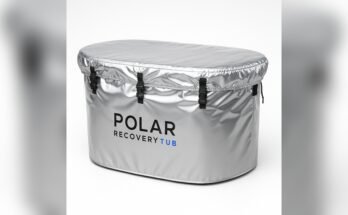
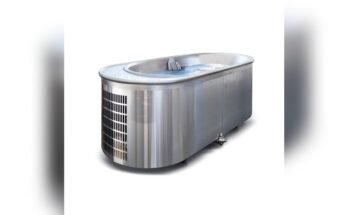
- Choose a tub: Regular bathtub, large plastic bin, or portable ice bath container.
- Get ice: One 5kg (10lb) bag of ice will chill most tubs. Adjust as needed.
- Use a thermometer: Aim for 10–15°C (50–59°F).
- Time your bath: Use a timer or phone alarm.
- Have a warm space ready: Dry towels, warm clothes, and a hot drink.
Pro tip: Add Epsom salts for extra muscle relief, but only if your skin is not sensitive.
Environmental And Cost Factors
Ice baths use a lot of water and ice, especially if you do them often. Consider using cold showers sometimes to save resources. Some gyms and wellness centers offer group ice bath sessions, which can be more eco-friendly.
Alternatives To Ice Baths
Not everyone enjoys cold water. Here are some alternatives:
- Contrast baths: Switch between hot and cold water for improved circulation.
- Cryotherapy chambers: Full-body cold therapy in a special chamber, often used by pro athletes.
- Massage: Increases blood flow and helps with muscle tension.
- Active recovery: Gentle movement (like walking or stretching) to help muscles recover.
Frequently Asked Questions
What Temperature Should An Ice Bath Be?
The best temperature for an ice bath is 10–15°C (50–59°F). This is cold enough for benefits but safe for most people. Use a thermometer to check before getting in.
How Long Should I Stay In An Ice Bath?
Most people stay in for 5–15 minutes. If you’re new, start with 3–5 minutes. Never go over 15 minutes, and always get out if you feel numb, dizzy, or very cold.
Can I Take An Ice Bath Every Day?
It’s not recommended for most people to use ice baths daily. 2–3 times per week is enough for athletes. Too much cold can slow down muscle repair and may stress your body.
Are Ice Baths Safe For Everyone?
Ice baths are safe for healthy adults, but people with heart problems, high blood pressure, or poor circulation should talk to a doctor first. Children and older adults should use higher temperatures and shorter times.
What Should I Do After An Ice Bath?
After an ice bath, dry off quickly and warm up. Put on warm clothes, move around, or drink something hot. This helps restore your body temperature and prevents chills.
Ice baths are more than just a trend—they offer real benefits for recovery, mood, and overall wellness when used wisely. Remember to listen to your body, start slow, and enjoy the powerful effects of cold water therapy. If you’re curious, give it a try and see how it makes you feel.