Ice baths have become a popular recovery method among athletes, fitness enthusiasts, and even people seeking relief from everyday muscle soreness. The idea of plunging into icy water may sound extreme, but many believe it offers fast recovery and a sense of rejuvenation.
But while ice baths are often praised for their benefits, fewer people talk about the potential risks and dangers. Before you try this cold therapy, it’s important to understand not just the positives, but also the side effects and serious risks that can come with it.
This article explores the risks of ice baths in detail. You’ll learn about the science behind cold water immersion, who should be careful, and how to minimize dangers. By the end, you’ll know whether ice baths are right for you, and how to approach them safely if you do decide to try.
How Ice Baths Work
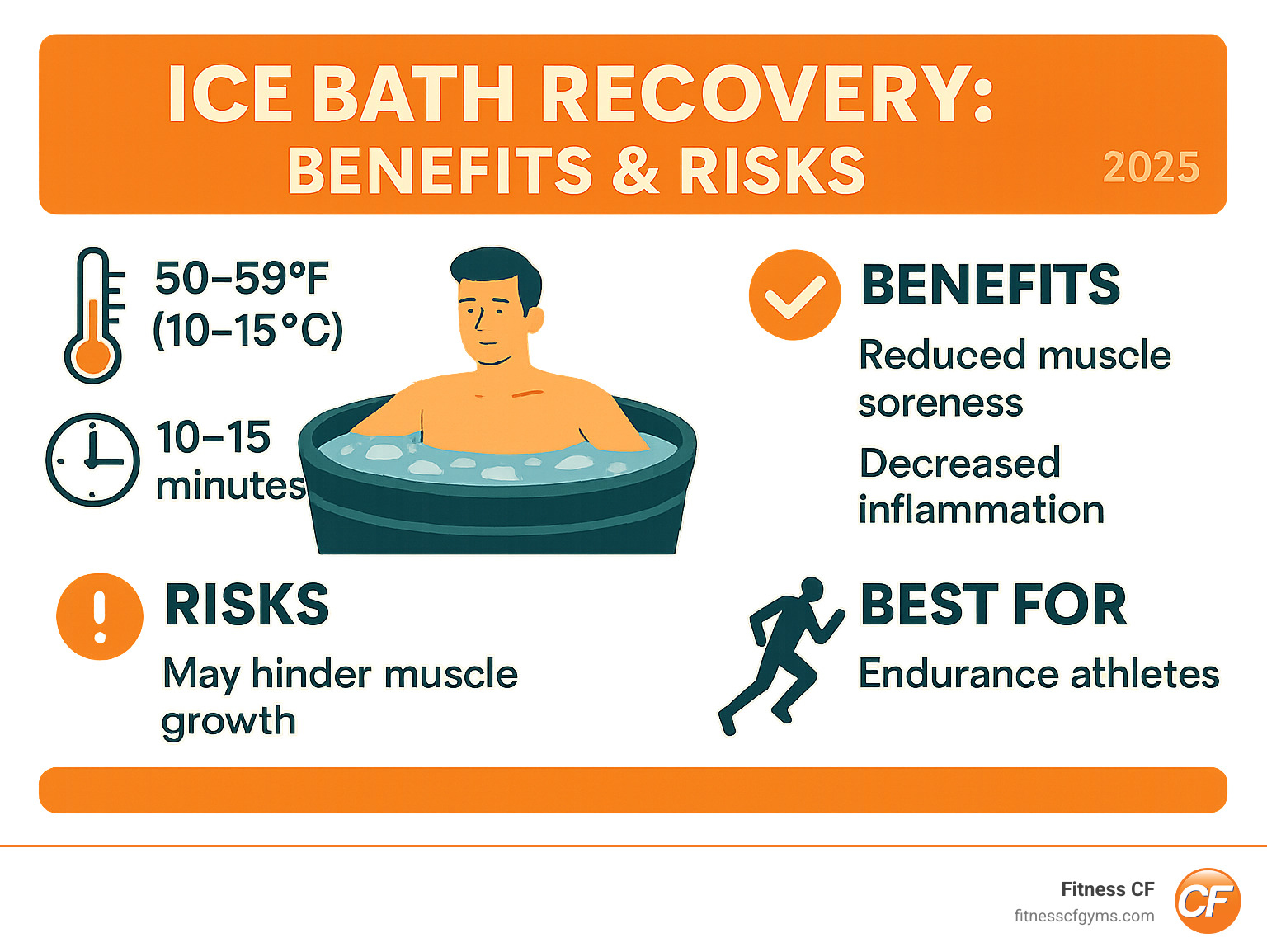
When you step into an ice bath, your body is exposed to water temperatures typically between 10°C and 15°C (50°F–59°F). This sudden cold causes your blood vessels to constrict, which is called vasoconstriction. The idea is that this reduces swelling and inflammation in your muscles. After you leave the bath and warm up, your blood vessels expand again, which can help flush out metabolic waste.
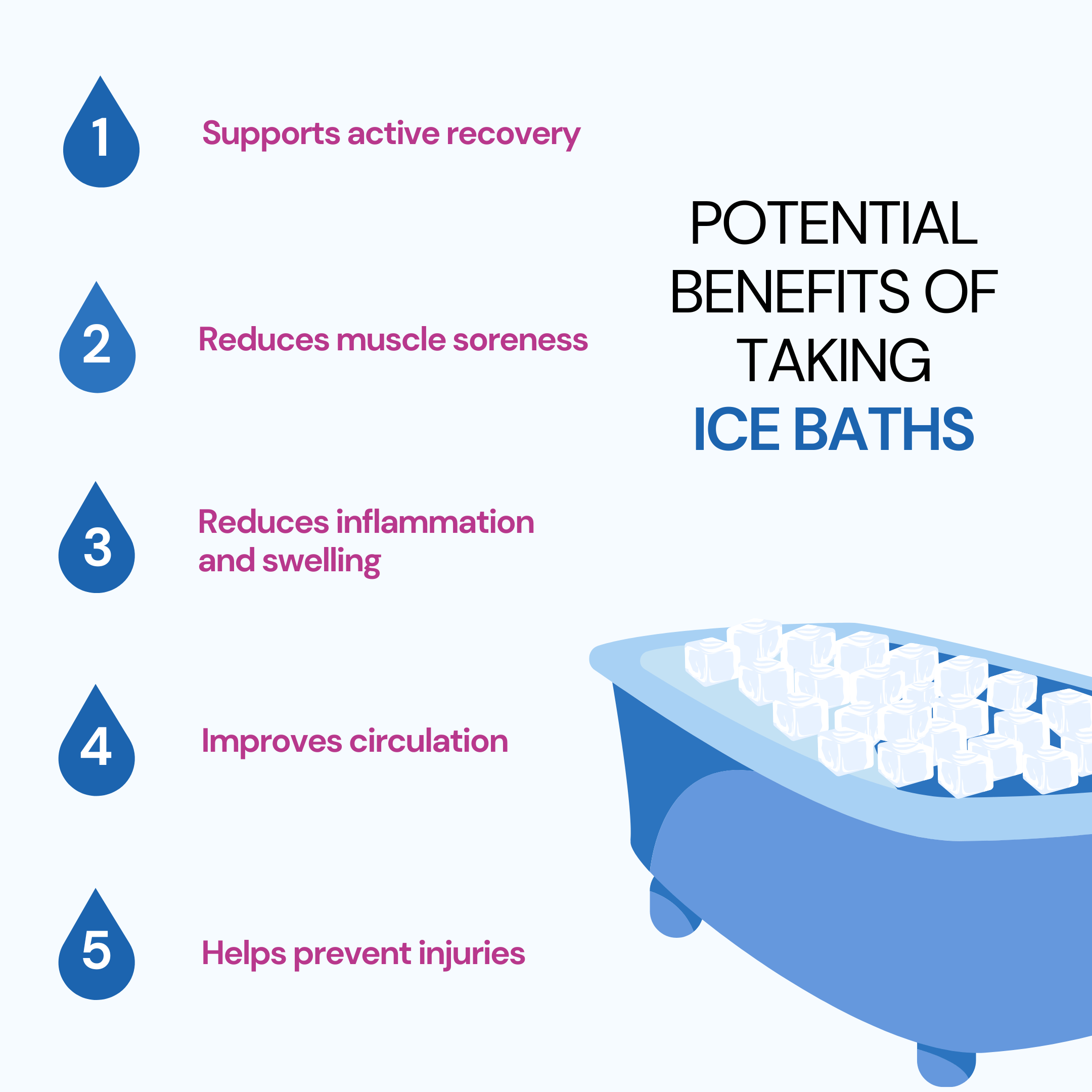
Many athletes use ice baths to recover after intense exercise, hoping to reduce muscle soreness and speed up healing. But, the same process that brings potential benefits can also trigger unwanted effects.
Who Is Most At Risk?
Not everyone responds to cold the same way. Certain groups face higher risks when using ice baths:
- People with heart conditions: Cold water can put extra stress on the heart.
- Individuals with high blood pressure: Sudden temperature changes can cause dangerous spikes or drops in blood pressure.
- Children and elderly: Their bodies regulate temperature less effectively.
- Those with nerve or circulation problems: Cold can worsen these issues.
- People on specific medications: Some drugs impact your body’s ability to react to cold.
Even healthy adults can experience risks if they stay in too long or use water that is too cold.
Physical Risks Of Ice Baths
Understanding the physical risks helps you make an informed choice. Here are the main dangers to consider:
1. Hypothermia
Hypothermia is when your body loses heat faster than it can produce, causing your core temperature to drop below 35°C (95°F). In an ice bath, this can happen surprisingly fast, especially if you stay in for more than 10–15 minutes.
Symptoms include:
- Intense shivering
- Numbness and tingling
- Confusion or slurred speech
- Slow heart rate
If hypothermia develops, it becomes a medical emergency. Beginners often underestimate how quickly this can set in. For example, a 2016 study found that core body temperature can fall by 1–2°C in just 20 minutes of immersion. People with low body fat are at greater risk because they have less natural insulation.
2. Cold Shock Response
When you first enter icy water, your body can react with a cold shock response. This includes gasping for breath, rapid breathing, and a racing heart. In some cases, it can cause panic or hyperventilation, even in strong swimmers.
The cold shock response can be dangerous because:
- You may inhale water by accident
- Heart rhythm can become irregular, especially in people with underlying conditions
- Blood pressure can spike suddenly
Even if you’re used to cold showers, an ice bath is usually much colder and more intense.
3. Cardiac Events
Cold water puts extra stress on your heart. When blood vessels constrict, your heart must work harder to pump blood. For people with known or unknown heart problems, this can trigger:
- Arrhythmias (irregular heartbeat)
- Angina (chest pain)
- In rare cases, heart attack
A 2018 review in the British Journal of Sports Medicine noted several cases where ice baths caused cardiac complications, even in seemingly healthy adults. The risk rises with longer immersion, colder water, and sudden entry.
4. Nerve And Tissue Damage
Extended exposure to cold can damage nerves and soft tissue. Nerve damage can show up as numbness, tingling, or weakness that lasts for days or weeks. In severe cases, frostbite can occur, especially if water is near freezing.
Tissue damage risk increases if:
- You stay in longer than 15 minutes
- Water is below 10°C (50°F)
- You have poor circulation
Fingers, toes, and other extremities are most at risk. Damage can be permanent if not treated quickly.
5. Infection Risks
Public ice baths, gym tubs, or shared cold plunge pools may carry bacterial or fungal infections. Cold water slows the immune response, making it easier for microbes to enter through small cuts or scrapes.
Common problems include:
- Folliculitis (inflamed hair follicles)
- Athlete’s foot
- Staph infections
Good hygiene, such as showering before and after and not sharing towels, reduces risk.
6. Delayed Muscle Recovery
Surprisingly, several recent studies suggest ice baths can actually slow muscle recovery if used too often or at the wrong time. Cold may blunt the natural inflammation needed for muscle repair and growth. For example, a 2015 study in the Journal of Physiology found that regular ice baths after strength training reduced muscle gains over 12 weeks.
This is especially important for people focused on building muscle or strength. Timing and frequency matter more than most beginners realize.
7. Worsening Certain Medical Conditions
For people with Raynaud’s disease, asthma, or cold urticaria (allergic reaction to cold), ice baths can trigger symptoms or serious attacks. Raynaud’s causes blood vessels in fingers and toes to spasm, leading to pain and color changes. Cold-induced asthma can cause wheezing and shortness of breath.
8. Loss Of Coordination
Cold water impairs muscle and nerve function. After just a few minutes, you may notice:
- Clumsiness
- Stiff fingers and toes
- Trouble standing up or walking
This increases risk of slipping, falling, or not being able to get out of the bath safely.
9. Drowning Risk
It may sound extreme, but losing consciousness or muscle control in an ice bath can lead to drowning, especially if you’re alone. The British Heart Foundation warns that sudden cold shock is one of the main causes of drowning in cold environments, even in shallow water.
Psychological And Emotional Risks
Physical dangers are only one side of the story. Ice baths also carry psychological risks, especially if you’re not prepared or have a history of mental health issues.
1. Anxiety Or Panic Attacks
The shock of cold water can cause panic attacks in some people. If you have a history of anxiety, the intense sensation may trigger hyperventilation, racing thoughts, or even a feeling of losing control.
2. Negative Associations With Exercise
If your first ice bath is traumatic, you may start to associate exercise or recovery routines with discomfort or fear. This can reduce motivation and enjoyment of your workouts.
3. Increased Stress Levels
While some people find ice baths relaxing after the initial shock, others experience heightened stress. Your body releases more stress hormones, such as cortisol, which can leave you feeling anxious or on edge for hours after the bath.
Practical Risks And Common Mistakes
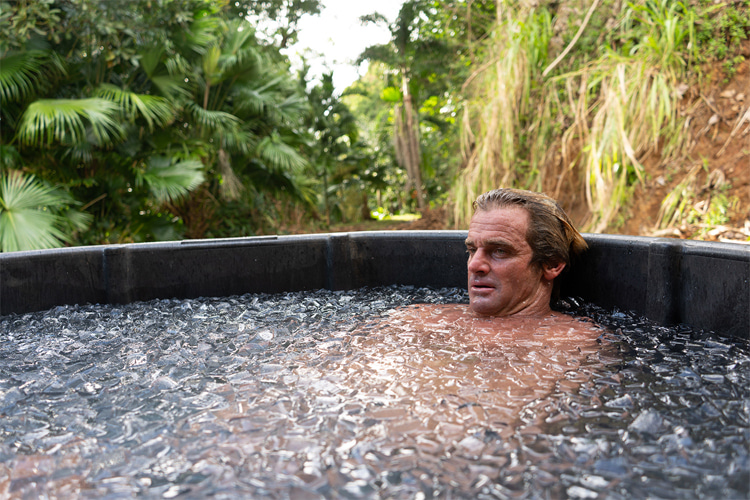
Many risks come from improper use. Here’s what often goes wrong:
- Using water that’s too cold: Below 10°C (50°F) increases all dangers.
- Staying in too long: Over 15 minutes raises risk of hypothermia and nerve damage.
- Going in alone: No one to help if you feel faint or can’t get out.
- Jumping in suddenly: Increases cold shock and heart stress.
- Not warming up after: Failing to reheat your body can prolong negative effects.
Below is a comparison of recommended vs. risky ice bath practices to help you stay safe:
| Safe Practice | Risky Practice |
|---|---|
| Water temperature 10–15°C (50–59°F) | Water below 10°C (50°F) |
| Session 5–10 minutes | Session over 15 minutes |
| Supervised immersion | Alone, unsupervised |
| Gradual entry | Sudden jump-in |
| Warm clothing after | No rewarming steps |
Long-term Risks
The risks don’t end with a single session. Repeated or incorrect use can lead to long-term problems:
1. Chronic Circulation Issues
Repeated constriction and dilation of blood vessels can weaken their function over time, especially if you have underlying vascular conditions. This may show up as frequent cold hands and feet or slow healing of injuries.
2. Hormonal Imbalances
Regular extreme cold can disrupt your body’s hormonal balance. For example, it may increase production of stress hormones (like cortisol) and lower testosterone if overused, according to some research.
3. Immune System Effects
Some studies suggest frequent ice baths might temporarily lower your immune response, making you more likely to catch infections, especially in the days after immersion.
4. Potential For Building Cold Tolerance Without Awareness Of Risks
With experience, people may feel less discomfort and believe they are immune to harm. However, the risk of tissue damage and hypothermia does not disappear—your body may simply stop sending strong warning signals.
Comparing Ice Baths To Other Recovery Methods
Ice baths are just one form of recovery. Here’s how they stack up against other options:
| Method | Main Benefit | Main Risk |
|---|---|---|
| Ice Bath | Reduces inflammation | Hypothermia, cardiac stress |
| Contrast Bath (hot-cold alternation) | Boosts blood flow | Same as ice bath, but less severe |
| Active recovery (light movement) | Improves circulation, low risk | May not relieve pain as quickly |
| Compression garments | Reduces swelling | Minimal risk |
| Massage | Relieves tightness, stress | None for most people |
Ice Bath Risks By Duration And Temperature
The dangers of ice baths depend heavily on how cold and how long you stay in. Here’s a quick summary:
| Temperature | Duration | Main Risks |
|---|---|---|
| 16–20°C (61–68°F) | 5–10 minutes | Mild discomfort, minimal risk |
| 10–15°C (50–59°F) | 5–10 minutes | Safe for healthy adults with supervision |
| Below 10°C (50°F) | Over 10 minutes | Hypothermia, nerve damage, cardiac events |
| Near 0°C (32°F) | Any duration | Cold shock, frostbite, drowning risk |
How To Minimize Ice Bath Risks
If you decide to use ice baths, there are steps you can take to reduce risks:
- Check your health: Talk to your doctor if you have heart, blood pressure, or circulation issues.
- Set the right temperature: Aim for 10–15°C (50–59°F), not colder.
- Limit time: Stay in for 5–10 minutes; never over 15 minutes.
- Don’t go alone: Have someone nearby in case you need help.
- Get in gradually: Ease your body in, don’t jump.
- Warm up after: Use warm clothing, blankets, or a shower to restore body heat.
- Skip if feeling unwell: Don’t use ice baths if you’re sick or very tired.
- Watch for warning signs: Leave immediately if you feel dizzy, numb, or confused.
One non-obvious tip: Never immerse your head in an ice bath. Keeping your head above water lowers the risk of cold shock and sudden heart rhythm changes.
Another often-overlooked point: Don’t use ice baths every day. Give your body time to recover naturally and avoid blunting the gains from your workouts.
What To Do If Something Goes Wrong
Act quickly if you or someone else shows signs of trouble:
- Shivering or numbness: Get out and warm up.
- Confusion or slurred speech: Call for medical help immediately.
- Trouble breathing, chest pain, or fainting: Seek emergency care.
Always err on the side of caution. It’s better to end the session early than to risk serious harm.
When To Avoid Ice Baths Entirely
Some people should avoid ice baths, no matter what:
- Known heart disease or arrhythmias
- Severe asthma or Raynaud’s disease
- Cold urticaria (allergy to cold)
- Poor circulation or nerve problems
- Under 18 or over 65 years old
For these groups, safer recovery methods are a better choice.
What Science Says About Ice Bath Risks
Research on ice baths is ongoing. While many studies support their short-term benefits for pain and swelling, others highlight the risks, especially with frequent use or for vulnerable individuals. For example, a 2017 review in Sports Medicine concluded that ice baths may help with soreness after intense exercise, but can hinder muscle adaptation if used too often. The authors caution that cold therapy is not risk-free, especially for beginners or people with health concerns.
For a deeper dive into the science behind cold water immersion and its risks, check out this summary from the Wikipedia entry on Cold Water Immersion.
Frequently Asked Questions
Can Ice Baths Cause Permanent Damage?
Yes, if used incorrectly, ice baths can cause permanent nerve or tissue damage. This usually happens with very cold water, long sessions, or if you have poor circulation. Always follow safe guidelines to reduce this risk.
How Cold Is Too Cold For An Ice Bath?
Water below 10°C (50°F) is considered too cold for most people. At this temperature, the risk of hypothermia, nerve injury, and cardiac events rises sharply. Stick to 10–15°C (50–59°F) for safety.
Are Ice Baths Safe For Everyone?
No. Ice baths are not safe for everyone. People with heart problems, high blood pressure, circulation issues, or certain medical conditions should avoid them. Children and older adults are also at higher risk.
How Often Can I Use Ice Baths Safely?
For most healthy adults, using an ice bath 1–2 times per week is enough. Daily use can slow muscle growth and increase risk of cold-related injuries. Listen to your body and use other recovery methods as well.
What Are Signs I Should Get Out Of The Ice Bath Immediately?
Leave the ice bath right away if you feel dizzy, confused, numb, weak, or have trouble breathing. These are warning signs of serious problems like hypothermia or heart issues. Don’t wait—get out and warm up.
Ice baths can feel refreshing and speed up recovery, but they are not risk-free. By understanding the dangers and taking smart precautions, you can make a safer choice for your health and fitness journey. Always weigh the risks and listen to your body before taking the plunge.