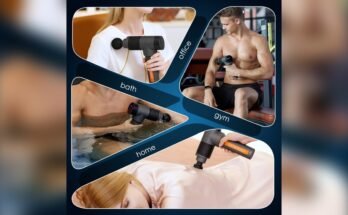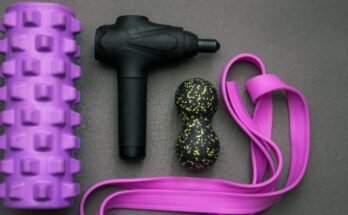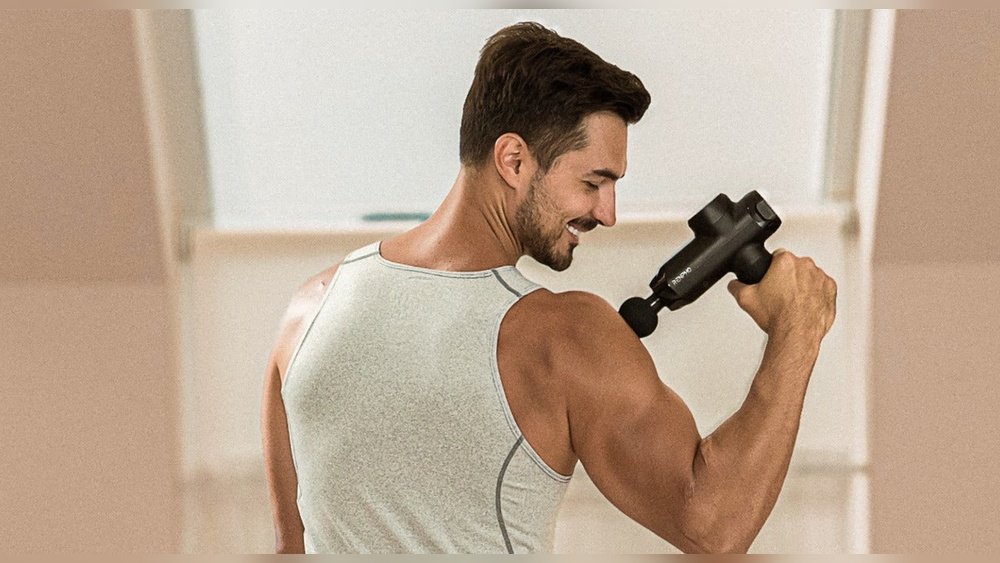
A massage gun can be a life-changing tool for muscle recovery, pain relief, and relaxation. Whether you’re an athlete, someone with a desk job, or just looking to unwind sore muscles, choosing the right massage gun makes all the difference.
The market is crowded with different models, features, and bold claims. But what really matters when you want a massage gun that works well for your needs? This guide explains each important feature, with real examples and insights that many buyers miss.
By the end, you’ll know exactly what to look for—and how to avoid common mistakes—so you can invest in a device that truly helps your body.
Power And Percussion Performance
When it comes to massage guns, the power is not just a number. It affects how well the device can relieve muscle tightness and break up deep knots. Most people see terms like “RPM” or “amplitude” and feel confused. Here’s what these mean and why they matter.
Stall Force
Stall force is the amount of pressure you can apply before the motor stops. A higher stall force (like 40-60 lbs) is better for athletes or people with dense muscles. For casual users, a lower stall force is usually enough. Some cheaper models stop running if you press harder, which can be frustrating if you need deep tissue relief.
Amplitude
Amplitude (sometimes called stroke length) is how far the head travels back and forth. Typical massage guns range from 8mm to 16mm. A higher amplitude reaches deeper muscles, which is important for recovery after heavy exercise. If you want light, relaxing massages, a lower amplitude is fine.
Speed Settings (rpm)
Look for a massage gun with adjustable speed settings—usually listed as “RPM” (revolutions per minute). Most quality devices offer 3 to 6 speeds, ranging from 1,200 to 3,200 RPM. More speeds mean you can fine-tune the massage for different parts of your body.
Non-obvious Insight
Many buyers focus only on the highest speed or amplitude. But a good massage gun balances stall force, amplitude, and speed. Too much speed with low amplitude feels “buzzy,” not deep. Too much amplitude with low stall force stalls the motor. Try to find a gun that balances all three for a real deep tissue effect.
Battery Life And Charging Options
A massage gun is only useful if it’s ready when you need it. Battery performance affects how often you can use your device without hunting for a charger.
Battery Capacity
Most massage guns use lithium-ion batteries. Look for a capacity of at least 2,000 mAh, which usually gives 2-6 hours of use per charge. Heavy-duty models may offer up to 8 hours, but real-world use is often less, especially at high speeds.
Charging Time
Charging times vary. Faster charging (2-3 hours) is helpful if you use your gun daily. Some premium models offer USB-C charging, so you can use the same cable as your phone or laptop.
Removable Batteries
Some professional models have removable batteries. This means you can buy a second battery and swap them for non-stop use. This is great for personal trainers or families sharing one device.
Non-obvious Insight
Battery life claims are usually based on the lowest speed. If you use higher speeds or more force, expect shorter run times. Also, check if the charger is included—some budget models sell it separately.

Portability And Weight
A massage gun should be easy to handle, especially if you travel or want to use it at the gym.
Size And Form Factor
Compact models are easier to pack in a gym bag or suitcase. Large, “professional” guns may offer more power but are heavier and harder to hold for long sessions. Look for a design that fits your hand comfortably.
Weight
Most massage guns weigh between 1. 5 and 3 pounds. Lighter guns are less tiring to use on yourself, but sometimes sacrifice power. If you have wrist or hand problems, choose a lighter model.
Carrying Case
A carrying case is not just for looks. It keeps attachments organized and protects the gun from damage. If you travel often or share the device, a case is a must-have.
Noise Level
Loud massage guns can be annoying for you and those around you. Some older models sound like power tools. Modern devices use quiet motors so you can relax or watch TV while using them.
Decibel Ratings
Check the decibel (dB) rating. Good massage guns are around 40-60 dB—about as loud as a normal conversation. Some ultra-quiet models go as low as 35 dB.
Real-world Use
Remember that noise increases at higher speeds and when pressing harder. Don’t just trust the numbers—look for user reviews that mention noise level in daily use.
Attachments And Massage Heads
Different parts of your body need different types of pressure. That’s why attachments matter.
Common Types
- Ball Head: Good for large muscle groups (thighs, glutes).
- Flat Head: All-purpose, works on most areas.
- Bullet Head: For pinpoint areas like trigger points or feet.
- Fork Head: Designed for the spine, neck, or Achilles tendon.
- Cushioned Head: For sensitive or sore spots.
A quality massage gun includes at least 4-6 different attachments. Hard plastic heads are more durable, while softer heads are gentler on bones.
Easy Attachment System
Changing heads should be simple and secure. Some cheaper guns have loose attachments that fall off during use.
Non-obvious Insight
Most people use only 1-2 heads, but having options is useful for family members or injury recovery. Also, check if replacement heads are available to buy separately.
Ergonomics And Handle Design
Holding a massage gun should not cause hand pain or fatigue.
Grip Shape
Look for a non-slip, ergonomic grip. Some models have angled handles, which make it easier to reach your back or shoulders.
One-handed Use
If you plan to use the gun on yourself, test if you can reach tricky spots (like upper back) without strain. Heavier or awkwardly shaped guns are best for use on others.
Button Placement
Controls should be easy to reach and adjust during use. Some models put buttons under your palm, which can lead to accidental changes.
Speed And Intensity Adjustments
Not every muscle or person needs the same intensity. Adjustable speed is crucial.
Speed Levels
Most massage guns have between 3 and 20 speed levels. More is not always better—what matters is smooth adjustment. Too many speeds can be confusing, while too few limit your options.
Digital Vs. Manual Controls
Digital screens are easier to read, especially if you want precise control. Manual switches are simpler and less likely to break.
Preset Programs
Some high-end models include preset routines for recovery, warm-up, or relaxation. These automate the speed changes for you.
Build Quality And Durability
Massage guns are an investment. Good build quality means longer life and less chance of breakdown.
Materials
Look for high-quality plastics or metal in the body. Cheap models often use thin plastic that cracks easily.
Motor Quality
Brushless motors are quieter and last longer than brushed ones. If the brand mentions “brushless motor,” it’s usually a good sign.
Warranty
A longer warranty (1-2 years) shows the company stands behind its product. Be wary of short or unclear warranties.
Safety Features
A massage gun should be safe for all users, including beginners.
Auto Shut-off
Many devices have a 10-20 minute auto shut-off to prevent overheating and injury. This is especially important if you might fall asleep during use.
Overheat Protection
Built-in sensors can shut off the gun if it gets too hot, protecting both you and the device.
Medical Approvals
Some massage guns have FDA registration or similar health certifications, giving extra peace of mind.
Price And Value For Money
A high price does not always mean high quality. Here’s what to consider.
Typical Price Range
- Entry-level: $50–$100
- Mid-range: $100–$250
- High-end: $250–$600
More expensive guns usually offer better build, quieter motors, and more power. But many mid-range options are almost as good for most users.
What You Get For The Price
Always check what’s included—attachments, case, extra batteries, and warranty. Some brands charge extra for these.
Avoiding Common Buyer Mistakes
- Don’t pay for features you won’t use (like Bluetooth).
- Beware of “copycat” brands with no real reviews or support.
- Don’t buy the cheapest option if you plan daily use—it may break quickly.

Smart Features And Tech Extras
Some Massage Guns Add “smart” Features. Are They Worth It?
Bluetooth Connectivity
A few models connect to your phone and guide you through routines with an app. This is useful for beginners but not necessary for everyone.
Pressure Sensors
Some guns show how much force you’re using. This helps prevent pressing too hard, which can bruise muscles.
Oled Or Led Screens
A clear screen helps you see speed, battery life, or force level. It’s handy but not essential.
Real-world Comparison: Popular Massage Guns
To help you see the differences, here’s a comparison of three popular models:
| Feature | Theragun PRO | Hypervolt 2 | Budget Model |
|---|---|---|---|
| Stall Force | 60 lbs | 40 lbs | 25 lbs |
| Amplitude | 16 mm | 12 mm | 10 mm |
| Speed Levels | 5 | 3 | 6 |
| Battery Life | 150 min (removable) | 180 min | 120 min |
| Noise | 55 dB | 50 dB | 65 dB |
| Price | $599 | $299 | $79 |

Massage Gun Features Vs. User Needs
Different people need different features. Here’s a quick guide:
| User Type | Essential Features | Nice-to-Have |
|---|---|---|
| Athletes | High stall force, amplitude, long battery | Smart app, removable battery |
| Office Workers | Quiet motor, lightweight, simple controls | Carrying case, cushioned head |
| Travelers | Compact size, USB charging | Lightweight, case |
| Seniors | Low speed settings, soft heads | Auto shut-off, easy grip |
Common Mistakes When Choosing A Massage Gun
- Ignoring stall force: Many buyers focus only on speed, but a weak stall force means the gun stops under pressure.
- Choosing the highest amplitude for everyone: Deep tissue power is not always better, especially for sensitive users.
- Buying based on price alone: Cheap models often break quickly or are too noisy to use comfortably.
- Forgetting about warranty and support: Without support, repairs or replacements are difficult.
- Overlooking weight and size: Heavy guns can cause arm fatigue, especially for self-use.
Practical Tips For First-time Buyers
- Test before you buy if possible. Feel the weight, try the grip, and listen to the noise.
- Read real reviews that mention long-term use, not just first impressions.
- Check return policies so you can swap models if it doesn’t fit your needs.
- Think about who will use it—family, friends, or just you—and choose attachments and features that match.
When To Upgrade Your Massage Gun
If you already own a basic massage gun, here’s when you might consider upgrading:
- You need more power for tougher knots or larger muscles.
- The battery no longer holds a charge.
- You want quieter operation or better ergonomics.
- You need new attachments for specific therapies.
Maintenance And Longevity
A massage gun is a tool—take care of it to make it last.
- Wipe down after use to remove sweat or oils.
- Keep attachments clean to avoid spreading bacteria.
- Charge only when needed—don’t leave plugged in for days.
- Store in the case to protect from drops and dust.
Most quality massage guns last 2-5 years with proper care. Cheap models may fail sooner due to motor or battery issues.
Are Massage Guns Safe For Everyone?
Massage guns are generally safe but not for everyone. Avoid using on:
- Open wounds or bruises
- Bone injuries or fractures
- People with pacemakers or certain medical implants (check with a doctor)
- Areas with poor sensation (due to nerve damage)
If you’re unsure, speak with a physical therapist or doctor before using.
The Role Of Massage Guns In Recovery
Many studies suggest that percussive therapy (the science behind massage guns) can reduce muscle soreness, improve range of motion, and speed up recovery after workouts. But they’re not a replacement for professional care if you’re injured. Used correctly, they can be a great addition to your routine.
You can read more about the science of percussive therapy at the Wikipedia page on Percussive Therapy.
Frequently Asked Questions
What Is The Ideal Stall Force For A Massage Gun?
For most users, a stall force of 30–40 lbs is enough for daily use and moderate muscle relief. Athletes or those needing deep tissue work may prefer 50 lbs or more. Remember, higher stall force means the device won’t stop when you press harder.
How Many Speed Settings Do I Really Need?
Three to six speed settings are enough for most people. This allows gentle to strong massages. More settings can be useful for fine-tuning, but too many can make the gun harder to use.
Are Massage Guns Safe To Use Every Day?
Yes, for most healthy adults, using a massage gun daily is safe. Limit use to 1–2 minutes per muscle group, and avoid using on injuries or broken skin. If in doubt, check with a healthcare provider.
Do Expensive Massage Guns Work Better Than Cheap Ones?
Usually, expensive massage guns offer better build quality, quieter operation, and more power. However, many mid-range models ($100–$250) perform almost as well as the top brands for most users. Focus on the features that matter to you, not just price.
Can I Use A Massage Gun On My Neck Or Spine?
Be careful using a massage gun on the neck or spine. Use a low speed and soft head, and avoid bony areas. Never use directly on the front of the neck or over the spine without expert advice.
—
A massage gun can be a valuable investment in your health and well-being—if you choose wisely. Focus on the features that match your needs, not just what’s popular or cheapest. By considering power, battery life, noise, attachments, ergonomics, and safety, you’ll find a device that helps you recover, relax, and move better every day.
Take your time, compare models, and don’t hesitate to ask questions before you buy. The right massage gun can make a real difference in how your body feels and performs.