If you’ve ever used recovery boots—also called compression boots—you know how good they can feel after a tough workout or a long day on your feet. But with all the different pressure settings and advice out there, one big question comes up: What pressure level should you use on recovery boots? Using the right pressure is important for safety, comfort, and getting the best results. Go too high, and you might feel pain or even risk injury. Too low, and you might not notice any real benefit.
Let’s explore the science and practical tips behind pressure levels for recovery boots, so you can make the best choice for your recovery, whether you’re an athlete, a fitness lover, or someone just seeking relief from tired legs.
Understanding Recovery Boots And How They Work
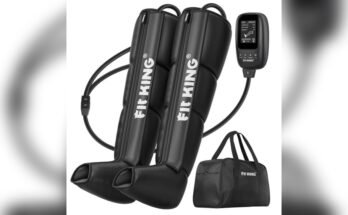
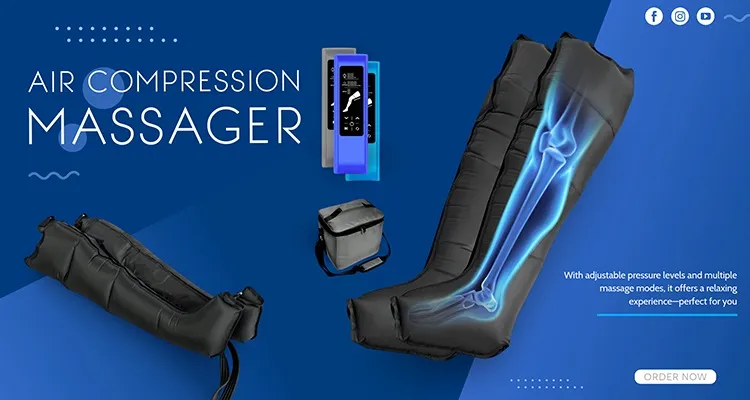
Recovery boots are inflatable sleeves that go around your legs. They use air compression to gently squeeze and release, helping to move blood and fluids through your muscles and veins. This process is called pneumatic compression therapy. It’s popular with runners, cyclists, basketball players, and even people who stand all day for work.
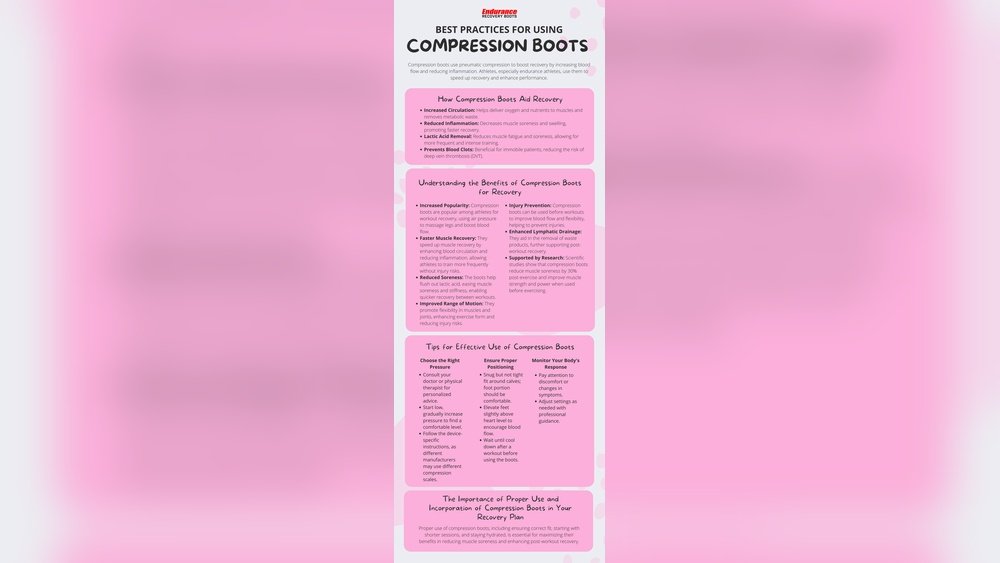
The idea is simple: the boots fill with air, squeeze your legs, then release. This gentle pressure helps your body get rid of waste products like lactic acid, reduce swelling, and bring in fresh blood. Many people say they feel less sore and more ready for their next workout after using them.
But the right pressure setting depends on several things: your body, your goals, and even the brand of boots you use.
What Is Pressure Level In Recovery Boots?
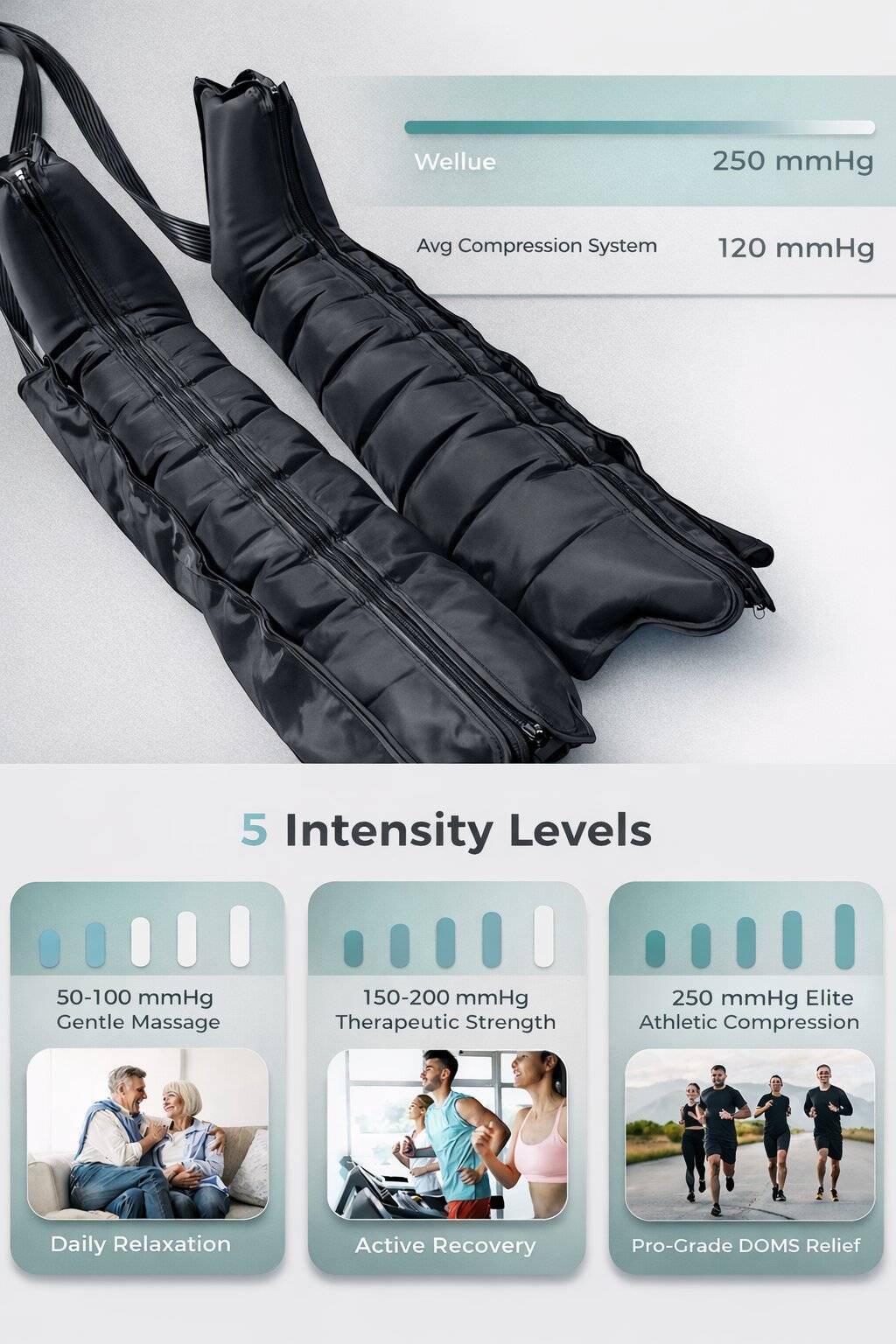
When people talk about pressure in recovery boots, they usually mean millimeters of mercury (mmHg)—the same way blood pressure is measured. Most recovery boots let you set the pressure anywhere from about 20 mmHg to 250 mmHg. Some advanced models go even higher.
Here’s what those numbers mean:
- Low pressure: Around 20–60 mmHg. Feels like a gentle hug for your legs.
- Medium pressure: About 60–120 mmHg. Noticeable squeeze, but still comfortable for most people.
- High pressure: 120 mmHg and above. Strong squeeze, similar to what you might feel during a tight blood pressure cuff.
But more pressure is not always better. In fact, using too much pressure can cut off blood flow or cause pain. Using too little might not help your recovery at all.
Why Pressure Level Matters
Finding the right pressure level is more than just comfort. It’s about getting results safely. Here’s why it matters:
- Blood Flow and Recovery: The right pressure increases blood flow, which helps your muscles heal and reduces swelling.
- Comfort: Too much pressure can feel painful or numb, while the right amount feels relaxing.
- Safety: Using extremely high pressure could damage blood vessels or nerves, especially if you have health issues.
- Results: The correct pressure can reduce soreness, speed up recovery, and help you get back to activity faster.
How To Choose The Right Pressure Level
There’s no single “best” pressure for everyone. The right setting depends on your body size, muscle soreness, recovery goals, and health conditions. Let’s break it down step by step.
1. Start Low And Increase Slowly
If you’re new to recovery boots, always start with a low pressure (20–40 mmHg). Try a short session (10–15 minutes). See how your legs feel during and after. If it feels too weak, you can slowly increase the pressure in your next session.
2. Listen To Your Body
You should feel a firm but comfortable squeeze. If you feel pain, tingling, numbness, or your toes turn pale, stop and lower the pressure.
3. Consider Your Recovery Goal
- General recovery or relaxation: 20–80 mmHg is usually enough.
- Heavy training or intense soreness: 80–120 mmHg may be better, but only if you’re used to compression.
- Medical needs (e.g., swelling, circulation issues): Follow your doctor’s advice. Sometimes even lower pressures are best.
4. Factor In Your Body Size
Larger legs or more muscle mass may handle higher pressures better. Smaller or thinner legs may need less.
5. Check Your Boot’s Manual
Different brands and models recommend different ranges. Some boots have preset programs for athletes, relaxation, or medical use. Always check the manual.
Comparing Pressure Levels: Low, Medium, And High
Let’s compare how different pressure levels feel and what they do.
| Pressure Level | mmHg Range | Sensation | Best For | Risks |
|---|---|---|---|---|
| Low | 20–60 | Gentle squeeze | First-time users, relaxation | Minimal risks |
| Medium | 60–120 | Firm, strong but comfortable | Active recovery, regular users | Possible discomfort if too high |
| High | 120–200+ | Tight, intense compression | Experienced users, deep soreness | Pain, numbness, reduced blood flow |
What Science Says About Recovery Boot Pressure
Several studies have looked at the effects of compression and pressure on recovery. Here’s what research and experts suggest:
- Low to medium pressure (20–100 mmHg) often improves blood flow and reduces soreness without side effects.
- One study found that intermittent pneumatic compression at 60–120 mmHg reduced muscle swelling and improved comfort after running.
- Very high pressures (over 150 mmHg) may not give better results and can even be risky for nerves and blood vessels.
- The American College of Sports Medicine recommends starting with lower pressures and increasing only if comfortable.
Every person is different. What works for a marathon runner may not work for someone recovering from a long work shift.
For further details on the science behind compression therapy, you can read more from the National Institutes of Health.
Recovery Boot Brands And Their Pressure Recommendations
Not all recovery boots are made the same. Different brands offer different pressure ranges and suggested settings. Here’s a quick look at some popular options.
| Brand | Pressure Range (mmHg) | Notes |
|---|---|---|
| NormaTec | 30–110 | Adjustable in steps; most users prefer 60–100 |
| Rapid Reboot | 20–200 | Wide range; start low for new users |
| Air Relax | 30–230 | Strong pressure; 80–120 common for athletes |
| RecoveryPump | 20–100 | Gentle to moderate, medical-grade |
| Hyperice | 30–110 | Similar to NormaTec, preset programs |
These numbers are guidelines. Always go by how you feel and never push past pain or numbness.
Factors That Affect The Right Pressure Level For You
Choosing a pressure setting is not just about numbers. Several factors play a role in finding the perfect level:
1. Experience Level
If you’re new to compression therapy, your legs are not used to strong pressure. Start low and work up slowly as your body adapts.
2. Muscle Soreness Or Fatigue
After a light workout, low pressure is enough. After a marathon, you might want more—but only if you’ve used recovery boots before.
3. Health Conditions
If you have varicose veins, diabetes, deep vein thrombosis (DVT), or nerve problems, always ask a doctor before using high pressures. Some conditions need special care, or may mean you should avoid recovery boots entirely.
4. Hydration Level
Compression moves fluids. If you’re dehydrated, high pressure can make you feel dizzy or unwell. Drink water before and after using your boots.
5. Leg Size And Boot Fit
Well-fitted boots work better at lower pressure. Loose boots may need more pressure to give the same effect, but this can be less safe.
6. Age
Older adults may have more sensitive veins and skin. Start with gentle settings and watch for any problems.
Step-by-step Guide: How To Find Your Ideal Pressure
Here’s a simple process for finding your personal best setting:
- Start with the lowest setting on your boots.
- Sit comfortably with your legs at heart level.
- Run a short 10–15 minute session. Notice how it feels.
- After the session, check your legs: Any pain, tingling, or color change? If not, you can try a slightly higher pressure next time.
- Increase by small steps (10–20 mmHg) each session until you find the strongest comfortable squeeze—never painful or numb.
- Use that setting for regular recovery. If your activity changes (harder workout, longer day), you can adjust up or down as needed.
Common Mistakes When Setting Pressure
Some mistakes are easy to make, especially for beginners. Here’s what to watch out for:
- Going too high, too fast: More pressure isn’t always better. High settings can hurt or cause nerve problems.
- Ignoring discomfort: If you feel pain or numbness, stop immediately. Don’t “tough it out.”
- Using the same setting every time: Your body changes. Adjust for soreness, fatigue, or daily needs.
- Not reading the manual: Brands are different. Always check the guide for your model.
- Skipping warm-up: Jumping into high pressure without letting your legs adjust can cause cramps.
Examples: How Different People Use Recovery Boot Pressure
Let’s look at three real-life examples:
- Serena, a marathon runner: After races, Serena uses 100 mmHg for 30 minutes. On easy training days, she drops to 60 mmHg.
- Carlos, a retail worker: Carlos stands all day. He likes 40 mmHg for 20 minutes after work to reduce swelling.
- Maya, a new fitness enthusiast: Maya started with 30 mmHg and slowly moved up to 70 mmHg as she got used to the feeling.
These examples show that even among active people, the best setting can vary a lot.
Advanced Tips For Getting The Most From Recovery Boots
Once you’re used to your recovery boots, these advanced tips can help you get better results:
- Combine with stretching: After a session, gentle stretching can further reduce muscle tightness.
- Stay hydrated: Compression helps move fluids. Drink water before and after.
- Use after workouts: For best results, use boots within an hour after exercise.
- Try different programs: Some boots have pulsing or zone-specific modes. Experiment to see what feels best.
- Track how you feel: Write down your settings, session times, and how you feel afterward to find patterns.
How Long Should A Recovery Boot Session Be?
Pressure isn’t the only thing that matters. Session length is important too.
- Short sessions (10–20 minutes): Good for daily use or quick recovery.
- Medium sessions (20–30 minutes): Best after heavy workouts or races.
- Long sessions (30–60 minutes): Only for experienced users and not more than once a day.
Using very high pressure for a long time can increase the risk of problems, so it’s better to use moderate pressure for a little longer than max pressure for a short time.
When To Avoid High Pressure
Some situations require extra caution:
- History of blood clots
- Severe varicose veins
- Diabetes with nerve issues
- Open wounds or skin infections
- Pregnancy (unless your doctor approves)
If you have any of these, talk to your doctor before using recovery boots, and stick to low pressure if you get the green light.
Comparing Recovery Boot Pressure To Other Recovery Methods
How does using recovery boots compare to other popular recovery methods, such as ice baths or massage? Here’s a quick look:
| Method | Main Benefit | Time Needed | Control Over Pressure | Comfort Level |
|---|---|---|---|---|
| Recovery Boots | Improved circulation, less swelling | 15–30 min | Yes | High (if set correctly) |
| Ice Bath | Reduces inflammation | 10–15 min | No | Low (can feel painful) |
| Massage | Muscle relaxation, stress relief | 30–60 min | Some (talk to therapist) | Medium–high |
| Foam Rolling | Breaks up muscle knots | 10–20 min | Yes (by body weight) | Medium (can be painful) |
This shows one big advantage of recovery boots: you can control the pressure exactly, making it more comfortable and tailored to your needs.
Two Insights Most Beginners Miss
- Pressure is not the only factor: Many think higher pressure equals faster recovery. But time, hydration, and the combination with other methods (like stretching or massage) can be just as important.
- You can adjust for different days: Don’t set your boots once and forget. If you feel extra sore one day, try a little more. If you’re just tired, use less. Adjust for your body, not just the numbers.

Frequently Asked Questions
What If I Don’t Feel Much At A Low Setting? Should I Increase The Pressure?
If you start at a low pressure and don’t feel a strong squeeze, it’s okay to gradually raise the setting. Increase in small steps (10–20 mmHg) until you feel a firm but comfortable compression. Never jump straight to the highest setting, especially if you’re new to recovery boots.
Can I Use The Same Pressure As My Friend Or Training Partner?
Not always. Everyone’s body is different. Leg size, muscle mass, and sensitivity vary. Start with your own comfort in mind, not someone else’s setting. What feels good for them could be too much—or too little—for you.
Is It Safe To Use Recovery Boots Every Day?
For most healthy people, yes. Daily use at low to moderate pressure is safe. If you use very high pressure or have health issues (like circulation problems), talk to your doctor first. Always listen to your body and take breaks if you notice any discomfort.
What Are Signs That The Pressure Is Too High?
Warning signs include pain, numbness, tingling, or your feet turning pale or cold. If you feel any of these, stop the session and lower the pressure next time. Compression should never hurt.
Do I Need To See A Doctor Before Using Recovery Boots?
If you are healthy and just want recovery or relaxation, you usually don’t need a doctor’s visit. But if you have circulation problems, diabetes, varicose veins, or a history of blood clots, check with your doctor before using recovery boots—especially at higher pressures.
Getting the right pressure level on recovery boots makes a big difference in comfort and results. Start low, listen to your body, and adjust as you go. With a little attention, you’ll find the perfect setting for your recovery and avoid common mistakes.
Recovery boots are a tool, not a magic solution—use them wisely, and they’ll help you bounce back faster, whether you’re chasing a marathon finish or just hoping for pain-free legs at work.