Many people are now exploring the benefits of cold plunges—whether as part of athletic recovery, wellness routines, or simply to boost energy. But one question comes up over and over: What temperature is ideal for cold plunge? The answer isn’t as simple as one number. The right temperature depends on your goals, your experience, and even your health. If you’ve ever wondered how cold is “cold enough,” what’s safe, or how to get the most from your plunge, you’re in the right place.
This guide will help you understand the science, the different recommendations, and how to choose the best temperature for your own cold plunge journey. You’ll also learn what to avoid, how to adjust for your body, and get answers to common questions.
Let’s break down everything you need to know—so you can chill out with confidence.
What Is A Cold Plunge?
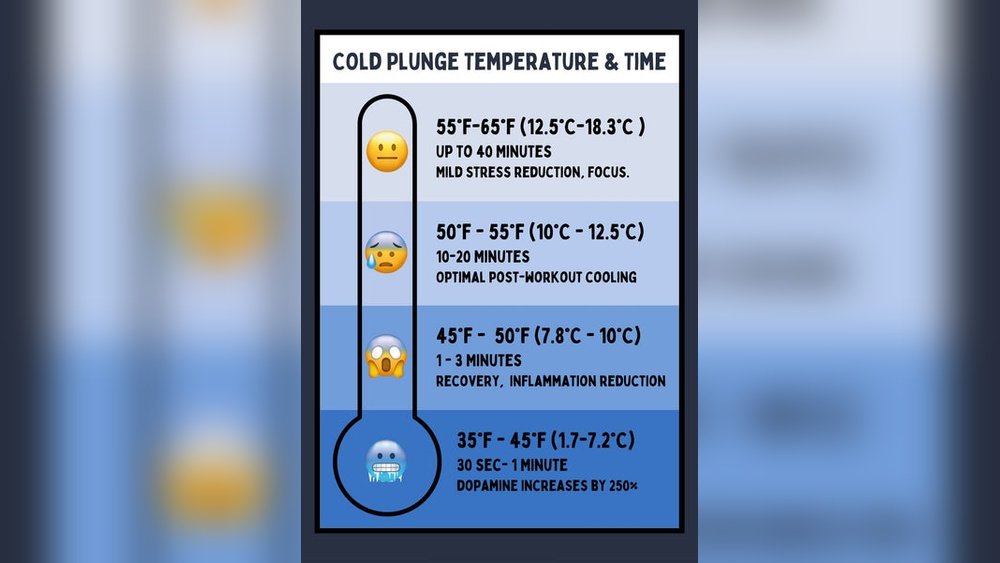
A cold plunge is a practice where you immerse your body in cold water, usually for a short time. The water temperature is much colder than a regular bath, often between 39°F and 59°F (4°C to 15°C). People use cold plunges for muscle recovery, reducing inflammation, boosting mood, and increasing alertness.
Cold plunges are not a new trend. This method is used by athletes, wellness advocates, and even in some cultures for hundreds of years. Today, you can find cold plunge tubs in spas, gyms, or even set up at home with a bathtub and a few bags of ice. The key factor is the temperature: too warm and you lose the benefits, too cold and it could be unsafe.
Why Temperature Matters So Much
The temperature of your cold plunge is the most important factor. It affects how your body responds, what benefits you get, and how safe the experience is.
When you enter cold water, your blood vessels narrow, your heart rate increases, and your body starts working to keep you warm. If the water is not cold enough, you might not trigger these reactions. But if it’s too cold, you risk shock, numbness, or even hypothermia.
Finding the right temperature means balancing effectiveness and safety. For beginners, the ideal range is different than for someone who has done cold plunges for years.
The Science Behind Cold Plunge Temperatures
Research gives us good clues about the best temperature for cold plunges. Studies often use water between 50°F and 59°F (10°C to 15°C) for muscle recovery and inflammation. This is cold enough to get benefits, but not so cold that it becomes dangerous for most healthy people.
Some experts and athletes use temperatures as low as 39°F (4°C). But lower temperatures bring higher risks, especially for beginners or people with certain health conditions. The World Health Organization considers water below 59°F (15°C) as “cold water” and notes that sudden immersion can be risky below 41°F (5°C).
A few key points from research:
- 50°F to 59°F (10°C to 15°C) is effective for most people, balancing safety and benefits.
- Athletes sometimes use colder temperatures for short periods, but this is not necessary for most users.
- The duration of your plunge matters as much as the temperature. Colder water means you should stay in for less time.
Ideal Temperature Ranges For Different Goals
Not everyone uses cold plunges for the same reason. Your goal affects what temperature is best for you.
| Goal | Recommended Temp (°F) | Recommended Temp (°C) | Notes |
|---|---|---|---|
| Muscle Recovery | 50-59 | 10-15 | Most research supports this range |
| Mental Boost / Alertness | 54-60 | 12-16 | Safe for beginners, good for mood |
| Advanced Adaptation | 39-50 | 4-10 | Only for experienced users |
| General Wellness | 55-60 | 13-16 | Easy to start, less risk |
Let’s look at these in more detail:
Muscle Recovery
Most studies on athletes use water between 50°F and 59°F (10–15°C). This range helps reduce muscle soreness, speeds up recovery, and lowers inflammation. If you are using a cold plunge after a workout, this is the sweet spot. Staying for 10-15 minutes at these temperatures is common in research.
Mental Boost Or Mood
If you want to use a cold plunge to wake up, boost energy, or improve mood, you don’t need to go as cold. Water between 54°F and 60°F (12–16°C) is enough to activate your nervous system and get a rush of endorphins.
Most people find this range challenging but not overwhelming.
Advanced Users
Some people choose water as cold as 39°F (4°C), but this is only for those with experience and no health risks. Cold plunges at this temperature should last just 1-3 minutes. Even advanced athletes sometimes avoid going this cold due to the risk of cold shock.
General Wellness
For daily use, or if you want to make cold plunges a healthy habit, 55°F to 60°F (13–16°C) is a comfortable starting point. This range gives benefits without the risk of extreme discomfort or shock.
How To Choose Your Ideal Temperature
Finding your ideal temperature depends on your experience, health, and what you want from the plunge.
- Beginners: Start with 55°F to 60°F (13–16°C). This is challenging but safe for most people.
- Intermediate: After 1-2 weeks, you can try 50°F to 54°F (10–12°C). Listen to your body and step out if it feels too much.
- Advanced: Only go below 50°F (10°C) if you have experience and no health risks. Never plunge alone at these temperatures.
A practical way to test: Fill your tub with cold tap water, add ice, and use a thermometer. Start higher and go colder over time.
Listen To Your Body
Even if you follow the numbers, your body gives you the best feedback. Shivering, numbness, or pain are signs the water is too cold or you’ve stayed too long. You should feel challenged but not panicked.
Duration: How Long Should You Stay In?
The colder the water, the shorter the time you should stay in.
| Temperature (°F) | Temperature (°C) | Recommended Duration |
|---|---|---|
| 39-45 | 4-7 | 1-3 minutes (max) |
| 46-50 | 8-10 | 2-5 minutes |
| 51-59 | 11-15 | 5-15 minutes |
| 60+ | 16+ | Up to 20 minutes |
- Shorter times are safer at lower temperatures.
- Longer durations can be used at warmer cold plunge temperatures, but benefits may be less.

Cold Plunge Vs. Ice Bath: Is There A Difference?
Many people use the terms cold plunge and ice bath as the same thing, but there are some differences.
- Cold plunge usually means a tub or pool with water kept at a steady temperature (often by a chiller). The temperature is controlled and stable.
- Ice bath is usually made by adding ice to water, often in a bathtub. The temperature can change as the ice melts.
The most important thing is the temperature, not the name. Both can be effective if the water is in the right range. However, cold plunge tubs are easier to control, especially for people who want to be precise.
Safety Considerations For Cold Plunges
Cold water immersion has many benefits but also some risks. It’s important to be aware and stay safe.
- Never plunge alone, especially below 50°F (10°C). Cold shock can cause dizziness or even fainting.
- Limit your time. Even at safe temperatures, set a timer and get out if you feel dizzy, numb, or out of breath.
- Warm up slowly after your plunge. Use a towel, warm clothes, and gentle movement. Don’t jump into a hot shower immediately, as this can stress your body.
- People with heart conditions, high blood pressure, or certain health issues should talk to a doctor first.
- Avoid alcohol or drugs before plunging. These can dull your body’s warning signals.
Early Warning Signs To Watch For
- Intense shivering
- Numb hands or feet
- Confusion or trouble speaking
- Blue lips or skin
If you notice any of these, exit the water and warm up immediately.
Benefits Of The Ideal Cold Plunge Temperature
When you use the right cold plunge temperature, you unlock many benefits:
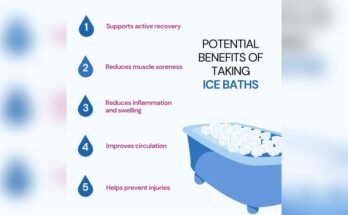
- Reduces muscle soreness: Especially after hard workouts.
- Boosts mood and alertness: Cold water triggers the release of endorphins and adrenaline.
- Improves circulation: Your body works to keep you warm, boosting blood flow.
- May reduce inflammation: Helpful for athletes and anyone with sore joints.
- Supports mental resilience: Regular plunges build discipline and mental strength.
But the wrong temperature can increase stress, cause injuries, or make you want to quit. That’s why finding your personal ideal range is so important.
Common Mistakes To Avoid
Even experienced users make mistakes with cold plunges. Here are some to avoid:
- Going too cold, too soon: Start at higher temperatures and work your way down.
- Staying in too long: The benefits don’t increase if you push past your limits.
- Ignoring body signals: If you feel weak, dizzy, or numb, get out.
- Plunging alone: Always have someone nearby, especially at lower temperatures.
- Not measuring the water: Guessing can lead to unsafe experiences. Use a thermometer.
How To Set Up A Cold Plunge At Home
You don’t need a fancy spa to try cold plunges. Here’s how to set up a safe plunge at home:
- Use a bathtub or large container. Clean it well before each use.
- Fill with cold tap water. Most tap water is between 50°F and 60°F (10–16°C).
- Add ice if needed. Use a thermometer to check the temperature.
- Stir the water to even out the temperature.
- Set a timer before you get in.
- Keep towels and warm clothes nearby for after.
Pro tip: Start with a few minutes at a higher temperature before making it colder. This helps your body adapt and keeps the experience enjoyable.
How Temperature Affects Different People
Not everyone reacts the same way to cold water. Age, gender, body fat, and even genetics play a role. Here’s how:
- Women often feel colder faster than men due to differences in muscle and fat.
- Older adults may have less tolerance for very cold water.
- Lean people get cold faster than those with more body fat.
- People with heart issues should be extra careful.
If you’re new, always start at the warmer end of the recommended range and see how your body responds.
Cold Plunge Temperature Myths Debunked
There are many myths about cold plunges. Let’s clear up a few:
- “Colder is always better.” Not true. The sweet spot is 50°F to 59°F (10–15°C) for most benefits.
- “You have to use ice.” You can get results with cold tap water, especially in winter.
- “Longer plunges are better.” Staying in too long can be dangerous.
- “Only athletes need cold plunges.” Anyone can benefit with the right temperature.
Real-world Examples
Professional Athletes
Many top athletes use cold plunges for recovery. For example, NBA and NFL teams often set their plunge tubs to 50°F–55°F (10–13°C) for post-game recovery. Sessions last 10–15 minutes.
Home Users
People at home often start with colder tap water, which is usually safe and effective. Some use ice to reach the 50°F (10°C) mark, but most find benefits with water as warm as 59°F (15°C).
Wellness Centers
Spas and wellness centers set their cold plunge pools between 50°F and 59°F (10–15°C), based on research and safety. Staff monitor users to ensure safety.
Cold Plunge Temperature And Health Conditions
If you have any health conditions, especially heart or blood pressure problems, consult a doctor before cold plunging. Cold water puts stress on your heart and blood vessels.
People with Raynaud’s disease (cold-induced blood vessel spasms) or circulation problems should avoid very cold water. Diabetics should also be careful, as nerve damage can affect sensation.
Tips For Getting The Most From Your Cold Plunge
- Breathe deeply: Slow, deep breaths help control your body’s response.
- Move gently: Wiggle your fingers and toes to keep circulation up.
- Warm up gradually: Don’t rush into hot water after your plunge.
- Stay consistent: Regular plunges (2-3 times a week) bring the best results.
- Track your progress: Keep a journal of temperatures and how you feel.
How To Measure Water Temperature Accurately
Using a simple waterproof thermometer is the best way. Don’t guess—your body can’t always tell the difference between 50°F and 60°F. Digital pool thermometers are cheap, reliable, and easy to use.
If you use a cold plunge tub with a built-in chiller, check the display and test with a thermometer sometimes to be sure.
How Cold Plunge Temperature Compares To Other Cold Therapies
Cold plunges are just one type of cold therapy. Here’s how they compare:
| Therapy Type | Typical Temp (°F) | Duration | Key Benefit |
|---|---|---|---|
| Cold Plunge | 50-59 | 5-15 min | Whole-body recovery, mood boost |
| Ice Bath | 39-59 | 1-10 min | Intense muscle recovery |
| Cryotherapy Chamber | -166 to -220 | 2-4 min | Quick, extreme cold exposure |
| Cold Shower | 60-70 | 5-10 min | Easy, daily use |
Each method has its own strengths. Cold plunges are more accessible than cryotherapy and more controlled than cold showers.

Cold Plunge Culture Around The World
Cold water immersion is popular in many countries. In Finland, people jump into icy lakes after sauna. In Russia and Eastern Europe, winter swimming is a tradition. Even in Japan, Shinto monks use cold waterfalls for purification.
In all these cultures, people start slowly and respect the power of cold water. They rarely use extreme temperatures and always focus on safety.
Where To Learn More
If you want to dive deeper into the science, Wikipedia’s page on cold water immersion is a reliable place to start. You’ll find links to studies and more technical details about how cold water affects the body.
Frequently Asked Questions
What Is The Safest Cold Plunge Temperature For Beginners?
For most beginners, 55°F to 60°F (13–16°C) is safest. This range is cold enough to give health benefits but not so cold that it becomes risky. Start here, and go colder only as you gain experience and confidence.
How Much Ice Do I Need To Add To My Bath For A Cold Plunge?
It depends on your tap water temperature. For a standard bathtub (about 80 gallons or 300 liters) with tap water at 65°F (18°C), adding 20-40 pounds (9-18 kg) of ice usually brings the temperature down to the 50°F–59°F (10–15°C) range. Always measure with a thermometer to be sure.
Can Cold Plunge Temperatures Be Dangerous?
Yes. Water below 50°F (10°C) can cause cold shock, numbness, or even hypothermia if you stay too long. Always follow safety guidelines: never plunge alone, set a timer, and listen to your body. People with health conditions should consult a doctor first.
How Often Should I Do A Cold Plunge?
Most people see benefits with 2-3 plunges per week. Some advanced users go daily, but it’s important to allow your body to recover. Consistency is more important than frequency—regular sessions at safe temperatures work best.
Is A Cold Shower As Effective As A Cold Plunge?
Cold showers give some of the same benefits, like increased alertness and mood boost. But cold plunges are more effective for muscle recovery and reducing inflammation, because they immerse your whole body at a steady, colder temperature.
Finding your ideal cold plunge temperature is not about chasing the coldest number. It’s about using the right range for your body, your goals, and your safety. Start with a higher temperature, track how you feel, and adjust as needed.
Remember, the journey is personal—what matters most is consistency, listening to your body, and respecting the power of cold water. With knowledge and care, you’ll get the most from every plunge.