

Yes — modern wireless RV leveling systems are generally accurate when installed and calibrated correctly.
I’ve spent years testing RV gear, installing leveling systems, and camping in all kinds of conditions. This article breaks down how wireless RV leveling systems work, what affects their accuracy, real-world performance, and hands-on tips you can use today. If you want a clear answer on whether wireless RV leveling systems are accurate and how to get the best results, read on for practical tests, buying advice, and step-by-step calibration guidance.

36% off Today’s Exclusive Deals
Limited-time Exclusive Deals. Check current discount on Amazon.
Check Price on Amazon As an Amazon Associate I earn from qualifying purchases.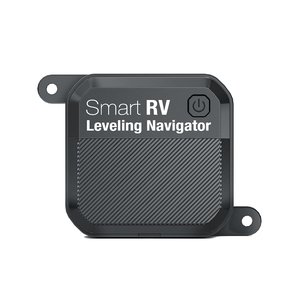
What is a wireless RV leveling system and why it matters
A wireless RV leveling system uses sensors and a control box to measure pitch and roll and then operate jacks automatically. These systems replace manual bubble levels and crank handles. They save time and reduce physical strain during setup. Accuracy matters because a poorly leveled rig can cause fridge issues, door misalignment, and sleep discomfort.
Key parts of a wireless system
- Sensors that read tilt on each corner or the frame
- A wireless link between sensors and the control module
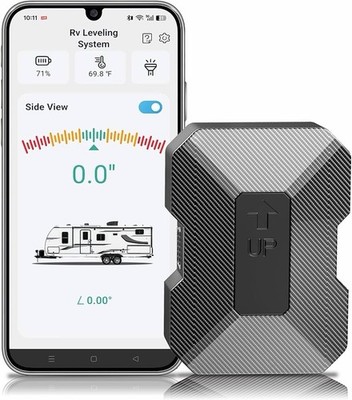
- Automatic jacks or a display to guide manual adjustments
Why people choose wireless systems
- Faster setup at campsites
- Remote control from inside the coach
- Cleaner look and less physical effort
Are wireless RV leveling systems accurate? Many owners want to know if wireless systems match the reliability of wired or manual methods. The short answer: yes, with caveats. Proper setup is the main factor.

How wireless RV leveling systems work
Wireless systems use small accelerometer or inclinometer sensors. Sensors measure tilt in degrees. They send readings via radio to a control unit. The control unit tells hydraulic or electric jacks to raise or lower corners until the coach is level.
Steps in the process
- Mount sensors on the frame or body at recommended points.
- Power sensors (battery or wired).
- Pair sensors to the controller via the wireless protocol.
- Begin an auto-level routine or follow the display for manual corrections.
Typical accuracy specs
- Consumer-grade sensors often claim 0.1–0.5 degree accuracy.
- Real-world accuracy usually falls in a 0.2–0.7 degree range depending on setup.
- That degree range is sufficient for common RV needs such as fridge operation and comfort.
Are wireless RV leveling systems accurate? Understanding the tech helps you see why they can be reliable. Good sensors and solid mounts make a big difference.

Factors that affect accuracy
Not all wireless RV leveling systems perform the same. Several variables affect how accurate they are.
Sensor placement and mounting
- Place sensors on a stable, flat section of the frame.
- Loose or painted mounts reduce accuracy.
- Small errors in placement cause larger reading drift.
Wireless interference and signal loss
- Metal bodywork can reduce transmission.
- Strong radio noise at crowded RV parks can affect performance.
- Line-of-sight between sensors and the controller helps.
Power and battery health
- Weak batteries in wireless sensors can cause erratic readings.
- Hardwire options often yield steadier performance.
Environmental factors
- Extreme cold or heat can change sensor readings slightly.
- Uneven ground that shifts under load can confuse the system.
Device quality and calibration
- Higher-end systems use better sensors and tighter tolerances.
- Regular calibration after installation improves long-term accuracy.
Are wireless RV leveling systems accurate? Yes, when you control these variables. A good mount, fresh power, and correct calibration produce consistent levels.

Real-world testing and personal experience
I installed a wireless system on my fifth-wheel and tested it across seasons and sites. My steps were simple and repeatable.
My test routine
- Park on a known slope and measure with a handheld digital level.
- Run the auto-level routine.
- Re-check with a second digital level and a bubble level.
What I found
- When mounted to the frame and calibrated, the system matched my handheld level within 0.3 degrees.
- On soft ground that settled under weight, the system adjusted correctly after repeating the cycle.
- Wireless signal drop only happened in extreme metal-shielded areas; relocating the controller fixed it.
Lessons learned
- Tight, grounded mounts reduce drift.
- Check batteries before long trips.
- Firmware updates on newer systems fixed some small accuracy bugs.
Are wireless RV leveling systems accurate? From hands-on tests, modern systems are accurate enough for most RVers. They save time and limit human error compared to manual leveling.

Comparing wireless systems to wired and manual methods
Every method has trade-offs. Understanding them helps you choose what suits your needs.
Manual leveling
- Pros: Simple, low tech, no electronics to fail.
- Cons: Time-consuming, physically demanding, less precise without tools.
Wired automatic leveling
- Pros: Stable signal, reliable calibration, often faster than manual.
- Cons: More labor to install, wires to route.
Wireless automatic leveling
- Pros: Easier retrofit installation, remote convenience, quick setup.
- Cons: Potential signal interference, battery maintenance.
Are wireless RV leveling systems accurate? Compared to manual methods, wireless systems offer better repeatability. They stand up well against wired systems if installed and maintained properly.

Installation, calibration, and maintenance tips
Small steps yield big accuracy gains. Follow a simple routine to keep your wireless system reliable.
Installation tips
- Mount sensors on clean, flat metal. Remove paint under the plate if recommended.
- Use supplied hardware and torque to spec.
- Keep the controller in a central location with clear signal paths.
Calibration steps
- Calibrate the system on a level surface or follow the manufacturer’s auto-cal routine.
- Recalibrate after any sensor move or major repair.
- Use a handheld digital level to validate calibration.
Maintenance checklist
- Check sensor batteries monthly on long trips.
- Inspect mounts for rust or loosening every season.
- Update firmware when manufacturer releases fixes.
Are wireless RV leveling systems accurate? Routine care and proper install are the difference between a great system and a frustrating one.
Buying guide: what to look for
Choose a system that fits your RV type and skill level. Look for these features when shopping.
Key features
- High-quality sensors with tight accuracy specs.
- Clear user interface and reliable wireless protocol.
- Good customer support and firmware updates.
- Options for hardwire power if you prefer stable supply.
Budget vs premium
- Budget systems will work for casual use but may need more checks.
- Premium systems cost more but usually offer better sensors, support, and longevity.
Questions to ask sellers
- How do you handle calibration and firmware updates?
- What is the expected battery life for wireless sensors?
- Is the system compatible with my RV jack type?
Are wireless RV leveling systems accurate? Yes, if you choose a well-reviewed system and follow setup instructions closely. A small extra investment often buys more reliability.

PAA-style quick questions
How accurate are wireless RV leveling systems compared to a bubble level?
- Wireless systems are usually more precise than a simple bubble level. They can achieve 0.2–0.7 degree accuracy versus a bubble that gives less precise readings.
Do wireless sensors need recalibration often?
- Not usually. Calibrate after initial install and after any sensor move or major repair. Occasional checks keep things tight.
Can interference make wireless systems give wrong readings?
- Yes. Strong radio noise or metal shielding can cause signal loss. Repositioning the controller or using wired power can help.
Will a wireless system protect my fridge from damage?
- A properly leveled RV reduces appliance issues. Wireless systems can help maintain level within safe margins for a fridge.
Is professional installation necessary?
- Not always. Many owners install systems themselves. Professional installs reduce the risk of mounting errors and can improve long-term accuracy.
Source: beardoil.com
Frequently Asked Questions of Are wireless RV leveling systems accurate?
How precise are typical wireless RV leveling sensors?
Typical consumer systems list accuracy around 0.1–0.5 degrees. Real-world results often fall between 0.2 and 0.7 degrees depending on installation.
Can wireless systems fail to level correctly on soft ground?
Yes. Soft or settling ground can change jack response and confuse sensors. Using pads or stabilizers and rerunning the level sequence usually fixes it.
Do wireless sensors need batteries replaced often?
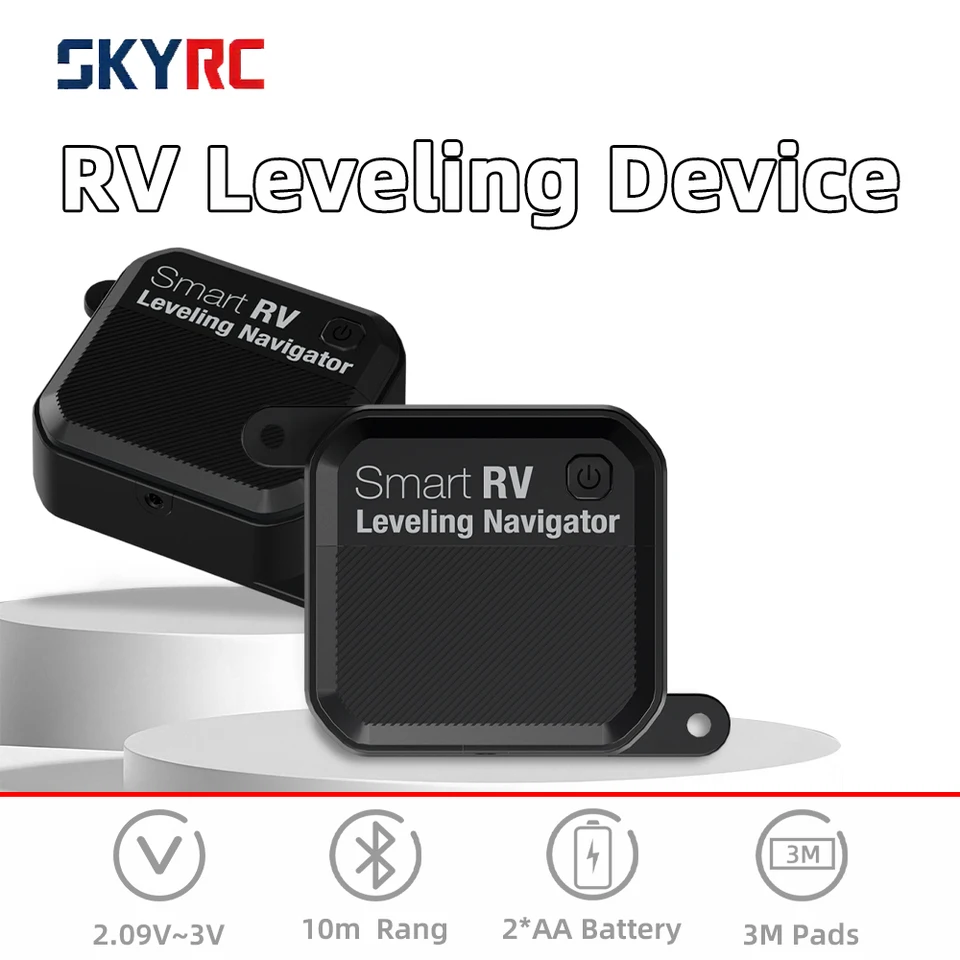
Battery life varies by model. Expect months to years depending on use. Many systems include low-battery alerts for peace of mind.
Are wireless systems safe to use while driving?
No. Leveling systems are for static setup only. Always stow jacks and follow safety steps before driving.
Is retrofit installation difficult for a beginner?
It can be moderate work. Many kits are designed for DIY. Follow instructions closely or consider a pro for cleaner mounts and wiring.
Will firmware updates improve accuracy?
Sometimes. Manufacturers release firmware fixes that refine algorithms and stability. Keep the system updated when possible.
How do I verify the system is accurate after installation?
Use a handheld digital level or reliable bubble level on multiple axes. Compare readings and recalibrate if the difference is more than a few tenths of a degree.
Is there a big difference between brands?
Yes. Brand and model quality matter. Higher-end brands use better sensors and software which yields more consistent accuracy.
Can I use a wireless system on any RV type?
Most systems work on trailers, fifth-wheels, and motorhomes, but check compatibility. Jack type and frame layout can affect fit.
What is the main drawback of wireless leveling?
The main drawback is potential wireless interference and the need to manage sensor batteries. Both issues are manageable with good setup and maintenance.
Conclusion
Wireless RV leveling systems are accurate when you choose quality gear, install sensors correctly, and keep them calibrated. They deliver faster, repeatable leveling and reduce manual work. If you care about comfortable camping and protecting appliances, a well-installed wireless system is worth it. Try these next steps: inspect mounts, swap fresh batteries, run a calibration, and validate with a handheld level. Share your setup tips or questions below, and consider subscribing for more hands-on RV gear guides and tests.

