

Waking up on time is a daily challenge for millions. For heavy sleepers or those with hearing difficulties, regular alarm clocks often fail. That’s where the Anjank Extra Loud Alarm Clock steps in. But how loud is it really? Is it just marketing, or does it deliver enough sound to wake even the deepest sleeper? This article explores the actual loudness of the Anjank alarm, how it compares to other clocks, and whether it’s right for you. We’ll break down decibel ratings, user experiences, and practical insights so you can confidently decide.
What Makes The Anjank Extra Loud Alarm Clock Unique?
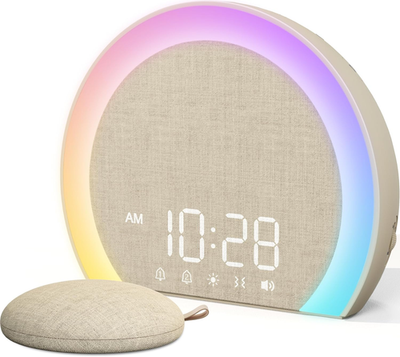
When shopping for an alarm clock, loudness is not the only thing to consider, but it’s often the most important for certain users. The Anjank Extra Loud Alarm Clock is designed specifically for those who struggle to wake up with traditional alarms. It uses advanced speakers, customizable volume, and extra features to stand out.

36% off Today’s Exclusive Deals
Limited-time Exclusive Deals. Check current discount on Amazon.
Check Price on Amazon As an Amazon Associate I earn from qualifying purchases.Key Features
- Adjustable Volume: You can set the sound anywhere from soft to extremely loud, depending on your needs.
- Dual Alarm Modes: Choose between buzzer and vibration, or combine both for maximum effect.
- Large LED Display: Easy to read, even from across the room.
- USB Charging Port: Charge your phone or device while you sleep.
- Snooze Function: Allows brief extra sleep without resetting the alarm.
These features are helpful, but the main selling point is the alarm loudness.
How Loud Is The Anjank Alarm Clock?
The loudness of an alarm is measured in decibels (dB). The higher the decibel number, the louder the sound. Most standard alarm clocks range between 60–80 dB. The Anjank claims to reach up to 120 dB, which is similar to the noise level of a thunder clap or a rock concert.
Decibel Comparison
Let’s compare the Anjank to some common sounds:
| Sound Source | Approx. Decibels (dB) |
|---|---|
| Normal conversation | 60 |
| City traffic | 85 |
| Regular alarm clock | 80 |
| Anjank Extra Loud Alarm | 120 |
| Ambulance siren | 120 |
120 dB is extremely loud. It can wake most people, even from deep sleep. For comparison, an ambulance siren is around 120 dB, and exposure to this level for long periods is not recommended. However, for a few seconds in the morning, it’s safe and effective.
Adjustable Volume Range
Not everyone needs the loudest setting. The Anjank allows you to adjust the alarm volume from about 70 dB up to 120 dB. This means you can choose a comfortable level for your room, family, and needs. The ability to control loudness is especially helpful for sensitive ears.
Real User Experiences And Feedback
Many buyers wonder if the loudness is just a claim, or if it truly works. Let’s look at what users say about the Anjank alarm’s effectiveness.
User Reviews
- “I’ve tried many alarm clocks. The Anjank is the only one that wakes me up every time. Even when I put it across the room, I hear it instantly.”
- “The loudness is no joke. The highest setting is so loud, I had to turn it down. Perfect for my teenage son who sleeps through regular alarms.”
- “I am hard of hearing and usually miss alarms. The vibration plus the loud sound helps me wake up without missing important appointments.”
Situations Where It Helps
- Heavy Sleepers: People who need a strong sound to break through deep sleep.
- Hearing Impaired: Users with mild hearing loss benefit from high decibel levels.
- Teenagers and College Students: Those who stay up late or have irregular sleep patterns.
Common Feedback
Most users say the Anjank is louder than expected. Some mention the need to use lower settings to avoid waking the whole house. Others appreciate the adjustable volume and vibration feature, which works well for people who don’t want to disturb roommates or partners.
Comparing Anjank To Other Loud Alarm Clocks
The market for loud alarm clocks is growing. The Anjank stands out, but how does it compare with other models?
| Brand | Maximum Volume (dB) | Vibration Feature | Display Type | Price Range |
|---|---|---|---|---|
| Anjank Extra Loud | 120 | Yes | LED | $30–$40 |
| Sonic Bomb | 113 | Yes | LED | $35–$50 |
| Peakeep Twin Bell | 90 | No | Analog | $15–$25 |
| Philips Wake-Up Light | 80 | No | LED | $50–$100 |
Anjank offers the highest volume, especially compared to other loud clocks like Sonic Bomb. It’s also more affordable than some high-end models with extra features. The vibration mode is a big advantage for people who prefer silent alarms or need extra stimulation.

Safety And Comfort: Is 120 Db Too Loud?
Alarm clocks are meant to wake, not harm. At 120 dB, the Anjank is powerful, but is it safe?
Sound Exposure
Short bursts of loud sound are safe for most people. Problems happen only with long, repeated exposure. Most alarms ring for a few seconds or minutes, not hours.
- Hearing Health: Experts say sounds over 85 dB can cause hearing loss with long exposure. For alarm clocks, the risk is low since the sound is brief.
- Comfort: Some users find the loudest setting uncomfortable. That’s why adjustable volume is important.
Tips For Safe Use
- Start Low: Begin with a medium setting, then raise if needed.
- Position Away from Head: Place the alarm across the room to avoid direct sound.
- Use Vibration: Combine vibration with sound for a less shocking wake-up.
If you have sensitive hearing or ear problems, use lower settings or speak to a doctor before using loud alarms.
Setting Up The Anjank Alarm Clock For Maximum Effect
Getting the most from your Anjank alarm means setting it up properly. Here’s how to do it:
Step-by-step Setup
- Plug In and Power On: Connect to wall power or use batteries for backup.
- Set Time and Alarm: Use the buttons to set current time and desired alarm time.
- Adjust Volume: Choose your preferred loudness level. Test it before sleep.
- Select Alarm Mode: Decide between buzzer, vibration, or both.
- Position Clock: Place on a nightstand or across the room for best results.
Practical Tips
- For heavy sleepers, place the clock away from the bed. This forces you to get up to turn it off.
- For roommates or family, use vibration mode or lower volume to avoid disturbing others.
- Keep the clock at ear level for best sound distribution.
Common Mistakes When Choosing Loud Alarm Clocks
Buying a loud alarm can solve sleep problems, but many people make mistakes. Here are some to avoid:
- Ignoring Adjustable Volume: Fixed-volume clocks may be too loud or too soft. Choose one with adjustable settings like Anjank.
- Overlooking Vibration: Not all loud alarms have vibration. It helps wake you without noise.
- Choosing Based on Price Only: Cheap models may lack reliability or features.
- Placing Too Close: Having the alarm too near your head can be uncomfortable.
- Not Checking Display Size: Large displays are easier to read, especially when sleepy.
These mistakes can lead to poor sleep and frustration. Take time to compare features and read user reviews before buying.
Is The Anjank Alarm Clock Right For You?
The Anjank is ideal for certain users:
- Heavy sleepers who need extra stimulation.
- People with mild hearing loss.
- Students and shift workers with irregular sleep schedules.
- Anyone who missed alarms before and needs a reliable wake-up.
However, it may not be necessary for light sleepers or those sensitive to loud sound. The adjustable volume and vibration make it flexible, but always test settings before using daily.
The Science Behind Loud Alarms
Alarm clocks work by stimulating the brain with sudden noise. Loud sounds, especially above 100 dB, quickly activate the reticular activating system—the part of your brain responsible for waking. This is why loud alarms are effective for deep sleepers. However, the brain can adapt over time, so changing alarm tones or using vibration can help keep the response strong.
Where To Buy And Warranty Information
The Anjank Extra Loud Alarm Clock is available on Amazon, Walmart, and official websites. Most sellers offer a 1-year warranty and customer support. Always buy from reputable sources to ensure genuine products and after-sale help.
If you want more technical details, you can visit the official Anjank website or check decibel standards at CDC Hearing Loss Guide.

Frequently Asked Questions
How Loud Is The Anjank Extra Loud Alarm Clock Compared To Regular Alarms?
The Anjank reaches up to 120 dB, while regular alarms are usually around 80 dB. This makes it much louder, similar to an ambulance siren, and suitable for heavy sleepers.
Can The Loudness Be Adjusted?
Yes, you can set the alarm anywhere from 70 to 120 dB. This lets you choose the sound level that suits your needs and avoid disturbing others.
Is The Loudest Setting Safe For Daily Use?
Short bursts of 120 dB sound are safe for most people. If you have sensitive hearing, start with lower settings. Avoid placing the clock too close to your head.
Does The Anjank Alarm Clock Have A Vibration Feature?
Yes, the vibration mode can be used alone or with sound. It’s helpful for people with hearing loss or those who don’t want loud noise.
What Is The Warranty Period For The Anjank Alarm Clock?
Most sellers offer a 1-year warranty with customer support. Always check the seller’s policy before buying.
The Anjank Extra Loud Alarm Clock is one of the most powerful alarms available. Its loudness, adjustable settings, and vibration make it a top choice for those who struggle to wake up. With proper use, it can help you start your day on time and avoid oversleeping, without risking your hearing or comfort.
If you need a reliable, loud alarm, the Anjank is worth considering.

