

Exploring a dense jungle is an adventure like no other. The sights, sounds, and scents are unforgettable. But before you step into the wild, you need to know about permits for jungle trekking. These documents are not just paperwork—they protect the environment, keep trekkers safe, and ensure that everyone follows local laws. Many people think permits are just a formality, but skipping them can lead to fines, lost time, or even danger. This guide will help you understand which permits are needed, how to get them, and why they matter. Whether you are planning a trek in Southeast Asia, South America, or Africa, knowing the rules can save you trouble and enrich your journey.
Why Permits Matter For Jungle Trekking
Permits are more than just permission slips. They are part of a system that manages tourism, conserves fragile habitats, and keeps trekkers safe. In many countries, jungles are protected areas. Governments and local authorities want to control access to avoid damage to plants and animals. Permits also help track who is in the jungle, which is important during emergencies or natural disasters.

36% off Today’s Exclusive Deals
Limited-time Exclusive Deals. Check current discount on Amazon.
Check Price on Amazon As an Amazon Associate I earn from qualifying purchases.Some jungles have rare animals, unique plants, or indigenous communities. Permits help prevent disturbance and show respect for local cultures. In fact, many authorities use permit fees to fund conservation projects and ranger patrols. Without permits, trekkers risk breaking laws, harming nature, or getting lost.
Types Of Permits Needed For Jungle Trekking
Different regions have their own rules, but most jungle trekking areas require one or more types of permits. Knowing the differences can help you plan better.
1. Entry Permits
Entry permits are the basic requirement. They allow you to enter a national park, wildlife reserve, or protected forest. These are usually issued by government agencies or park authorities. Entry permits often come with rules about where you can go, what you can do, and how long you can stay.
- Example: In India, entry permits are needed for trekking in Kaziranga National Park.
- Fees: $5–$50 per person, depending on the location and nationality.
2. Trekking Permits
Some places require special trekking permits, especially for long or difficult routes. These permits are stricter and may involve health checks or guide requirements.
- Example: The Annapurna Conservation Area in Nepal requires a trekking permit called the TIMS card.
- Validity: Usually for the duration of your trek.
3. Camping Permits
If you plan to sleep in the jungle, you often need a camping permit. These are issued to limit overnight stays and reduce impact. Campgrounds may be restricted, and fires are often forbidden.
- Example: In Costa Rica, camping in Corcovado National Park is only allowed with a permit.
- Additional fees: $10–$30 per night.
4. Research Or Photography Permits
For scientific studies or professional photography, special permits are required. These are harder to get and may involve interviews or paperwork.
- Example: Amazon jungles often require a research permit for collecting samples.
- Approval time: 2–6 weeks.
5. Indigenous Area Permits
Some jungles overlap with indigenous lands. Permits here are needed to ensure respect and coordination with local communities.
- Example: The Xingu Indigenous Park in Brazil requires permission from community leaders.
- Process: May include a meeting with elders or guides.
How To Apply For Jungle Trekking Permits
Getting permits can be simple or complex, depending on the region. Here’s a step-by-step approach:
Step 1: Research The Location
Find out which permits are needed for your chosen jungle. Official park websites, travel forums, and guidebooks are good sources. Don’t trust only travel blogs, as rules change often.
Step 2: Choose The Right Agency
Permits are usually issued by:
- National park offices
- Government tourism boards
- Local ranger stations
Always use official channels. Avoid third-party sellers unless they are approved agents.
Step 3: Prepare Documents
Most permit applications need:
- Passport copy
- Travel itinerary
- Proof of payment
- Sometimes a health certificate
If trekking with a group, each member may need separate documents.
Step 4: Submit Application
Some permits can be applied for online, others require in-person visits. Pay fees and keep receipts. Processing times vary, so apply early.
Step 5: Collect Permit
Once approved, collect your permit. Some are digital, others are physical papers. Always carry the permit during your trek.
Step 6: Check Validity And Rules
Read your permit carefully. It may have rules about routes, guides, or equipment. Breaking these rules can void your permit.
Regional Examples: Permit Rules Around The World
Jungle trekking is popular in many countries, but each has its own system. Understanding local rules helps you avoid mistakes.
Southeast Asia: Strict Permit Systems
Countries like Thailand, Malaysia, and Indonesia have strict rules for jungle trekking. Most national parks require entry permits, and some routes are closed during monsoon seasons.
- Thailand: Permits for Khao Sok National Park can be bought online or at the gate. Guides are required for some routes.
- Malaysia: Trekking in Taman Negara needs a permit and registration at the park office.
- Indonesia: Many jungle treks, such as those in Gunung Leuser, require entry and wildlife permits.
South America: Community And Conservation Focus
In the Amazon, permits help control tourism and protect indigenous lands.
- Peru: The Manu Biosphere Reserve needs a permit from the Ministry of Environment.
- Brazil: Trekking in the Pantanal or Amazon often involves community approval and environmental fees.
Africa: Wildlife And Safety First
African jungles are often linked to wildlife reserves. Permits here include safety briefings.
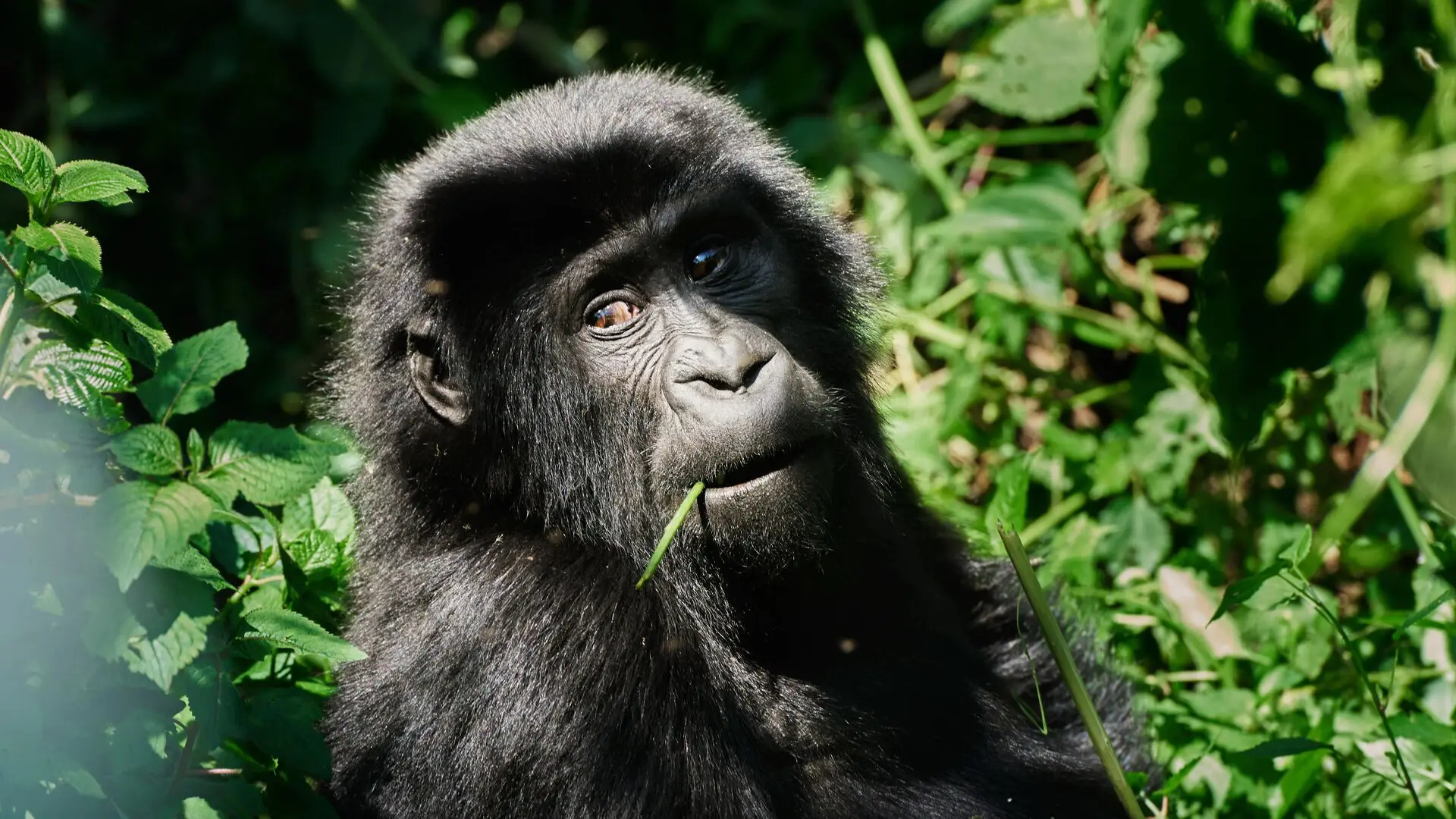
- Uganda: Trekking in Bwindi Impenetrable Forest requires a gorilla trekking permit ($700 per person).
- Madagascar: Entry permits for Andasibe-Mantadia National Park are mandatory.
Central America: Protecting Unique Ecosystems
Costa Rica and Panama have jungles with rare species. Permits help limit human impact.
- Costa Rica: Corcovado National Park only allows a set number of trekkers per day, all must have permits.
- Panama: Trekking in Darien National Park requires a permit and sometimes a military escort.
Permit Fees And What They Cover
Permit fees can vary a lot. Some are low, others are expensive. Knowing what your fee pays for can help you understand the system.
| Country | Permit Type | Fee (USD) | What’s Included |
|---|---|---|---|
| Nepal | Trekking Permit | 20–50 | Entry, route info, safety monitoring |
| India | Entry Permit | 5–25 | Park access, guide requirement |
| Uganda | Gorilla Trek Permit | 700 | Guide, safety briefing, conservation fee |
| Costa Rica | Camping Permit | 10–30 | Campground access, ranger visit |
| Brazil | Indigenous Area Permit | Varies | Community fee, guide, approval |
Extra Costs
Some permits include only entry. Others add guides, insurance, or emergency support. Always ask what is included before paying.
Guided Vs. Unguided Treks: Permit Differences
Guided treks often require fewer permits or have easier application processes. Guides help with paperwork and know the rules. Unguided treks usually need more permits, especially for risky routes.
| Permit Requirement | Guided Trek | Unguided Trek |
|---|---|---|
| Entry Permit | Usually included by operator | Must apply yourself |
| Route Approval | Handled by guide | You must submit plan |
| Safety Briefing | Provided by guide | May need to attend at park office |
| Camping Permit | Guide arranges | Apply in advance |
Many beginners overlook the importance of guides in permit systems. If you want to trek alone, expect more paperwork and stricter rules.
Common Mistakes In Getting Permits
Even experienced trekkers make mistakes with permits. Here are some issues to avoid:
- Applying late: Some permits have limited slots and fill up months in advance.
- Using unofficial agents: This can lead to fake permits or extra fees.
- Not reading fine print: Permits often have restrictions (like no fires or night trekking).
- Ignoring local rules: Indigenous areas may have customs that are not written on the permit.
- Forgetting renewal: Some long treks need permit renewal if you stay longer than planned.
Safety And Legal Risks Of Trekking Without Permits
Many people believe they can “sneak” into jungles without permits. This is risky and often illegal. Without permits:
- Rangers can fine or arrest you.
- Insurance may not cover accidents.
- You may not get rescue help in emergencies.
- You risk harming local wildlife or upsetting communities.
In some countries, penalties can include jail time or deportation. Always get the proper permits—even if the process seems slow.
Permit Rules For Special Groups
Foreigners
Non-citizens often pay higher fees and must provide extra documents. Some jungles have quotas for foreigners.
- Example: In Nepal, foreign trekkers pay twice the fee of locals.
Students And Researchers
Discounts may be available, but extra paperwork is required. Proof of study or research plan is often needed.
Large Groups
Groups over 10 people may need special permits to limit impact. Some parks restrict group size to protect the environment.
How Permit Systems Protect The Jungle
Permit systems are designed to balance tourism and conservation. By limiting numbers, tracking routes, and funding ranger patrols, permits help keep jungles healthy.
- Fewer trekkers mean less litter and damage.
- Permit fees fund anti-poaching and habitat restoration.
- Tracking helps find lost trekkers and warn about storms.
One non-obvious insight: Some parks use permits to gather data for future planning. Your trek may help improve the jungle for future visitors.
Digital Permits And Technology Trends
Many countries now use digital permit systems. Online applications save time and reduce paperwork. Some parks use QR codes or smartphone apps for entry.
| Feature | Traditional Permit | Digital Permit |
|---|---|---|
| Application Method | In-person, mail | Online, app |
| Processing Time | Days to weeks | Hours to days |
| Tracking | Paper records | Digital database |
| Lost Permit | Need replacement | Can re-download |
This trend makes trekking easier but also allows better monitoring. Some trekkers worry about privacy, but most systems only track entry and exit.
Practical Tips For Getting Permits
- Start early: Apply as soon as you plan your trek.
- Check official websites: Rules change often.
- Have backup documents: Bring copies of passports and permits.
- Know local customs: Some communities require extra steps.
- Ask about discounts: Students, researchers, or locals may get lower fees.
- Read the rules: Permits often forbid things like drones or loud music.
Real-life Example: Trekking In Borneo
In Malaysian Borneo, the jungles of Sabah are famous for wildlife and adventure. To trek in Danum Valley, you need:
- Entry permit from Sabah Forestry Department
- Camping permit (if staying overnight)
- Guide requirement (mandatory)
Permits are limited to 120 trekkers per day. Fees are about $20–$50. Many beginners forget to apply for the camping permit, so they are sent back to the city.
Where To Find Reliable Permit Information
Official websites are best. For example, the National Park Service in the United States lists all permit rules for protected areas. Local ranger stations and tourism boards also help.
Travel forums like Lonely Planet or TripAdvisor give advice, but always double-check with official sources. Rules can change quickly due to weather, politics, or wildlife risks.
Frequently Asked Questions
What Happens If I Trek Without A Permit?
If you trek without a permit, you risk fines, arrest, or deportation. Rangers may refuse to help in emergencies, and insurance will not cover you.
How Long Does It Take To Get A Jungle Trekking Permit?
Processing time varies. Some permits are issued instantly online, others take days or weeks. Research your chosen area and apply early.
Can I Get A Permit On Arrival?
Some parks allow permits at the gate, but popular jungles often require advance booking. Always check official sources before your trip.
Do I Need A Guide For Jungle Trekking?
Guides are required in many jungles, especially for difficult or dangerous routes. Even if not mandatory, guides help with permits and safety.
Are Permit Fees Refundable?
Permit fees are usually non-refundable. If your trek is canceled due to weather or illness, ask the issuing agency about options.
Jungle trekking is a thrilling experience, but permits are essential for safety and respect. Understanding the rules, applying early, and following local customs will make your trek smoother and safer. Use this guide to prepare well and enjoy your adventure—knowing you are trekking legally and responsibly.

