

The foldable phone market is changing fast, and Samsung is at the front with its Z Flip series. At the same time, Apple’s iPhone Pro line is the gold standard for premium design. With the release of the Samsung Z Flip 7 and the iPhone 16 Pro, people are curious: how do these two flagship phones compare in design? If you’re thinking about your next upgrade, or you love great tech design, this comparison will guide you through the most important differences. Let’s explore how these two icons stand out in style, build, and usability.
Overall Design Philosophy
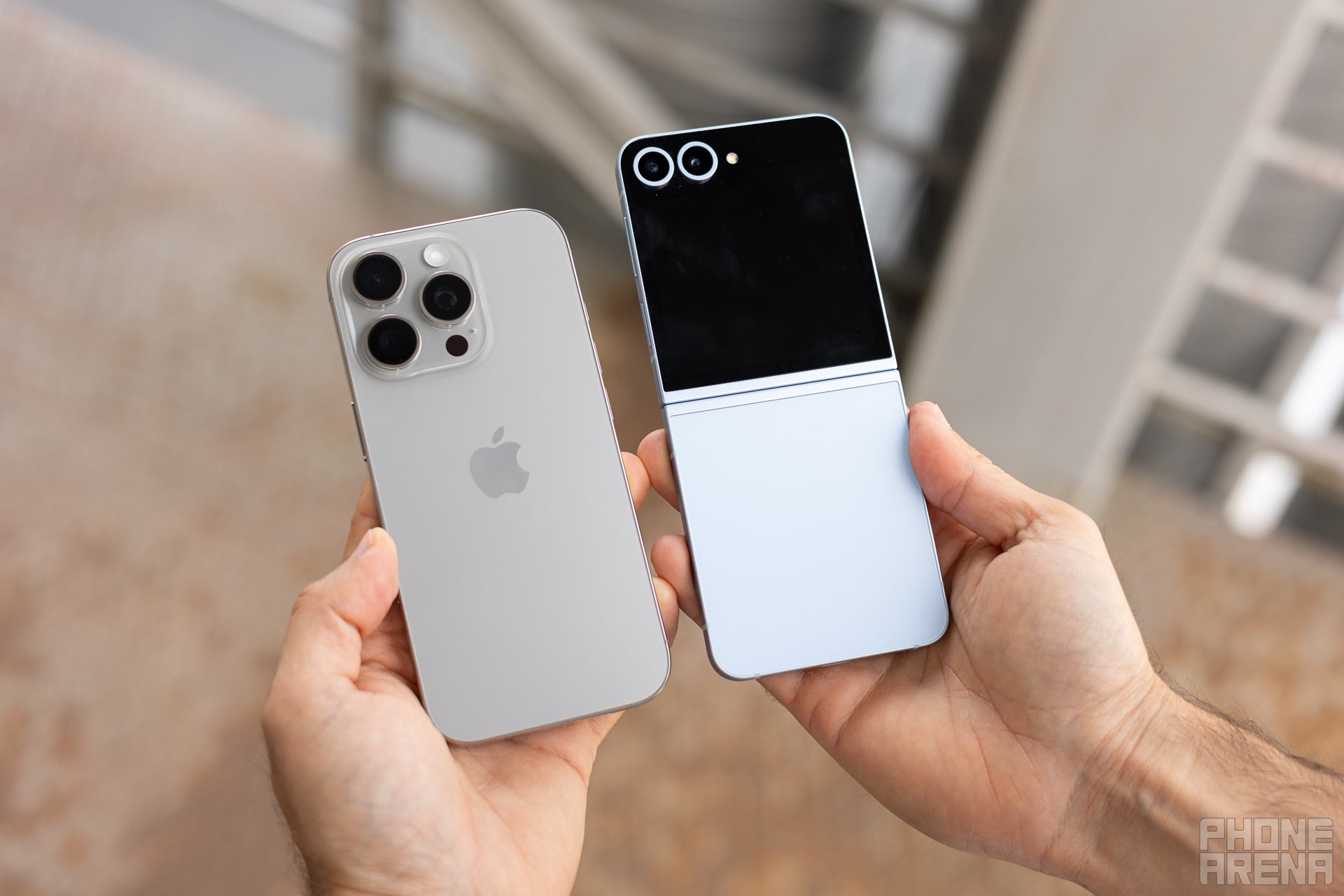
The Samsung Z Flip 7 and iPhone 16 Pro follow very different design philosophies. Samsung’s goal with the Z Flip line is clear: create a device that feels futuristic, flexible, and fun. The Z Flip 7 folds in half, making it compact enough to slip into almost any pocket or small bag. Samsung emphasizes personal style, offering vibrant colors and a playful approach that invites users to interact with their phones in new ways.

36% off Today’s Exclusive Deals
Limited-time Exclusive Deals. Check current discount on Amazon.
Check Price on Amazon As an Amazon Associate I earn from qualifying purchases.Apple, on the other hand, keeps to a classic, refined look. The iPhone 16 Pro is all about clean lines, symmetry, and premium materials. Apple rarely changes the overall silhouette of the iPhone, but each generation brings subtle improvements in ergonomics and feel.
The iPhone 16 Pro continues this tradition, focusing on a seamless, unibody design that feels both solid and luxurious in your hand.
While the Z Flip 7 wants to make a statement and invite curiosity, the iPhone 16 Pro aims for understated elegance. Both are beautiful, but they cater to different personalities: those who want to show off something new and those who value timeless sophistication.
Form Factor And Size
Samsung Z Flip 7: Pocketable Flexibility
The main attraction of the Z Flip 7 is its foldable form factor. When closed, it’s about the size of a powder compact or a small wallet. This makes it very easy to carry, even in shallow pockets or small purses. Open it up, and you get a full-sized phone with a tall, narrow display.
Dimensions (approximate, based on leaks and Samsung’s history):
- Closed: 3.4 x 2.8 x 0.6 inches (86 x 72 x 15 mm)
- Open: 6.6 x 2.8 x 0.3 inches (167 x 72 x 7 mm)
- Weight: 190g (6.7 oz)
This design lets you use the Z Flip 7 with one hand when closed, or enjoy a large screen experience when open. The hinge mechanism is improved over past models, making it feel sturdy and smooth.
Iphone 16 Pro: Sleek And Solid
Apple’s iPhone 16 Pro keeps the traditional slab shape, which many users love for its simplicity. The size is comfortable for most hands and easy to use for long periods.
Dimensions (approximate):
- 5.8 x 2.8 x 0.29 inches (147 x 71.5 x 7.4 mm)
- Weight: 195g (6.9 oz)
This means the iPhone 16 Pro is almost the same size and weight as the open Z Flip 7, but it never folds. The flat sides and rounded corners are designed to look good and feel comfortable. Apple’s approach is less about flexibility and more about reliable, consistent ergonomics.
Side-by-side Comparison
| Model | Closed Size | Open Size | Weight | Unique Feature |
|---|---|---|---|---|
| Samsung Z Flip 7 | 3.4 x 2.8 x 0.6 in | 6.6 x 2.8 x 0.3 in | 190g | Foldable design |
| iPhone 16 Pro | n/a | 5.8 x 2.8 x 0.29 in | 195g | Unibody slab |
One insight many miss: foldables like the Z Flip 7 are not just about saving pocket space. They also create new ways to use your phone, such as hands-free video calls or taking selfies with the phone half-open. The iPhone 16 Pro, while less flexible, excels at being ready to use instantly—no need to unfold.

Display Technology
Samsung Z Flip 7: Dual Display, Dynamic Usage
The Z Flip 7 features two screens:
- Main display: 6.7-inch Dynamic AMOLED, 2640 x 1080 pixels, 120Hz
- Cover display: 3.4-inch AMOLED, 720 x 748 pixels
The inner display is bright, colorful, and ultra-smooth thanks to the high refresh rate. The crease is much less noticeable than in early foldables, but it’s still there if you look closely.
The cover display is a big part of the Z Flip experience. You can check notifications, control music, or even use widgets without opening the phone. It’s also helpful for quick selfies with the rear camera. This flexibility is something the iPhone cannot match.
Iphone 16 Pro: Single Display, Stunning Quality
Apple is famous for its displays. The iPhone 16 Pro has:
- Display: 6.1-inch LTPO Super Retina XDR OLED, 2556 x 1179 pixels, 120Hz ProMotion
The screen is smaller than the Z Flip 7’s main display, but the difference is not huge. Apple’s panel is also bright and color-accurate, with deep blacks and great visibility outdoors. There’s no crease or visible fold, which some users prefer.
Apple’s always-on display is now more customizable, letting you view widgets, time, and notifications at a glance. But there’s no secondary cover display—the iPhone’s design is about one perfect screen.
Display Comparison Table
| Model | Main Display | Cover Display | Refresh Rate | Unique Feature |
|---|---|---|---|---|
| Samsung Z Flip 7 | 6.7″ AMOLED, 2640×1080 | 3.4″ AMOLED, 720×748 | 120Hz | Foldable + cover screen |
| iPhone 16 Pro | 6.1″ XDR OLED, 2556×1179 | None | 120Hz | Always-on, no crease |
A non-obvious insight: while specs are important, the real difference is in how you use the screens. The Z Flip 7’s cover display changes your habits—you’ll check your phone more discreetly and use the big screen less often. The iPhone’s single screen means you interact with it the same way every time.
Materials And Build Quality
Samsung Z Flip 7: Modern And Durable
Samsung uses Armor Aluminum for the frame and Gorilla Glass Victus 3 on the cover and back. The inner display is made of ultra-thin glass, topped with a plastic layer for flexibility. Samsung claims the hinge is dust- and water-resistant (IPX8), a big improvement for foldables.
The Z Flip 7 feels solid when closed, with magnets keeping it shut. Opening and closing the hinge is satisfying, and there’s less wobble than before. However, the inner screen is still more delicate than a regular glass slab—don’t press too hard or use sharp objects.
Iphone 16 Pro: Classic, Premium, Enduring
Apple uses a titanium frame, which is lighter and stronger than the stainless steel from previous models. The back is textured matte glass, while the front is Ceramic Shield, which Apple says is tougher than any other smartphone glass. The iPhone 16 Pro is also water and dust resistant (IP68).
This combination gives the iPhone a weighty, luxurious feel. All the seams are perfectly aligned, and the buttons feel crisp. The materials are less experimental than Samsung’s, but the quality is top-notch.
Build Quality Comparison
- Samsung Z Flip 7: Armor Aluminum, Gorilla Glass Victus 3, ultra-thin glass inside, IPX8
- IPhone 16 Pro: Titanium frame, Ceramic Shield, matte glass, IP68
One thing beginners often miss: foldables require more care. Even with improved durability, the Z Flip 7 is not as drop-resistant as the iPhone 16 Pro. If you are rough on your phones, the iPhone is the safer choice.
Color Options And Customization
Samsung Z Flip 7: Express Yourself
Samsung offers bold, playful color choices. Early leaks suggest:
- Lilac Purple
- Graphite
- Mint Green
- Yellow
- Bespoke Edition (custom colors and patterns)
The Bespoke Edition is special—you can mix and match frame and back panel colors to create a phone that’s uniquely yours. Some cases also let you display stickers or photos through the cover screen, making the Z Flip 7 a strong style statement.
Iphone 16 Pro: Refined And Subtle
Apple sticks to classic, elegant colors:
- Black Titanium
- White Titanium
- Blue Titanium
- Natural Titanium
There’s no official customization, but many third-party cases are available. Apple focuses on timeless, neutral tones that fit any style or occasion.
Color And Customization Comparison
- Samsung Z Flip 7: Wide variety, mix-and-match, youthful
- IPhone 16 Pro: Four subtle, premium colors, no custom options
If you want your phone to reflect your personality, the Z Flip 7 is hard to beat. If you prefer a device that matches any outfit or setting, the iPhone 16 Pro is a safe bet.
Camera Design And Placement
Samsung Z Flip 7: Function Meets Flexibility
The Z Flip 7 has two main cameras on the outside, next to the cover screen. When closed, you can use these cameras for high-quality selfies and video—just preview yourself on the cover display. When open, the cameras work as standard rear shooters.
Inside, there’s a hole-punch selfie camera. The hinge allows Flex Mode, where you can set the phone on a table and angle the camera for group shots or hands-free video calls. This is unique to foldables and useful for TikTok, Zoom, or vlogging.
Iphone 16 Pro: Integrated, Iconic
Apple uses a triple-camera system in a raised square bump on the back. All lenses are carefully aligned for balance and symmetry. The front camera sits in the Dynamic Island cutout, which is now even smaller and less distracting.
The iPhone’s camera bump is larger, but it’s become a design signature. There’s no cover display for selfies, but the front camera is one of the best for FaceTime and social media.
Camera Placement Comparison
| Model | Rear Camera Setup | Front Camera | Unique Feature |
|---|---|---|---|
| Samsung Z Flip 7 | Dual, next to cover screen | Hole-punch | Flex Mode, cover display selfies |
| iPhone 16 Pro | Triple, raised square bump | Dynamic Island | Symmetry, iconic look |
A tip for new users: the Z Flip 7’s camera placement means you can use the main camera for selfies—this is a big upgrade for selfie fans. The iPhone’s setup is more about professional photography and video.
Usability And Ergonomics
Samsung Z Flip 7: Interactive And Engaging
The folding design means you can use the Z Flip 7 in several ways:
- Closed: Quick checks, calls, and selfies on the cover display
- Half-open (Flex Mode): Hands-free video, split-screen apps, or tripod-free photos
- Fully open: Standard smartphone experience
The hinge is strong but easy to open with one hand. The tall, narrow shape feels comfortable, but the inner crease can be felt when scrolling. Some apps are optimized for Flex Mode, but not all.
Iphone 16 Pro: Consistent And Intuitive
The iPhone is famous for its one-handed usability. The flat edges make it easy to grip, and iOS gestures are smooth. There’s no crease, no moving parts, and no learning curve. Everything works the same way every time.
The iPhone’s physical size is perfect for most hands, and the weight is balanced. Apple’s haptic feedback and button placement are among the best in the industry.
Ergonomic Insights
Many beginners don’t realize: foldables like the Z Flip 7 require two hands to open if you’re in a hurry. The iPhone 16 Pro, however, is always ready in one motion. But the Z Flip 7’s Flex Mode can replace a phone stand or tripod—a hidden advantage for group photos and video calls.
Durability And Longevity
Samsung Z Flip 7: Advancing Foldable Tech
Samsung has improved the Z Flip’s durability every year. The Z Flip 7 is rated for at least 400,000 folds before the hinge shows wear. The water resistance is a big plus, but the inner screen remains more fragile than regular glass.
Samsung offers a one-year warranty, with extended coverage for an extra fee. Repairs for the inner display can be expensive, so consider a case and screen protector.
Iphone 16 Pro: Built To Last
The iPhone 16 Pro uses titanium and Ceramic Shield for extra strength. Apple’s IP68 rating means it can survive accidental drops in water or dust. The flat screen is easier and cheaper to repair than a foldable.
Apple supports iPhones with software updates for at least five years. Resale value is very high, and repair shops are everywhere.
Durability Comparison Insights
A key point: the Z Flip 7’s moving parts and flexible screen mean more risk of long-term wear. The iPhone 16 Pro’s design is proven and reliable for years. If you upgrade often, the Z Flip is exciting. If you keep your phone for a long time, the iPhone is a safer investment.
Frequently Asked Questions
Is The Samsung Z Flip 7’s Foldable Screen Durable Enough For Daily Use?
The Z Flip 7’s screen is much tougher than earlier models. It’s rated for hundreds of thousands of folds, and the hinge is water-resistant. However, the inner screen is still more delicate than a regular glass display. Using a case and being gentle with the phone will help it last.
Does The Crease On The Z Flip 7 Affect Watching Videos Or Gaming?
The crease is less visible than before, especially when viewing content head-on. Most users say they stop noticing it after a few days. For some, especially gamers or those who watch a lot of videos, the crease may be distracting.
It’s a trade-off for the foldable design.
Can I Customize My Z Flip 7 More Than The Iphone 16 Pro?
Yes, Samsung offers a Bespoke Edition where you can choose your own color combinations for the Z Flip 7. Apple does not offer this kind of customization. If personalization is important, the Z Flip 7 is the clear winner.
Is The Iphone 16 Pro Better For One-handed Use?
The iPhone 16 Pro is designed for one-handed comfort, with flat sides and a balanced weight. The Z Flip 7 can be used one-handed when closed, but opening it usually needs two hands. For fast, one-handed tasks, the iPhone is easier.
Which Phone Is More Resistant To Water And Dust?
The iPhone 16 Pro has an IP68 rating, meaning it’s resistant to dust and can be submerged in water up to 6 meters for 30 minutes. The Z Flip 7 is rated IPX8 (water-resistant but not dustproof), which is good for splashes and rain, but not sand or dust.
For more details on smartphone durability standards, see this explanation of IP ratings.
Both the Samsung Z Flip 7 and iPhone 16 Pro push phone design forward in different ways. The Z Flip 7 is bold, flexible, and makes using your phone more interactive. The iPhone 16 Pro is classic, reliable, and built to last. Your best choice depends on your style, habits, and how much you value innovation versus tradition. Both are excellent, but the design differences are more than just looks—they shape how you experience your phone every day.

