

St Croix Pellet Stove Troubleshooting: Quick fixes and clear diagnostics to get your stove running safely and efficiently.
I’ve worked on pellet stoves for years and know how frustrating a stalled or smoky unit can be. This guide on St Croix Pellet Stove Troubleshooting explains common causes, step-by-step fixes, maintenance routines, and when to call a pro. You’ll get clear, practical advice based on hands-on experience and industry best practices to diagnose issues, reduce downtime, and keep your stove safe and warm.

36% off Today’s Exclusive Deals
Limited-time Exclusive Deals. Check current discount on Amazon.
Check Price on Amazon As an Amazon Associate I earn from qualifying purchases.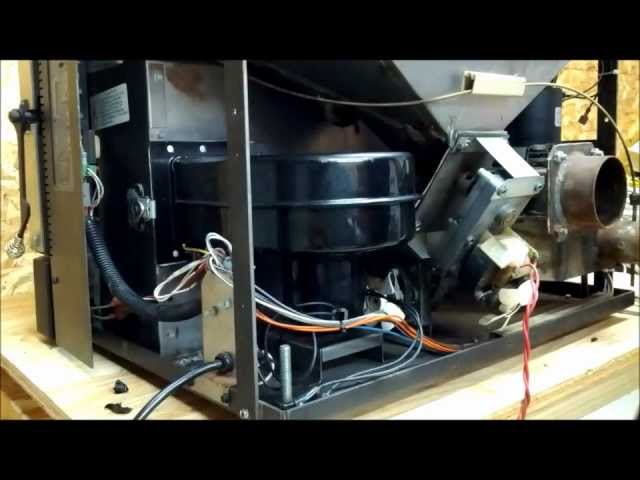
Common St Croix Pellet Stove Problems
Knowing what usually goes wrong speeds repairs. Here are the frequent problems I see with St Croix Pellet Stove Troubleshooting:
-
Poor ignition or no start
- Cause: weak igniter, dirty burn pot, empty hopper, or control board fault.
- Symptom: unit clicks but never lights, or it lights then dies quickly.
-
Low heat output or fluctuating burn
- Cause: clogged air passages, poor pellet quality, wrong fan settings, or blocked vent.
- Symptom: stove seems weak, heat varies, or pellets don’t feed steadily.
-
Pellet feed (auger) jams
- Cause: damp pellets, worn auger motor, hopper blockage, or foreign material.
- Symptom: auger motor runs but pellets don’t move, or loud grinding.
-
Excessive smoke or backdraft
- Cause: poor combustion, blocked chimney, failed pressure switch, or incorrect vent configuration.
- Symptom: visible smoke from stove or strong odor in the room.
-
Blower or fan failures
- Cause: worn motor bearings, dust buildup, or failed capacitors.
- Symptom: reduced circulation, strange noises, or stove overheats.
-
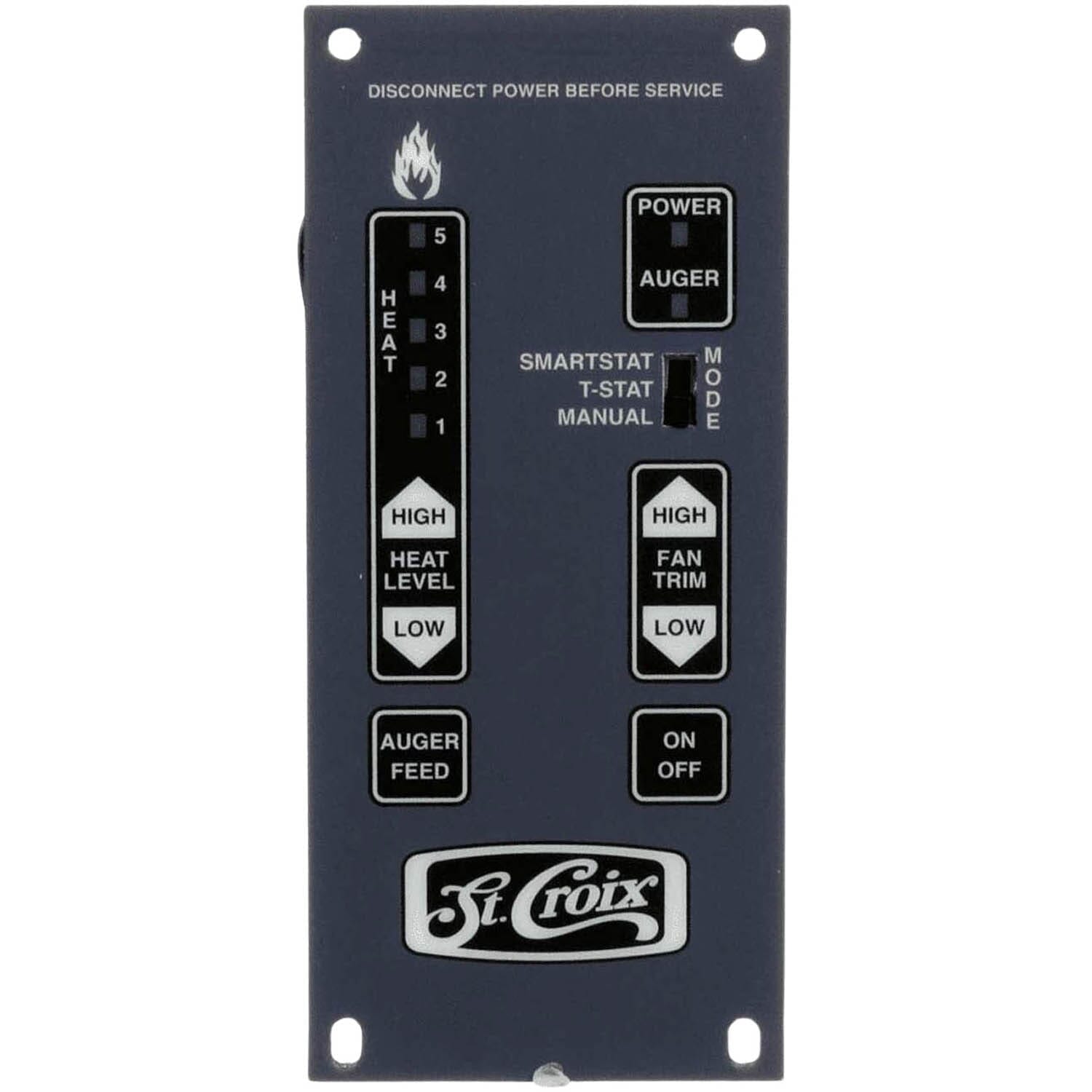
Error codes or lockouts
- Cause: sensor failures, safety interlocks, or control board issues.
- Symptom: stove flashes codes, locks out after startup attempts.
St Croix Pellet Stove Troubleshooting requires checking fuel, airflow, and electrical systems in that order. Start simple and move to more complex parts only if needed.
Quick Basic Troubleshooting Steps
Follow these steps to resolve many common issues before calling for service.
-
Check pellets and hopper
- Use dry, high-quality pellets. Damp or low-grade pellets cause jams and poor burns.
- Make sure hopper feed is clear and pellets flow freely.
-
Inspect the burn pot and air channels
- Clean ash and clinker from the burn pot and primary air holes.
- Remove soot from air inlets and exhaust passages.
-
Verify power and fuses
- Confirm the stove is receiving steady 110–120V power.
- Check fuses and the main circuit breaker for tripped circuits.
-
Test the igniter
- Run a startup and watch the igniter glow. If it doesn’t, the igniter may need replacement.
- Replace only when cool and power is off.
-
Clear the vent and chimney
- Look for blockages, nests, or creosote. Proper venting is critical for safe combustion.
-
Reset the stove
- Power-cycle the stove to clear temporary faults. If a code persists, note it for diagnostics.
People also ask:
- How often should I clean the burn pot?
- Clean the burn pot weekly during heavy use and at every fuel refill for best performance.
- Will bad pellets damage my stove?
- Yes, damp or high-ash pellets cause clinkers, jams, and extra wear on the auger and fans.
These basic steps solve many issues in St Croix Pellet Stove Troubleshooting and save time and money.
Advanced Diagnostics and Tests
If basic steps fail, use these checks to pinpoint the cause.
-
Measure voltage to the stove
- Use a multimeter to confirm 110–120V at the power input. Low voltage causes weak fans and erratic behavior.
-
Test the auger motor
- Listen for motor hum and check amp draw against specs. A high amp draw or no movement means the motor or gear assembly likely needs replacement.
-
Inspect the pressure switch and vacuum
- Blocked flue or leaks can throw pressure switch errors. Check vacuum hose for cracks and fittings for airtight seals.
-
Check thermistors and flame sensors
- Replace faulty sensors if they give incorrect temperatures or fail to detect flame. A weak signal can cause shutdowns.
-
Evaluate the control board
- Look for burnt traces, swollen capacitors, or corrosion. Control boards can fail after power surges.
-
Smoke and draft testing
- Use a smoke pencil or incense to observe draft direction and leaks around seams and the flue collar.
Personal note: I once chased an electrical fault for hours only to find the issue was a cracked vacuum hose behind the stove. Replacing that small hose fixed a persistent lockout. Small parts can cause big headaches.
St Croix Pellet Stove Troubleshooting at this level requires care and safety gear. Shut off power before testing wiring and components.
Maintenance Schedule and Best Practices
A routine saves money and extends stove life. Here’s a simple schedule I use and recommend:
Daily or every burn
- Empty ash pan when full.
- Check hopper for pellet quality and flow.
Weekly
- Clean the burn pot and scrape off clinkers.
- Vacuum ash from the combustion area and hearth without disturbing gaskets.
Monthly during season
- Clean glass and check door seals for gaps.
- Inspect exhaust pipe and vent connectors for soot buildup or loose fasteners.
Annually (pre-season)
- Deep clean the vent and chimney.
- Replace gaskets, check blower motors, and test safety sensors.
- Consider professional service for full inspection and combustion tune-up.
Best practices
- Use recommended pellets for St Croix units.
- Keep area around stove clear and ensure proper clearance to combustibles.
- Keep a spare igniter, gasket kit, and a small set of common parts on hand.
A little upkeep makes St Croix Pellet Stove Troubleshooting much easier and prevents emergency recalls or costly repairs.
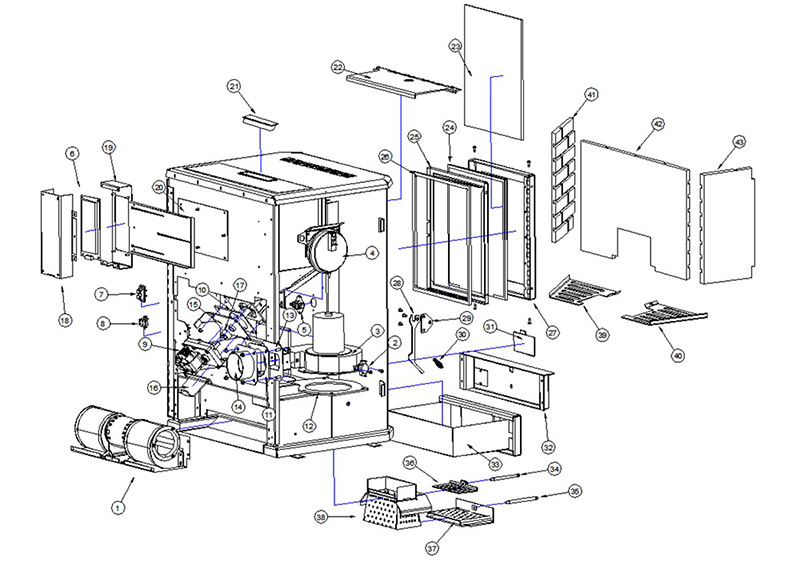
Parts, Replacements, and Where to Look
Familiarize yourself with common parts so you can replace what’s worn fast.
-
Igniter
- Typically a ceramic rod or hot surface igniter. Replace when it fails to glow or cracks.
-
Auger and auger motor
- Augers wear with use and jam with bad pellets. Motors can burn out under heavy load.
-
Blower motors and fans
- Replace if noisy, slow, or if bearings seize.
-
Gaskets and door seals
- Replace when compressed or brittle to maintain airtight combustion.
-
Control board and relays
- Symptoms of board failure include random lockouts, wrong fan speeds, or ignored user inputs.
-
Sensors: thermistors, flame sensors, and pressure switches
- Replace if they read out of spec or trigger false faults.
Sourcing parts
- Use OEM parts matched to your St Croix model number for best reliability. Keep part numbers handy when ordering.
My shop experience: stocking small parts like gaskets and igniters saves multiple service trips. When you follow St Croix Pellet Stove Troubleshooting, having parts on hand speeds repairs.
When to Call a Technician
Some problems need a trained hand. Call a pro if you see any of these:
- Persistent error codes after basic troubleshooting
- Electrical burning smells or visible smoke from wiring
- Repeated backdrafts or carbon monoxide alarms
- Major component failure like a seized blower motor or cracked heat exchanger
- You’re uncomfortable working with electrical or gas/vent systems
A certified technician can run combustion tests, adjust air-to-fuel ratios, and safely replace complex components. St Croix Pellet Stove Troubleshooting is manageable at home, but safety must come first.
Safety Tips and Compliance
Safety keeps you and your home protected. Follow these rules:
- Install a smoke alarm and a carbon monoxide monitor near the stove.
- Keep vents and chimneys inspected and cleaned regularly.
- Follow manufacturer clearance specs and local building codes for venting and placement.
- Never use flammable liquids to start or speed combustion.
- Turn off power and unplug the stove before servicing electrical parts.
Be transparent about limits: replacing electrical components or modifying vents often requires licensed service and permits. When in doubt, hire a pro.
Frequently Asked Questions of St Croix Pellet Stove Troubleshooting
What should I do first if my St Croix pellet stove won’t start?
Check pellets, power supply, and the igniter. Clean the burn pot and ensure the hopper feeds pellets freely before deeper diagnostics.
How often should I clean the vent and chimney?
Have vents inspected and cleaned at least once per season; more often if you burn a lot. Blocked vents cause poor combustion and safety hazards.
Why does my stove produce a lot of ash or clinkers?
Low-quality or damp pellets cause excess ash. Also, incorrect air settings or a dirty burn pot can lead to clinkers.
Can I replace the igniter myself?
Yes, if you are comfortable with basic electrical safety. Always cut power and let the stove cool before replacing the igniter.
What do error codes on my control panel mean?
Codes typically point to sensors, pressure switch faults, or ignition failures. Note the code and consult the manual or a technician if it persists.
How do I prevent auger jams?
Use dry, quality pellets, keep the hopper clean, and avoid overfilling. Regularly inspect the auger area for debris and foreign objects.
Conclusion
St Croix Pellet Stove Troubleshooting is a mix of simple checks and careful diagnostics. Start with fuel quality, airflow, and power before moving to sensors and controls. Regular maintenance prevents most issues and saves money over time. Take action: follow the steps above, schedule yearly service, and keep basic spare parts on hand to stay warm and safe all season. If a problem feels beyond your skill or safety, contact a certified technician or leave a comment below with your stove model and symptoms for targeted help.

